Science News

Latest science news, discoveries and scientific developments.

Hawaiian hot spot study uncovers evidence of true polar wander
Science News

Hawaiian hot spot study uncovers evidence of true polar wander

On Earth, everything is moving. The planet spins, the tectonic plates shift and the spin axis wobbles, as do the magnetic poles, which makes determining how things move a rather tricky proposition. For Rice University's Richard Gordon, this problem came up when he was trying to understand the history of the Hawaiian hot spot, the deep-mantle source of the volcanism that created the Hawaiian–Emperor chain of islands and underwater volcanoes.

📅 2026-10-07 21:40:06    •    Phys.org
'Self-blinking dyes' simplify nanoscale imaging without sacrificing precision
Science News

'Self-blinking dyes' simplify nanoscale imaging without sacrificing precision

Nanobodies are extremely small antibody fragments that bind to specific molecules. When nanobodies are labeled with dyes, they can be used as probes to enhance super-resolution microscopy. However, conventional blinking dyes often perform poorly when attached to nanobodies, limiting their practical advantages. An international research team led by the University of Göttingen and the University Medical Center Göttingen (UMG) has now shown that self-blinking dyes—which can switch between bright and dark states on their own—bypass this limitation.

📅 2026-10-07 21:30:01    •    Phys.org
Undergraduate student may have solved puzzle regarding isolated galaxies that have stopped producing stars
Science News

Undergraduate student may have solved puzzle regarding isolated galaxies that have stopped producing stars

An undergraduate astrophysics student at UC Berkeley has found three unusual galaxies—cataloged as Shapiro Dwarf Galaxies I, II and III. Each galaxy is far from other galaxies and has stopped making stars, a combination that is extremely rare. The discovery, published in The Astrophysical Journal, provides compelling observational evidence of a long-held astronomical theory.

📅 2026-10-07 21:20:11    •    Phys.org
New polystyrene uses 50% plant-based material and breaks into fragments for potential recycling
Science News

New polystyrene uses 50% plant-based material and breaks into fragments for potential recycling

Polystyrene is used in protective packaging for televisions and electronic devices, in decorative boards and baseboards for interior construction, and in petri dishes. It is one of the world's most important plastics, with nearly 20 million tons produced each year. The material is predominantly derived from crude oil and is rarely recycled. Virgin polystyrene is often cheaper than recycled material, meaning that used products are typically incinerated or sent to landfills. Like many other plastics, polystyrene is highly resistant to degradation in the environment.

📅 2026-10-07 21:10:06    •    Phys.org
Ultrashort laser pulses let new microscope map electron interactions across thin materials
Science News

Ultrashort laser pulses let new microscope map electron interactions across thin materials

A new type of advanced microscope (wide-field coherent multidimensional microscopy) has been developed. It uses a carefully designed sequence of ultrashort light pulses to study the behavior of high-tech materials, with potential practical applications in the study of innovative materials such as those used to build solar panels. This is the result of work by a research group of physicists from the Faculty of Sciences, Mathematics, Physics, and Natural Sciences at Università Cattolica's Brescia campus who, for the first time, have developed a "multidimensional microscope" that, in a sense, records the behavior of materials.

📅 2026-10-07 21:10:01    •    Phys.org
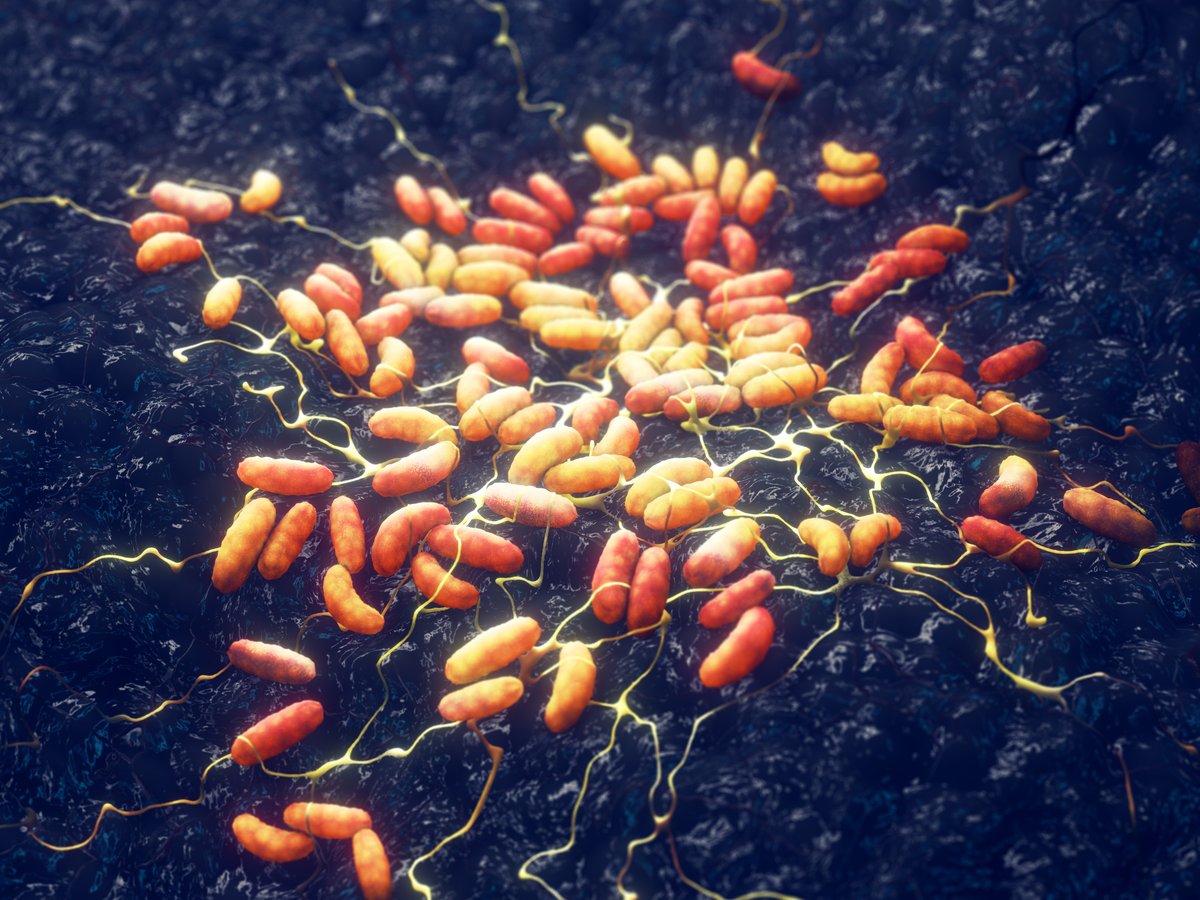
First global genome atlas reveals overlooked microscopic life in hundreds of lakes and reservoirs
Science News

First global genome atlas reveals overlooked microscopic life in hundreds of lakes and reservoirs

Tiny single-celled organisms help keep lakes clear, but some can also contaminate the water. An international research team has analyzed DNA data from 362 lakes to create the first global genome atlas of these organisms. With the findings now published in Nature Communications, the new atlas lays the foundation for faster and more precise monitoring of lakes.

📅 2026-10-07 21:00:05    •    Phys.org
Tiny plasma-grown particles enable easier magnetization reversal in materials for high-frequency electronics
Science News

Tiny plasma-grown particles enable easier magnetization reversal in materials for high-frequency electronics

Researchers at South China University of Technology, in collaboration with the Dongguan Institute of Materials Science and Technology, Chinese Academy of Sciences, have developed a novel supranano multi-precipitate microstructure in amorphous soft magnetic composites using Ar/O₂ plasma treatment. By facilitating magnetic-moment reversal, this approach significantly reduced coercivity while maintaining excellent overall performance.

📅 2026-10-07 20:50:06    •    Phys.org
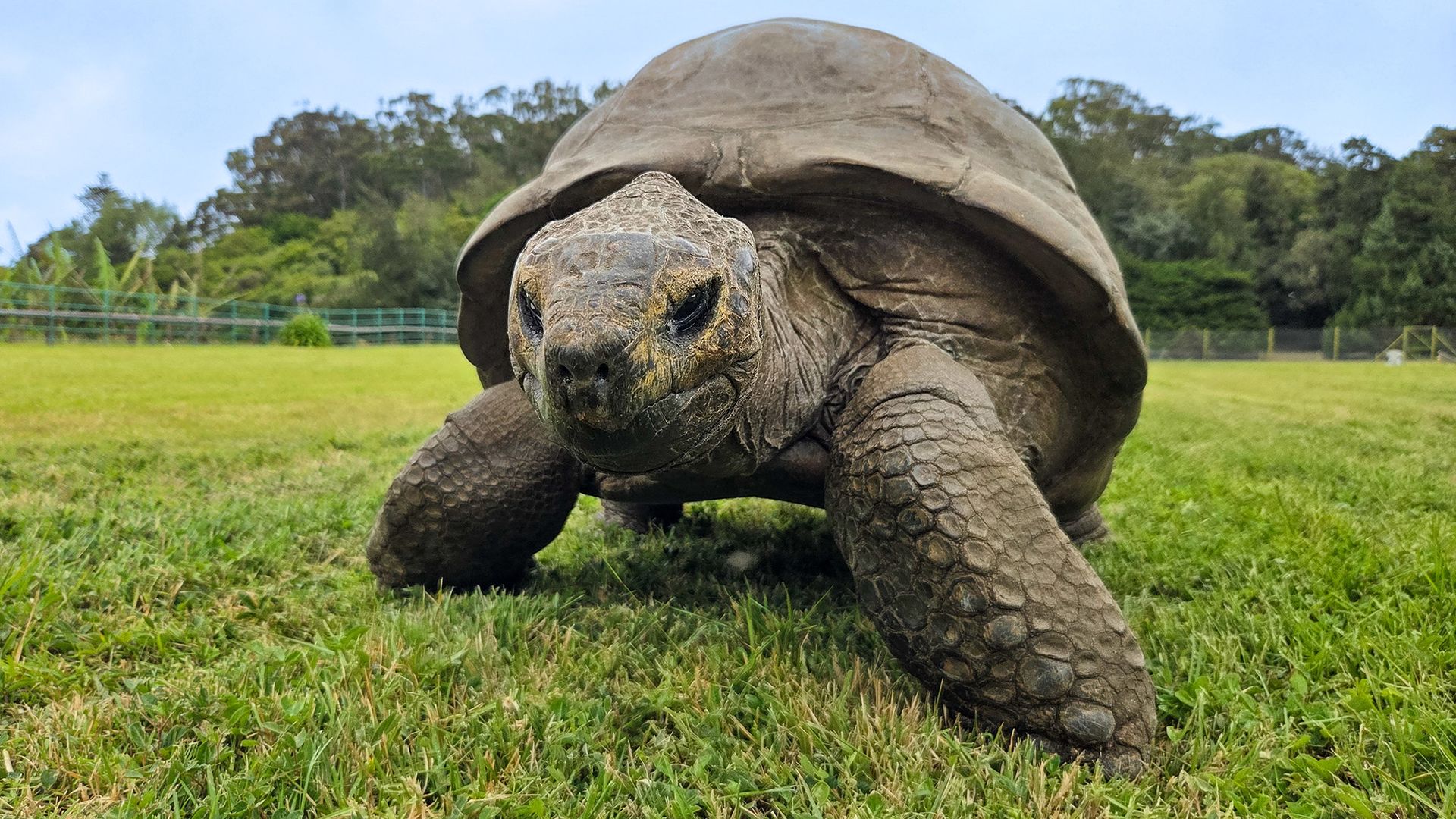
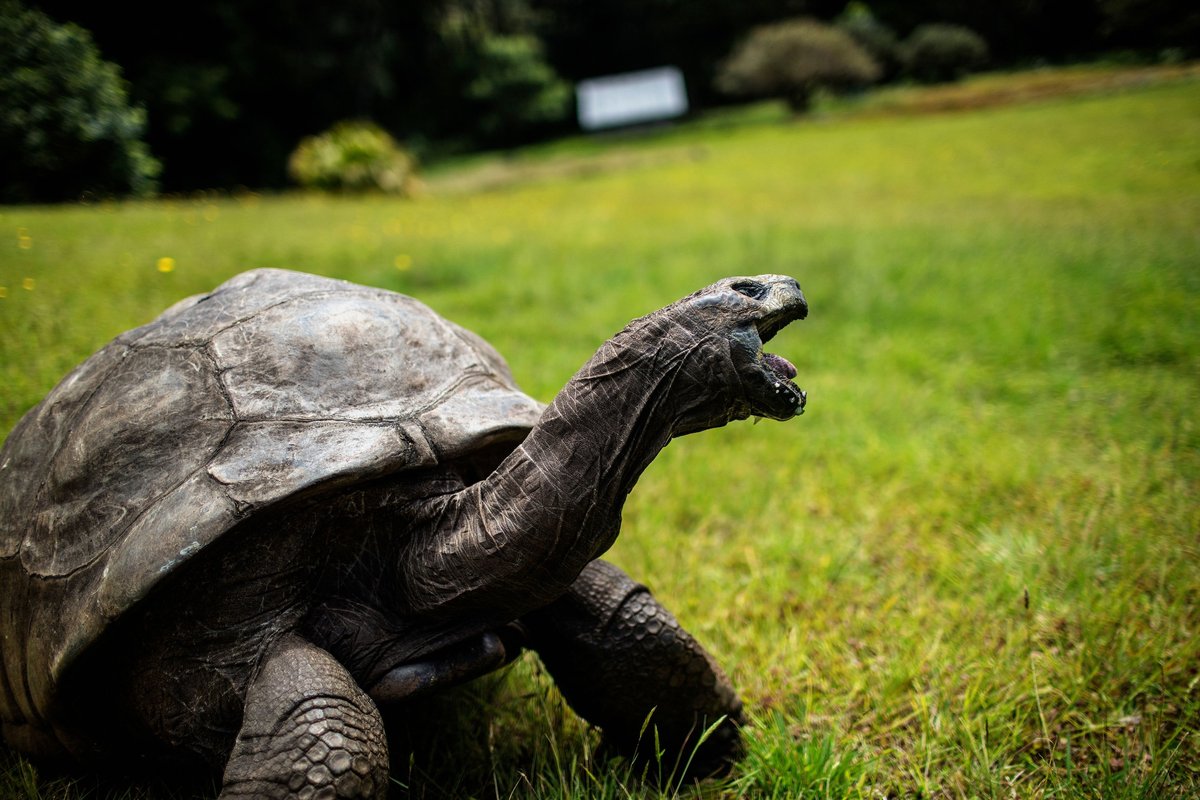
Jonathan the tortoise has lived to 194 years old — now scientists think they know why
Science News

Jonathan the tortoise has lived to 194 years old — now scientists think they know why

The remote south Atlantic island of St. Helena boasts an international celebrity: the tortoise Jonathan, the oldest living land animal. At 194 years old, he has outlasted the expected lifespan for an Aldabra giant tortoise (Aldabrachelys gigantea) by about a century. Now, scientists have identified a range of unique genetic and epigenetic traits that may hold the key to this longevity. The new research zoomed in on Jonathan's genes, as well as the chemical tags that sit on top of DNA molecules, known as "epigenetic markers." These markers help control which genes are activated and to what degree. The analysis finds that Jonathan's genes associated with mitochondrial function are in great sha...

📅 2026-10-07 19:05:40    •    Live Science
194-year-old tortoise has exceptional DNA repair systems that fight off ageing
Science News

194-year-old tortoise has exceptional DNA repair systems that fight off ageing

Jonathan the giant tortoise has been alive for nearly two centuriesSt. Helena Government, Communication Hub The world’s oldest known land animal – Jonathan the giant tortoise – has had his genome probed for the first time. This has revealed that parts of his genome to do with mitochondrial function are as efficient as those of a 5-year-old member of his species. Efficient mitochondria may give his DNA repair systems more energy to fight off the effects of ageing, enabling him to live to an estimated age of 194. What’s more, some of his genetic changes seem similar to those of supercentenarians. “This study adds to the body of evidence that the mechanisms of ageing may be conserved across spe...

📅 2026-10-07 18:00:00    •    New Scientist
Neanderthal Europe was as much a wooden age as a stone age
Science News

Neanderthal Europe was as much a wooden age as a stone age

A wooden object from the Abric Romaní site interpreted as a wooden clubGerard Campeny/IPHES-CERCA Wooden tools, weapons, building materials and domestic items discovered in a Spanish cave challenge the assumption that Neanderthals’ technological life was based primarily on stone. The finds have given an unprecedented glimpse into everyday Neanderthal life and are a rare opportunity to recover part of their missing world, says Josep Vallverdú at the Catalan Institute of Human Paleoecology and Social Evolution in Spain. “Neanderthal technology was not only made of stone; it was also made of wood,” he says. Advertisement if( window?.adverts?.addToArray ) { window.adverts.addToArray( { "pos": "m...

📅 2026-10-07 18:00:00    •    New Scientist
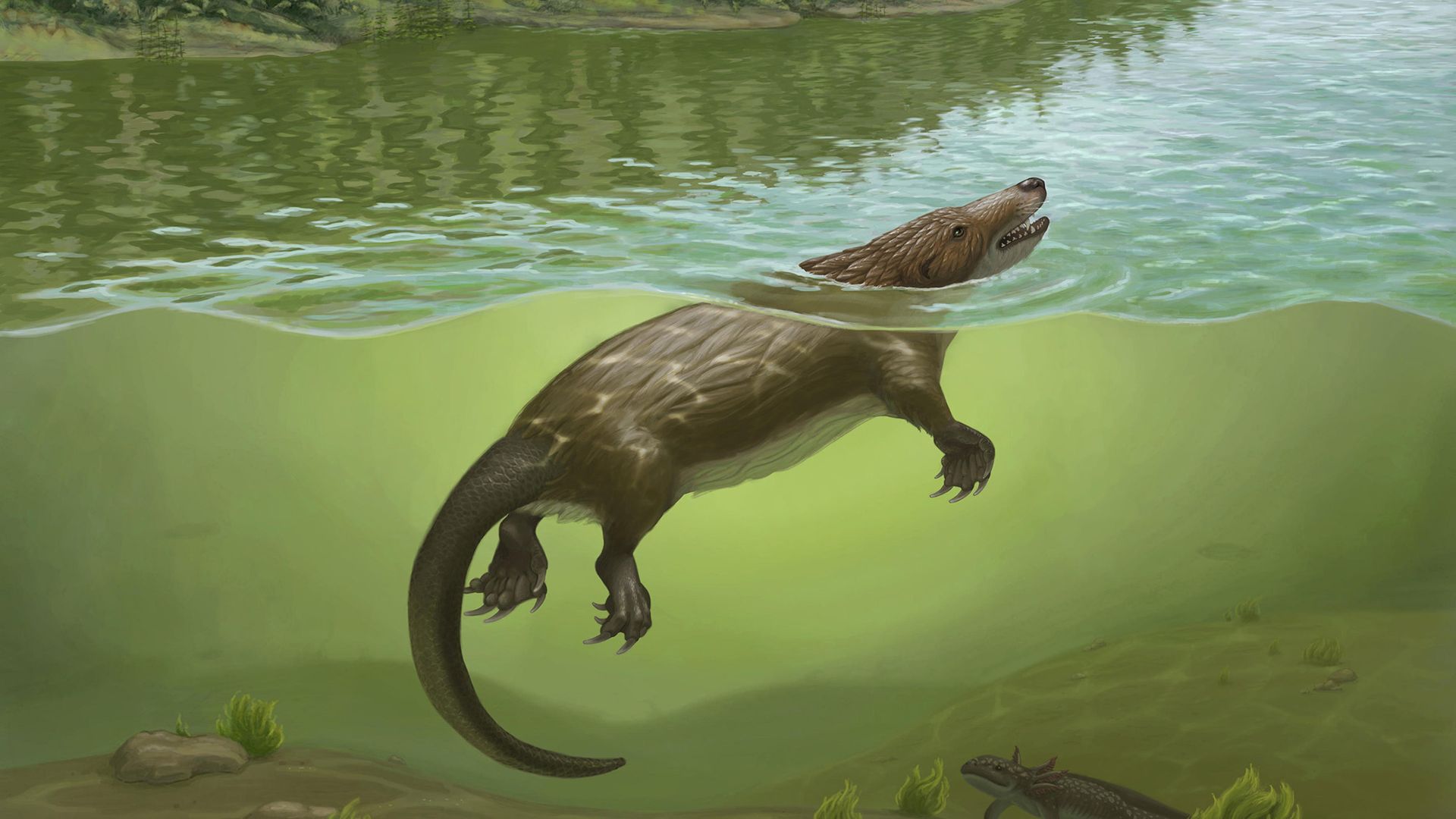
'It looks like a chimera' — 168 million years ago, a strange platypus-like mammal relative lived in China alongside dinosaurs
Science News

'It looks like a chimera' — 168 million years ago, a strange platypus-like mammal relative lived in China alongside dinosaurs

A newly discovered platypus-like creature is the largest-known mammal relative from the entire Jurassic period, a new study finds — although it still only weighed as much as a Chihuahua.The critter, which hunted salamanders in the freshwater lakes and rivers of what is now Inner Mongolia, China, lived during the mid-Jurassic between 168 million and 163 million years ago. It seems to be the earliest known mammal-type animal that lived a semiaquatic life.Researchers unearthed the delicate and detailed fossil in 2016, which revealed that the animal likely weighed about 2.2 to 4.4 pounds (1 to 2 kilograms). It was large for a mammal relative during the Jurassic, but its name, Megacauda sungei, w...

📅 2026-10-07 17:16:58    •    Live Science
1,000-mile-long cloud that forms and vanishes on Mars every day obeys 'exotic physics' never seen on Earth
Science News

1,000-mile-long cloud that forms and vanishes on Mars every day obeys 'exotic physics' never seen on Earth

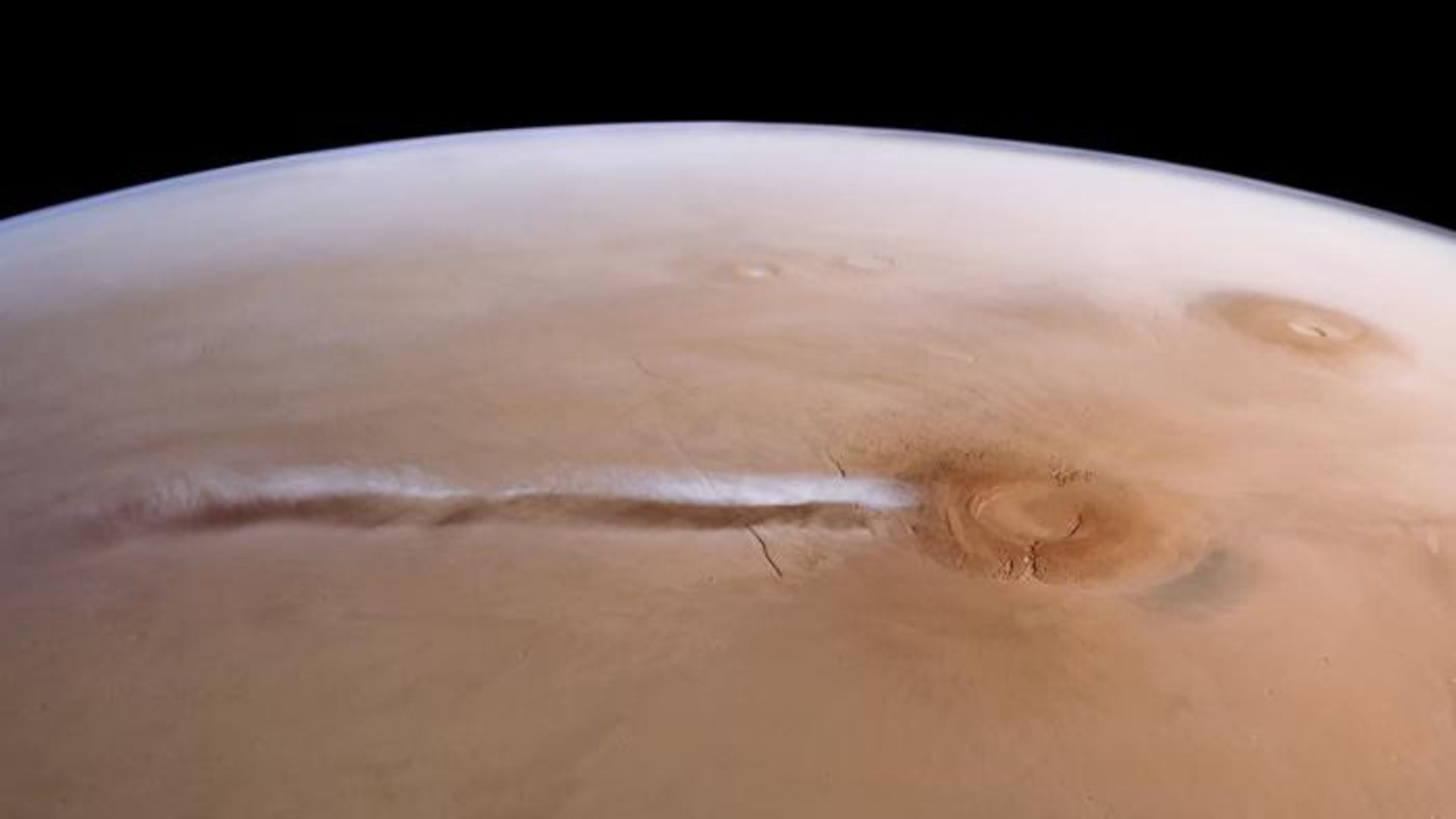
A 1,000-mile-long (1,600 kilometers) Martian cloud that emerges and then quickly disappears from the Red Planet's sky nearly every day is even weirder than scientists realized. New simulations suggest that the eerie apparition can only be explained using "exotic physics" that have been theorized but never seen on Earth or anywhere else in the solar system. The mysterious floating mass, dubbed the Arsia Mons Elongated Cloud (AMEC), frequently emerges above Arsia Mons, a 12-mile-tall (20 km) extinct volcano located in the Tharsis region, just south of the Red Planet's equator. The water vapor cloud was first spotted in 2018 by the European Space Agency's Mars Express orbiter and has since appe...

📅 2026-10-07 17:08:09    •    Live Science