Science News

Latest science news, discoveries and scientific developments.

Scientists found Homo erectus 200,000 years earlier than expected
Science News

Scientists found Homo erectus 200,000 years earlier than expected

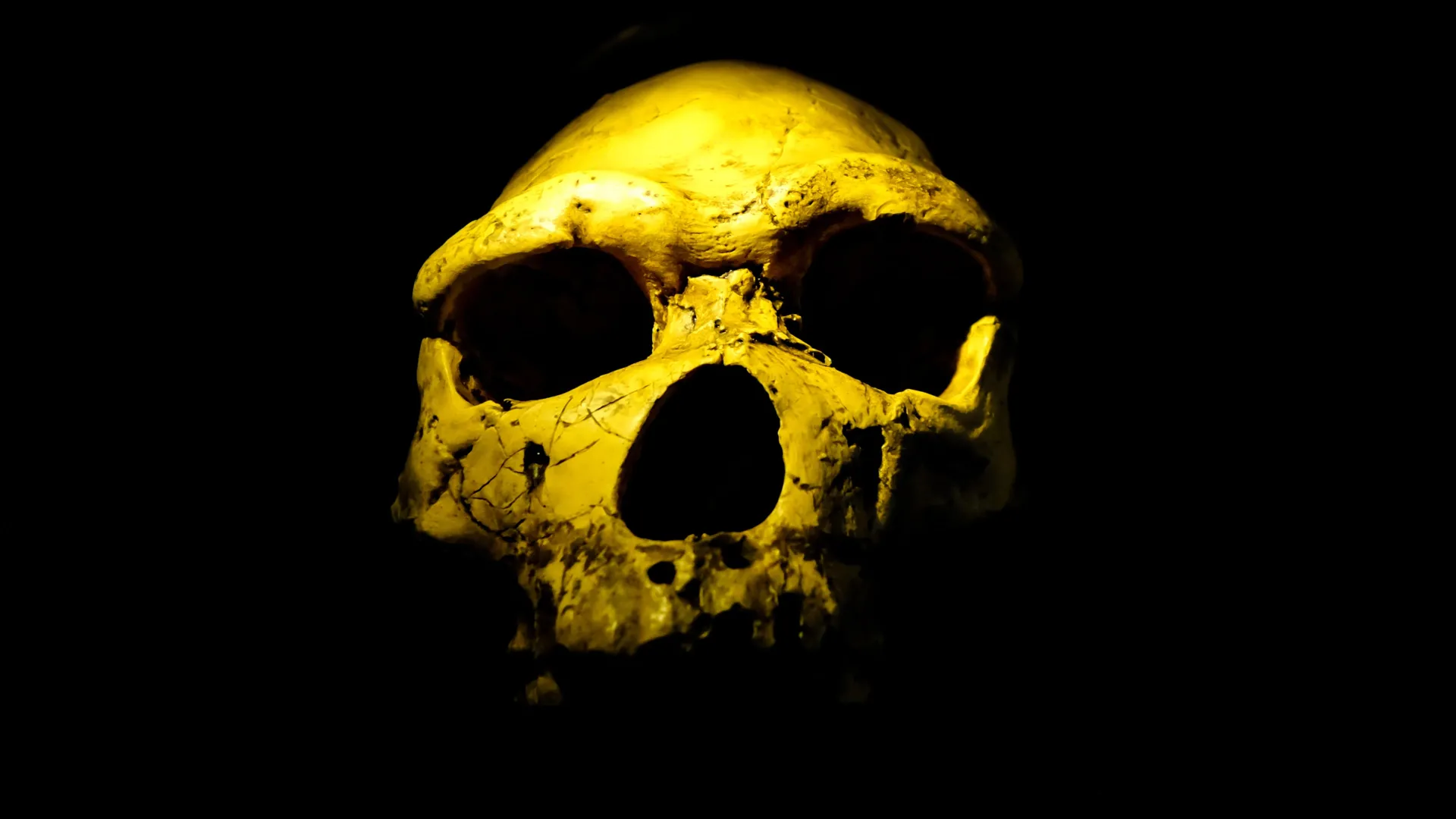
New fossils from South Africa are reshaping the story of early human evolution. Researchers have described 18 hominin fossils from Drimolen Cave, including an adult Homo erectus skull fragment dated to about 2 million years ago, supporting evidence that the species appeared in southern Africa roughly 200,000 years earlier than long thought. The finds also reveal that Paranthropus robustus, which lived alongside Homo erectus, was gradually evolving even larger teeth and stronger chewing muscles as the climate changed.

📅 2026-10-08 12:47:46    •    ScienceDaily
DNA testing of fecal samples reveals greater gliders eat wider variety of plants than previously thought
Science News

DNA testing of fecal samples reveals greater gliders eat wider variety of plants than previously thought

Identifying the favorite snacks of one of Australia's cutest animals no longer needs to rely on guesswork or picking apart their poop, according to University of the Sunshine Coast research. Although the shortened title of her latest paper is "The future is faeces," associate professor Dominique Potvin and colleagues want to make the task less of a hands-on, hit-and-miss job.

📅 2026-10-08 12:40:01    •    Phys.org
Strong reading skills may help teens resist misinformation
Science News

Strong reading skills may help teens resist misinformation

Students with stronger reading skills are better able to spot misinformation online—and those skills may be especially important for teenagers from disadvantaged backgrounds, according to a new study from the Brown School at Washington University in St. Louis.

📅 2026-10-08 12:20:01    •    Phys.org
NASA is searching for hidden caves to build its first Moon base
Science News

NASA is searching for hidden caves to build its first Moon base

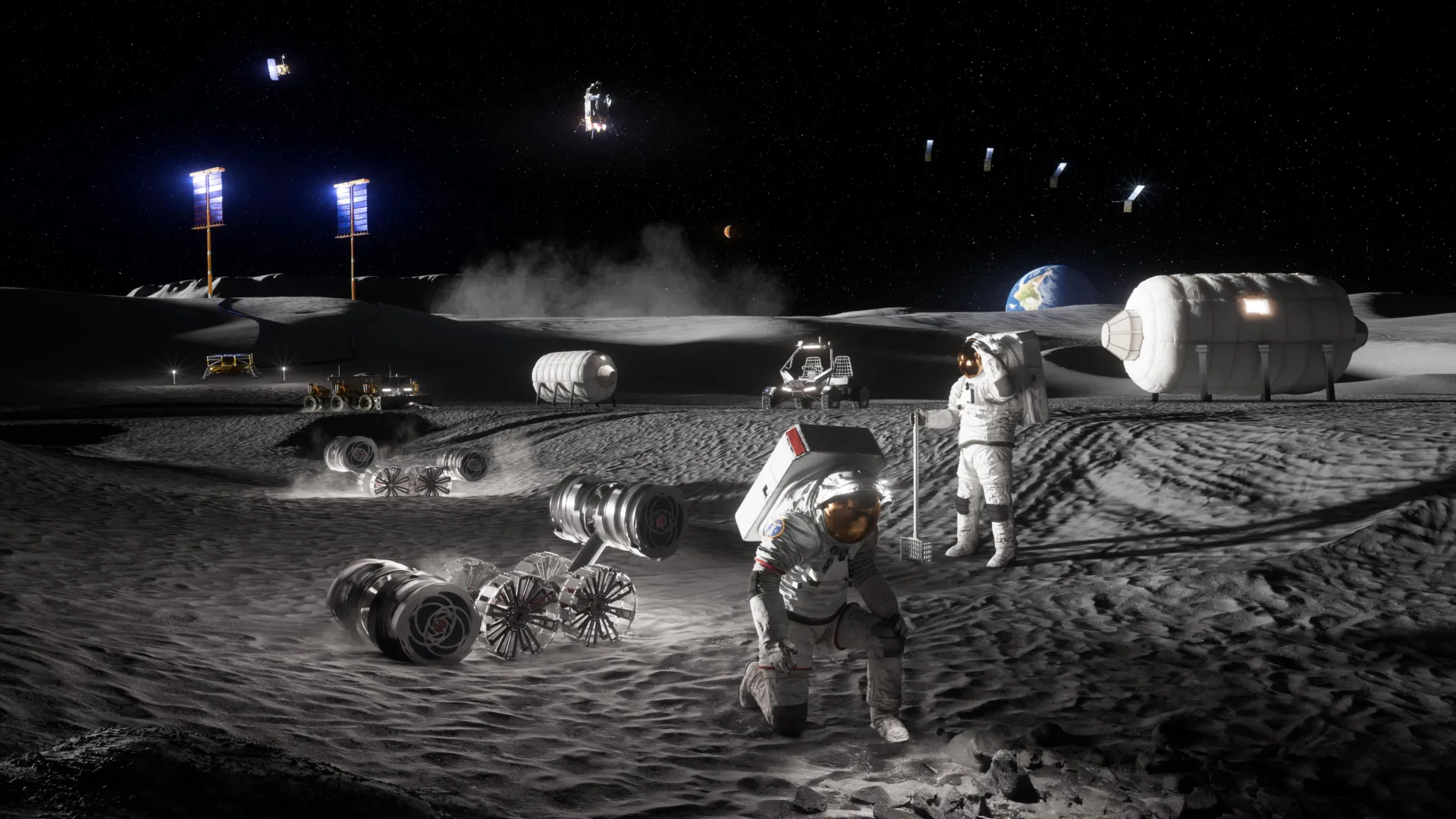
NASA is preparing for humanity’s first Moon base with three investigations that will hunt for underground shelters, uncover hidden ice, and track dangerous conditions on the lunar surface. The findings could reveal how astronauts can survive and thrive on the Moon while laying the groundwork for future journeys to Mars.

📅 2026-10-08 12:19:20    •    ScienceDaily
Brain cells regulate cholesterol to control neuron signaling
Science News

Brain cells regulate cholesterol to control neuron signaling

Cholesterol, a fat-like substance in the body best known for its role in cardiovascular health, also plays a key role in how neurons—foundational cells for the brain's ability to process and integrate information—communicate with one another. Now, research led by Vitaly A. Klyachko, a professor in the WashU Medicine Department of Cell Biology & Physiology, has shown that brain cells called astrocytes regulate cholesterol supply to modulate neuronal communication. The findings are published in the Journal of Cell Biology.

📅 2026-10-08 12:00:32    •    Phys.org
Electronic stripes linked to unusual vortex states in a superconductor
Science News

Electronic stripes linked to unusual vortex states in a superconductor

Superconductors, materials that can carry electric current with an electrical resistance of zero, have proved to be promising for the development of various technologies, including medical devices, particle accelerators and quantum computers. Studying these materials could help researchers uncover new physical states that could be useful for specific applications.

📅 2026-10-08 12:00:11    •    Phys.org
Einstein Probe reveals a hidden phase of neutron star collisions
Science News

Einstein Probe reveals a hidden phase of neutron star collisions

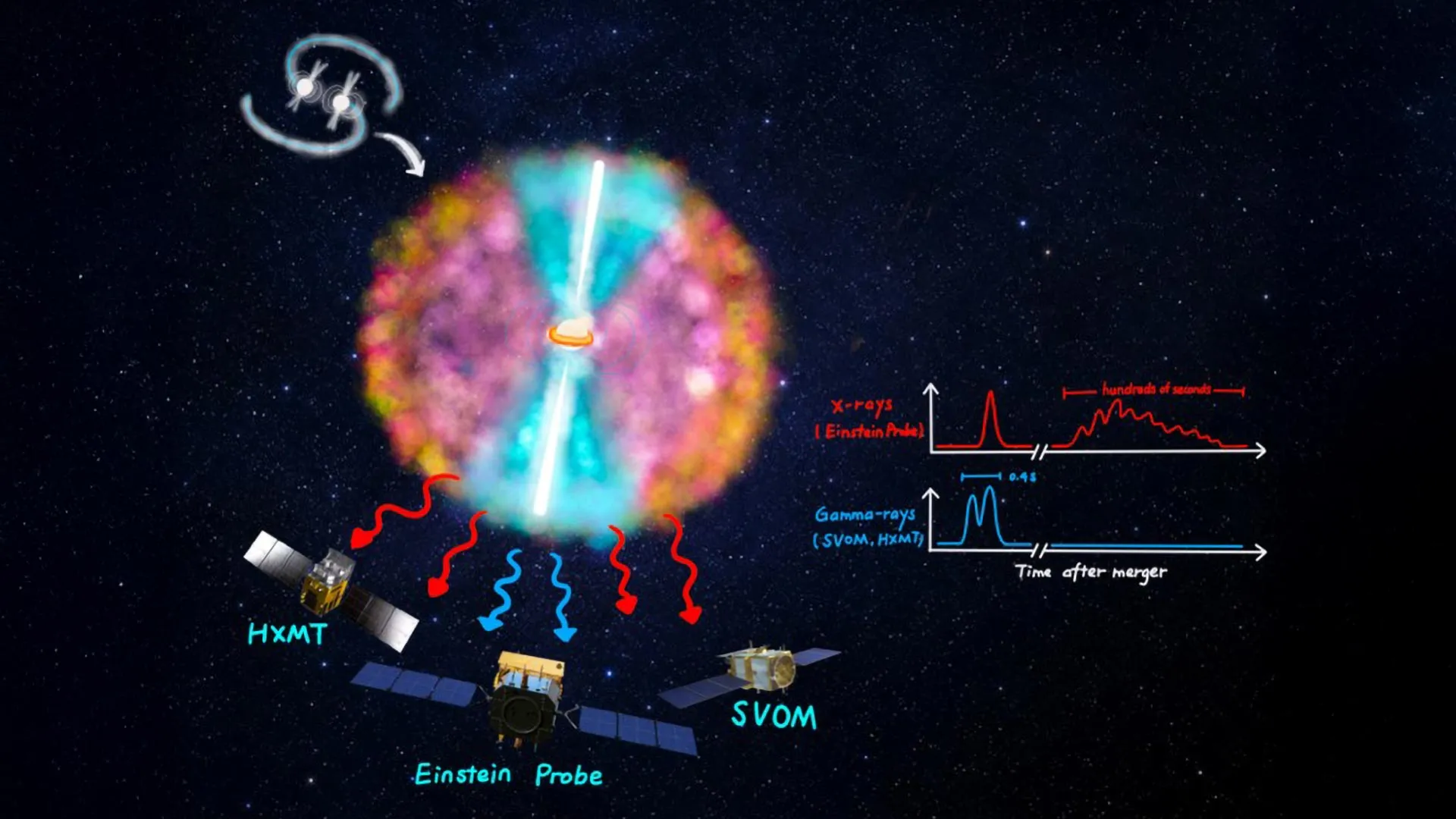
Einstein Probe revealed nearly 10 minutes of soft X-ray activity following a short gamma-ray burst, exposing a phase of neutron star mergers that previous missions may have missed. The prolonged emission could have been powered by a newly formed magnetar and may provide a valuable new counterpart to gravitational-wave signals.

📅 2026-10-08 10:06:06    •    ScienceDaily
Why are dengue cases surging in Florida this year? An 'unlucky' combination of factors, experts say
Science News

Why are dengue cases surging in Florida this year? An 'unlucky' combination of factors, experts say

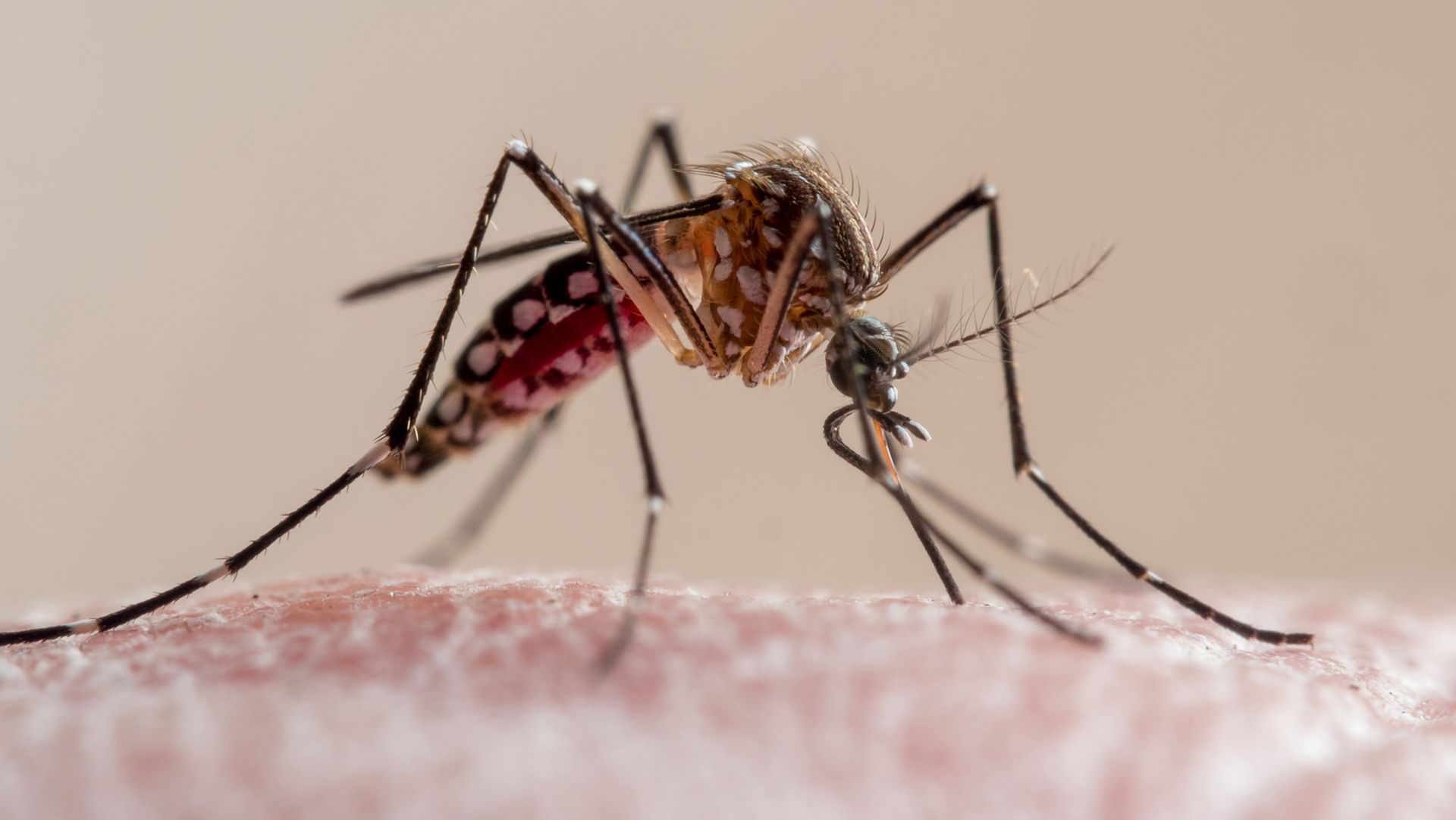
Cases of dengue fever are surging in Florida, spurring several counties to declare a state of emergency.The state has seen 497 reported cases so far this year. Of those, 252, or about 51%, were caught locally, rather than brought to the state by travelers. The Florida Department of Health confirmed one woman's death from dengue fever in early September, marking the state's first known dengue death in almost a century.Prior to the past few years, most dengue cases reported in Florida were the result of travel. In other words, people caught the disease in other countries and then traveled to Florida, where their case was then diagnosed. At 245, the number of travel-related cases reported this ...

📅 2026-10-08 10:00:00    •    Live Science
Healthy reef sounds can boost coral and fish recovery efforts
Science News

Healthy reef sounds can boost coral and fish recovery efforts

Coral reefs are renowned for their visual beauty, but for the marine life they support, their sounds may be just as enticing. Two new studies led by UC San Diego's Scripps Institution of Oceanography reveal how underwater acoustic enrichment—the playback of sounds from healthy reefs—can help spur the recovery of degraded coral reefs and their fish communities.

📅 2026-10-08 09:00:14    •    Phys.org
Solar Orbiter tracks origin of mysterious magnetic switchbacks
Science News

Solar Orbiter tracks origin of mysterious magnetic switchbacks

The European Space Agency–led Solar Orbiter spacecraft has flown through an S-shaped kink known as a "switchback" in the solar wind's magnetic field. By fingerprinting the elusive particles within the switchback, Solar Orbiter has traced its origin back to the sun's surface and revealed more about solar magnetism—the unruly instigator of dangerous solar storms.

📅 2026-10-08 09:00:10    •    Phys.org
OpenAI claims we've entered the AGI era — has GPT-6 Astra really demonstrated general intelligence?
Science News

OpenAI claims we've entered the AGI era — has GPT-6 Astra really demonstrated general intelligence?

OpenAI representatives claim that the recent launch of one of its latest models, GPT-6 Astra, marks the beginning of the artificial general intelligence (AGI) era — a hypothetical scenario in which artificial intelligence (AI) can learn and reason like humans. Following very recent claims from technology executives that we've now reached this milestone, how likely is this claim to stand up to scrutiny?Amid revelations that safety concerns have forced the company to abandon the planned rollout of GPT-6.1 Astra, independent researchers and benchmark creators warn that GPT-6 Astra's record-breaking scores rely on heavy prompt optimization rather than true general intelligence. This comes as exp...

📅 2026-10-08 09:00:00    •    Live Science
As species decline, green turtles offer a glimmer of hope
Science News

As species decline, green turtles offer a glimmer of hope

The palm-sized green turtle hatchling flailing through the sand on a Malaysian island may seem vulnerable, but its species has emerged as a symbol of hope for wildlife conservation.

📅 2026-10-08 08:37:58    •    Phys.org