Science News

Latest science news, discoveries and scientific developments.

Nobel week: light-controlled brains, particles from outer space and mirror molecules
Science News

Nobel week: light-controlled brains, particles from outer space and mirror molecules

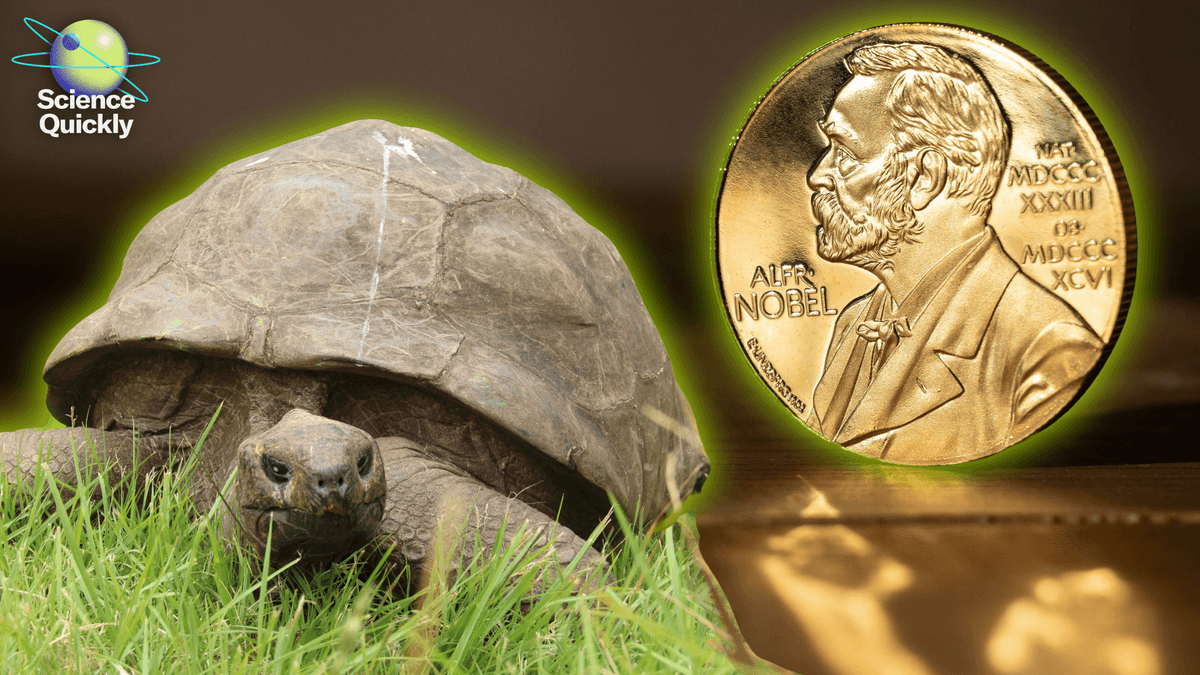
Breaking down this year’s Nobel Prize–winning science, from switching brain cells on and off with light to catching cosmic neutrinos in Antarctic ice to building mirror-image molecules. Plus, a 194-year-old tortoise’s DNA might hold the key to a longer life.

πŸ“… 2026-10-12 04:00:00    β€’    Scientific American
Just 10 minutes of daily exercise could unlock deeper sleep
Science News

Just 10 minutes of daily exercise could unlock deeper sleep

Getting better sleep might be as simple as moving a little more every day. Researchers at The University of Texas at Austin found that people who exercised more frequently experienced more deep, restorative sleep, which is essential for brain recovery, memory, and emotional well-being. Surprisingly, just 10 minutes of moderate to vigorous exercise per day was associated with measurable benefits, while even light activities like walking and standing breaks were linked to better sleep and mood.

πŸ“… 2026-10-12 00:51:31    β€’    ScienceDaily
Wildlife populations have declined 73% since 1970β€”but many of the world's animals still aren't being counted
Science News

Wildlife populations have declined 73% since 1970β€”but many of the world's animals still aren't being counted

Wildlife populations around the world have declined by an average of 73% since 1970. That's according to the WWF's new 2026 Living Planet Indexβ€”a major estimate, updated every two years, of the changing state of nature. This does not mean that 73% of the world's animals have disappeared. Rather, it is the average decline in the size of wildlife populations being monitored.

πŸ“… 2026-10-12 00:30:01    β€’    Phys.org
'DNA Typewriter' records cells' history in developing mouse embryo
Science News

'DNA Typewriter' records cells' history in developing mouse embryo

Scientists have succeeded in reconstructing the family tree of cells in a developing mouse embryo. They recorded cells' relationships, starting when the fertilized egg first split in two and ending after the body and its organs took shape. That period lasted 13.5 days. (Full gestation in mice is 19 to 21 days.)

πŸ“… 2026-10-11 22:20:01    β€’    Phys.org
Scientists discover why a 100-year-old mushroom disease won't go away
Science News

Scientists discover why a 100-year-old mushroom disease won't go away

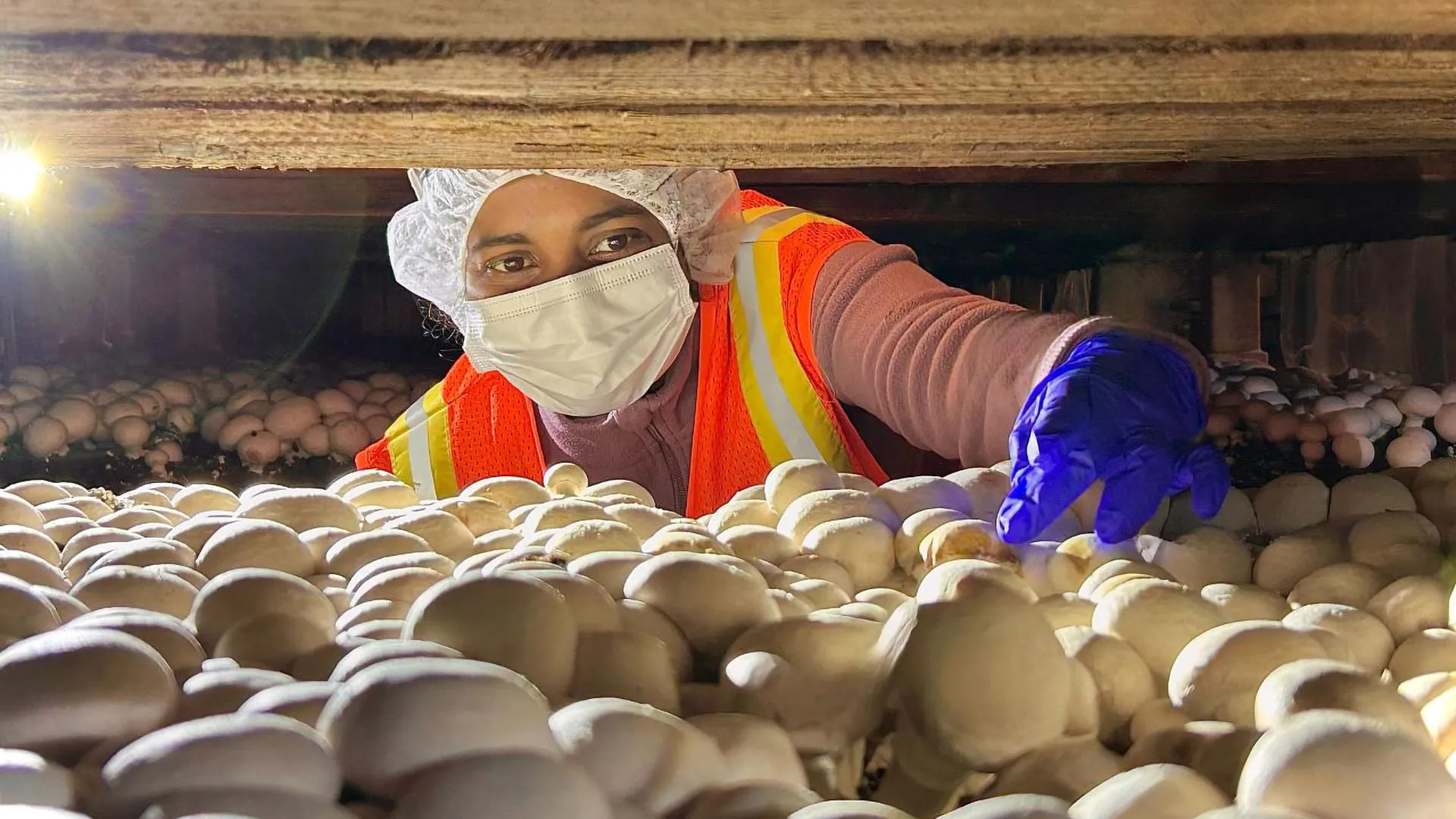
Scientists have uncovered a surprising secret behind a mushroom disease that has frustrated growers for more than a century: It involves more than 17 species of harmful bacteria, not just one. The discovery could explain why treatments have struggled to stop the disease and open the door to more effective, eco-friendly solutions.

πŸ“… 2026-10-11 20:01:25    β€’    ScienceDaily
The hidden math of Alzheimer's could point to new treatments
Science News

The hidden math of Alzheimer's could point to new treatments

Mathematics may hold unexpected clues to understanding Alzheimer’s disease. Scientists have developed a model showing how common metals like copper and zinc may influence the buildup of proteins associated with the disease, while also exploring possible ways to stop the process. The findings could help researchers identify promising strategies for preventing harmful plaque formation.

πŸ“… 2026-10-11 19:24:25    β€’    ScienceDaily
Quantum 'birthmarks' hold lasting traces of a system's past
Science News

Quantum 'birthmarks' hold lasting traces of a system's past

Some classical physical systems can explore many configurations over time until their long-term behavior no longer reveals their starting conditions. The sampling of available configurations according to the appropriate statistical distribution is a property called ergodicity.

πŸ“… 2026-10-11 18:20:01    β€’    Phys.org
New study shows effects of hypoxia in Florida's Banana River
Science News

New study shows effects of hypoxia in Florida's Banana River

A new study by Florida Tech assistant professor of marine sciences Austin Fox, Ph.D. '15, found that low oxygen levels are contributing to the rerelease of nutrients buried on the river floor that feed harmful algal blooms. The study was based on the most widespread testing ever of oxygen levels across the Banana River.

πŸ“… 2026-10-11 18:00:07    β€’    Phys.org
Conservation groups alarmed at marine mammals' deaths in Spain
Science News

Conservation groups alarmed at marine mammals' deaths in Spain

Conservation groups on Sunday condemned the death of a dolphin transferred from France to a Spanish marine park, saying it added to the deaths of other sea mammals recently moved to Spain from Canada.

πŸ“… 2026-10-11 17:31:37    β€’    Phys.org
Scientists make stunning discovery that could help explain why life exists
Science News

Scientists make stunning discovery that could help explain why life exists

Scientists have discovered that the universe's fundamental physical constants may be finely balanced to make life possible. Even tiny changes to these constants could make liquids too thick or too thin for essential biological processes, potentially preventing life as we know it. Surprisingly, these life-friendly conditions existed billions of years before living cells appeared. The findings raise intriguing questions about why the laws of physics seem so well suited to life.

πŸ“… 2026-10-11 16:35:58    β€’    ScienceDaily
At least 4 dead as cyclone Isaias drenches southern U.S.
Science News

At least 4 dead as cyclone Isaias drenches southern U.S.

Four people died in the southeastern United States as post-tropical cyclone Isaias posed flooding and tornado risks Saturday as it moved northward after making landfall on Florida's Gulf Coast.

πŸ“… 2026-10-11 16:20:04    β€’    Phys.org
Jurassic fossil reveals ancient origins of how mammals drink milk
Science News

Jurassic fossil reveals ancient origins of how mammals drink milk

An international team of researchers has uncovered new evidence illuminating the evolutionary origins of one of the defining features of mammals: the ability to suckle and consume milk during infancy. Their findings, published in Nature, suggest that key anatomical structures required for mammalian suckling, swallowing and breastfeeding behaviors evolved nearly 165 million years ago, long before the appearance of modern mammals.

πŸ“… 2026-10-11 16:00:04    β€’    Phys.org
Hurricane Simon strengthens as it nears western Mexico
Science News

Hurricane Simon strengthens as it nears western Mexico

Hurricane Simon strengthened into a powerful Category 4 storm and was expected to make landfall or skirt the coast of west-central Mexico on Sunday, according to the U.S. National Hurricane Center.

πŸ“… 2026-10-11 16:00:01    β€’    Phys.org
South Korea completes trial of Arctic shipping route
Science News

South Korea completes trial of Arctic shipping route

A South Korean container ship returned on Sunday from a trial voyage through the Arctic, testing an alternative route opened by melting sea ice as conflict in the Middle East disrupts global shipping.

πŸ“… 2026-10-11 15:40:02    β€’    Phys.org
NASA spots a giant patch of Moon-like rock on Earth
Science News

NASA spots a giant patch of Moon-like rock on Earth

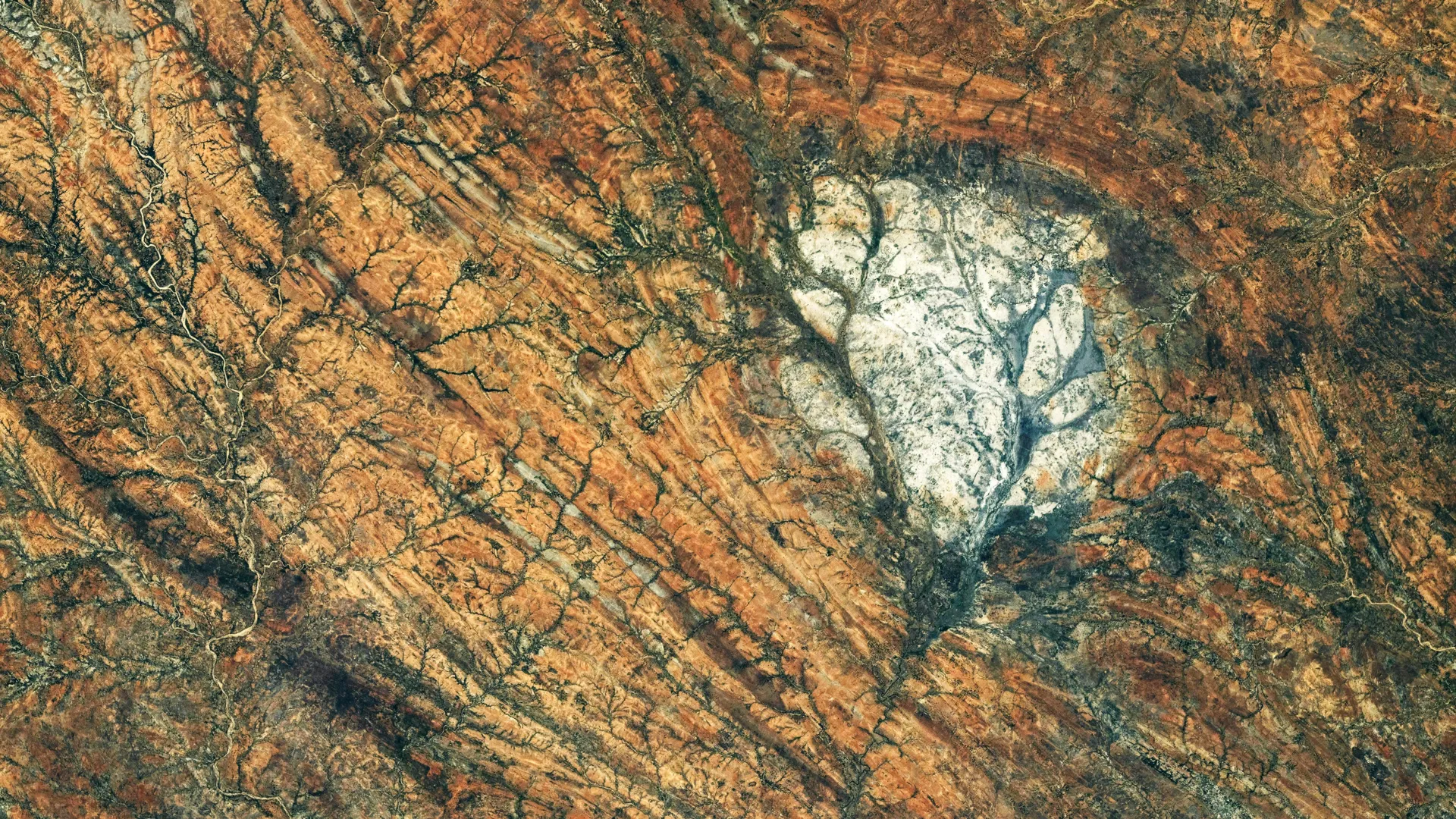
An astronaut aboard the International Space Station photographed a remarkable formation in Madagascar that looks surprisingly similar to the Moon’s bright highlands. Made of anorthosite, a rock abundant on the lunar surface, the formation dates back at least 600 million years and bears the scars of ancient continental collisions.

πŸ“… 2026-10-11 15:30:06    β€’    ScienceDaily
New injection makes fat cells self-destruct
Science News

New injection makes fat cells self-destruct

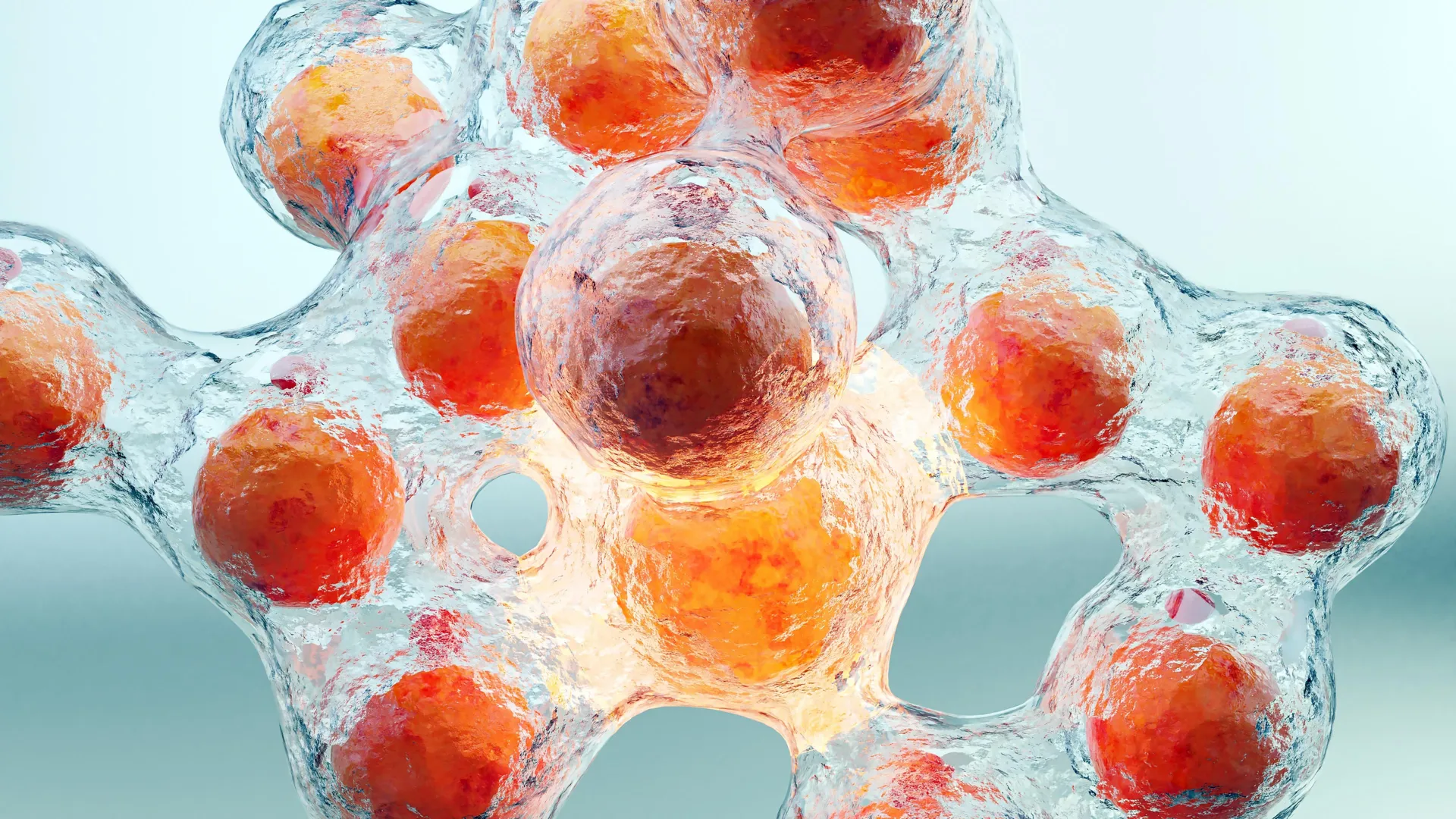
Scientists have developed an experimental injection that destroys fat cells and significantly reduces dangerous belly fat, potentially opening a new path to treating obesity. Early research also suggests it could help prevent the weight regain that often follows stopping popular weight loss drugs like Ozempic and Wegovy.

πŸ“… 2026-10-11 15:08:28    β€’    ScienceDaily
New algorithm could predict Arctic sea ice up to 9 months ahead, offering new climate insights
Science News

New algorithm could predict Arctic sea ice up to 9 months ahead, offering new climate insights

Researchers at the Mubadala Arabian Center for Climate and Environmental Sciences (ACCESS) at NYU Abu Dhabi have developed a new algorithm that can forecast Arctic sea ice extent up to nine months in advance, offering a new way to anticipate changes in the Arctic that can affect the global climate system. The research is published in the journal Scientific Reports.

πŸ“… 2026-10-11 13:00:01    β€’    Phys.org
Spinach nanoparticles help failing rat hearts via 'borrowed photosynthesis'
Science News

Spinach nanoparticles help failing rat hearts via 'borrowed photosynthesis'

A spinach leaf can turn light into chemical energy. A struggling heart cannot. Researchers in China have brought part of the leaf's energy-making machinery into rat heart cells to test whether borrowed photosynthesis could help an overworked heart.

πŸ“… 2026-10-11 11:40:01    β€’    Phys.org