Science News
These worms move faster when you give them less space
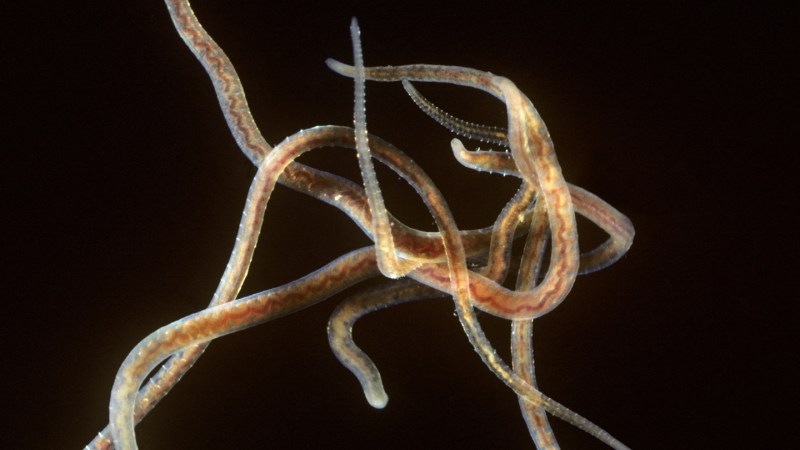
California blackworms can squeeze through narrow channels faster than they can wriggle across wide ones, a finding that may help with robot design.
Latest science news, discoveries and scientific developments.
California blackworms can squeeze through narrow channels faster than they can wriggle across wide ones, a finding that may help with robot design.

Many people struggle to sleep enough at night. Surprisingly, science cannot say if adding in a nap to sleep in two blocks is healthy.

Two widely used zero-calorie sweeteners, sucralose and stevia, may have effects that linger far longer than the sweet taste itself. In mice, researchers found that both sweeteners altered the gut microbiome, reduced beneficial compounds produced by gut bacteria, and changed the activity of genes involved in metabolism and inflammation. Some of those changes were also detected in later generations that had never consumed the sweeteners themselves.
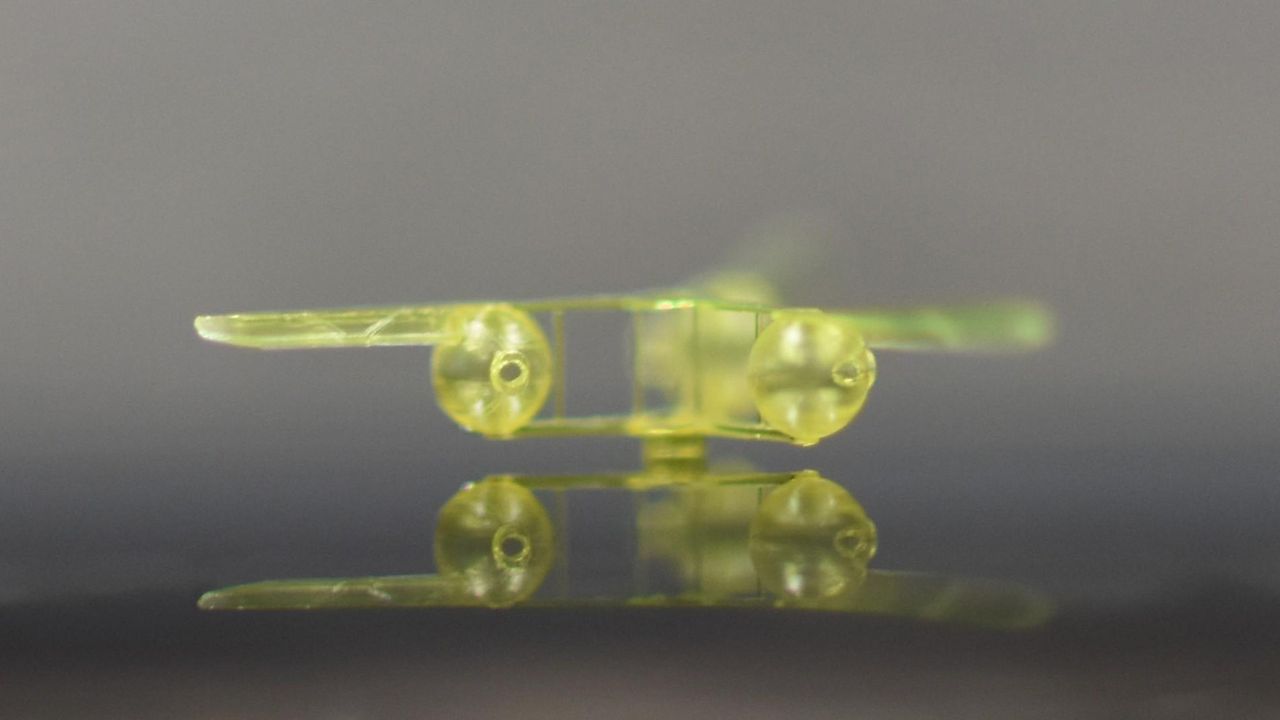
A century-old trick for tuning musical instruments has been repurposed to power robots that fly, float and steer themselves using nothing but sound waves.
Alcohol-related liver disease may trap damaged liver cells in a regenerative limbo, preventing the organ from rebuilding itself even after drinking stops. Researchers linked the problem to inflammation-driven RNA errors and identified a pathway that could potentially be targeted to restore liver repair.
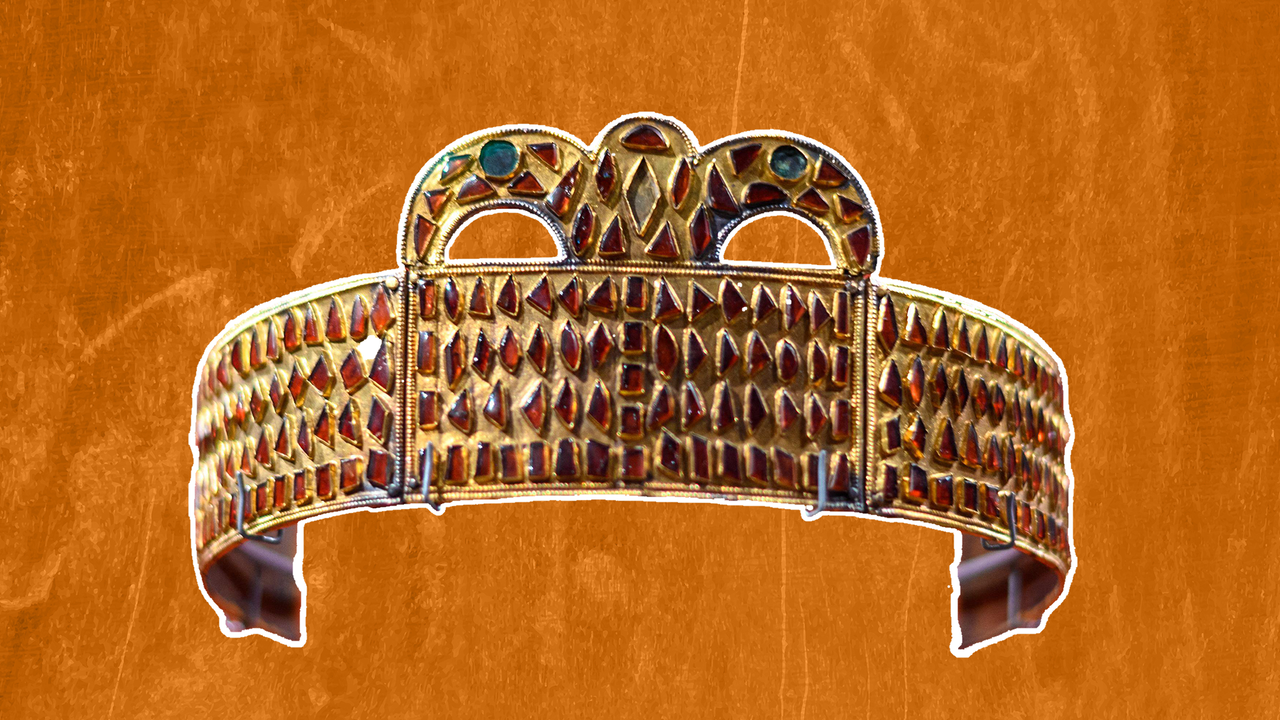
This crown depicts two birds of prey and was discovered in the grave of a fifth-century noblewoman in Crimea.
NASA’s Nancy Grace Roman Space Telescope is on a mission to probe dark energy, hunt for distant worlds and transform our view of the universe
NASA’s Roman Space Telescope has launched on a million mile journey to L2, where it will scan huge portions of the cosmos for clues about dark matter, dark energy, and distant worlds. With survey speeds roughly 1,000 times faster than Hubble and a torrent of 1.4 terabytes of data per day, Roman could uncover cosmic surprises astronomers have never seen before.
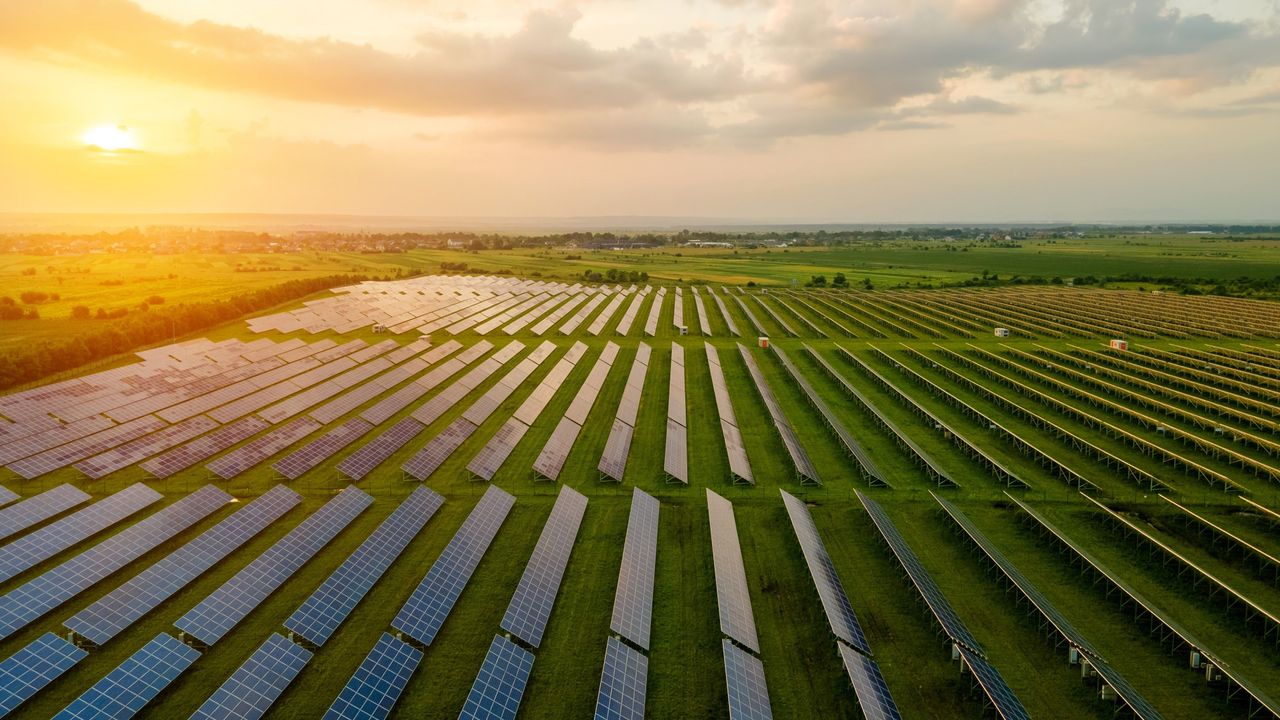
A new model simulates the benefits of agrivoltaic farming, in which solar panels and crops share the same land.
In its hunt for dark matter, the XENONnT experiment has detected the rare, feeble glow of neutrinos smacking into electrons
Fossils are selling for tens of millions of dollars at auction. But why are the ancient creatures the hot new thing for the ultrarich?
Adults aged 40 and older performed about 12% faster on a test of executive function after using a HEPA air purifier at home for one month. The findings suggest that cleaner indoor air could offer a simple way to help protect the brain from the effects of traffic-related pollution.

Proposed federal rule changes would eliminate the requirement for public feedback and consultation with key parties like Tribal Nations and ultimately lead to the destruction of much of our cultural heritage. There's still time to weigh in, says archaeologist Joe Watkins.
The Nancy Grace Roman Telescope will probe dark matter and dark energy, discover exoplanets and study stars
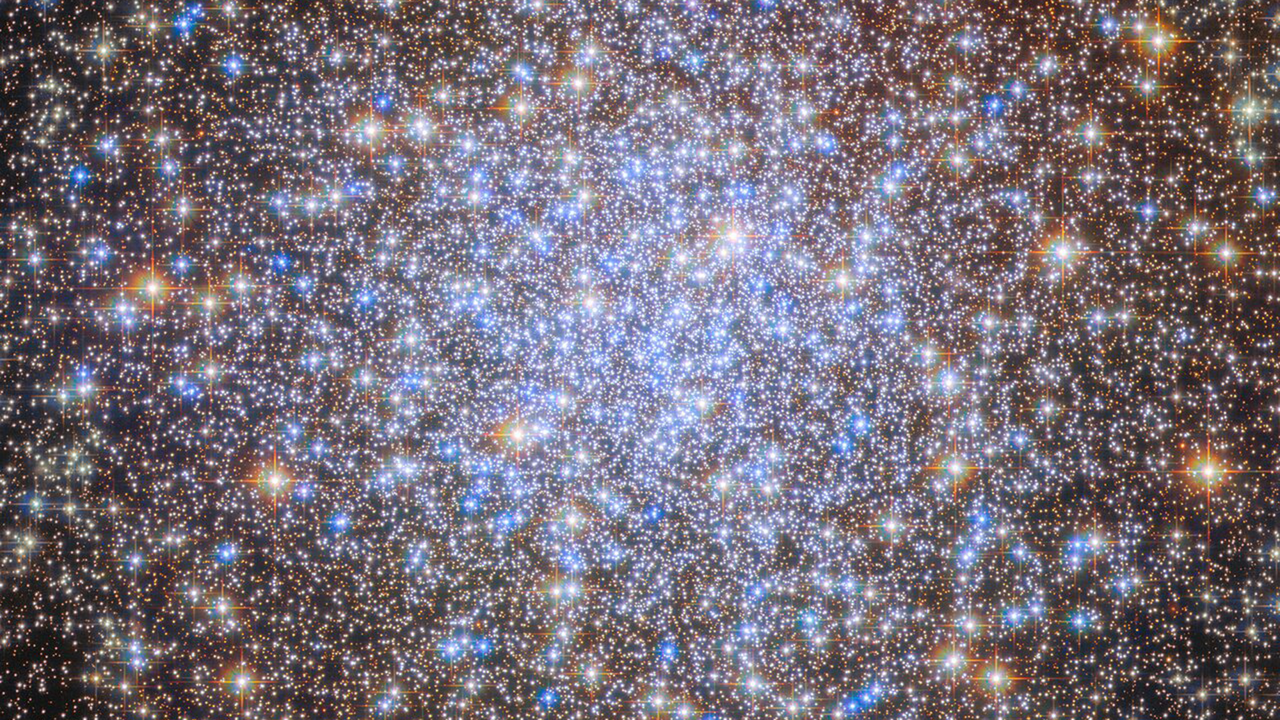
A dazzling new Hubble image of NGC 6723 poses one of astronomy's biggest questions: How did the Milky Way's oldest star clusters form?
Our obsession with ‘maxxing’ every aspect of our lives could actually be stressing us out

While Earth's atmosphere protects us from harmful cosmic rays, other cosmic particles are passing through us every second.
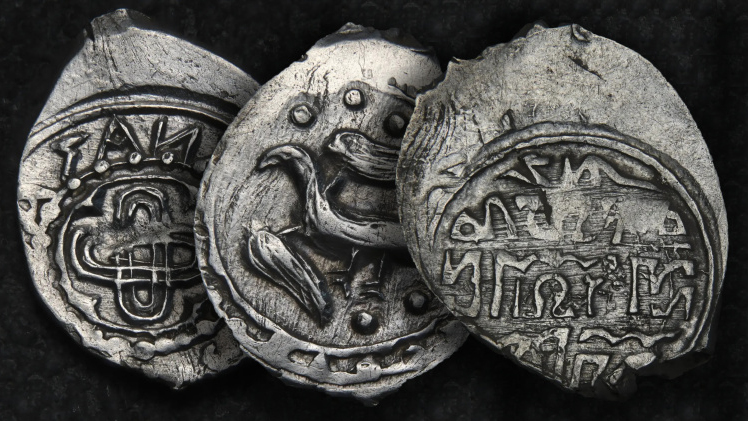
A hoard of silver coins has been unearthed near Moscow, revealing new information about money minting in the 15th century.

Are you worried about extreme heat? Live Science readers reveal their thoughts about Earth's rising temperatures.
The Roman Space Telescope will spend more than a quarter of its time staring at the Milky Way’s bulge, a star-packed central region of our galaxy that may swarm with small, rocky exoplanets