Science News

Latest science news, discoveries and scientific developments.

AI D-Day weather forecast falters under pressure
Science News

AI D-Day weather forecast falters under pressure

Today's best weather computers would still have struggled to accurately predict the weather for the D-Day landings, University of Reading research shows. The new research, published in the journal Weather ahead of the release of the D-Day film "Pressure," used AI models to produce 50 different forecasts of the storm that famously pushed back the Allies' invasion of Normandy in June 1944.

📅 2026-09-09 08:24:58    •    Phys.org
Calculative mindsets linked to greater willingness to bend moral rules
Science News

Calculative mindsets linked to greater willingness to bend moral rules

In new research in the PsyCh Journal, people who tended to analyze experiences as mathematical cost-benefit problems were more likely to ignore moral rules. This tendency was associated with a greater willingness to make ethical compromises for money or status, as well as to accept immoral help when it benefited them.

📅 2026-09-09 07:10:04    •    Phys.org
“Parachute science” is failing the tropics, home to more than 80% of insect species
Science News

“Parachute science” is failing the tropics, home to more than 80% of insect species

Insects quietly hold much of the natural world together, yet conservation efforts are overlooking the tropical regions where more than 80 percent of insect species live. Monash University researchers have developed a global framework to close this gap by combining scientific studies with museum collections, local expertise, citizen science, social media records, and new technologies.

📅 2026-09-09 06:30:55    •    ScienceDaily
Chinese scientists find a hidden atomic structure that unlocks methane
Science News

Chinese scientists find a hidden atomic structure that unlocks methane

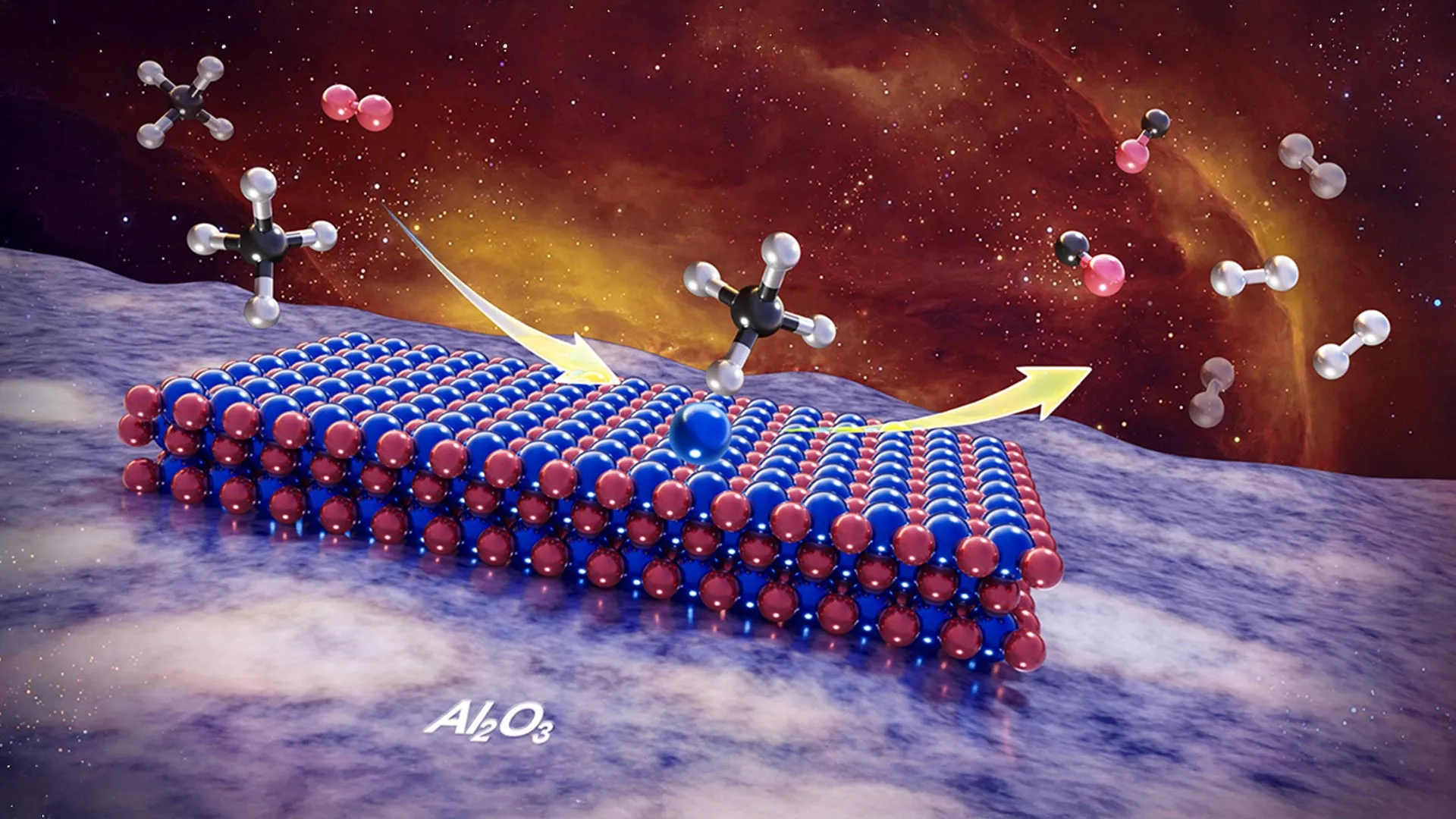
Scientists found that a tiny atomic structure that forms on nickel oxide during methane conversion is more effective than the metallic nickel long believed to drive the reaction. The discovery allowed a low-nickel catalyst to rival one containing 10 times more metal, potentially opening the door to cheaper and more efficient industrial catalysts.

📅 2026-09-09 05:33:42    •    ScienceDaily
Geologists reveal the Americas collided millions of years earlier than thought
Science News

Geologists reveal the Americas collided millions of years earlier than thought

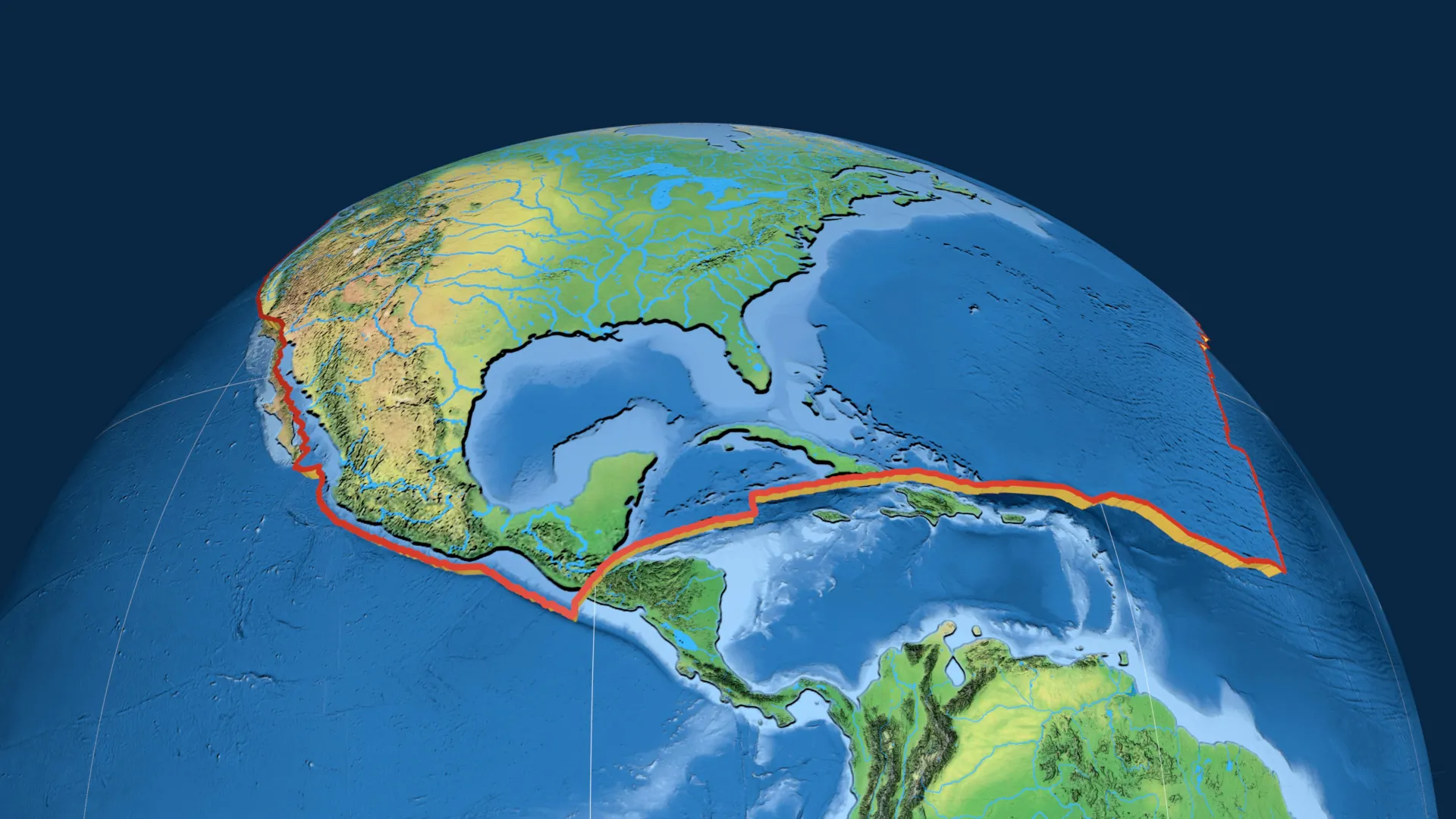
Volcanic rocks in Colombia are rewriting the timeline of the collision between Central and South America. Their magnetic signatures show that major tectonic deformation had already weakened by the late Miocene, suggesting the most intense collision occurred earlier than previously believed.

📅 2026-09-09 04:35:01    •    ScienceDaily
GPS collars reveal secrets of the power struggle between lions and hyenas in the wild
Science News

GPS collars reveal secrets of the power struggle between lions and hyenas in the wild

Hidden deep in the bush, ranging over huge territories at speeds humans can't match and through terrain not even the most rugged vehicle can handle, hyenas and lions are hard to study. Now, new research using GPS collars to map the movements of individual animals has revealed crucial information about the relationship between these competing carnivore species. We've long assumed that hyenas simply shadow lions for scraps, but these findings show that when they encounter each other, it's the lions, especially males, that approach hyenas, and the hyenas that give way.

📅 2026-09-09 04:00:01    •    Phys.org
Dark energy debunked? Cosmic acceleration may be an illusion
Science News

Dark energy debunked? Cosmic acceleration may be an illusion

A new analysis of more than 1,700 supernovae is questioning whether the universe is really accelerating at all. After accounting for the ages of the stars that produce these explosions, researchers found signs that cosmic expansion may actually be slowing. They also argue that the apparent acceleration changes with direction, which would be difficult to explain with dark energy. Other cosmologists dispute the conclusion, setting up a major test for upcoming observatories.

📅 2026-09-09 03:59:08    •    ScienceDaily
Astronomers detect ancient hydrogen signal that could help map the Universe
Science News

Astronomers detect ancient hydrogen signal that could help map the Universe

Astronomers have detected an exceptionally faint hydrogen radio signal from billions of light-years away using South Africa’s MeerKAT telescope. Instead of finding galaxies one at a time, the technique measures their combined hydrogen glow across enormous stretches of space. The successful detection shows that astronomers may soon be able to create much larger 3D maps of the Universe.

📅 2026-09-09 03:06:55    •    ScienceDaily
Grooming-related messages reach almost two-thirds of children
Science News

Grooming-related messages reach almost two-thirds of children

Nearly two-thirds of Australian children surveyed in a recent study received at least one form of grooming-related communication from a stranger online in the past year, while almost one-third reported receiving direct requests for sexual information or interactions.

📅 2026-09-09 03:00:01    •    Phys.org
A vicarious calibration model enables quantitative applications of Fengyun-3 satellite ocean color data
Science News

A vicarious calibration model enables quantitative applications of Fengyun-3 satellite ocean color data

Ocean color remote sensing is a vital tool for monitoring global ocean carbon sinks and primary productivity. However, the on-orbit calibration accuracy of satellite sensors is insufficient, and weak marine signals account for only approximately 10% of the signals received by satellites, leading to significant uncertainties in ocean color remote-sensing applications.

📅 2026-09-09 02:20:02    •    Phys.org
New computational method pushes cryo-electron microscopy beyond traditional resolution limits
Science News

New computational method pushes cryo-electron microscopy beyond traditional resolution limits

Cryo-electron microscopy (cryo-EM) has become a powerful tool for determining the structures of proteins, viruses and molecular complexes at near-atomic resolution. However, achievable resolution is fundamentally limited by the Nyquist sampling frequency, which is determined by detector pixel size and microscope magnification. Once this physical limit is reached, researchers typically must recollect data at higher magnification, requiring additional microscope time, increased storage capacity and often fewer particles per image.

📅 2026-09-09 01:40:03    •    Phys.org
Tiny backpacks reveal the secret, sometimes circuitous migrations of small songbirds
Science News

Tiny backpacks reveal the secret, sometimes circuitous migrations of small songbirds

Squinting through my binoculars, I scanned the dense branches of a black spruce, trying my best to catch a glimpse of the thin legs of a small black, white and yellow songbird. I was on the hunt for a yellow-rumped warbler—a bird affectionately called "butter-butt" by birdwatchers after the distinctive buttery yellow patch of feathers above its tail.

📅 2026-09-09 01:20:03    •    Phys.org
Why a wetter Tibetan Plateau still faces 'hot-dry' extremes: The roles of ENSO and the North Atlantic
Science News

Why a wetter Tibetan Plateau still faces 'hot-dry' extremes: The roles of ENSO and the North Atlantic

Since the 1950s, the Tibetan Plateau has experienced pronounced warming and wetting. However, an overall shift toward wetter conditions does not necessarily mean that drought risk has diminished. On the contrary, against the backdrop of continued warming, compound hot-dry events—characterized by the simultaneous occurrence of high temperatures and drought—have become an increasingly important climate risk across the plateau.

📅 2026-09-09 01:00:01    •    Phys.org
Some black holes grow much faster than their galaxies
Science News

Some black holes grow much faster than their galaxies

Nearly every galaxy has a supermassive black hole. The few that don't have had theirs ejected during a galactic collision. That's because galaxies and their black holes have formed hand in hand. There is still some debate as to whether galaxies formed around the seeds of supermassive black holes or the other way around, but there is plenty of evidence to support the idea that the two evolve together.

📅 2026-09-09 00:40:01    •    Phys.org
Caffeine may flip an ancient cellular switch linked to slower aging
Science News

Caffeine may flip an ancient cellular switch linked to slower aging

Scientists found that caffeine activates an ancient cellular energy system involved in stress resistance, DNA repair, and growth. The discovery could help explain caffeine’s links to healthier aging and may point toward new ways to target the same pathway.

📅 2026-09-09 00:28:13    •    ScienceDaily