Science News

Latest science news, discoveries and scientific developments.

Scientists create brilliant white material without a drop of white pigment
Science News

Scientists create brilliant white material without a drop of white pigment

Researchers have created a foam-based material that produces intense whiteness and water repellency without titanium dioxide pigments or PFAS chemicals. Inspired by natural structures in snow, clouds, flowers, and lotus leaves, the material uses tiny pores to scatter light while its rough surface repels water. The technology could offer a more sustainable way to make white, water-resistant everyday materials.
📅 2026-09-10 12:22:11    •    ScienceDaily
Powerful new AI model will map the moon's surface in more detail than ever, NASA and IBM scientists say
Science News

Powerful new AI model will map the moon's surface in more detail than ever, NASA and IBM scientists say

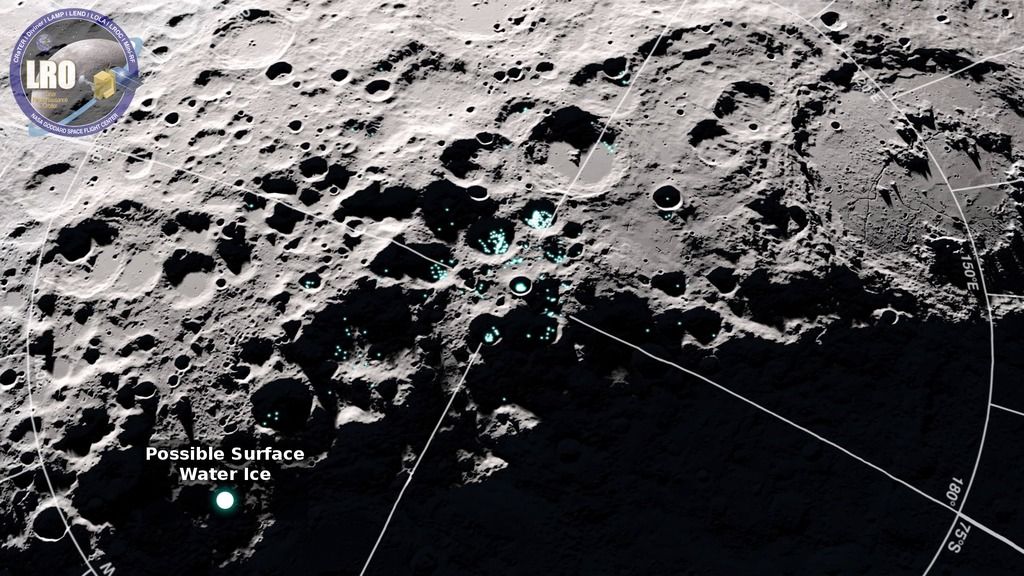
IBM and NASA have partnered to create a new artificial intelligence (AI) model capable of processing decades of lunar data so scientists can more accurately map the moon's surface one day. Decades of robotic lunar missions have left scientists with a massive, disjointed trove of data. Traditionally, this data has been parsed by limited transformer models such as SwinV2-B, created in 2022 as a general-purpose model to understand images and improve accuracy on photo recognition and related vision tasks. Spacecraft orbiting the moon captured this data using a mismatched array of sensors, without an accessible way to analyze or utilize it.Specifically, images from high-resolution optical cameras...

📅 2026-09-10 12:00:00    •    Live Science
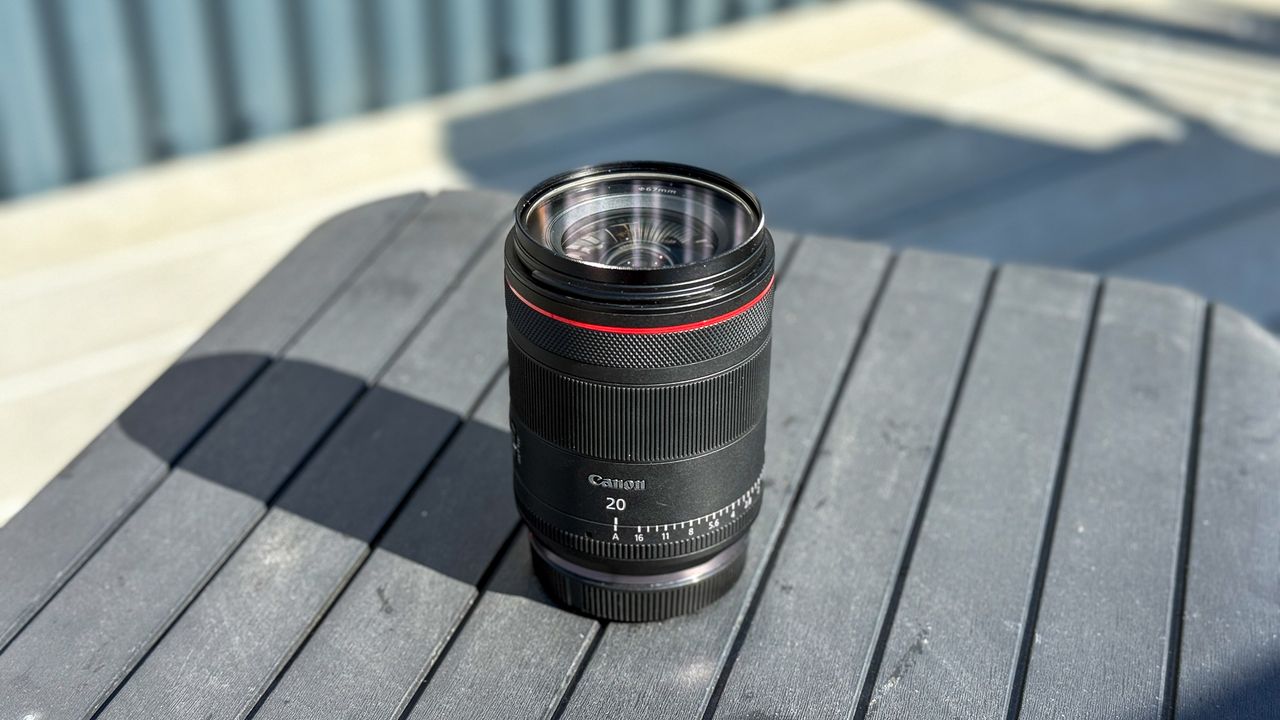
Canon RF 20mm f/1.4L VCM review: Wide, bright and built for the dark
Science News

Canon RF 20mm f/1.4L VCM review: Wide, bright and built for the dark

The Canon RF 20mm f/1.4L VCM is an intriguing lens for photographers who want a wide field of view without sacrificing aperture. Its f/1.4 maximum aperture makes it particularly appealing for astrophotography, while the 20mm focal length offers plenty of room for landscapes, architecture and other wide-view scenes.We took the lens out to the dark skies of Wales to photograph the night sky and the Perseids, giving it a real-world test in some of the best conditions we could find. With a premium L-series build and a price tag to match, there's a lot to consider before adding this lens to your kit. We wanted to find out how it actually performs in the real world, and whether it's worth the inve...

📅 2026-09-10 11:00:00    •    Live Science
Archaeologists find a 3,000-year-old Egyptian tomb before it’s too late
Science News

Archaeologists find a 3,000-year-old Egyptian tomb before it’s too late

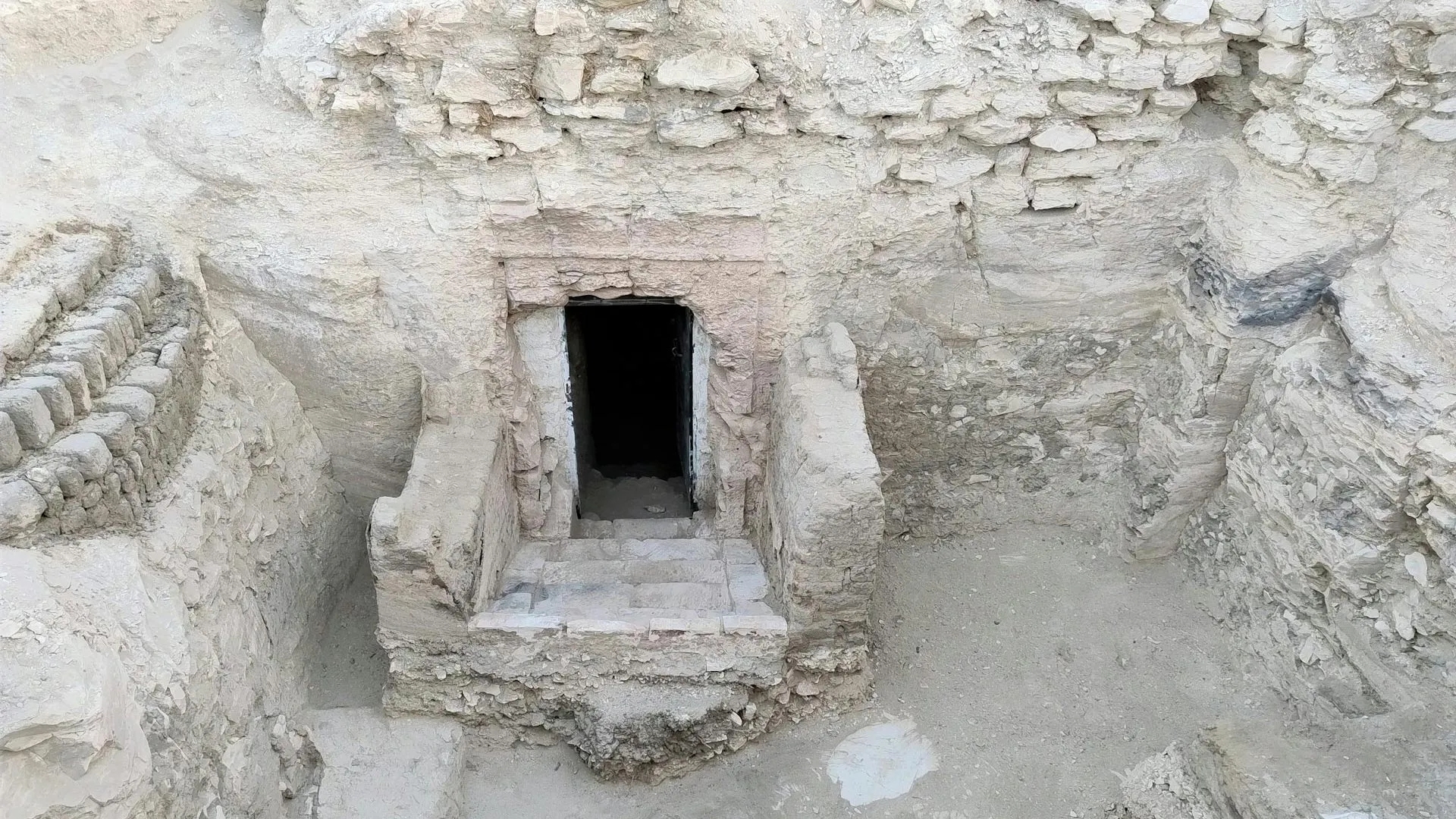
While clearing debris to protect ancient Egyptian tombs from flash floods, researchers near Luxor stumbled upon an unknown 3,000-year-old tomb. Its remarkably preserved paintings depict an official named Paser, his wife, religious scenes, and offerings of food and flowers. The discovery comes as climate-driven flooding poses a growing threat to these fragile remains.

📅 2026-09-10 10:35:52    •    ScienceDaily
A Harvest Moon with 5 planets on the side: September is the best month for stargazing, ‪and this year is extra special
Science News

A Harvest Moon with 5 planets on the side: September is the best month for stargazing, ‪and this year is extra special

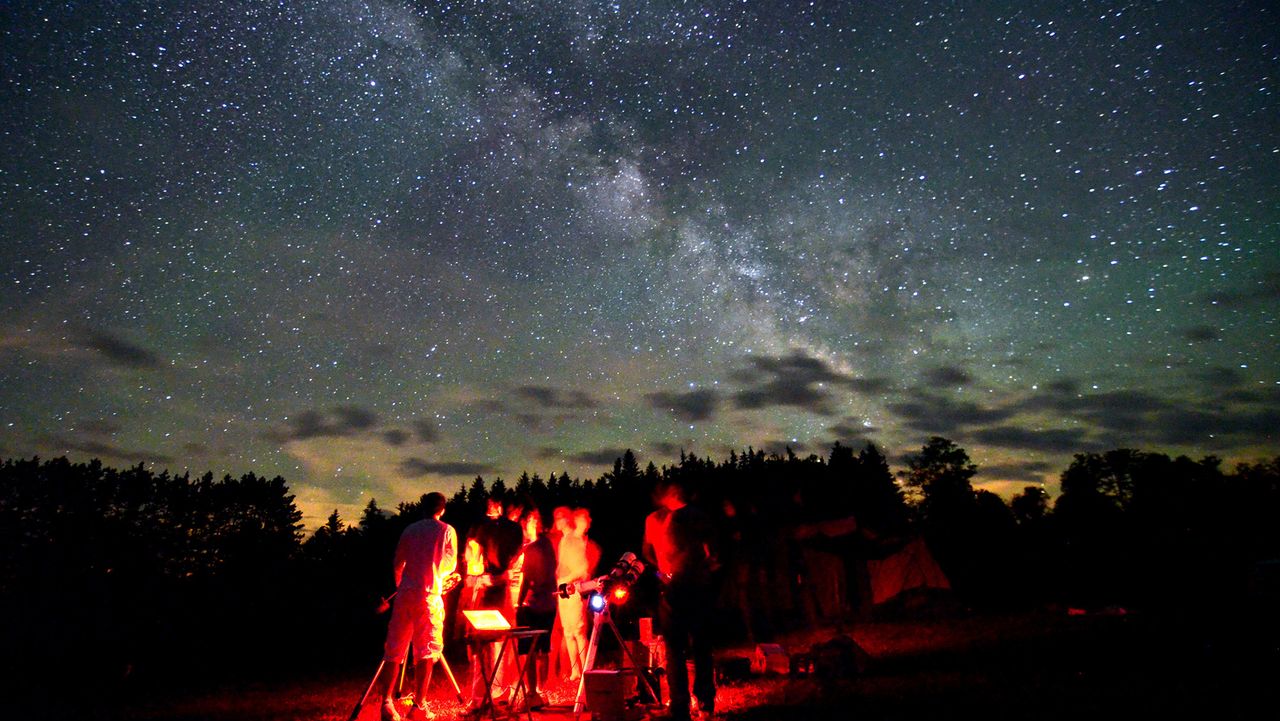
There may be no better month to get outside and look at the stars than September, when warm evenings meet rapidly lengthening nights, the Milky Way remains visible overhead, and the changing seasons can increase your chances of seeing the northern lights.For stargazers in the Northern Hemisphere, summer presents an obvious problem: Darkness arrives late. By September, however, sunset is getting noticeably earlier each evening, providing far more time under dark skies with mild weather in most locations. Days can still feel summery, while nights tend to remain pleasant enough to spend hours outside with a pair of stargazing binoculars or a good backyard telescope. The only challenge is findin...

📅 2026-09-10 10:00:00    •    Live Science
Ancient teeth reveal humans were getting high 25,000 years ago
Science News

Ancient teeth reveal humans were getting high 25,000 years ago

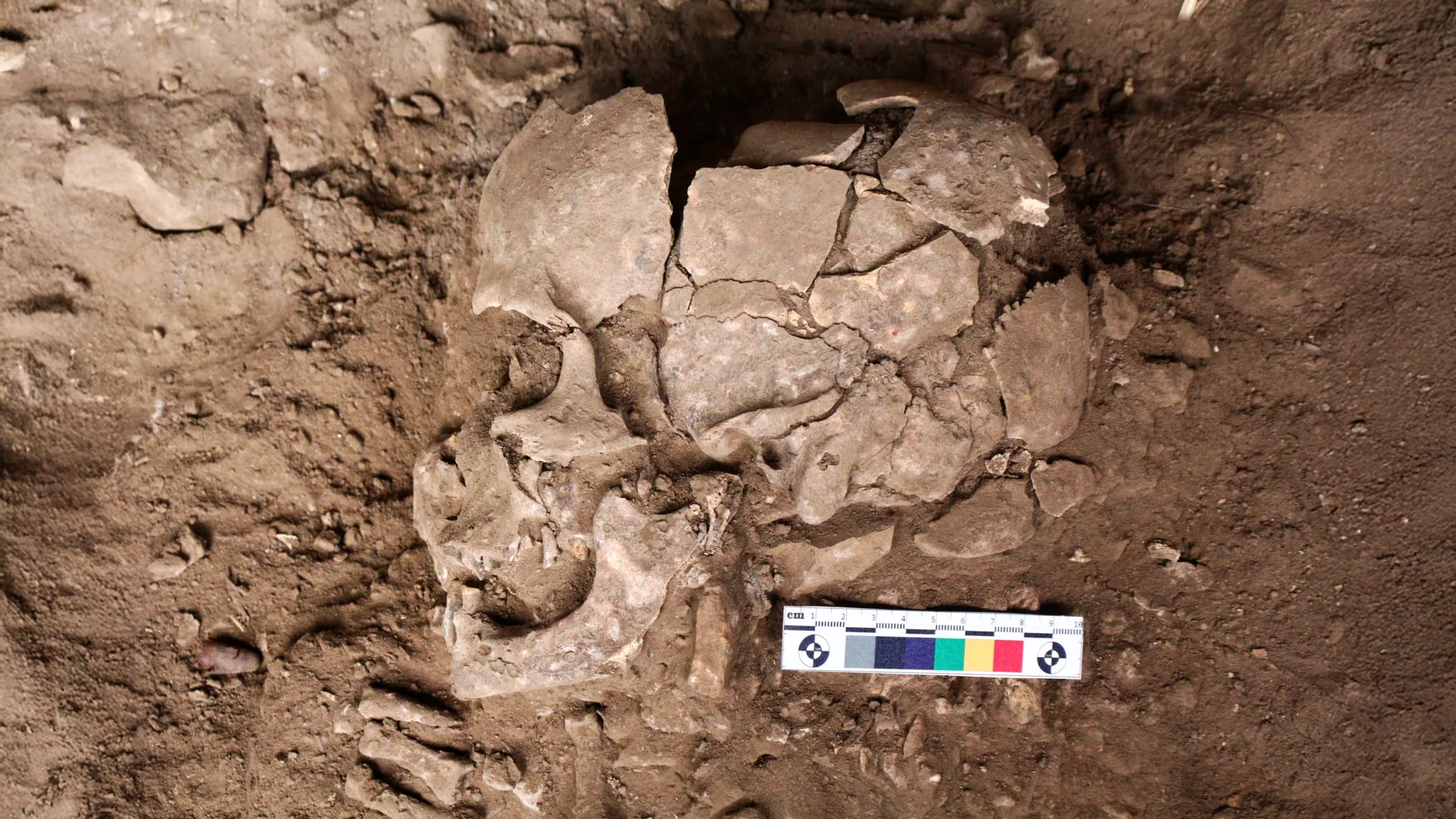
Ancient human remains from Sulawesi suggest people were habitually using the psychoactive betel nut as far back as 25,000 years ago. Researchers found both unusual tooth wear and traces of arecoline, the nut’s mind-altering compound, in the teeth of prehistoric hunter-gatherers. The practice may have started partly as pain relief for toothaches, but prolonged use severely damaged their teeth. The discovery could represent the earliest known evidence of habitual drug use anywhere in the world.

📅 2026-09-10 07:58:25    •    ScienceDaily
UNESCO warns there’s close to a 100% chance of a Mediterranean tsunami
Science News

UNESCO warns there’s close to a 100% chance of a Mediterranean tsunami

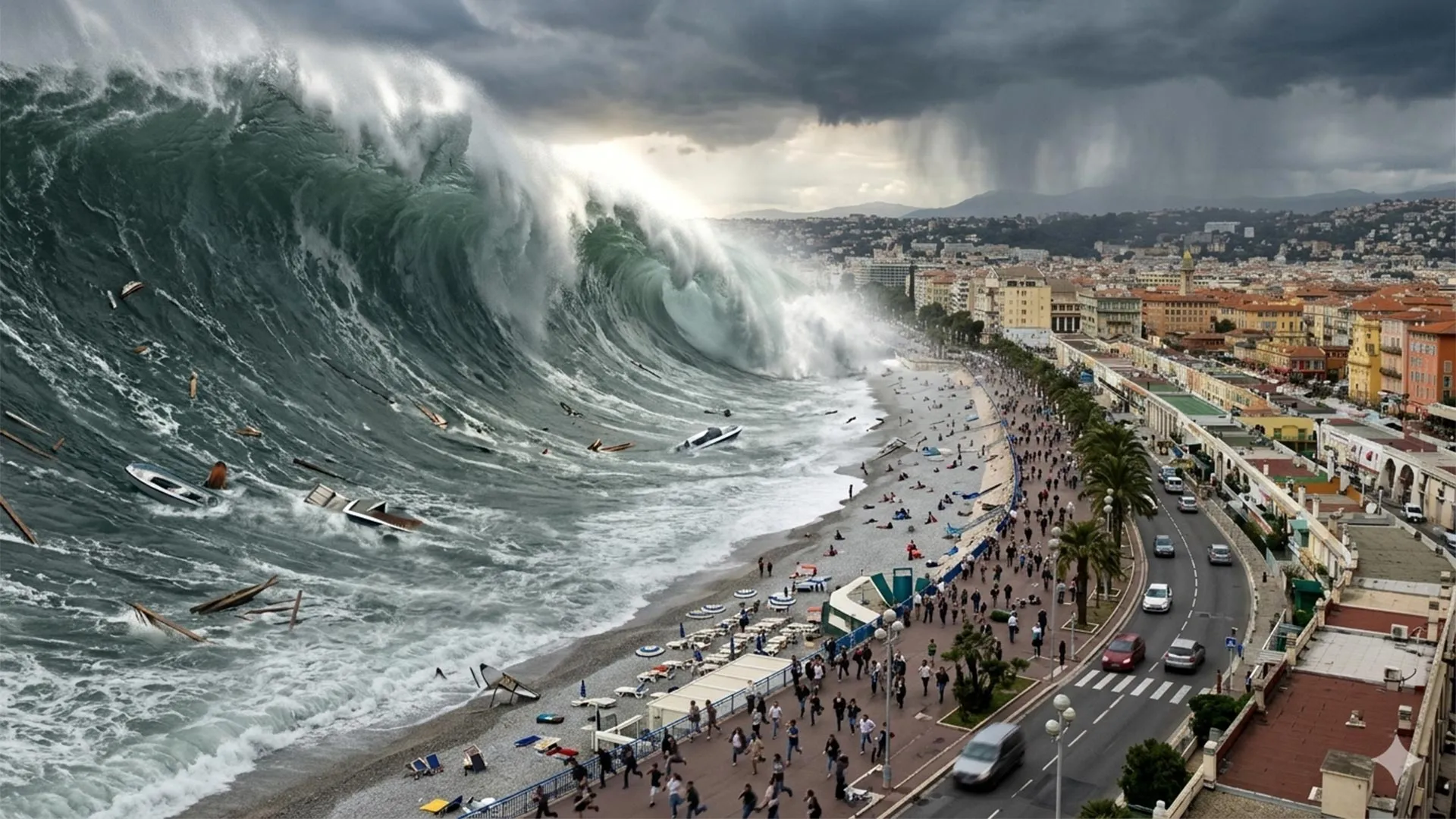
The Mediterranean may seem far removed from the world’s major tsunami zones, but history and modern modeling show that destructive waves can strike the French Riviera with surprisingly little warning. Some tsunamis could reach shore in under 10 minutes, while past events have produced waves around two meters high, powerful currents, damage, and deaths.

📅 2026-09-10 06:35:49    •    ScienceDaily
DNA treatment cuts bad cholesterol by nearly 50% without statins
Science News

DNA treatment cuts bad cholesterol by nearly 50% without statins

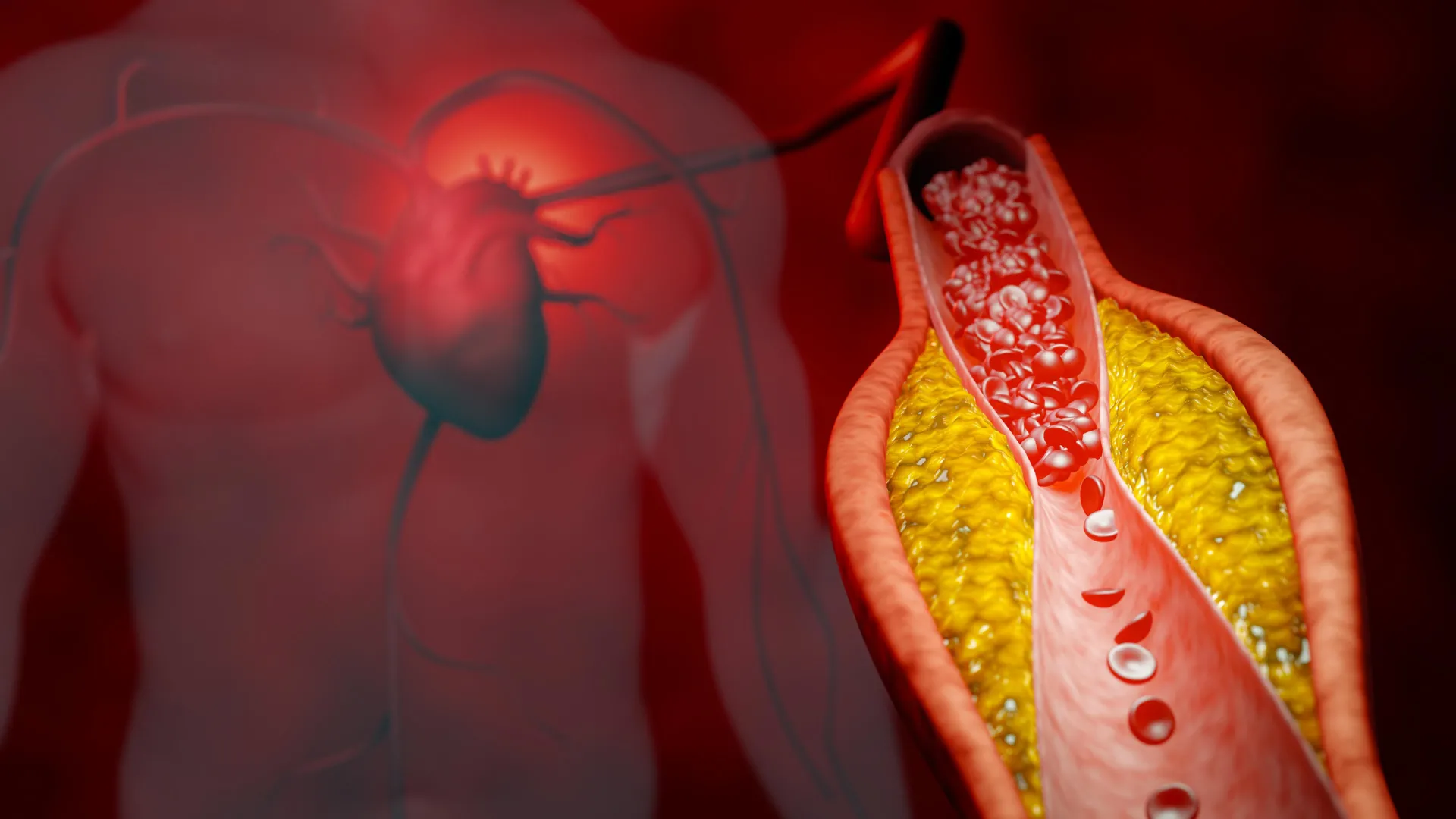
Researchers have designed a new DNA-based treatment that targets PCSK9, a protein closely tied to high LDL cholesterol and atherosclerosis. Their most effective molecule reduced PCSK9 protein by 87% in human liver cells and lowered cholesterol by 47% in genetically modified mice after a single injection.

📅 2026-09-10 03:44:05    •    ScienceDaily
One sugary drink a day linked to more than double the risk of stomach cancer
Science News

One sugary drink a day linked to more than double the risk of stomach cancer

People who drank at least one sugar-sweetened beverage a day had roughly 2.45 times the risk of gastric cancer compared with those who rarely consumed them, according to a decades-long study of more than 112,000 U.S. adults. Artificially sweetened drinks showed no similar association, though researchers stress that the findings do not prove sugary beverages cause cancer.

📅 2026-09-10 02:56:17    •    ScienceDaily
400,000-year-old teeth reveal a hidden link in human evolution
Science News

400,000-year-old teeth reveal a hidden link in human evolution

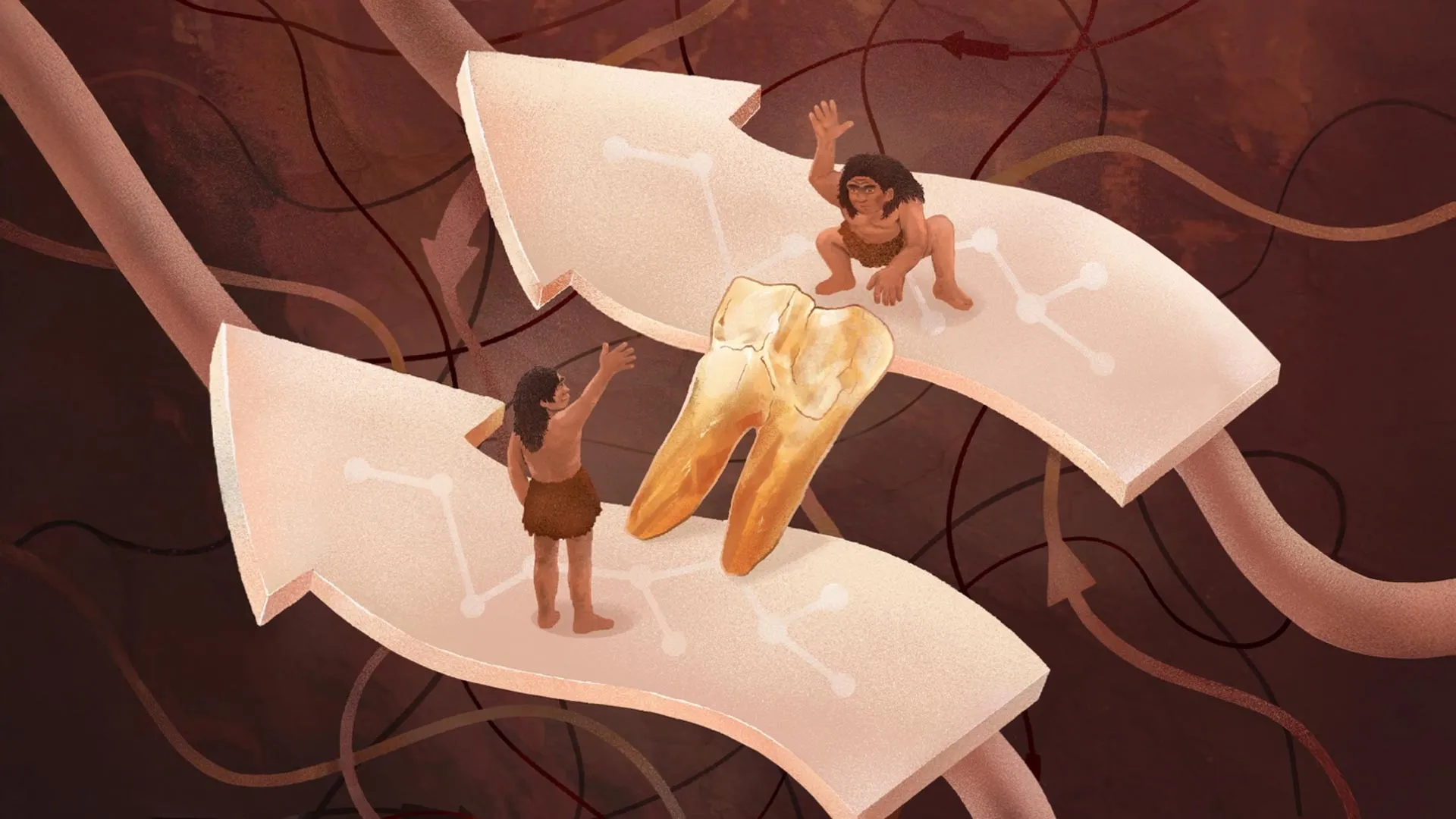
More than 400,000-year-old Homo erectus teeth from China may reveal a surprising link between this ancient human species, Denisovans, and some modern people. Scientists found protein mutations suggesting several East Asian Homo erectus populations belonged to the same evolutionary group, including one mutation previously associated with Denisovans. That variant may have passed from Homo erectus into Denisovans and eventually reached modern populations in Southeast Asia and Oceania.

📅 2026-09-10 02:18:08    •    ScienceDaily
Raindrops can damage paint with microscopic “lightning”
Science News

Raindrops can damage paint with microscopic “lightning”

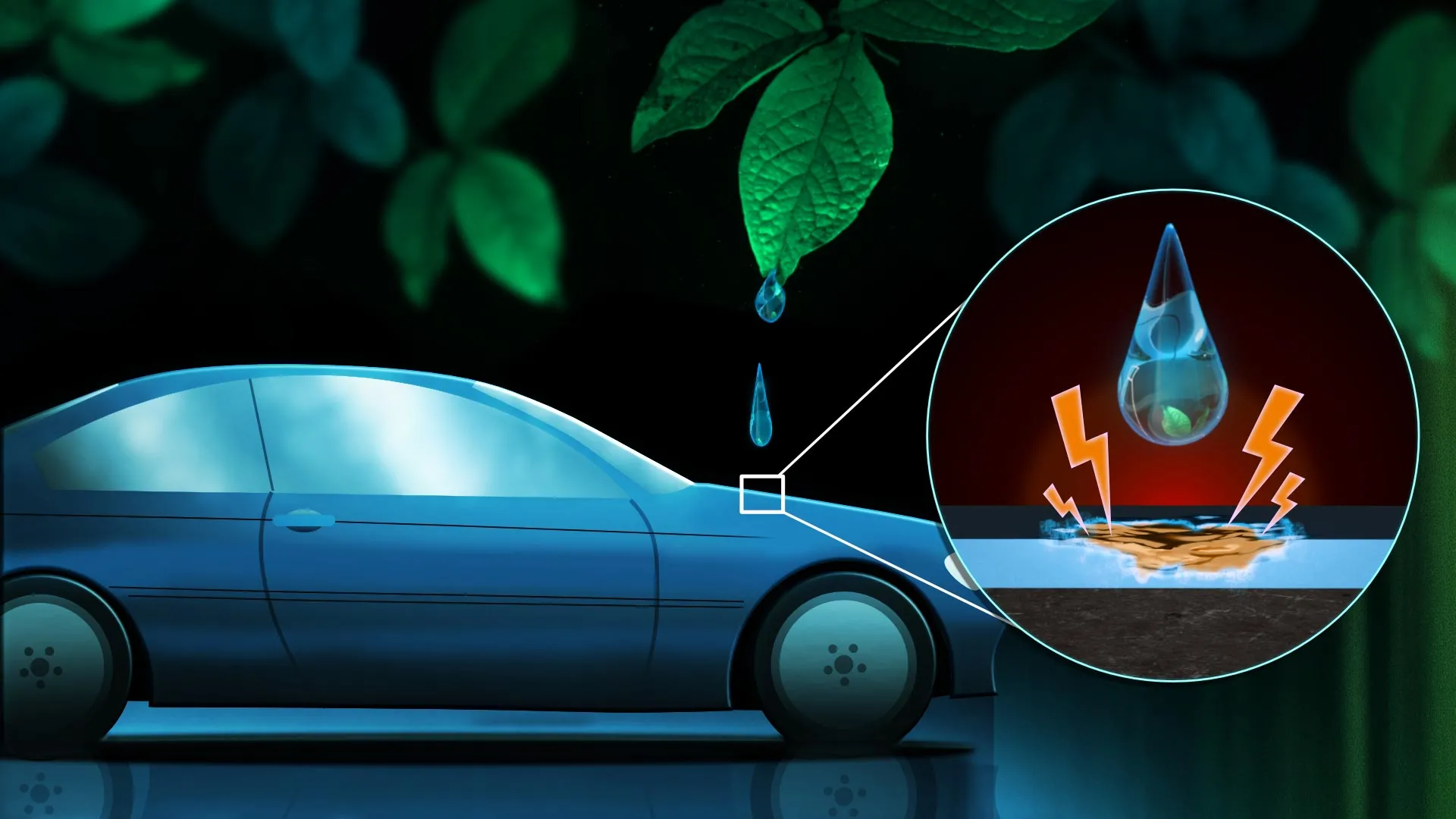
Scientists discovered that charged water droplets can damage protective coatings by releasing tiny electrical discharges when they hit a surface. The hidden effect could help explain weathering and lead to tougher coatings for cars, bridges, buildings, and more.

📅 2026-09-10 00:44:47    •    ScienceDaily
Unconventional quantum materials could dramatically boost the search for dark matter
Science News

Unconventional quantum materials could dramatically boost the search for dark matter

For decades, physicists have searched for dark matter, the invisible substance thought to make up roughly 85% of all matter in the universe. Although its gravitational influence shapes galaxies and the large-scale structure of the cosmos, dark matter has never been directly detected. Now, an international team has identified a new class of quantum materials that could dramatically improve the search for some of the lightest and most elusive forms of dark matter.

📅 2026-09-09 23:20:04    •    Phys.org
Tiny salt crevices could act as miniature 'Greenhouses' for Martian microbes
Science News

Tiny salt crevices could act as miniature 'Greenhouses' for Martian microbes

We've been searching for life on Mars for a long time, but so far we've come up empty. The fundamental problem is a Catch-22 involving two of the key ingredients for life. Life as we know it needs liquid water and reasonable temperatures, both of which are available on Mars, but hardly ever at the same time. But a new paper from lead author Anna Bognar and her team at ELTE Eötvös Loránd University and the Konkoly Observatory describes a way for life to access both requirements at the same time—by hiding away in salt crystals.

📅 2026-09-09 23:00:02    •    Phys.org