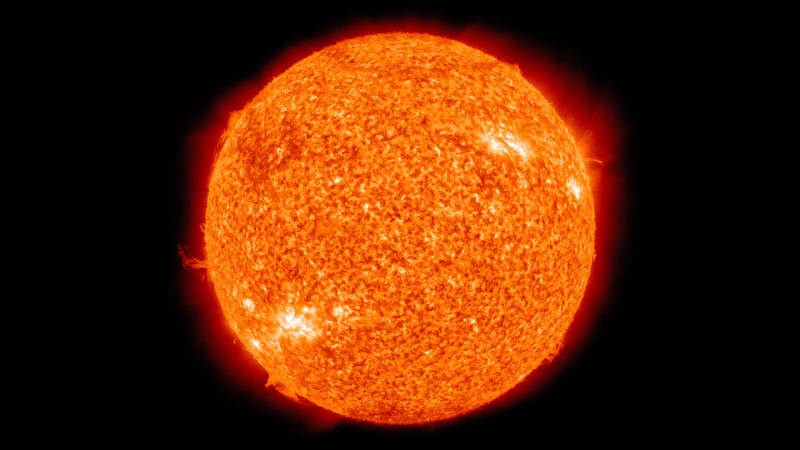
Science News
These neutrinos from the sun have the lowest energies ever seen
The XENONnT detector glimpsed the ethereal subatomic particles that are born from the main type of fusion reaction that powers the sun.
Latest science news, discoveries and scientific developments.
The XENONnT detector glimpsed the ethereal subatomic particles that are born from the main type of fusion reaction that powers the sun.

Low vitamin D levels may make recovery from breast cancer surgery more painful, according to a study of 184 women undergoing mastectomy. Patients with vitamin D deficiency were three times more likely to experience moderate to severe pain during the first 24 hours after surgery and also used substantially more of the opioid painkiller tramadol. They received slightly more fentanyl during surgery and experienced more postoperative nausea as well.

In 1931, physicist Hans Bethe predicted that, in certain one-dimensional quantum systems, particles can bind together to form multi-particle states known as Bethe strings. Unlike ordinary molecules, which are held together by chemical bonds, Bethe strings arise purely from interactions between particles and exist only in one dimension. For decades, Bethe strings remained primarily a theoretical concept.

Does helping people struggling to survive today make any difference for future generations? New research from the University of Utah has documented evidence that it does. Rather than viewing present-day poverty and long-term risks as competing priorities, the research team led by psychologist Kyle Fiore Law sees them as interconnected.

The federal government recently announced a suite of new laws designed to address harmful content on digital platforms.

Astronomers have identified a peculiar radio transient in the Milky Way that has remained active for more than two decades, defying the behavior expected of known classes of galactic radio sources. The paper posted to the arXiv preprint server on Aug. 21 discusses the rare event that may have caused this bizarre radio emission.

Western Australian author Hamish Kelly has struggled with reading for almost two decades. In his first of two books, he describes his experience of learning to read:

A $10 million Australian government campaign celebrating inspirational teachers risked overlooking the workplace conditions driving educators from the profession, according to new research led by Curtin University published in the Journal of Education Policy.

In a win for people and the environment, new economic modeling from James Cook University researchers reveals that a $5 million investment to control crown-of-thorns (CoTS) starfish numbers in the Cairns region created 61 new jobs and generated $20 million in economic activity.

As tech companies like Meta, Google and TikTok face ongoing scrutiny over addictive platform design, the rapid rise of micro-dramas offers a glimpse into how AI, algorithms and commercial incentives could make digital entertainment even harder to put down.

This brass head depicts an "oba," or ruler of the Kingdom of Benin. (Image credit: Cleveland Museum of Art (Public Domain))Quick factsName: Ancestral commemorative headWhat it is: A copper-alloy sculpture of an African ruler's headWhere it is from: Edo, NigeriaWhen it was made: Mid-1500sIn the Kingdom of Benin, one of the oldest monarchies in West Africa, a traditional ruler known as an oba would commission a brass or bronze bust of their predecessor upon taking the throne. The bust of the past oba would then be set on an ancestral altar in the palace. But when the British Empire annexed the Kingdom of Benin into colonial Nigeria in 1897, the British looted thousands of African artifacts spa...
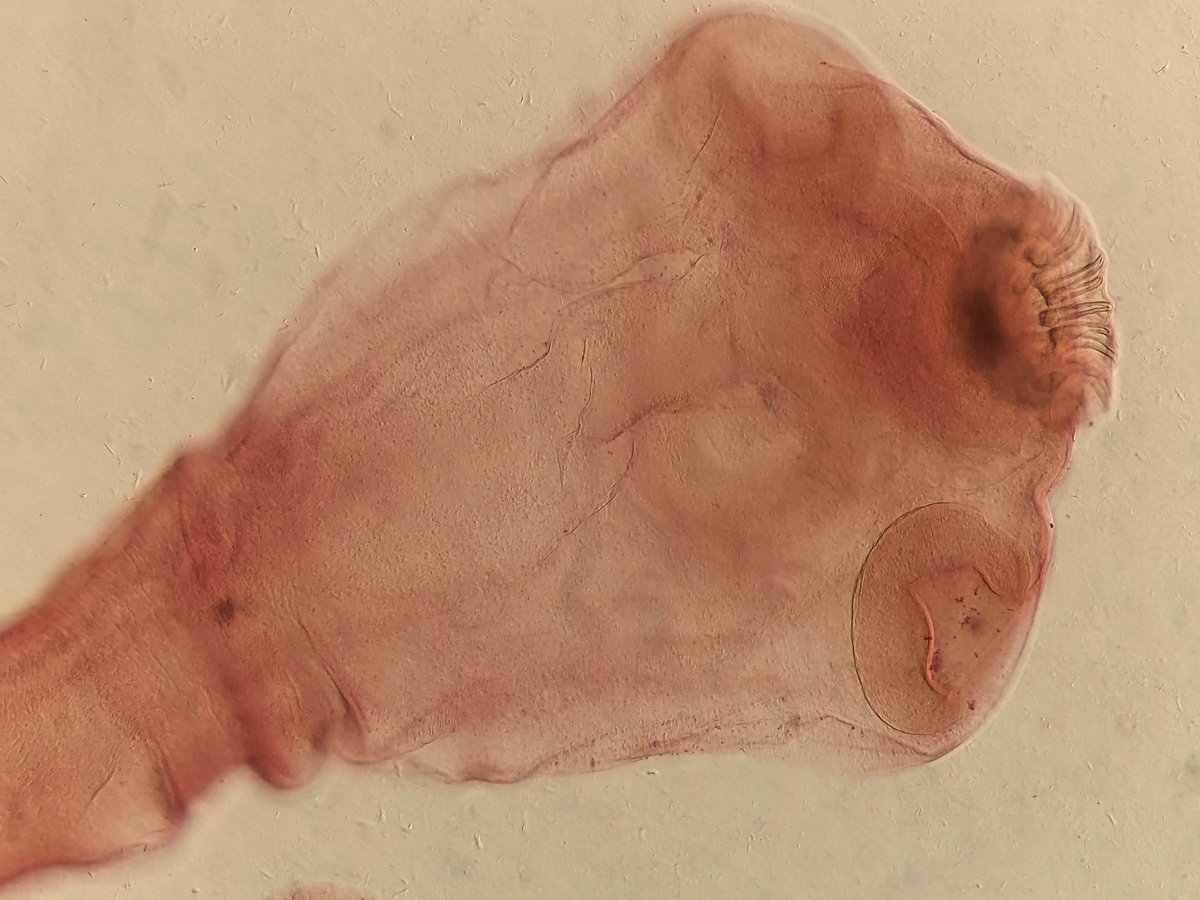
After months of headaches and visual hallucinations, a woman was finally revealed to have brain cysts filled with tapeworm larvae

As new 9/11 documents emerge, AI transforms math and fuels debates over pollution, power and progress

As Africa prepares for the arrival of a powerful El Niño weather event, an international team of researchers led by the University of Sydney and Imperial College London has found that access to improved forecasts alone will not protect many of the region's poorest livestock farmers from the impacts of climate change.

In women's reproductive years, their brains are exposed to high levels of sex hormones, and their neurons may come to depend on those hormones to function optimally. But leading up to and after menopause, the ovaries produce far less estrogen and progesterone, raising concerns that this drop in hormones may contribute to women's dementia risk."We think that the loss of those hormones at menopause renders those neurons more vulnerable to age-related cellular decline and pathologies like Alzheimer's," said Karyn Frick, a neuroscientist and professor of psychological and brain sciences at the University of Wisconsin-Milwaukee.So, if falling hormone levels are a risk factor for dementia, could r...

A surge in Indonesia's wood pellet and chip production is driving a new wave of deforestation, threatening the vast archipelago's remaining tropical forests, vital biodiversity hot spots and the land of Indigenous peoples, according to new satellite analysis from environmental nongovernmental organizations.

The discovery of water in dark craters at the moon's poles has sparked a "moon rush" to establish bases there, followed by villages, cities and heavy industry. How sustainable is this rush?

Scientists discovered that aging cells can use malfunctioning mitochondria to unlock inflammatory genes and keep the immune system stuck in a prolonged state of alert. Blocking one part of this process reduced inflammation and improved healthy aging in mice, suggesting a promising new strategy for fighting age-related decline.
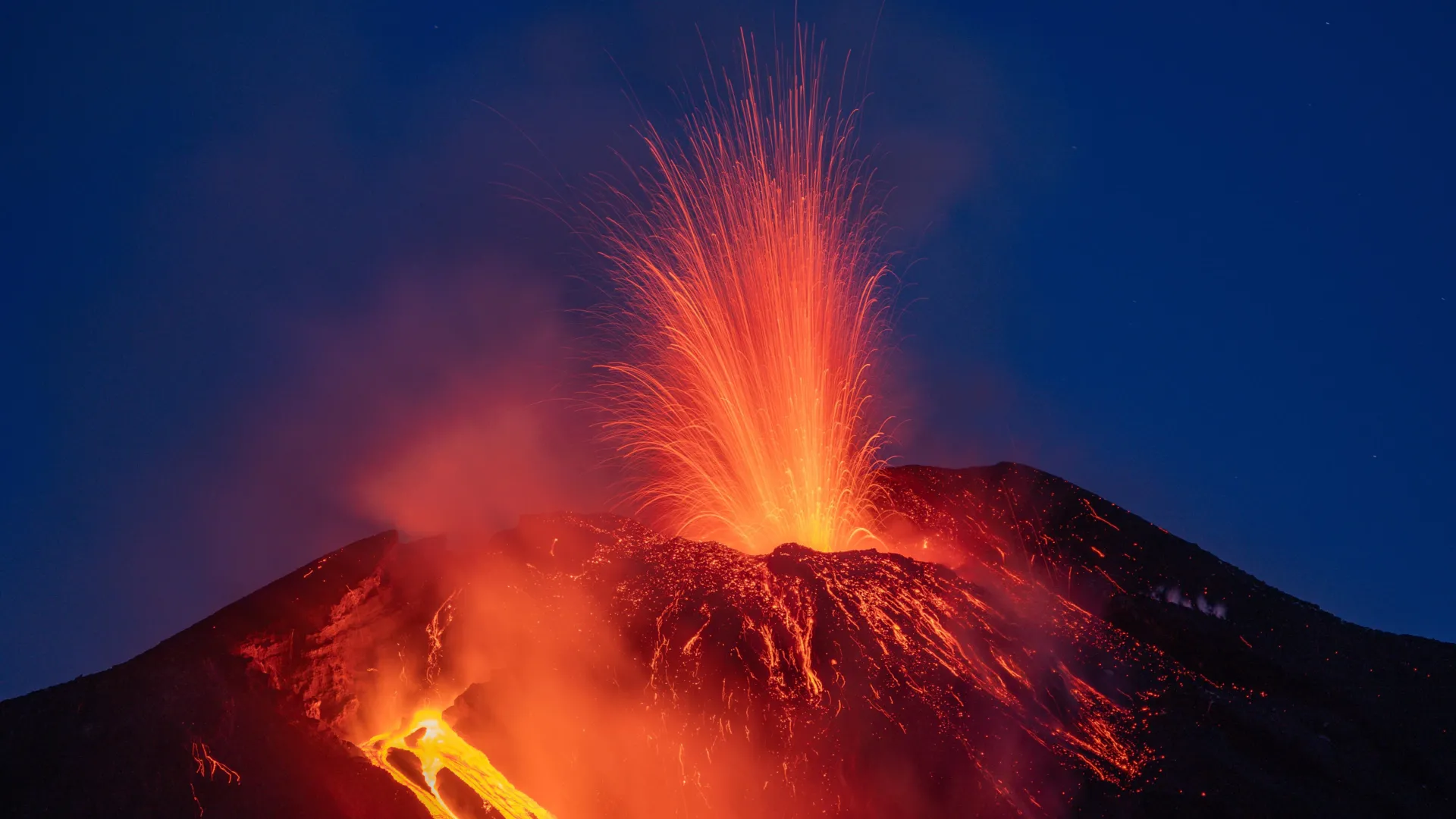
Mount Etna’s ancient eruptions followed radically different paths, with some magma lingering near the surface for weeks while other magma raced upward from nearly 30 kilometers deep in just hours. Scientists traced the difference to volcanic gases such as carbon dioxide and water, offering a powerful new way to understand and potentially anticipate explosive eruptions.
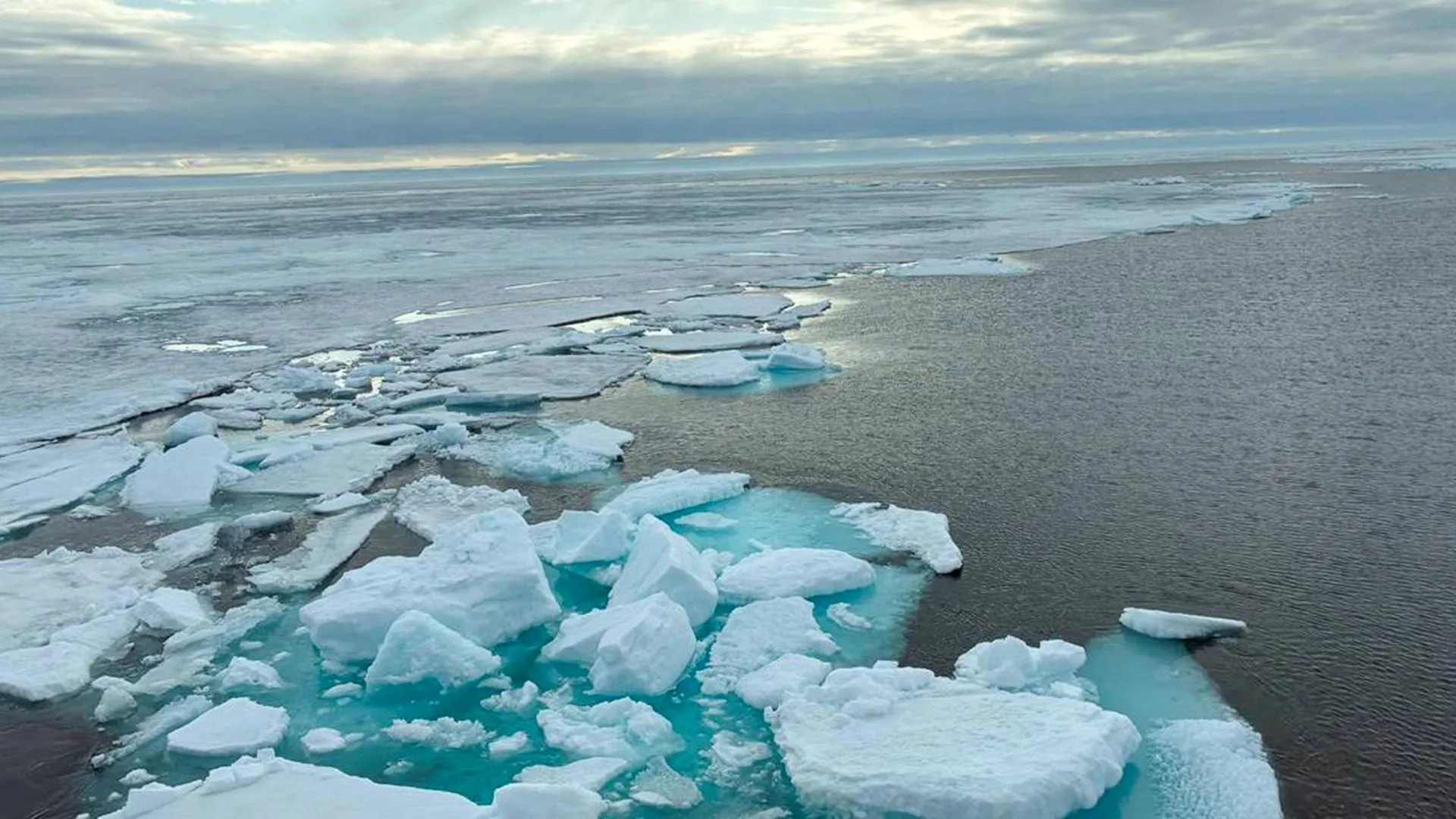
Scientists have found that Arctic cyclones become especially destructive when several strike one after another. These storm clusters cause about twice as much sea ice loss as isolated cyclones, with impacts that persist roughly two and a half times longer. As Arctic ice becomes thinner and weaker, the damage from these storms appears to be increasing, potentially creating a feedback loop that accelerates future ice loss.