Science News
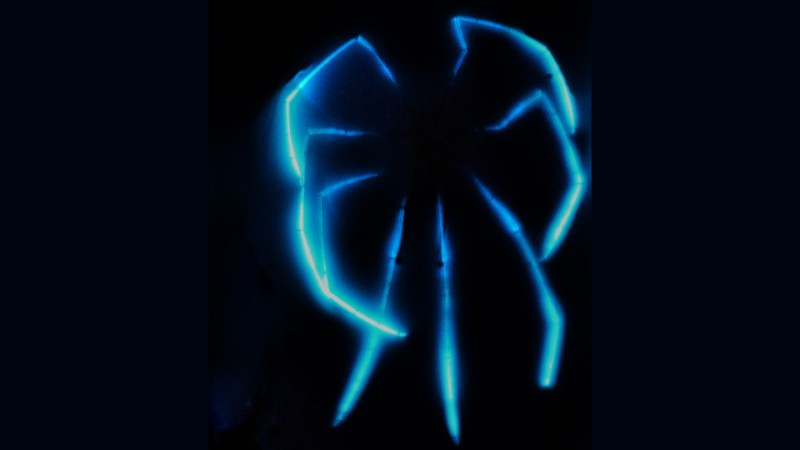
These deep-sea spiders give off an otherworldly glow
An expedition of a deep-sea trench near Australia uncovered the eerie sea spider specimens, whose glow may have been chronicled in 19th century documents.
Latest science news, discoveries and scientific developments.
An expedition of a deep-sea trench near Australia uncovered the eerie sea spider specimens, whose glow may have been chronicled in 19th century documents.

A new declaration from winners of the Fields Medal reflects many mathematicians’ growing alarm over a “severe misalignment” between the tech industry and their field a week after AI toppled one of math’s biggest open problems

Cancer rates are rising in adults under 55, and new research suggests accelerated biological aging may be one piece of the puzzle. Scientists found that people from more recent generations tended to have bodies that appeared biologically older than those of earlier generations at the same chronological age. Greater biological age acceleration was linked to a higher risk of early onset cancers, with specific patterns seen for lung, gastrointestinal, uterine and colorectal cancers.

One of the problems with how America deals with wildfires is the belief that there is one primary strategy that can end the nation's wildfire crisis. Whether that's detecting and putting out every fire fast, increasing logging and forest thinning, or allowing fires to burn under safe conditions, the default choice today is to pour more money and effort into the star approach of the moment.

A research team from the University of Bern has shown in a large-scale field experiment that populations of the same fish species can be much more fine-tuned to their local environments than previously thought. Habitats that appear nearly identical to us can therefore make a decisive difference in evolution. This hidden diversity is not only key to understanding how biodiversity arises, but also has important implications for its conservation.
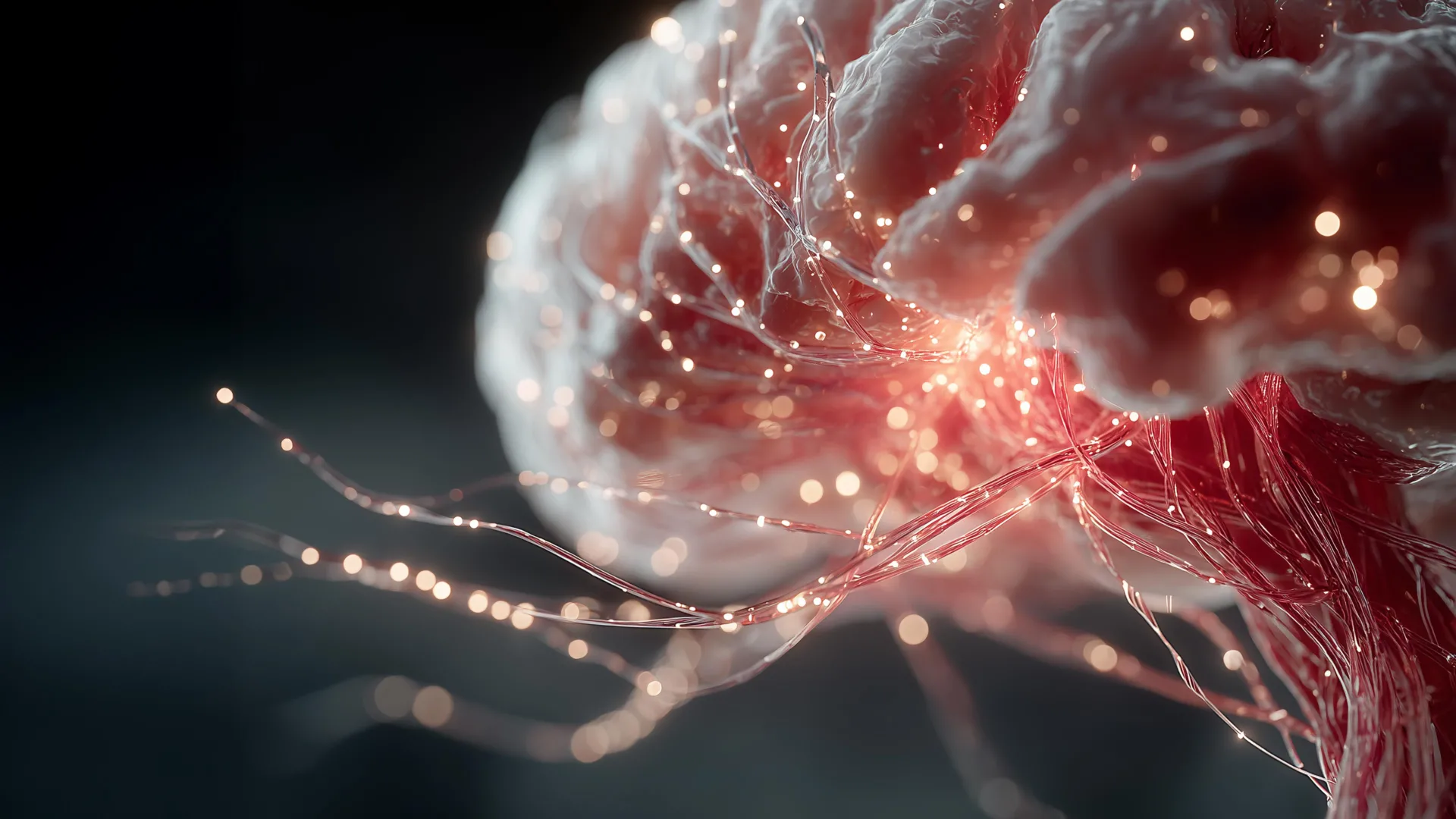
Scientists have discovered that the brain’s short-range wiring may help protect cognition even as gray matter shrinks with age. Healthier connections just beneath the brain’s surface were linked to better language skills and appeared to weaken the impact of gray matter loss.

Parasites in wildlife don't just pose a risk to their wild hosts—they can also spread to domestic animals and humans, making safe and reliable ways to screen for these pests critical to promoting better health for all.
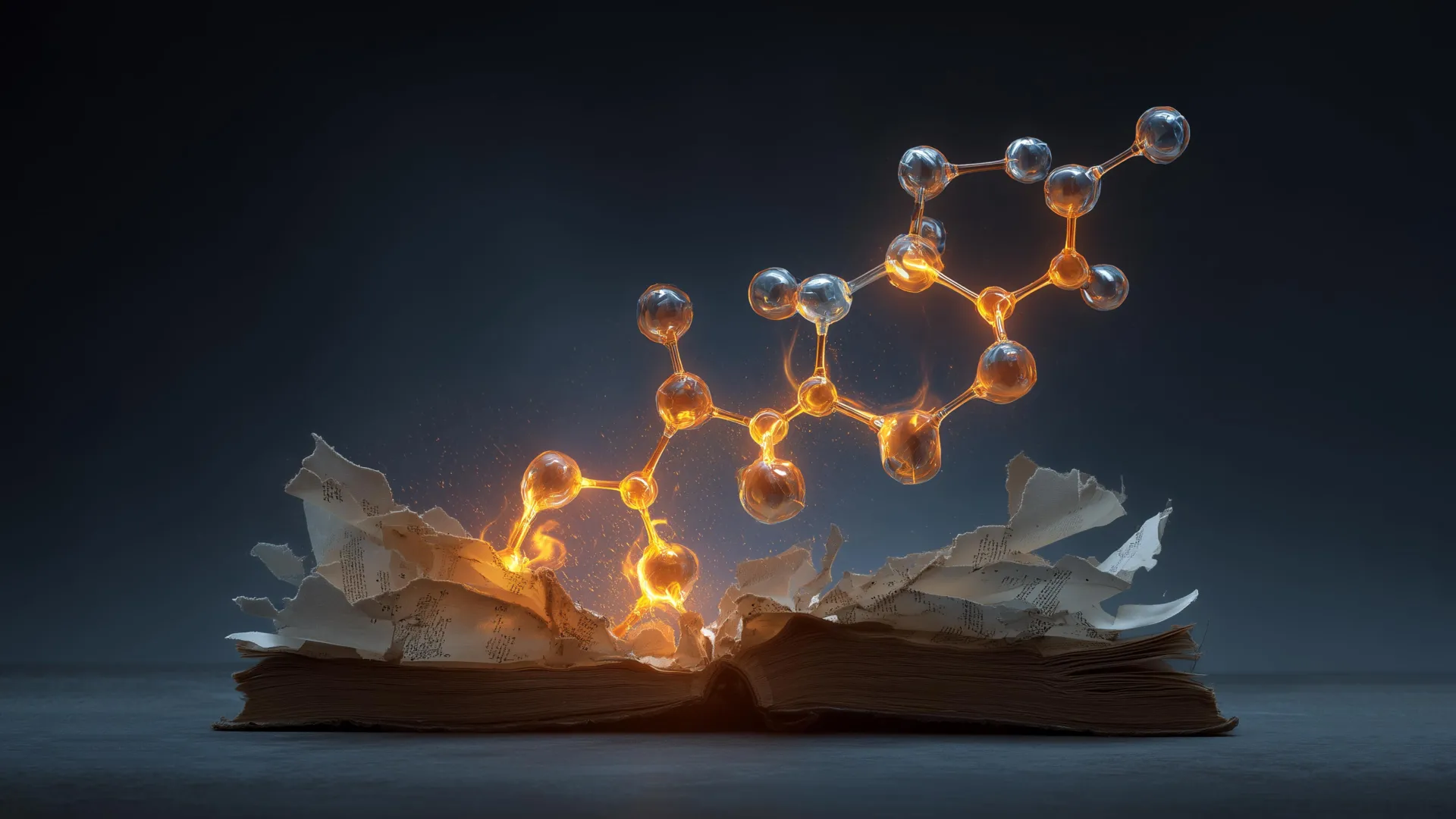
A foundational chemistry concept found in textbooks for almost 100 years may have been taught incorrectly. Researchers say the inductive effect in neutral molecules appears to extend only across one chemical bond, rather than gradually weakening over three or four bonds as traditionally taught. The team argues that updating this explanation could make organic chemistry easier to understand and provide a stronger foundation for future research and innovation.

Physicists at the University of Oxford have helped confirm that one of the strangest phenomena in physics—quantum entanglement—occurs even among some of the heaviest and most fleeting particles ever created. The discovery, made using the world's most powerful particle collider at CERN, has been published in Physical Review Letters.

Snails carry weather records on their backs that could be used to map prehistoric cyclones, a University of Queensland study has shown. The project led by School of the Environment researchers examined the rings on the shell of a Biggenden Banded Snail (Figuladra bayensis) collected from Coalstoun Lakes National Park in southeast Queensland.

The publication of the latest results from the Programme for International Student Assessment (PISA 2025) on Sept. 8 prompted the usual flurry of commentary, comparisons and rankings. France has slipped, some countries have improved, while others have proved more resilient. As always, attention quickly turns to where each country stands.
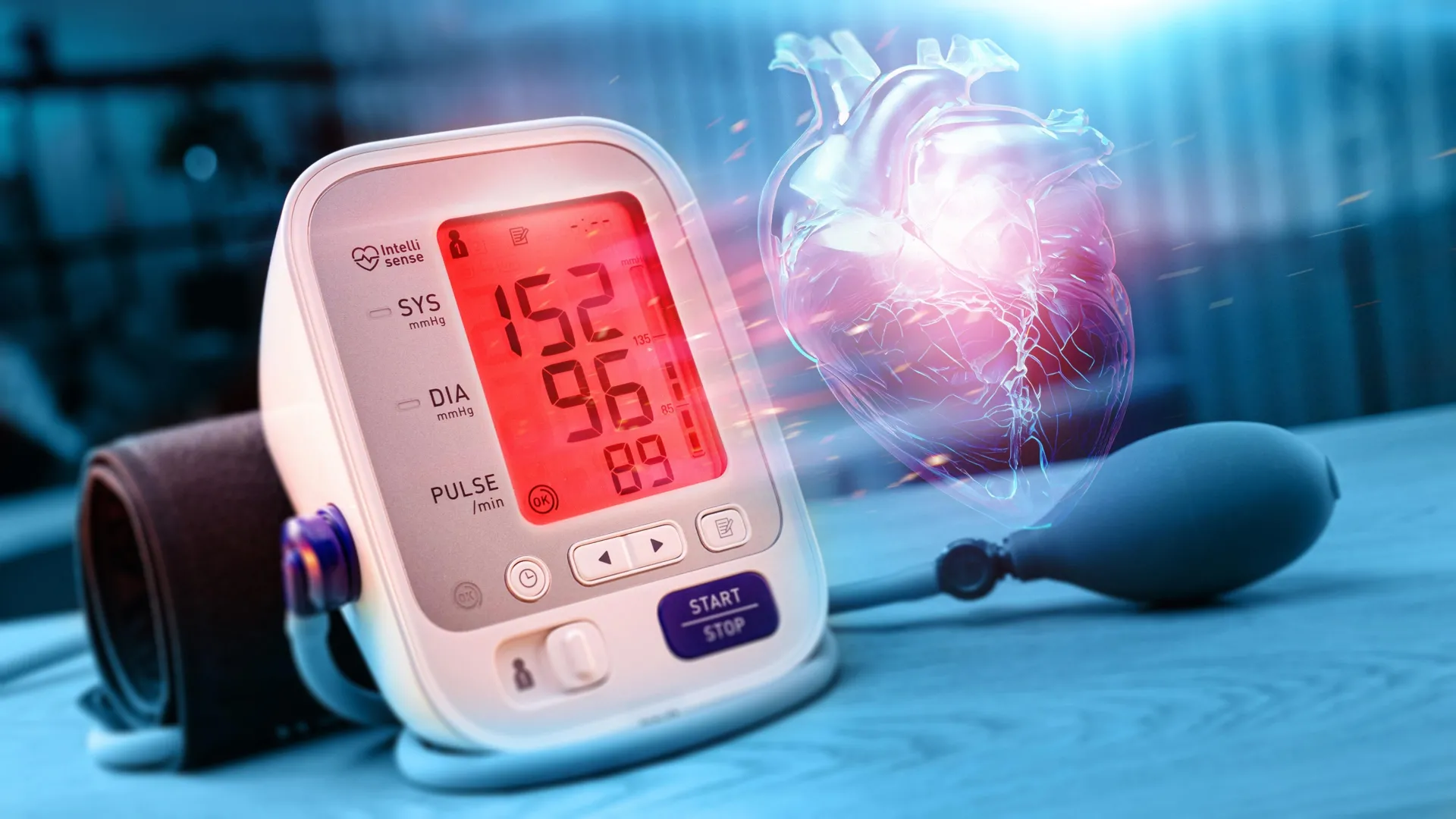
A wearable device has revealed nighttime hormone surges that may expose a frequently missed cause of high blood pressure. The discovery could help explain why primary aldosteronism often escapes standard blood tests and point toward a more accurate way to diagnose it.
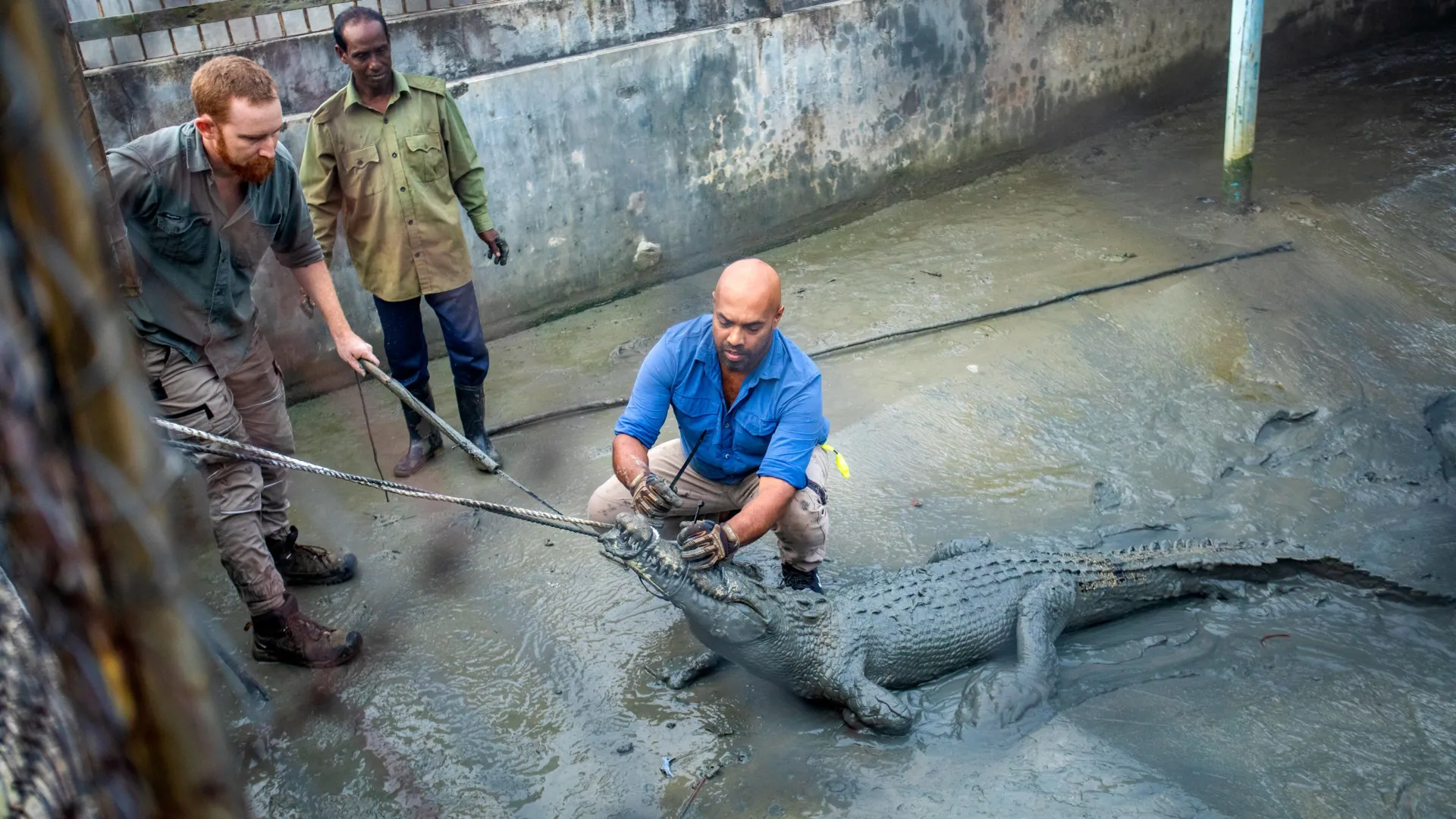
Captive-raised saltwater crocodiles released into Bangladesh’s Sundarbans surprised scientists by settling into the wild rather than trying to return to their breeding facility. The result suggests that releasing larger, mature captive crocodiles could help restore depleted populations more successfully than relying only on vulnerable hatchlings.

Human development may be changing more than where pollinators live—it may also be changing when they are active. University of Florida researchers at the Institute of Food and Agricultural Sciences (UF/IFAS) have found that pollinator seasons shifted later in the year across some of the most human-modified landscapes in the eastern United States.

Across Africa, people are restoring and managing mangroves, grazing lands and urban green areas in the face of increasing threats from climate change. Increasingly, they make decisions based on climate-related information supplied by governments, funders and researchers.
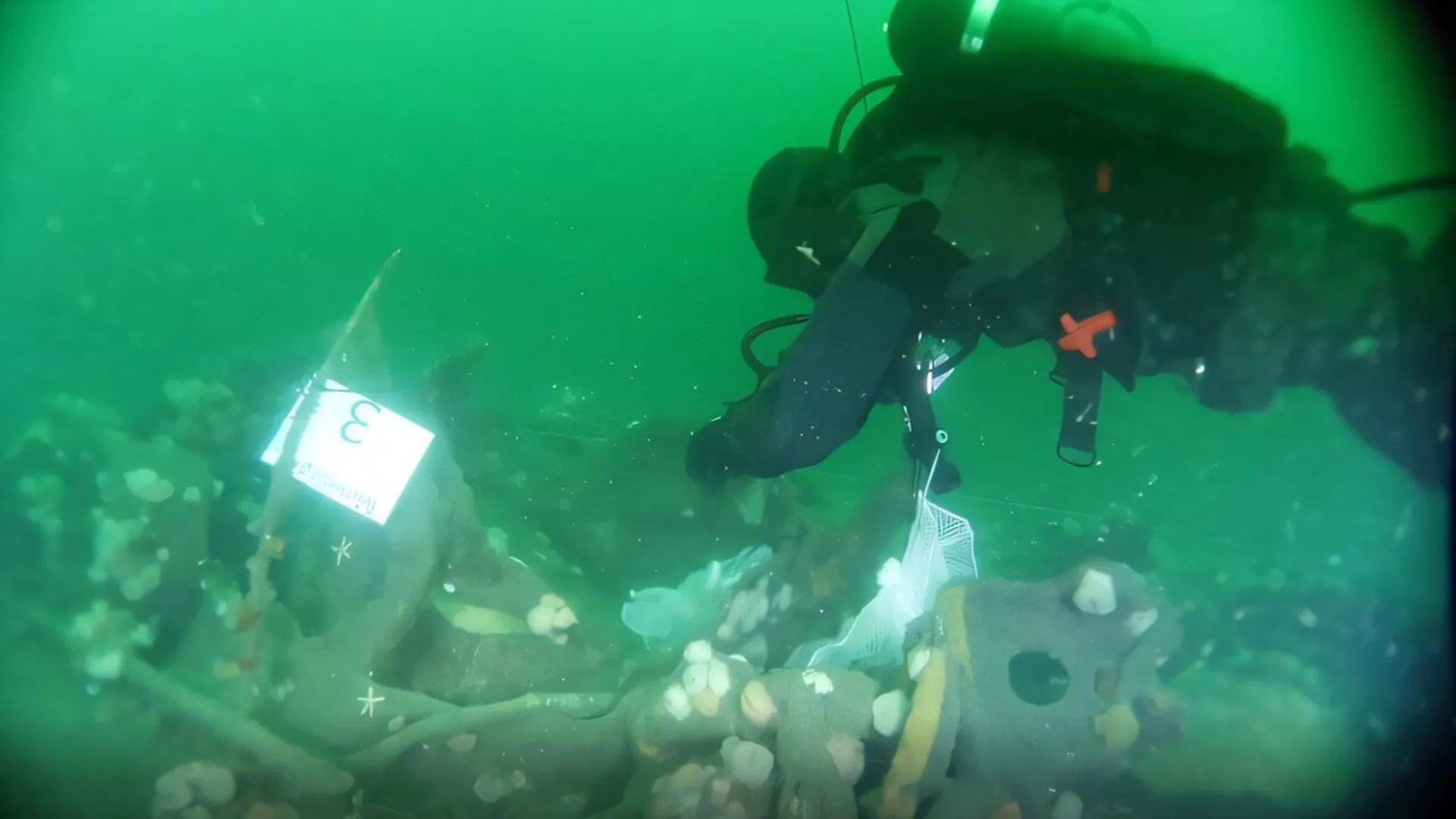
A World War I submarine wreck off Denmark is leaking TNT into the surrounding water, seabed, and marine life more than a century after it sank. Scientists warn that thousands of similar wrecks could pose growing environmental risks as they continue to corrode.

"Resilience" is in danger of becoming a casualty of business buzzword bingo, but we know it matters. The World Economic Forum lists it as one of the most important skills for the future of work, and I've found it turns up on any list of key attributes, usually nestled under "attitude" or "personal effectiveness."

Monash University-led researchers have directly imaged tiny swirling structures inside an atomically thin semiconductor, opening new possibilities for future low-energy electronic technologies. Published in Science Advances, the study reveals structures known as merons and antimerons, nanoscale "whirlpools" of electrical polarization, in twisted layers of the semiconductor tungsten diselenide (WSe₂).

A new study has revealed that peatlands may break under their own weight before they reach their carbon storage potential.

Much like a courier reading an address on a package, neurons must deliver RNA to the precise locations where it is needed. A KAIST research team has discovered how a small chemical modification on RNA acts as a "delivery tag," helping selected RNAs travel to distant regions of neurons.