
Science News
The questions science may never answer
Will some of the biggest mysteries in science remain forever unsolved?
Latest science news, discoveries and scientific developments.
Will some of the biggest mysteries in science remain forever unsolved?

Smallpox eradication; skyscraper excavations; research on the racetrack

And how they might have helped save the future of American apples

Play this crossword inspired by the October 2026 issue of Scientific American

Our understanding of consciousness could be fundamentally wrong

Physicists are searching for what lies underneath the particles we know


Some questions may never be answered, but maybe that’s not the point

Scientists disagree on how biology got started and on whether we can ever know for sure

The biggest questions in science inspire us even when we lack answers

A major analysis of 139 clinical trials involving nearly 10,000 people suggests that some of the simplest treatments may work best for knee osteoarthritis. Knee braces ranked highest overall for reducing pain, stiffness, and mobility problems, while water-based therapy was especially effective for pain and regular exercise consistently improved both pain and physical function. More high-tech approaches, including ultrasound, generally performed worse.

A newly discovered communication system in the microscopic “antennae” of cells may help explain how some congenital heart defects develop. When genetic mutations disrupt this system, the effects may extend beyond the heart to organs including the brain, kidneys, and skeleton.

Ancient DNA reveals that plague was already killing hunter-gatherers in Siberia 5,500 years ago, long before cities and flea-driven epidemics. The prehistoric strains may have been especially dangerous because they carried a genetic factor capable of provoking severe immune reactions.

More than 60 years after surveys suggested a deep coral reef off Benin was probably dead, scientists have found it alive. Cameras revealed healthy-looking coral patches supporting multiple fish species more than 50 meters beneath the surface. The discovery suggests West Africa’s coastal waters may contain other overlooked reefs that have yet to be documented.
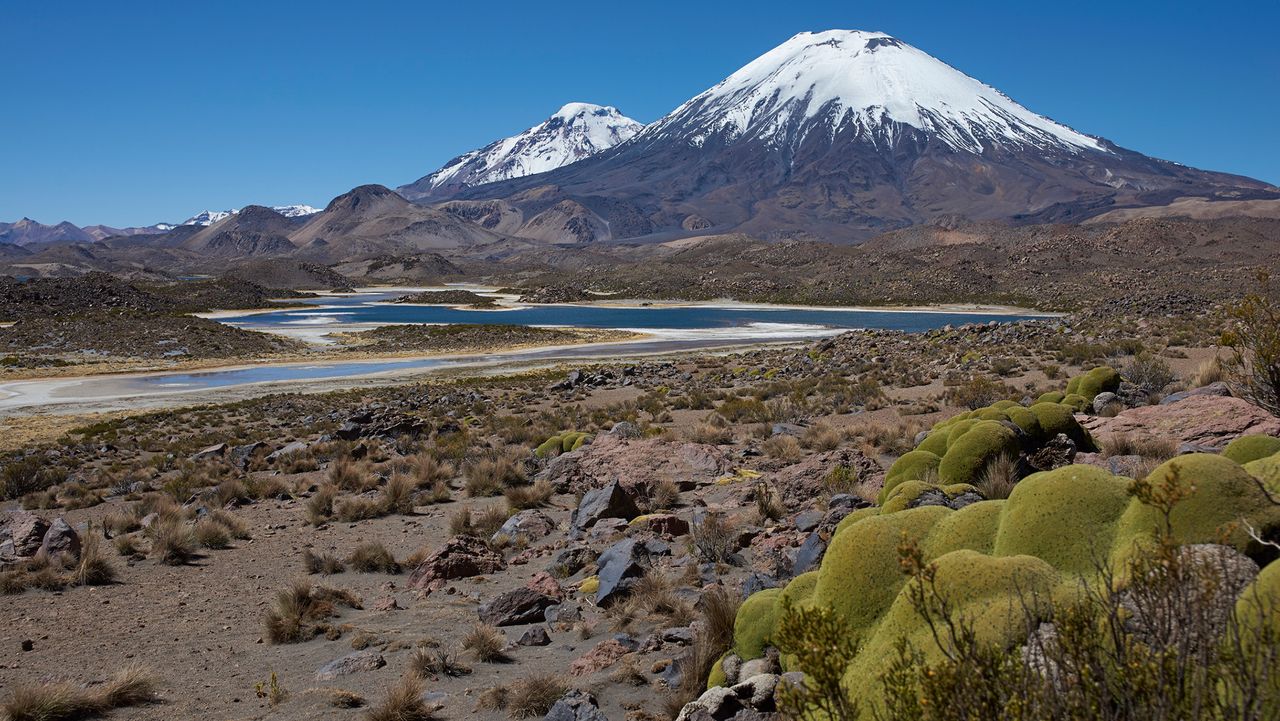
A volcanic eruption 22 million years ago froze a snapshot of the Andes in their youth, revealing a slow-and-steady formation of this formidable mountain range. The eruption, which originated from the Lauca Caldera in what is now northern Chile, blanketed the landscape in a formation known as ignimbrite. This rock is left over after a pyroclastic flow — a mix of rock, volcanic gas and ash that sweeps over the landscape like a broiling tsunami. Pyroclastic flow is what buried the Roman town of Pompeii after the eruption of Mount Vesuvius in A.D. 79, preserving buildings and people where they fell. Now, a new study published Sept. 11 in the journal Science Advances extrapolates the landscape ...
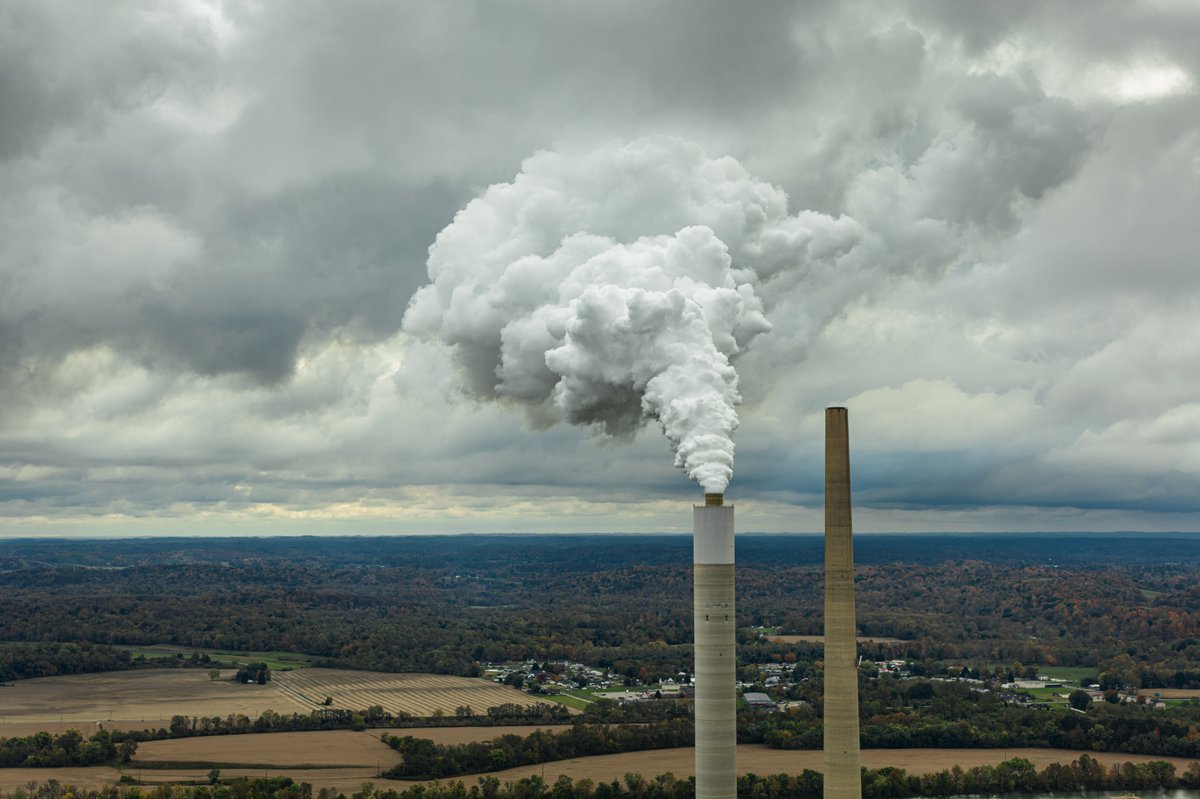
The reversal of a Biden-era cap on emissions from the plants could have devastating effects in efforts to stop climate change
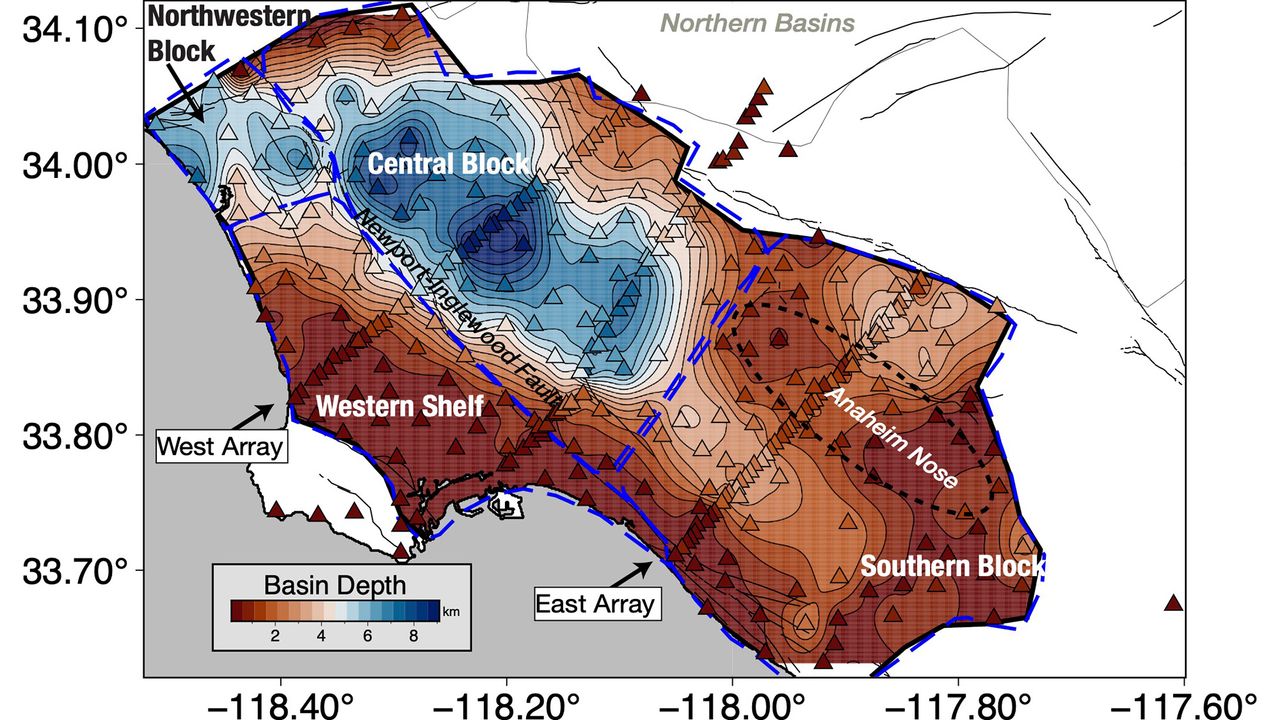
Scientists have a new view of the ground under Los Angeles, and it's a bit shaky. The 3D model of the Los Angeles basin shows that downtown LA is underpinned by up to 6.2 miles (10 kilometers) of sediment, which will likely amplify shaking from any earthquake that hits the region. That's not entirely new information, but the underground map is more precise than ever before, and it should help earthquake scientists better understand which areas of the city are most vulnerable. "With this improved model of the basin, we now know the shape of the edges of the basin in a lot more detail," Elizabeth Cochran, a U.S. Geological Survey seismologist who was not involved in the study, told Live Scienc...

Scientists are exploring new ways to regain control of overactive nervous systems including humming, tapping on the skin and cold-water immersion.

Every second, particles zip through your body at nearly the speed of light. They rain down from a storm high in the sky, where cosmic rays, a powerful type of interstellar matter, constantly strike atoms in Earth's atmosphere. The impacts break them apart into a shower of particles that rain to the ground.