
Science News
Latest science news, discoveries and scientific developments.


Science News
Why it is time to restate the case for the importance of research on animals
Pete Ryan All of a sudden, governments have begun to talk about something that once seemed impossible: the end of animal testing. Last year, the US and the UK both unveiled road maps intended to help move us towards this goal. A few months ago, the European Commission did likewise. The coming of age of technological alternatives to some kinds of animal research is to be celebrated. A few of these alternatives are actually more revealing than the animal experiments they replace. But if nations overstate what is possible, they risk reigniting a heated and painful row. We see this overstatement not only in news headlines, but even in the titles of policy documents themselves. Some of these talk...

Science News
Satellite data gives clearer picture of how ice sheets are losing mass
The longest satellite record ever compiled shows the vast majority of ice loss from Greenland and Antarctica is due to glaciers flowing faster, rather than warmer air temperatures melting them at the surface

Science News
Land use and management intensity affect the suitability of habitats for wildlife in Europe
Common, wide-ranging vertebrate species, such as foxes, may be finding more suitable habitat in towns and cities than in the wider landscape, while rarer species—which live in smaller areas—appear to favor different habitats, according to new research into species across Europe.
Science News
Was there a 'before' the Big Bang? Jim Al-Khalili on the mind-bogglingness of time
Time keeps getting away from us. It has a fraught relationship with our subjective experience — sometimes slowing down or dragging on; and at other times speeding up, with years seeming to fly by as we get older. Our brain cells are even known to distort our sense of time when we're tired. In physics, time gets even more complicated, incorporated into theories of relativity — the experience of the clock's ticking being relative to the observer and their place in space — and entropy, which gives time its unidirectional flow. Meanwhile quantum mechanics indicates time can move both forwards and backwards, at least inside quantum systems. In this excerpt from "On Time: The Physics That Makes th...
Science News
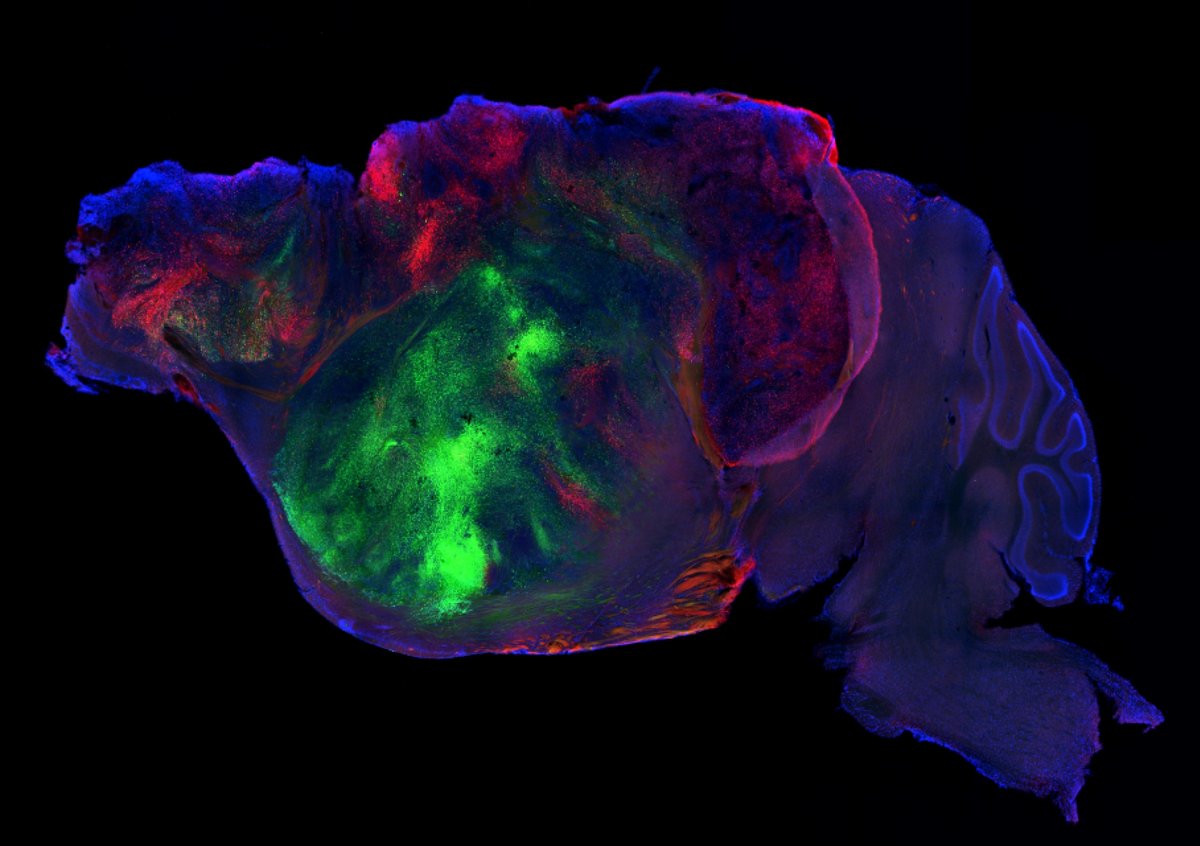
Human brain organoid transplants mesh with mouse brains, forming active neural circuits
The technique opens new possibilities for investigating neurological conditions, from autism to dementia

Science News
These mice have human (nerve cells) on the brain
Scientists have grown human brain tissue to fill most of a mouse’s cortex, creating a new model for studying brain disease and neural circuits.
Science News
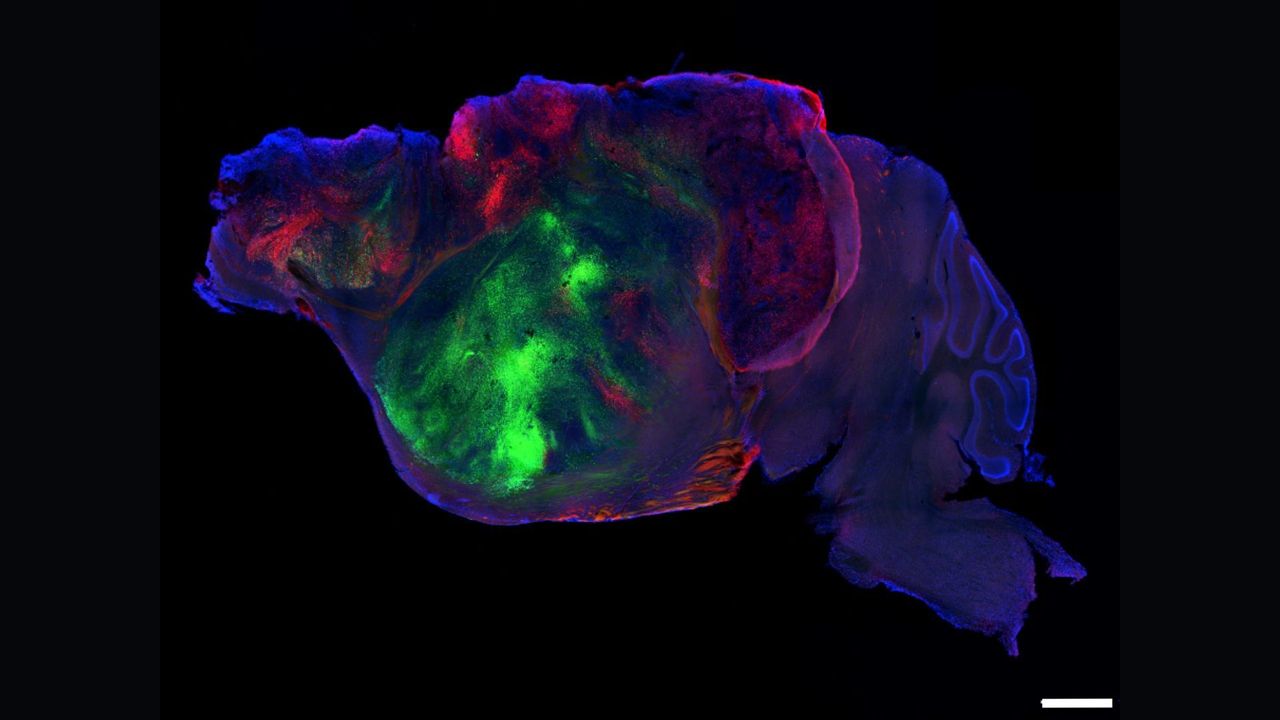
Scientists shrank mice's brains and replaced the missing tissue with human 'organoids'
In a new study, scientists reared lab mice that were missing sections of their brains and then replaced the missing tissue with human cells. The experiment represents a step forward in the study of human brain organoids — tiny models of the human brain grown from stem cells. In the long run, scientists aim to use organoids to better understand how the brain develops and how its structure and function change in the context of disease. "It is definitely an advance in the field," said Dr. H. Isaac Chen, an associate professor of neurosurgery at the University of Pennsylvania Perelman School of Medicine. Chen was not involved in the current study but has conducted experiments transplanting hum...
Science News
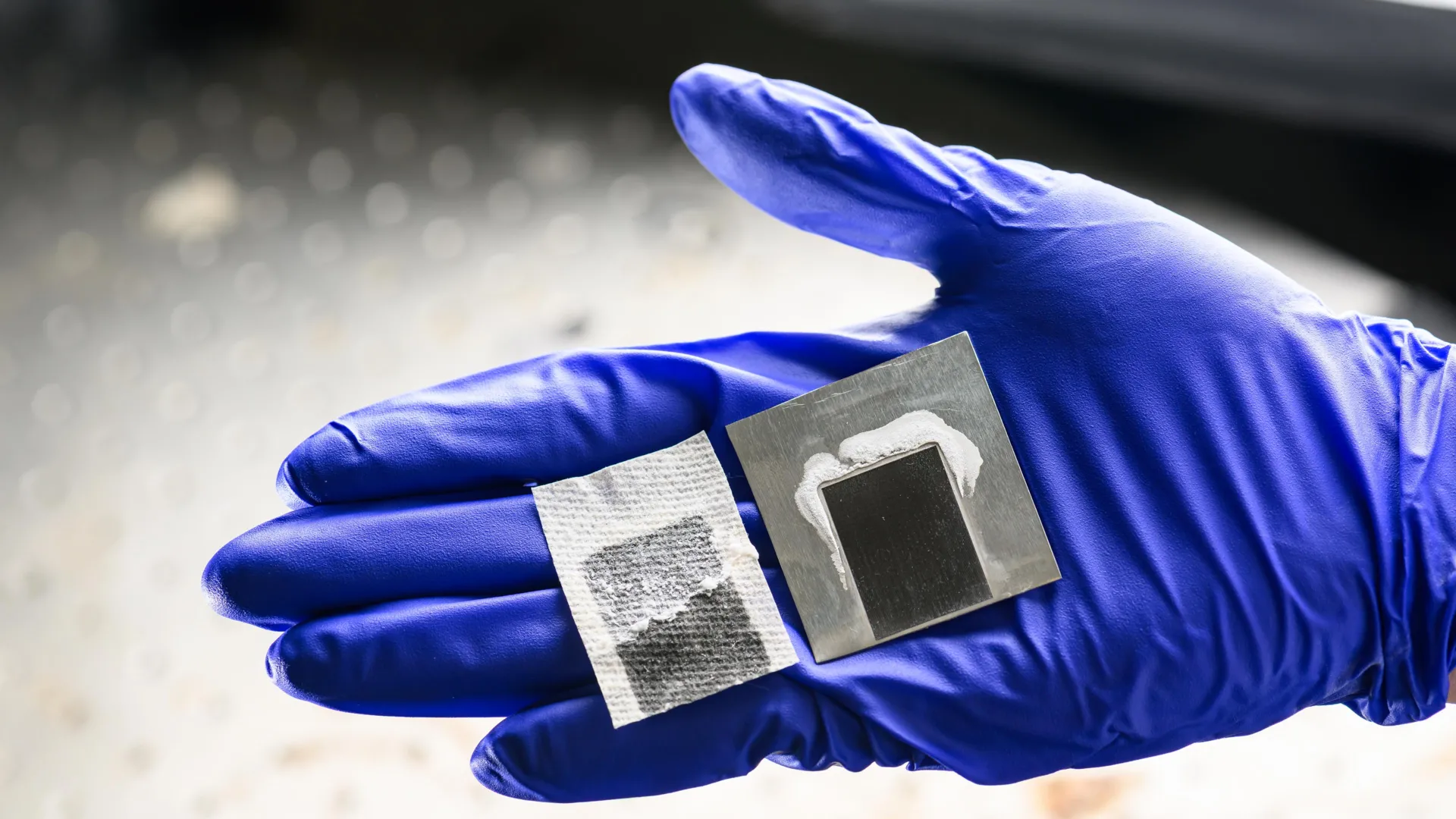
Scientists turn seawater into fresh water without harmful brine
Scientists have developed a solar-powered desalination system that turns seawater into fresh water while removing nearly all of the leftover salt as a solid instead of producing harmful brine. The self-cleaning technology could also recover valuable minerals such as lithium, potentially turning desalination waste into a useful resource.
Science News
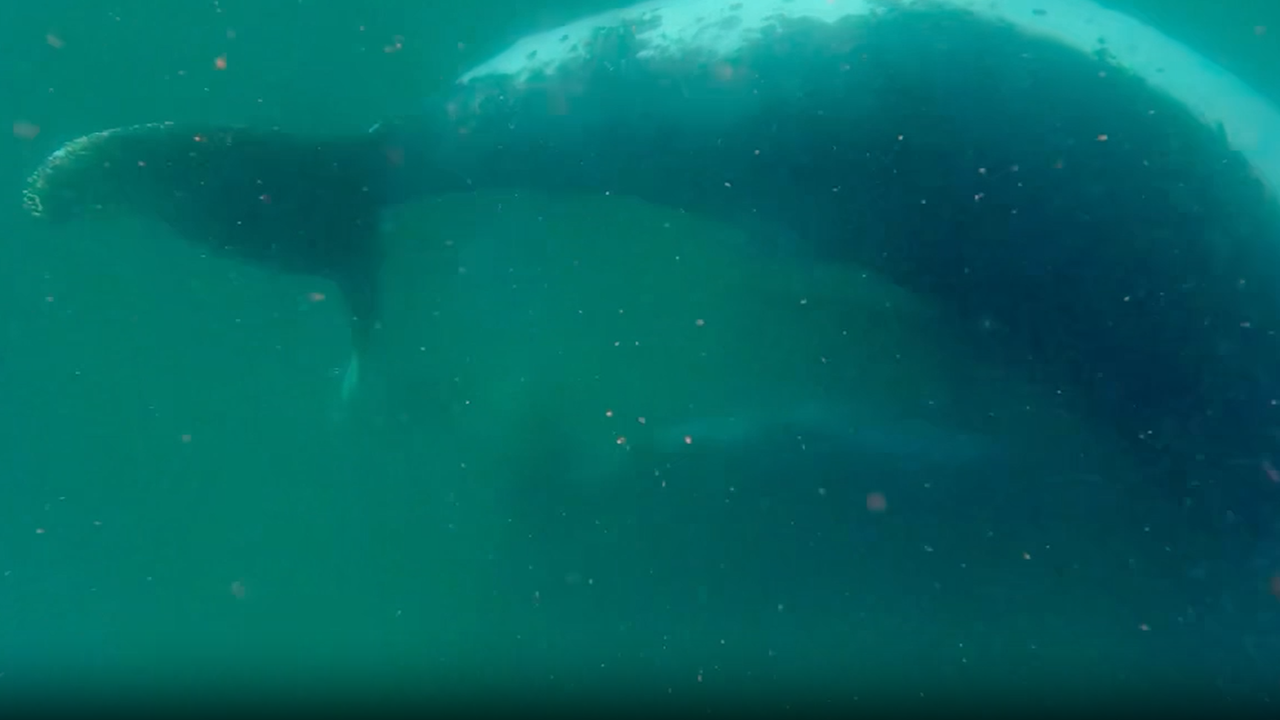
'It is extremely rare to witness': Scientists record humpback whale mom grieving her stillborn calf in first-of-its-kind footage
In an extraordinary first-of-its-kind video, researchers have documented a humpback whale mom grieving her stillborn calf.The footage was recorded off the coast of southeastern Australia in July 2025, according to a study published Wednesday (Sept. 16) in the journal Discover Animals. In the clip, a female humpback whale (Megaptera novaeangliae) hovers above her baby's motionless body on the seafloor and tries to make eye contact with the newborn, as if to check for signs of life."It is extremely rare to witness," study first author Olaf Meynecke, a marine ecologist at Griffith University in Australia, told Live Science in an email. "Only about 20 births of humpback whales have been observed...
Science News
Scientists find an immune “false alarm” that may drive rapid aging
Scientists have discovered that some severe genetic disorders linked to rapid aging may be driven not just by damaged DNA, but by the body’s overreaction to that damage. When broken DNA fragments leak into the wrong part of a cell, an immune sensor called cGAS can mistake them for signs of a viral infection, triggering chronic inflammation and even interfering with DNA repair itself.

Science News
The U.S. has weapons in space. Here’s what that could mean
A cryptic announcement raises questions about the type of weapons and how they could be used. We talked to an expert about the consequences.
Science News
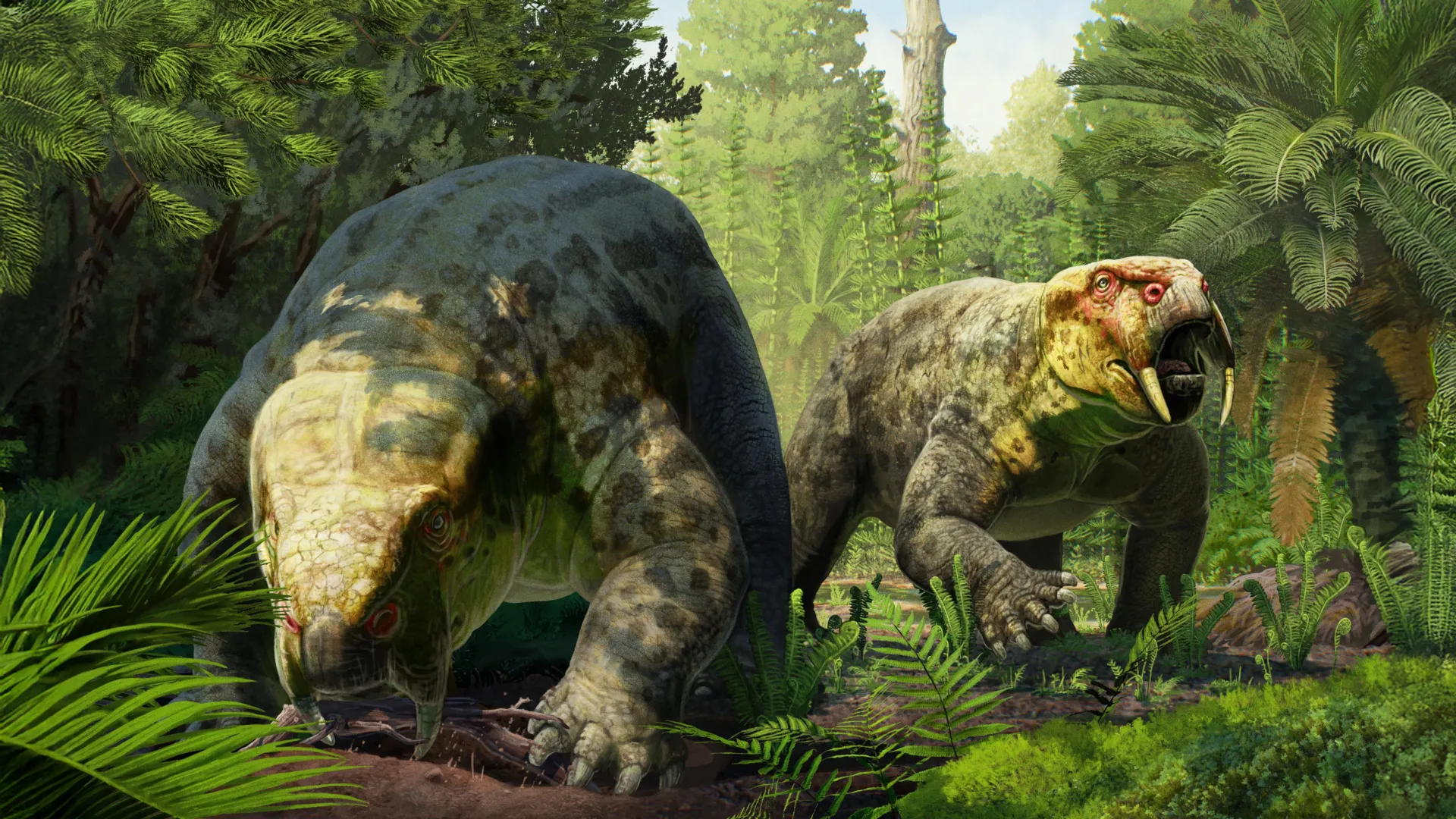
A 240-million-year-old fossil just changed the dinosaur timeline
A newly identified 240-million-year-old animal from Tanzania is forcing scientists to rethink the early dinosaur timeline. Dinodontosaurus isiyavamanda belongs to a group previously known only from South America, linking fossil deposits on the two continents. That connection suggests Tanzania’s supposed oldest dinosaur fossils may actually be millions of years younger than previously thought.

Science News
Alzheimer’s damage may begin outside the brain
Removing a type of immune cell from lymph nodes in mice reduced brain inflammation and cell damage in a model of Alzheimer’s-like disease.
Science News
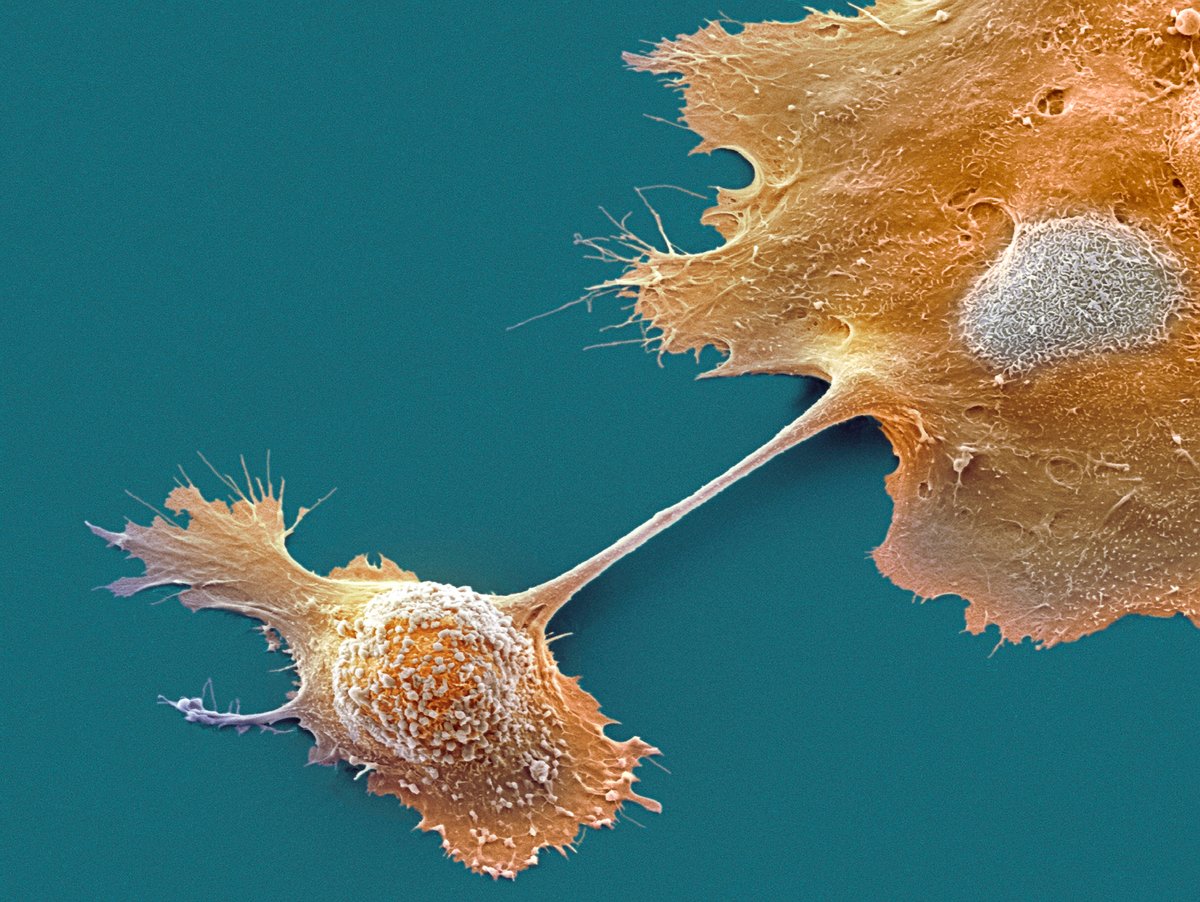
Blood test shows promise in detecting pancreatic cancer early—a ‘holy grail’ for the field
Pancreatic cancer is typically caught in its latest stages, when it is hardest to treat
Science News
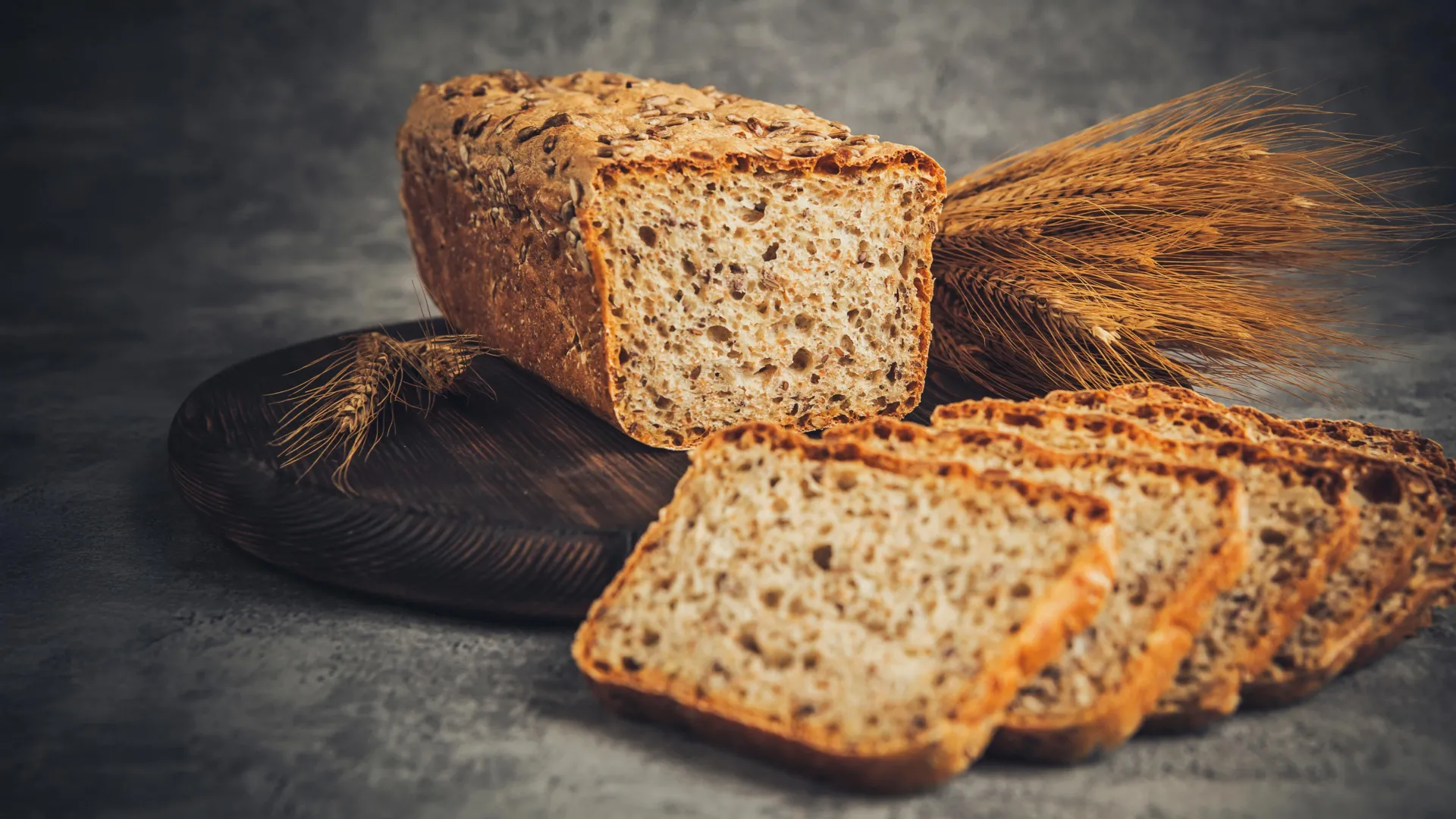
Scientists find the whole grain “sweet spot” for better heart health
Eating four to six servings of whole grains a day may deliver meaningful benefits for heart health, according to a large review of 87 clinical trials. Researchers found improvements in body weight, waist size, blood pressure, cholesterol, blood sugar, triglycerides, and some markers of inflammation.
Science News
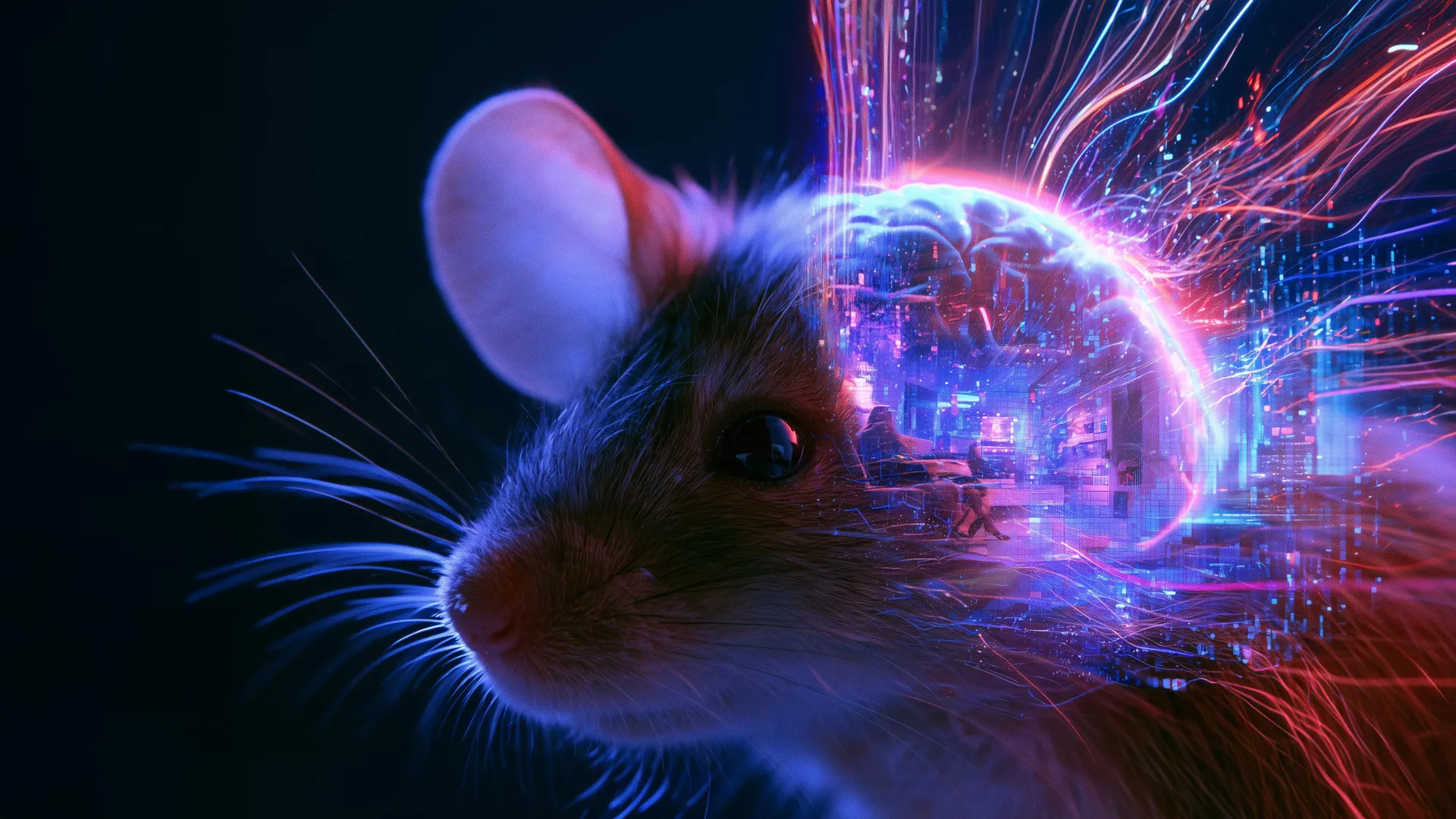
Scientists recreated what mice saw from brain activity alone
Scientists reconstructed videos from the brain activity of mice, producing 10-second clips based only on signals from neurons in the visual cortex. The breakthrough could help reveal how the brain reshapes what we see before it becomes our perception of reality.
Science News
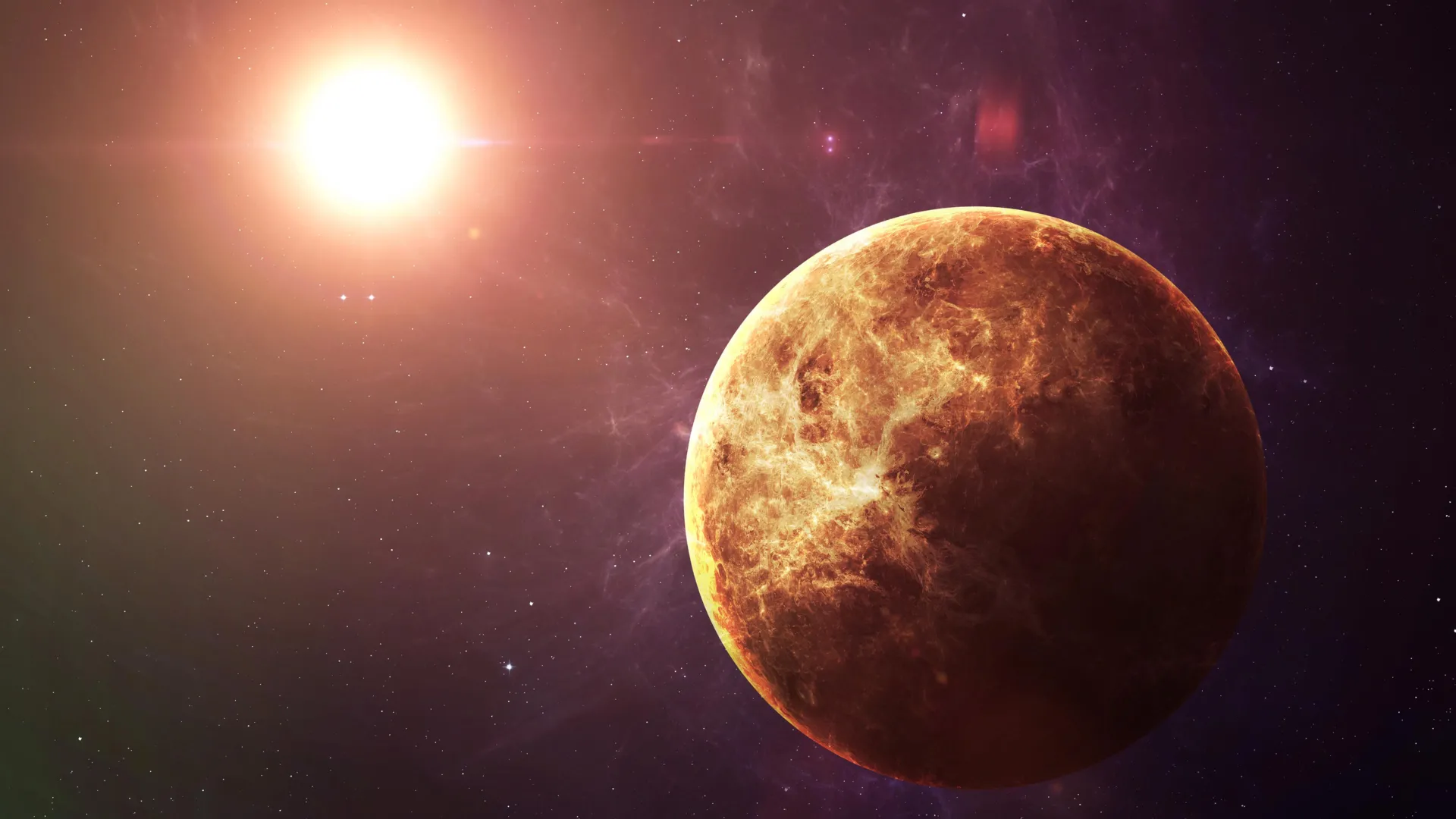
Venus may have swallowed its own moon
Venus may have once had a moon, but new research suggests the planet’s incredibly slow rotation could have doomed it. Computer simulations showed that instead of gradually drifting away like Earth’s moon, a Venusian moon would likely spiral inward until it crashed into the planet, with larger moons falling even faster.
Science News
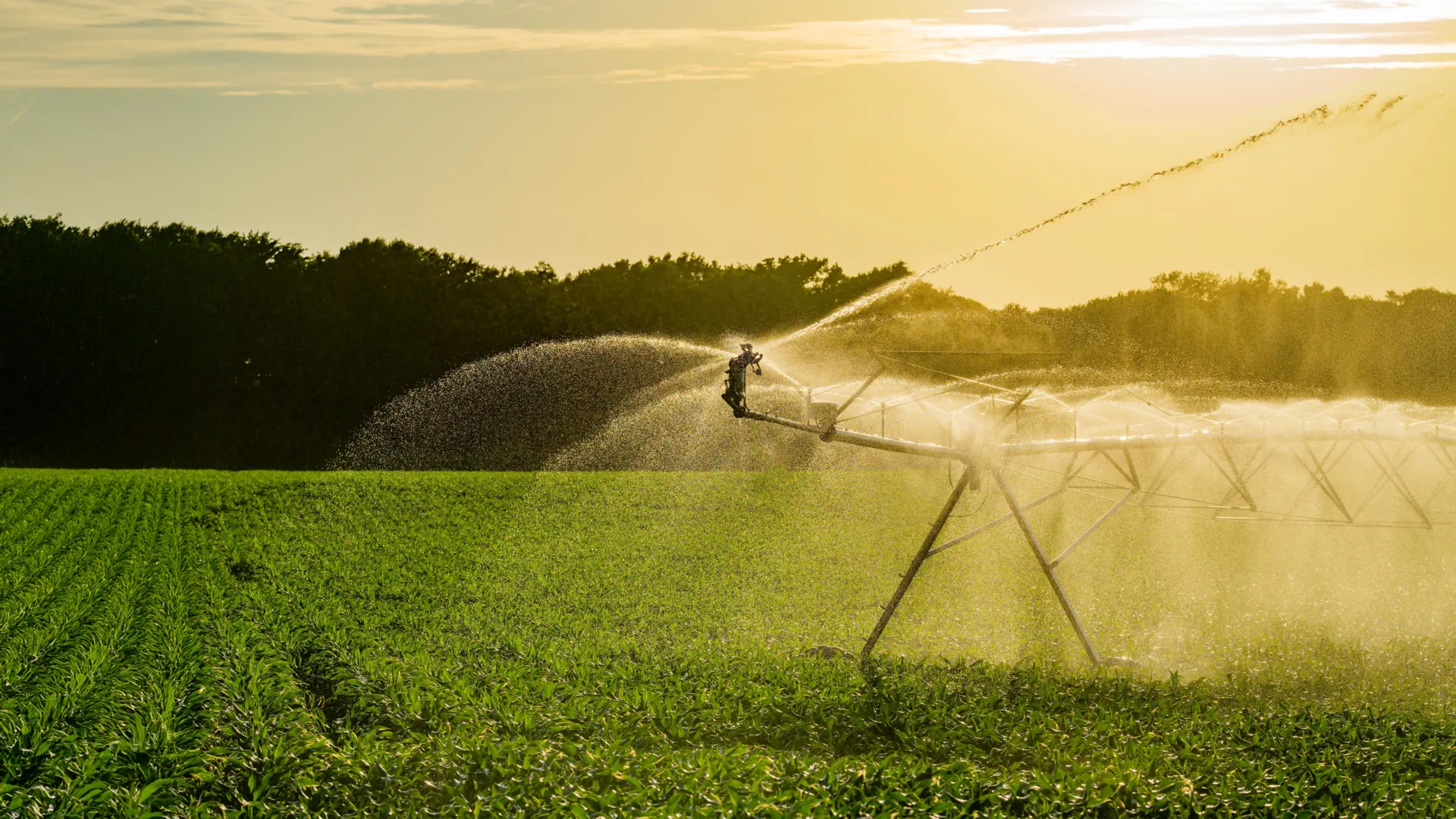
Irrigation’s climate benefit could equal 363 years of its own emissions
U.S. irrigation produces some greenhouse gas emissions, but new research suggests it prevents vastly more by allowing farmers to grow more food on less land. Without irrigation, replacing lost crop yields could require converting natural ecosystems into farmland, releasing an estimated 6.86 gigatons of greenhouse gases. That is equivalent to about 363 years of current annual U.S. irrigation emissions.