Science News

Latest science news, discoveries and scientific developments.

Vapor-phase synthesis of MXenes could expand their technological applications
Science News

Vapor-phase synthesis of MXenes could expand their technological applications

MXenes are two-dimensional nanomaterials first synthesized at Drexel University in 2011. They have been recognized by the International Union of Pure and Applied Chemistry as an emerging technology with "true potential to transform our world." But their widespread use has thus far been limited by the complicated process required to produce them.

📅 2026-09-17 19:50:02    •    Phys.org
Using sound waves to turn iron and water into magnetic nanoparticles
Science News

Using sound waves to turn iron and water into magnetic nanoparticles

Iron rusts on its own, slowly, over months or years. Now, researchers at Tohoku University have found a way to compress the process of metal reacting with water to form oxide, taking mere hours and using nothing more than ultrasound. Details were published in the journal Ultrasonics Sonochemistry.

📅 2026-09-17 19:40:06    •    Phys.org
New study explores US consumers' willingness to pay for fresh-market grape attributes
Science News

New study explores US consumers' willingness to pay for fresh-market grape attributes

A recent study examined U.S. consumers' preferences and willingness to pay for different attributes of fresh-market grapes, providing insights for growers, retailers and the fresh produce industry. The research evaluated how factors such as grape size, sweetness, seedlessness, color and production methods influence purchasing decisions. Findings reveal that certain attributes significantly affect consumer buying behavior, offering guidance on which traits could be emphasized to meet market demand and potentially increase sales.

📅 2026-09-17 19:40:01    •    Phys.org
Two spike 'keys' work together to let SARS-CoV-2 enter cells, study reveals
Science News

Two spike 'keys' work together to let SARS-CoV-2 enter cells, study reveals

To enter cells, the COVID-19 virus fuses its surrounding membrane with the membrane of the target cell. This is where the fusion peptides of the spike protein come into play. These regions function as molecular keys that allow the virus to open the door to the target cell and initiate fusion between the two membranes.

📅 2026-09-17 19:20:13    •    Phys.org
Activated learning-and-memory protein forms growing molecular chains, imaging reveals
Science News

Activated learning-and-memory protein forms growing molecular chains, imaging reveals

Researchers at the Nano Life Science Institute (WPI-NanoLSI) at Kanazawa University, Kyoto University, SOKENDAI and the National Institute for Physiological Sciences have revealed how CaMKIIα—a key brain protein involved in learning and memory—organizes itself into chain-like structures.

📅 2026-09-17 19:10:05    •    Phys.org
What kills Schrödinger's cat? Underground experiment rules out gravity model for quantum decoherence
Science News

What kills Schrödinger's cat? Underground experiment rules out gravity model for quantum decoherence

Somewhere between the microscopic realm of elementary particles and the macroscopic world of human beings, something strange happens: The rules of quantum physics, which work so exquisitely for tiny atoms, seem to lose their grip as objects grow larger. Pondering where and how this shift from small-scale quantum fuzziness to everyday sharp certainty happens gives rise to thought-experiment oddities like Schrödinger's famous dead-and-alive cat. The process by which quantum phenomena like superposition—the paradoxical affliction of Schrödinger's cat—fade into the classical reality we experience is known as decoherence.

📅 2026-09-17 19:00:11    •    Phys.org
What Wendell Berry meant to Christian farmers going green
Science News

What Wendell Berry meant to Christian farmers going green

In the late evening of Aug. 31, 2026, I missed a call from Jennifer, a seventh-generation cattle rancher in Georgia. She was one of more than 70 family farmers and ranchers across the rural U.S. South and Midwest whom I'd gotten to know through my research over the past five years. We still kept up from time to time, but a late-night call had me worried that something had gone awry on her farm.

📅 2026-09-17 19:00:01    •    Phys.org
How much do financial institutions really care about relationships?
Science News

How much do financial institutions really care about relationships?

How do you measure the value of a relationship? One way is forbearance—what the involved parties would give up to stay together. That's the principle used by Stephen Karolyi, associate professor of finance at the Costello College of Business at George Mason University, in his co-authored research on relationship lending in the banking industry.

📅 2026-09-17 18:40:10    •    Phys.org
A space shark, 'royal' auroras and a 'Venusian pearl': See the winners of the 2026 ZWO Astronomy Photographer of the Year contest
Science News

A space shark, 'royal' auroras and a 'Venusian pearl': See the winners of the 2026 ZWO Astronomy Photographer of the Year contest

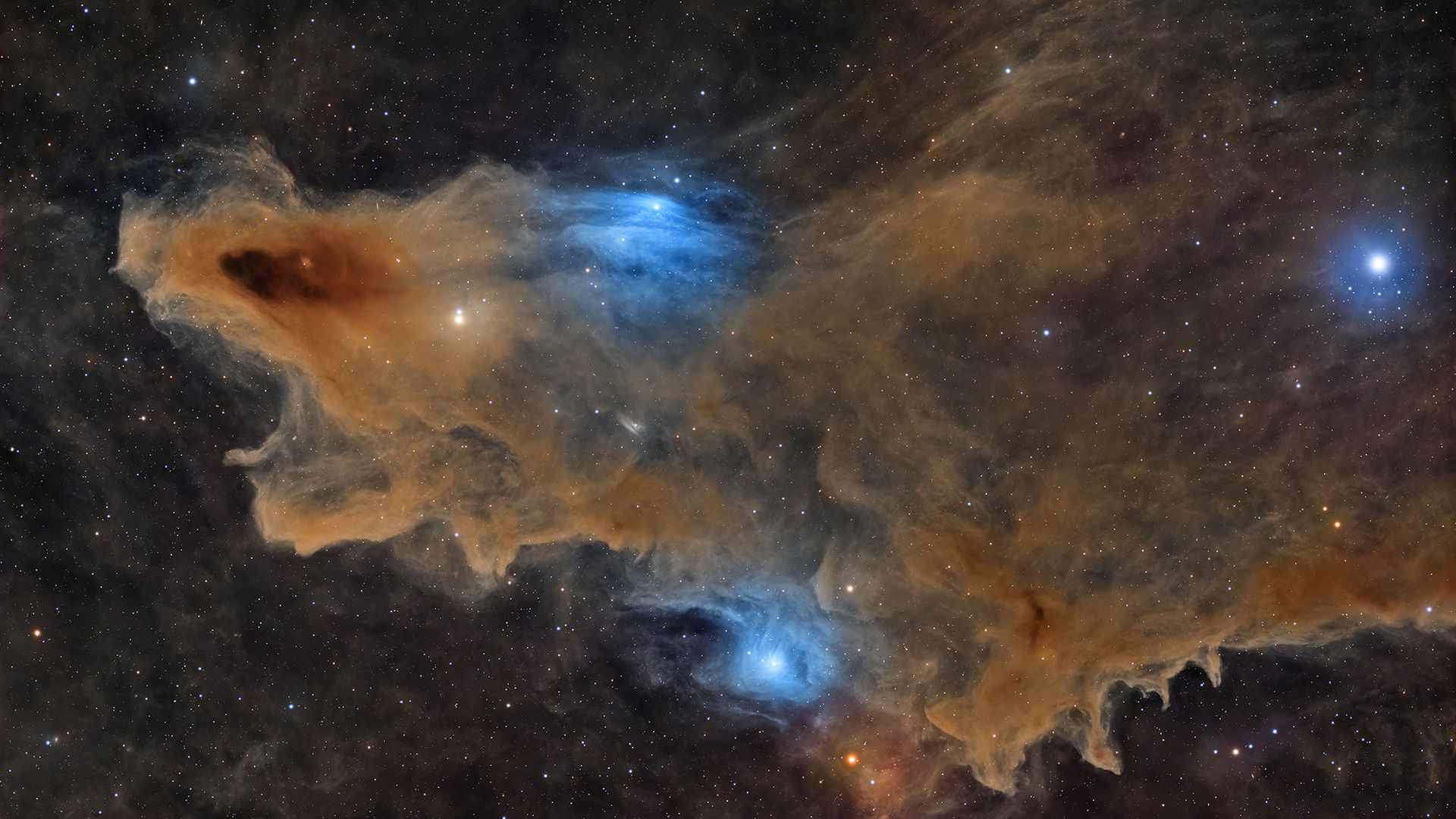
A picture of a distant, shark-shaped cloud of gas in space has earned the top prize in a Royal Observatory Greenwich contest for amateur space photographers.Dubbed "The Quiet Predator," the image by skywatcher Ali Alobaidly shows off the Shark Nebula (LDN 1235), which is roughly 650 light-years from Earth in the constellation Cepheus (the Whale). (For perspective, the nearest star system to our planet is only about 4 light-years away.) The stunning image was chosen as the overall winner of the Royal Observatory Greenwich's 18th ZWO Astronomy Photographer of the Year contest, whose honorees were announced Thursday (Sept. 17).Alobaidly took the prize-winning image from the Jahra governorate in...

📅 2026-09-17 18:30:00    •    Live Science
See the dazzling images that won Astronomy Photographer of the Year
Science News

See the dazzling images that won Astronomy Photographer of the Year

The Quiet PredatorThe Quiet Predator © Ali Alobaidly (Kuwait) The astonishing diversity of the cosmos is on display in the 2026 Astronomy Photographer of the Year competition, organised by the Royal Observatory in Greenwich, London. From our own solar system to distant nebulae, these images showcase the many wonders we can observe from the ground on Earth. The overall winner (above), The Quiet Predator, was taken by Ali Alobaidly in Kuwait. It shows a dense nebula 650 light years away, in the constellation Cepheus. This cloud of dust, called the Shark nebula, contains a few bright stars that make their surroundings glow blue. The nebula is so dark and distant that it took Alobaidly more than...

📅 2026-09-17 18:30:00    •    New Scientist
Scientists identify rare genetic mutation that dramatically raises risk of lung cancer in nonsmokers
Science News

Scientists identify rare genetic mutation that dramatically raises risk of lung cancer in nonsmokers

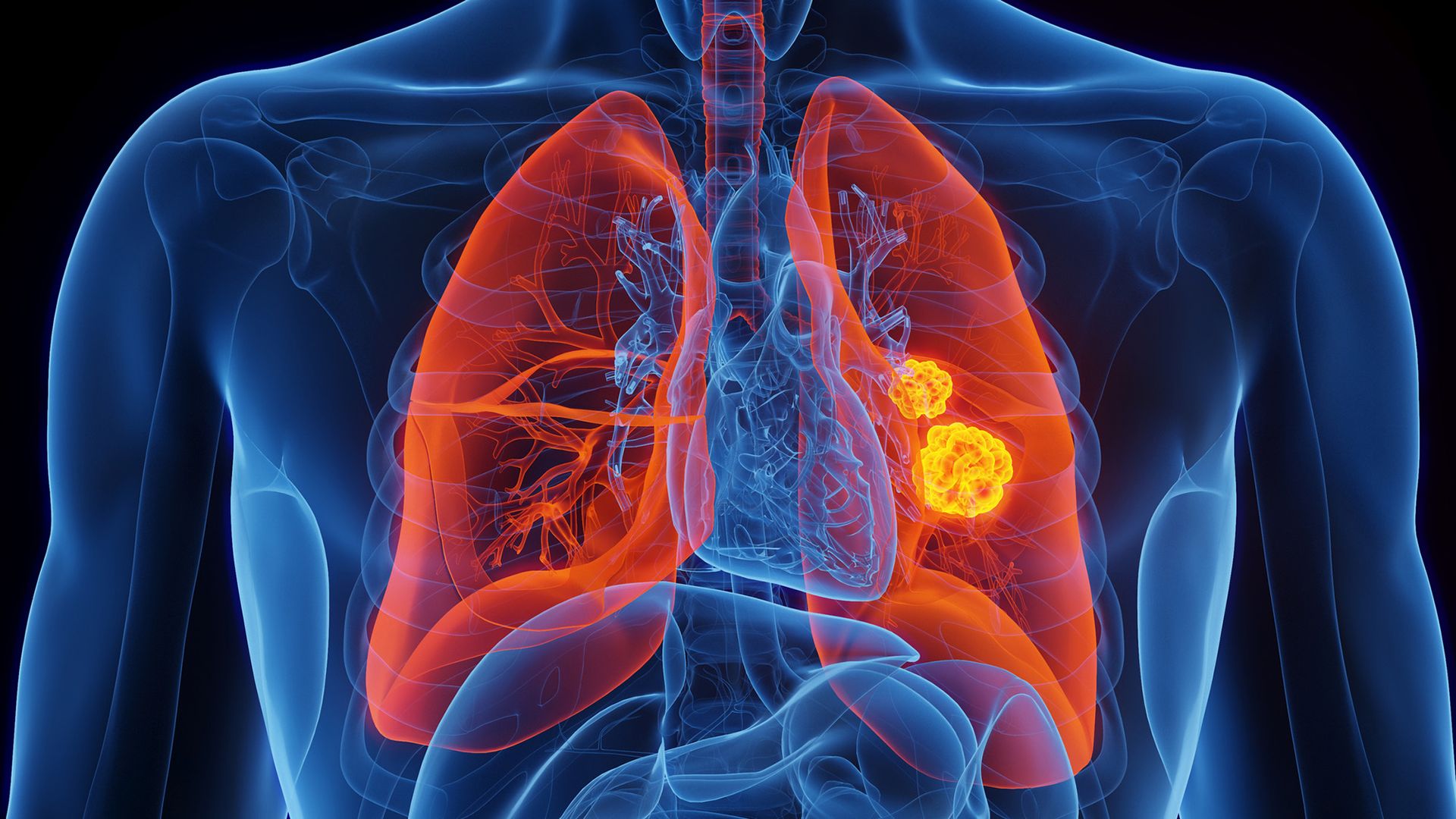
Scientists have identified an inherited genetic mutation that greatly increases the risk of lung cancer, even in people who have never smoked.The mutation involves the EGFR gene, which helps control cells' growth, division and survival. People who had never smoked and who had the genetic mutation — called EGFR T790M — were 62 times more likely to develop lung cancer than nonsmokers without the mutation, according to the new study, published Thursday (Sept. 17) in the journal Science. By comparison, people who smoked but didn't carry the mutation were four times likelier to develop lung cancer than nonsmokers, so the mutation alone carried a higher risk of the disease.Among people in the stud...

📅 2026-09-17 18:27:36    •    Live Science
Threatened bumblebee populations in England and Wales face severe genetic declines
Science News

Threatened bumblebee populations in England and Wales face severe genetic declines

A new study reveals that an important pollinator is rapidly losing genetic diversity in Britain. Moss carder bumblebees were once widespread across the UK, living in flower-rich meadows, marshes and heathlands, where they pollinated a wide variety of plants. However, the loss of these habitats has caused the species to retreat into strongholds along the country's coasts and islands.

📅 2026-09-17 18:20:21    •    Phys.org
This million-year-old 'baby planet' is the youngest world scientists have ever discovered
Science News

This million-year-old 'baby planet' is the youngest world scientists have ever discovered

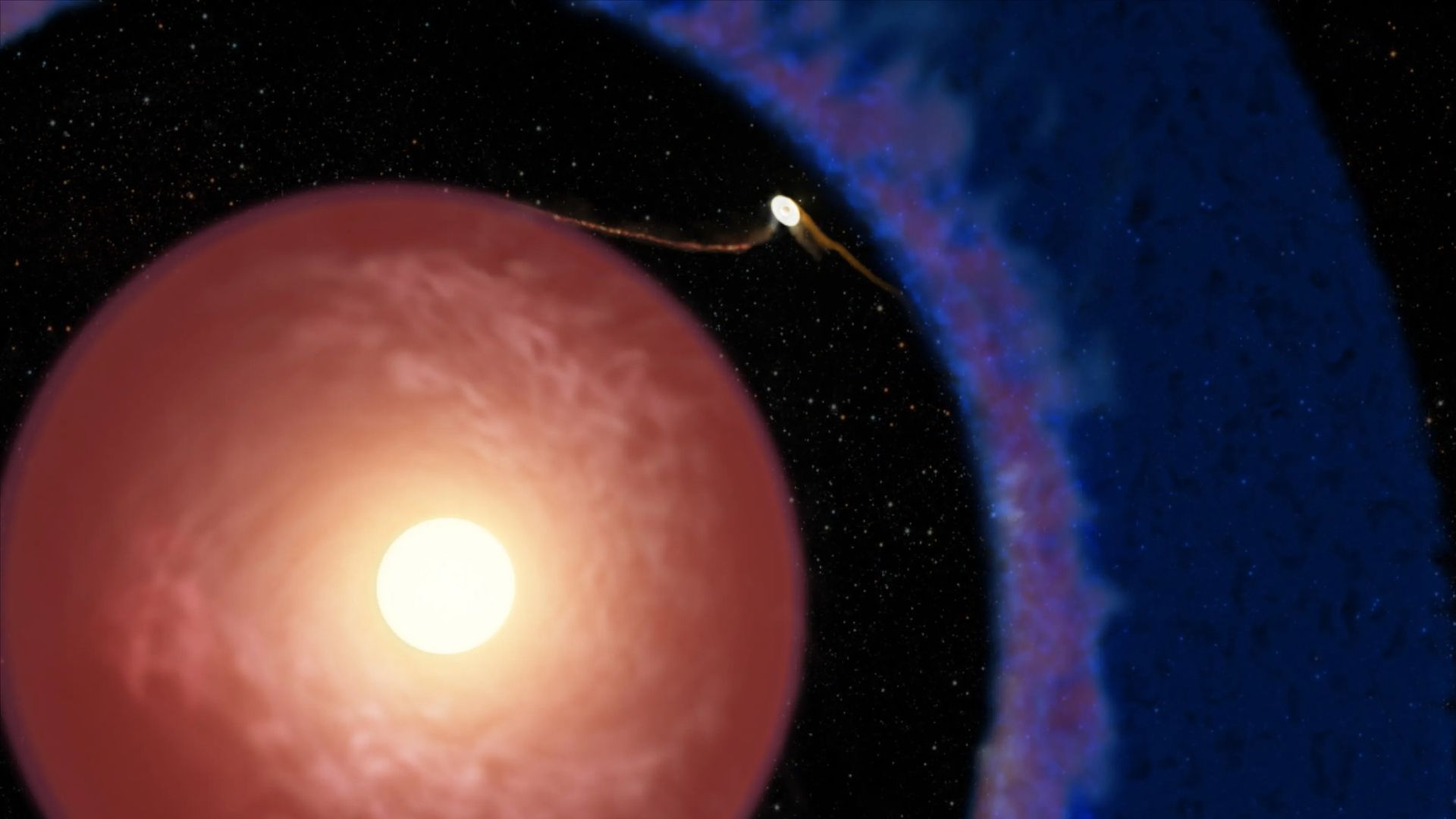
A "baby" exoplanet, discovered emerging from its cosmic cocoon around a nearby star, is the youngest alien world ever seen, a new study reveals. The planetary infant is less than 1 million years old and could help researchers study how other planets, including our own, took shape. The juvenile world, dubbed Elias 2-24 b, orbits a newly formed star around 450 light-years from Earth. It is somewhere between two and four times as massive as Jupiter and almost twice as far from its home star as Neptune is from the sun. Astronomers spotted initial signs of the hefty exoplanet in 2017, when they noticed a small gap in the star's protoplanetary disk — the swirling ring of gas, dust and other stella...

📅 2026-09-17 18:10:12    •    Live Science