Science News

Latest science news, discoveries and scientific developments.

New chemical wipes out 95% of termites without harming humans
Science News

New chemical wipes out 95% of termites without harming humans

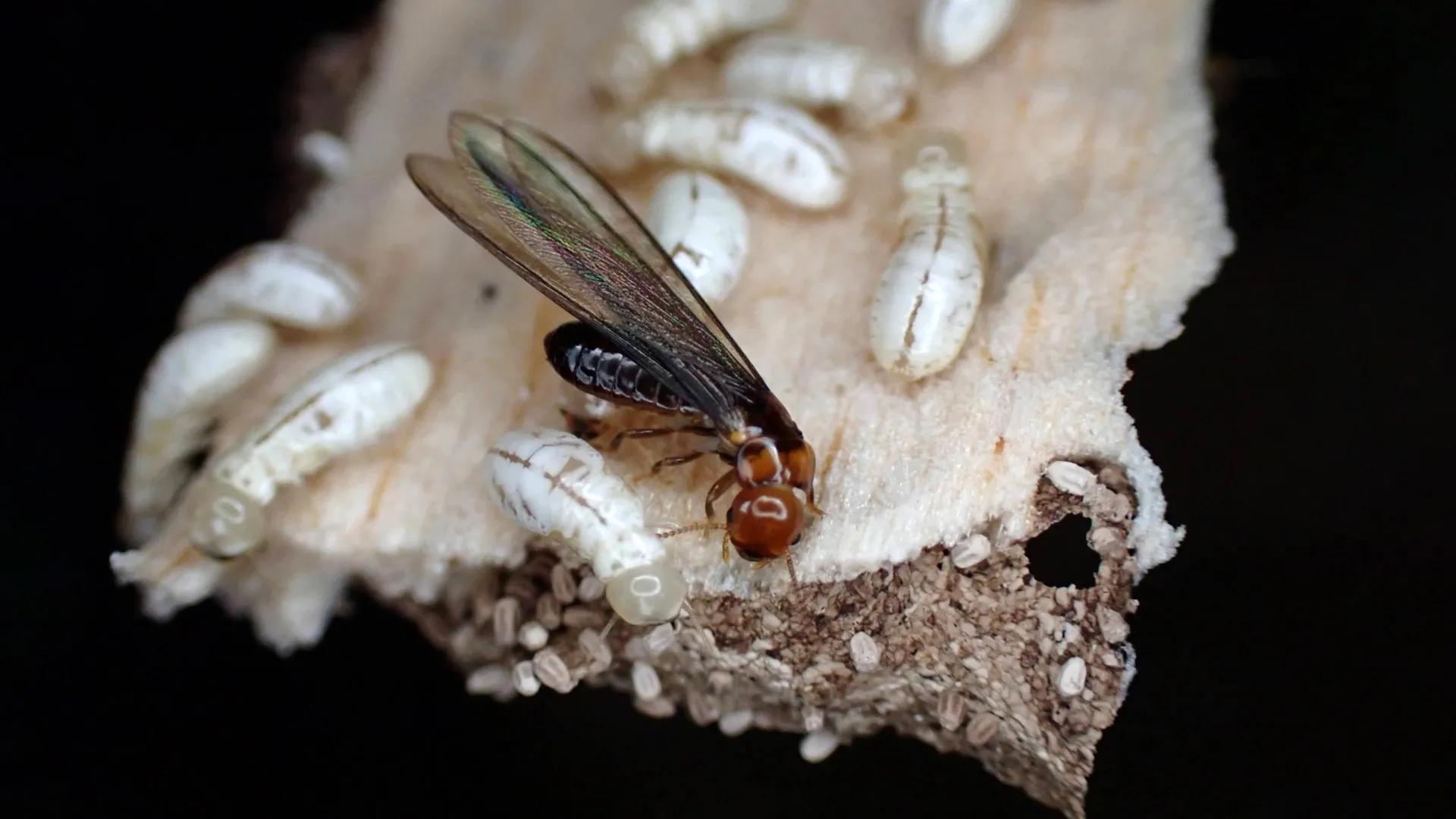
A chemical that stops drywood termites from building new exoskeletons killed about 95% of colonies in testing, offering a potentially safer alternative to traditional fumigation. Because termites eventually have no choice but to molt, the treatment turns a normal stage of their life cycle into a fatal weakness.
📅 2026-09-19 12:29:12    •    ScienceDaily
A giant crater may reveal the origin of Mars’ doomed moon
Science News

A giant crater may reveal the origin of Mars’ doomed moon

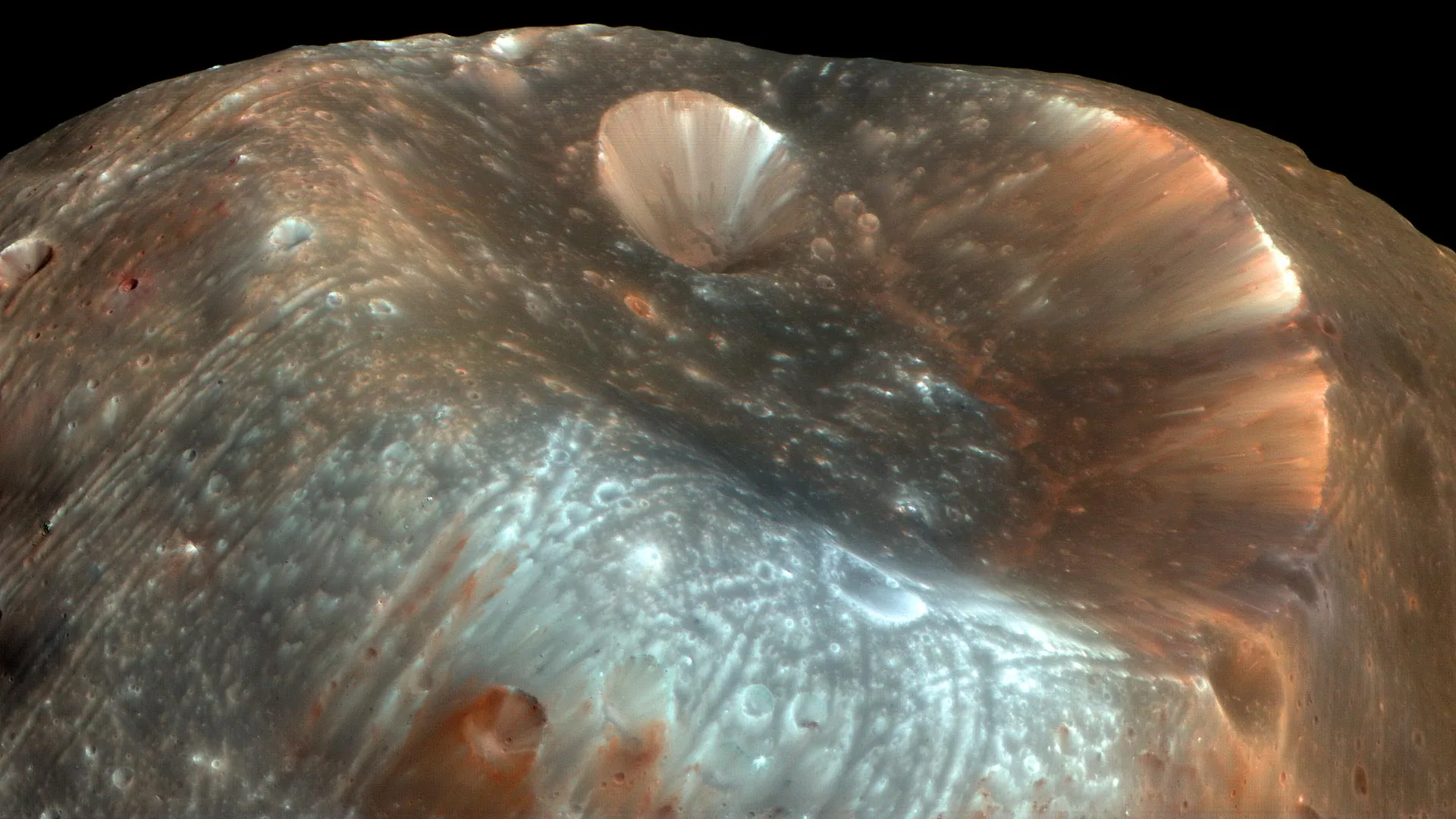
A massive crater on Mars’ moon Phobos may hide a dense region of compressed material that could reveal whether the moon is a captured asteroid or debris from an ancient impact on Mars. Japan’s upcoming MMX sample return mission could provide the measurements and physical evidence needed to solve the mystery.

📅 2026-09-19 12:12:41    •    ScienceDaily
Surviving the summer
Science News

Surviving the summer

Editor in Chief Nancy Shute discusses existential threats to humankind: extreme heat, never-ending drought and a plan to provide Earth with sunlight on demand.

📅 2026-09-19 12:00:00    •    Science News
An 'impossible' black hole merger may finally be solved thanks to Einstein's relativity — but it raises an even bigger mystery
Science News

An 'impossible' black hole merger may finally be solved thanks to Einstein's relativity — but it raises an even bigger mystery

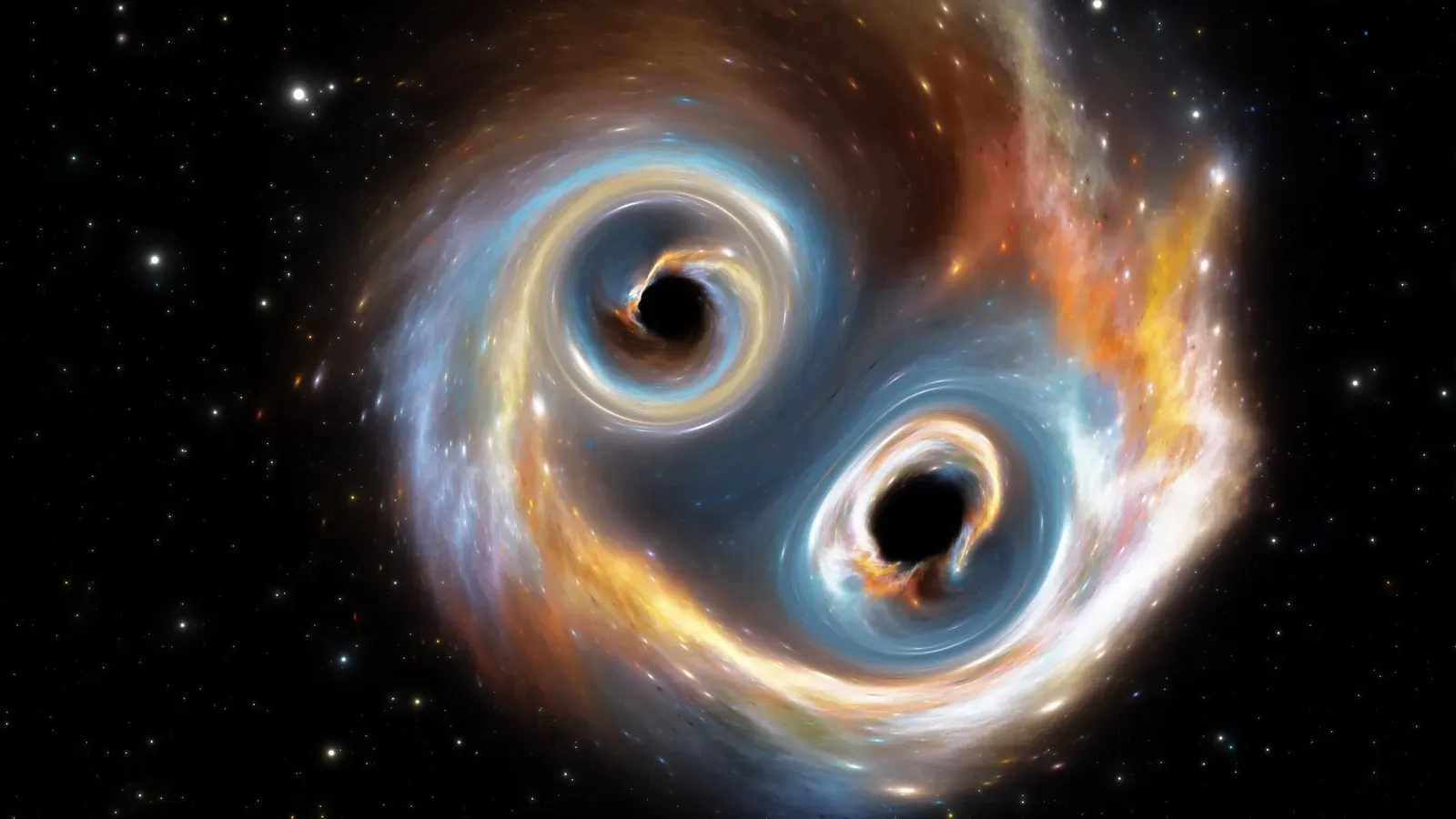
Astronomers suspect that a never-before-seen variation of a space-time phenomenon could explain an "impossible" black hole merger that has puzzled experts for years. But if their theory is true, it creates an entirely new mystery to solve. On Nov. 23, 2023, both halves of the Laser Interferometer Gravitational-Wave Observatory (LIGO) — located in Washington and Louisiana — detected an unusual set of gravitational waves. These ripples in the fabric of space-time can be triggered by some of the universe's most powerful events, such as exploding stars and rapidly spinning neutron stars. But in this case, the signal, dubbed GW231123, originated from a pair of colliding black holes around 2 billi...

📅 2026-09-19 12:00:00    •    Live Science
This deep-sea enzyme survives heat that destroys most proteins
Science News

This deep-sea enzyme survives heat that destroys most proteins

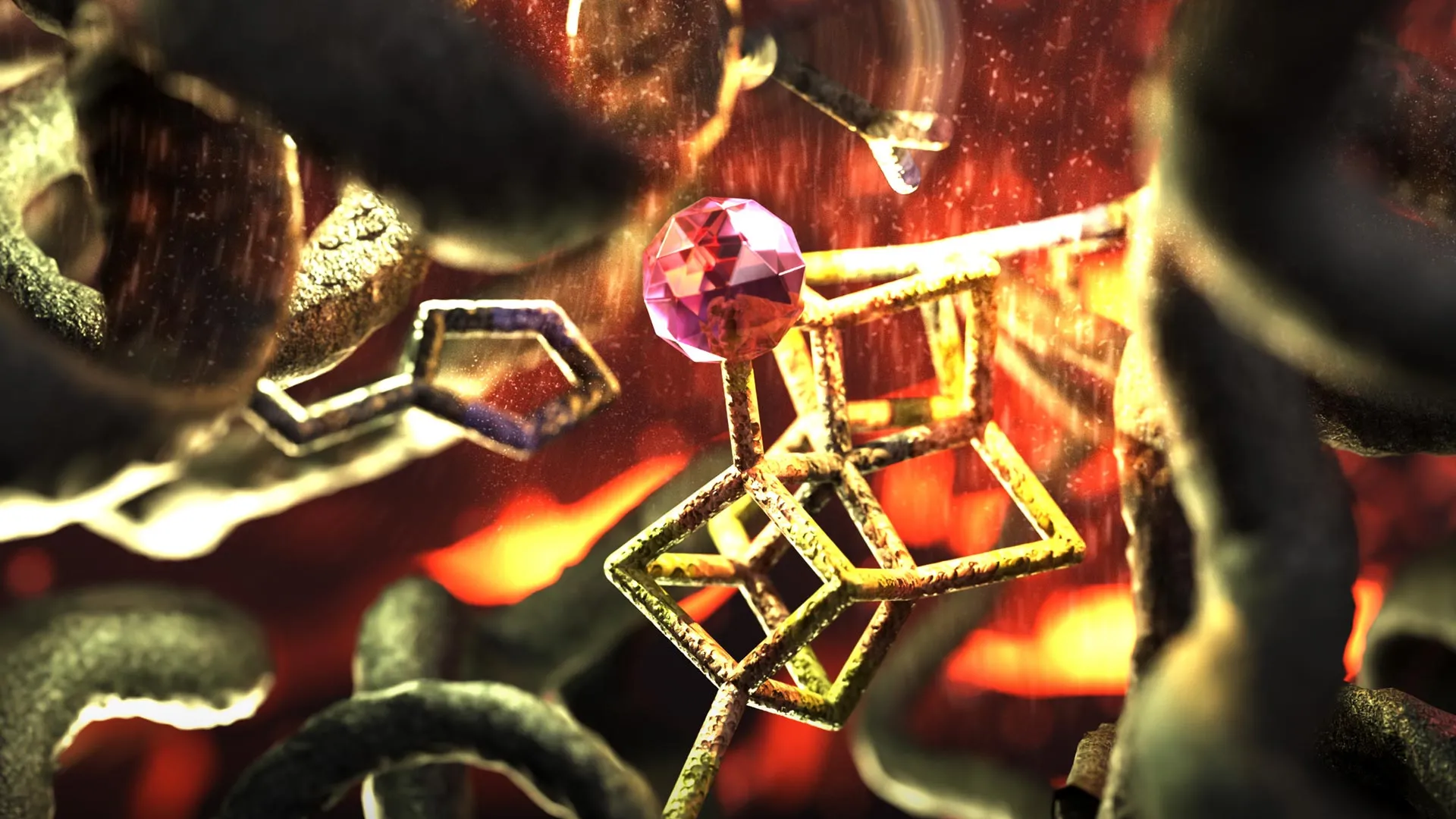
A deep-sea microbe uses an exceptionally heat-resistant enzyme to turn atmospheric nitrogen into ammonia at temperatures that would destroy most proteins. Its unusual structure and a newly observed reaction state may reveal an ancient, shared mechanism behind nitrogen fixation and could eventually inspire cleaner biotechnology and fertilizer production.

📅 2026-09-19 11:49:45    •    ScienceDaily
This tiny organism can shrink to one quarter its size in milliseconds
Science News

This tiny organism can shrink to one quarter its size in milliseconds

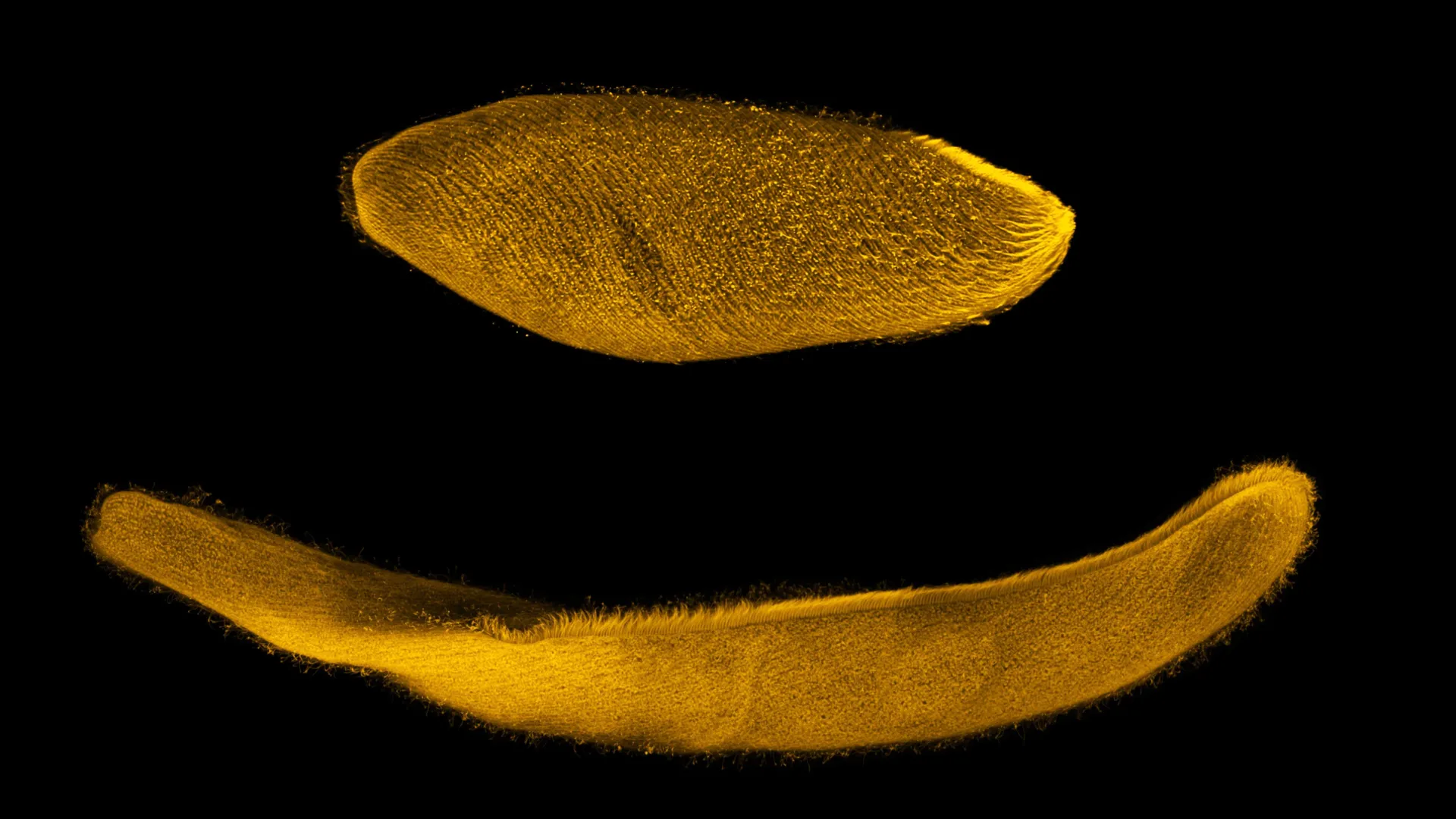
A single-celled organism can shrink to one-quarter of its length in milliseconds using a remarkable calcium-powered protein “fishnet.” Scientists hope its unusual machinery could inspire artificial muscles capable of moving far faster than today’s designs.

📅 2026-09-19 11:39:22    •    ScienceDaily
Scientists find that “perfect” systems may be surprisingly fragile
Science News

Scientists find that “perfect” systems may be surprisingly fragile

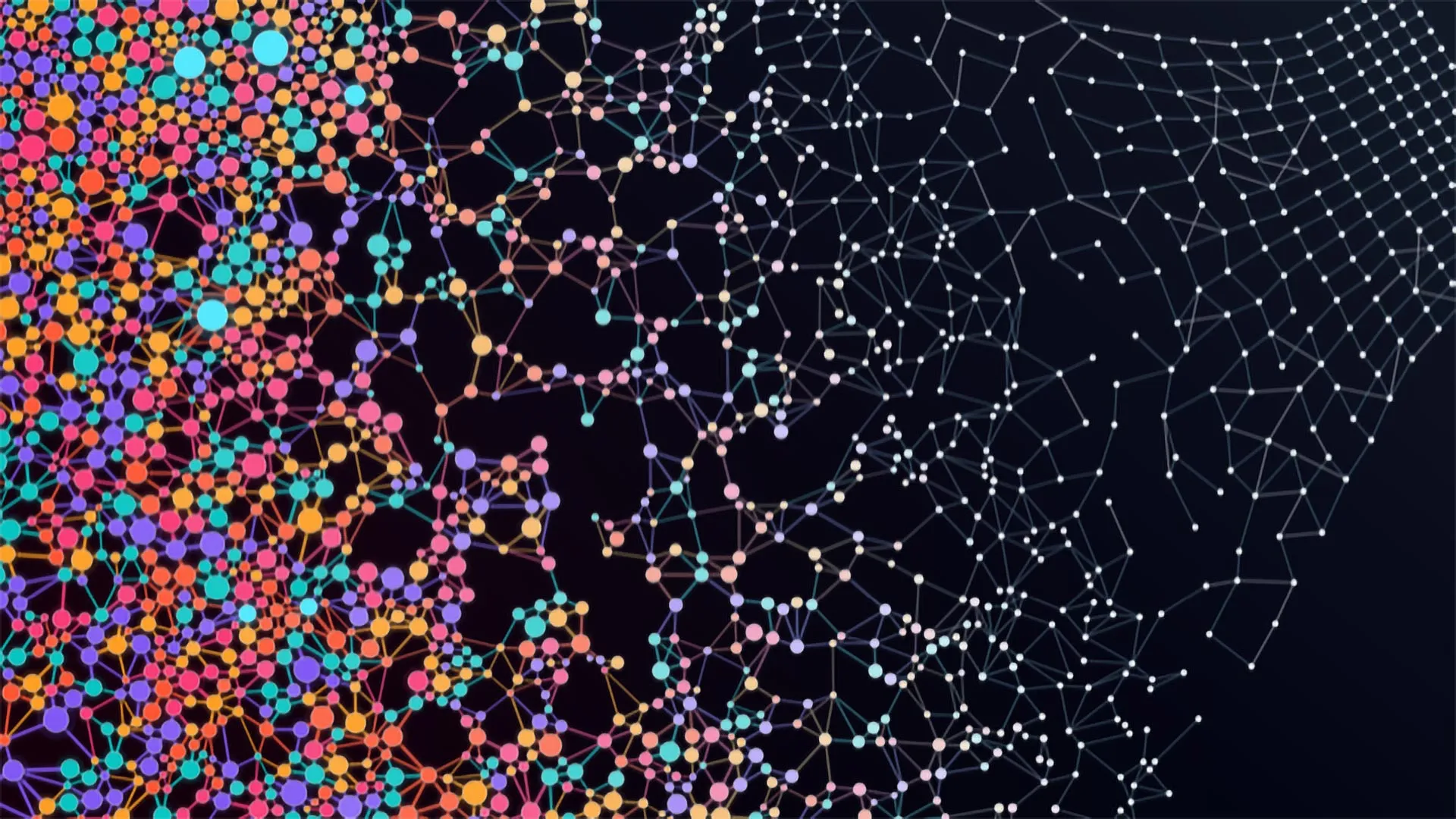
Complex systems may work better when their parts are not perfectly alike. Northwestern physicists found that carefully balanced variation, or “disorder,” can make networks such as power grids, ecosystems, neurons, and materials more stable. Even random differences sometimes improved stability compared with completely uniform systems. The discovery could help researchers design more resilient technologies and explain why natural systems are so rarely perfectly uniform.

📅 2026-09-19 11:26:53    •    ScienceDaily
Loss of Y chromosome in men could be an early warning sign of cancer
Science News

Loss of Y chromosome in men could be an early warning sign of cancer

A study initiated by Dr. Dan Theodorescu, a physician-scientist at the University of Arizona Cancer Center, revealed that the loss of the Y chromosome in men's body tissue could pave the way for cancer to develop. According to research recently published in JCI Insights, the loss of the chromosome, which is common in men as they age, creates a preneoplastic field effect, a hidden zone of genetic vulnerability in normal tissue that provides fertile ground for cancer to develop.

📅 2026-09-19 11:20:01    •    Phys.org
Kids involved with child protective services miss much more school than their peers
Science News

Kids involved with child protective services miss much more school than their peers

Across the country, kids are settling into new school-year routines. Parents buy backpacks, teachers arrange desks and lesson plans, and friends reconnect. But in recent years, empty chairs are becoming a more common sight—especially in classrooms where students are already facing the most adversity.

📅 2026-09-19 11:00:04    •    Phys.org
Scientists solve a 50-year mystery and discover a new human blood group
Science News

Scientists solve a 50-year mystery and discover a new human blood group

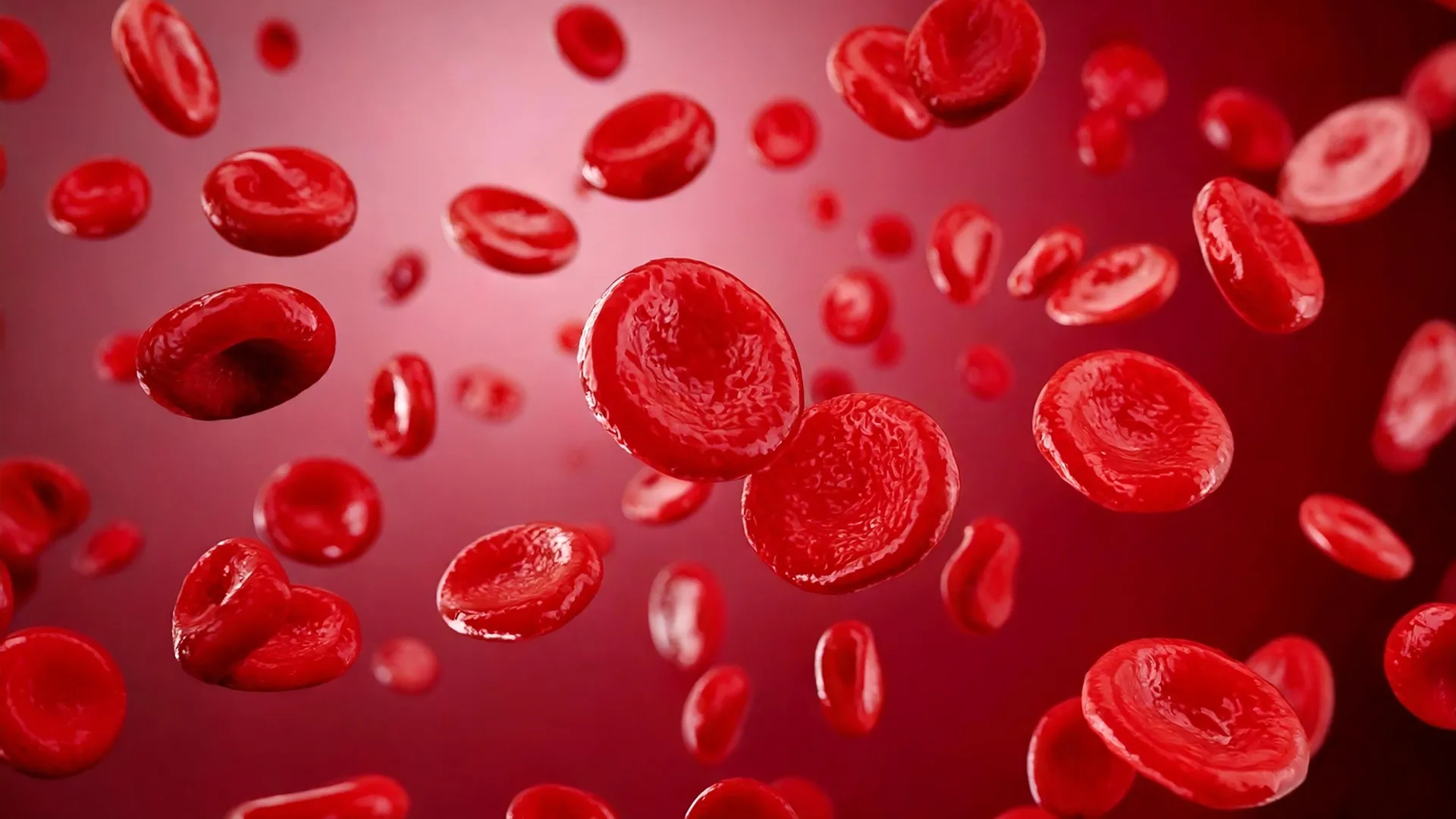
Scientists have identified the genetic cause behind the mysterious AnWj blood group antigen, solving a puzzle that began in 1972 and establishing a new blood group system called MAL. The discovery could make it much easier to find extremely rare AnWj-negative patients and donors and protect them from potentially dangerous transfusion reactions.

📅 2026-09-19 10:14:15    •    ScienceDaily
Sea surface temperature biases shift the North Pacific jet stream southward, study finds
Science News

Sea surface temperature biases shift the North Pacific jet stream southward, study finds

Climate models are numerical models used to project future climate change. They simulate the climate from the present into the future by calculating changes in the atmosphere, ocean and other components of the climate system. However, simulations of the present-day climate do not perfectly reproduce observations and contain various biases. The model characteristics that cause these biases can also affect simulations of the future climate. Understanding the causes and impacts of present-day climate biases is therefore important for improving the reliability of future climate projections.

📅 2026-09-19 09:50:01    •    Phys.org
Why does blond hair tend to darken with age?
Science News

Why does blond hair tend to darken with age?

If your blond preteen seems to be turning into a brunette, you're not imagining things. For some children, hair that starts out platinum blond gradually becomes darker and may end up dark brown, or even black, as they grow. So what causes this change? The short answer is that hair color is controlled by a complex interplay of genes, pigment-producing cells and, later in childhood, hormones. Scientists understand many of the genes involved in hair color, but they are still trying to find out why some blond children's hair darkens while others' locks remain blond for life. "It depends on their genetic inheritance," Desmond Tobin, a professor of dermatological science at University College Dubl...

📅 2026-09-19 09:00:00    •    Live Science
Improving urban flood forecasting with real-time hazardous rainfall detection
Science News

Improving urban flood forecasting with real-time hazardous rainfall detection

The Korea Institute of Civil Engineering and Building Technology (KICT) announced that it will apply its early detection technology for quasi-stationary linear rainbands and sudden localized torrential rainfall to the Urban Flood Forecasting Platform operated by the Han River Flood Control Office in Korea for urban flood forecasting.

📅 2026-09-19 03:20:02    •    Phys.org
Scientists discover the first diplodocus ever found outside North America
Science News

Scientists discover the first diplodocus ever found outside North America

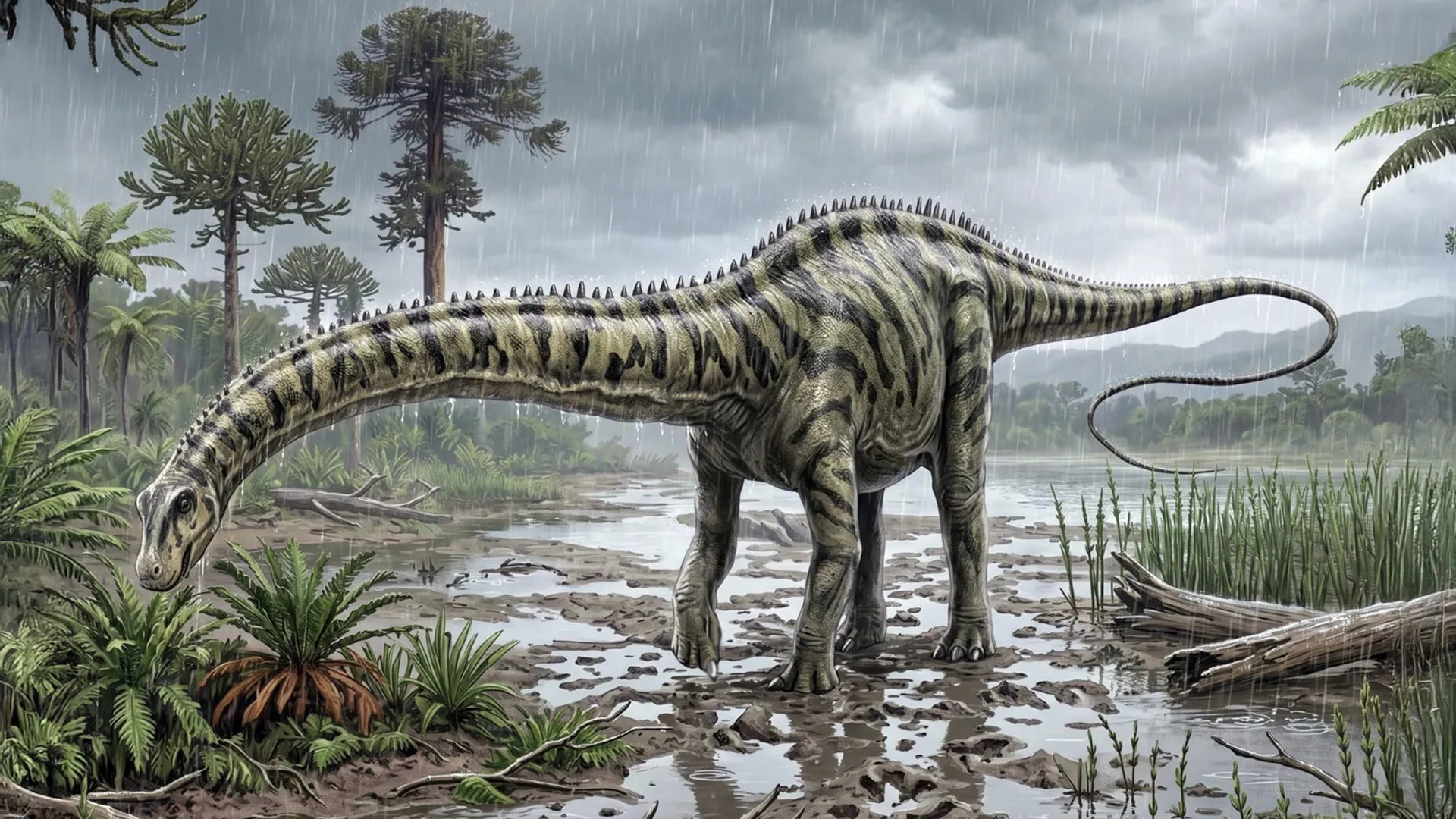
A 150-million-year-old dinosaur fossil from Spain has been identified as the first confirmed Diplodocus ever found outside North America. The giant sauropod measured about 25 meters long and was preserved well enough for researchers to match distinctive features in its tail bones to the famous genus. Its unexpected appearance in Europe suggests dinosaurs were moving between the continents during the Late Jurassic, possibly across temporary land connections.

📅 2026-09-19 02:51:08    •    ScienceDaily
How rural policing gaps can make escaping domestic violence harder
Science News

How rural policing gaps can make escaping domestic violence harder

Before murdering Molly Ticehurst in April 2024, court documents show Daniel Billings had threatened to exploit the limits of policing in her country town: "I will come in the middle of the night … The police won't stop me. I will get to you quicker than they will."

📅 2026-09-19 02:20:02    •    Phys.org
Billions in rare earth elements may be hiding in America’s coal ash
Science News

Billions in rare earth elements may be hiding in America’s coal ash

Scientists are looking to diatoms, sea sponges, and plants for a cleaner way to recover rare earth elements and other valuable minerals hidden inside coal ash, red mud, and mine tailings. The bio-inspired approach could turn massive industrial waste piles into useful materials while reducing energy use, harsh chemicals, and reliance on new mining.

📅 2026-09-19 02:08:56    •    ScienceDaily
Peer sexual harassment emerges early, highlighting need for prevention before Grade 4
Science News

Peer sexual harassment emerges early, highlighting need for prevention before Grade 4

Sexual harassment between peers begins as early as Grade 4 and continues throughout lower secondary school. Most of those who sexually harass others have also experienced harassment themselves. These are among the findings of a doctoral thesis in psychology by Aziz-Kaan Dönmez from the University of Gothenburg, who studied peer sexual harassment among Swedish children and adolescents in Grades 4–9. Dönmez will defend his thesis on October 2.

📅 2026-09-19 01:00:01    •    Phys.org