
Science News
Mathematician reveals the truth behind the Parthenon’s optical illusion
The Parthenon sits atop a platform that is curved into a subtle hill shape that some say makes the structure appear straighter—but is that true?
Latest science news, discoveries and scientific developments.
The Parthenon sits atop a platform that is curved into a subtle hill shape that some say makes the structure appear straighter—but is that true?

A Yellowstone super-eruption would begin not with a sudden surprise, but with weeks of increasingly alarming warning signs such as migrating earthquake swarms, rapid ground uplift, changing geysers, and rising volcanic gases. In a worst-case scenario, those signals could culminate in a VEI 8 eruption that blasts ash tens of kilometers into the atmosphere, unleashes deadly pyroclastic flows, buries parts of the western United States in ash, and cripples transportation, electricity, water systems, agriculture, and communications across much of North America.
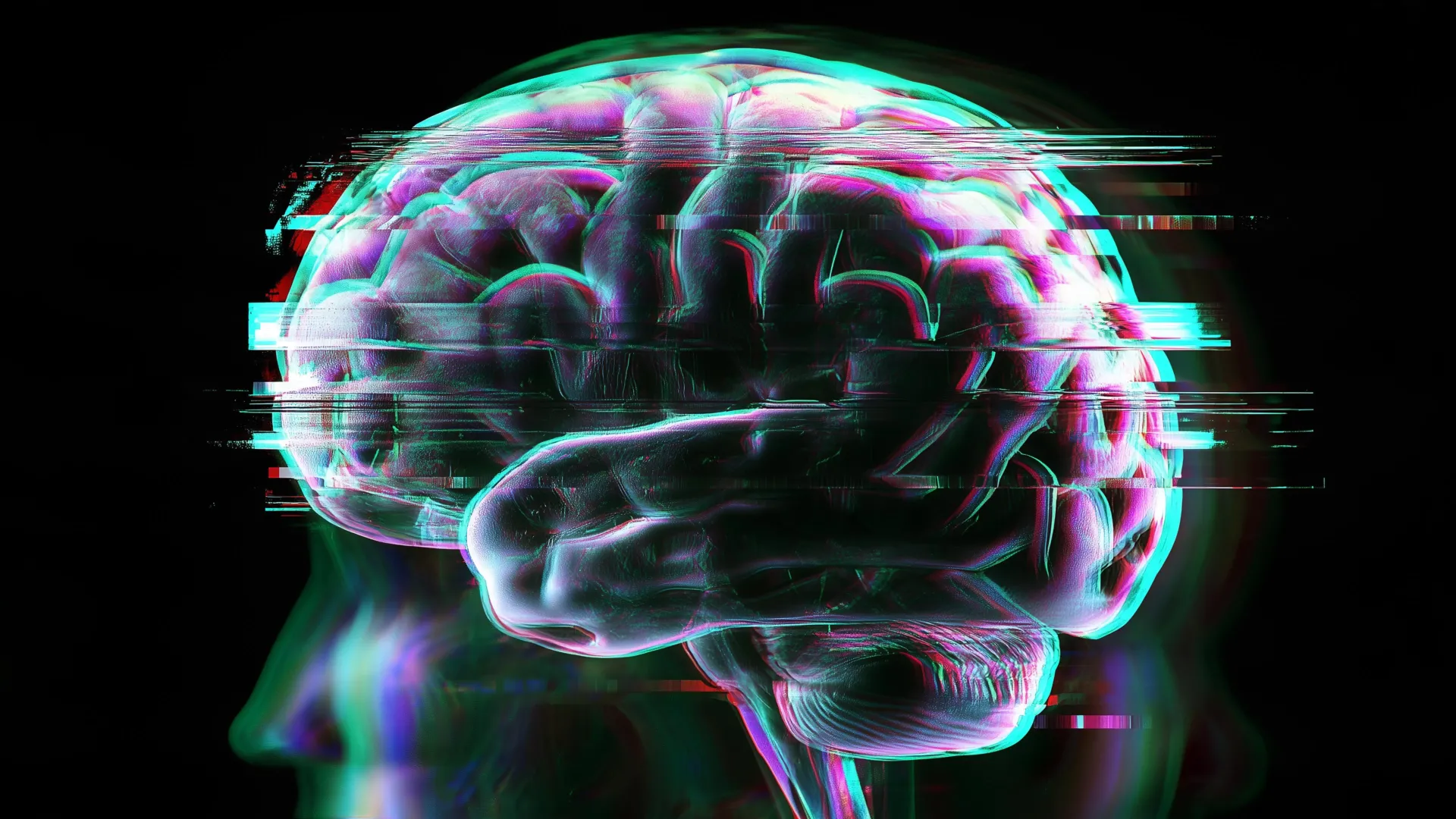
Researchers have found evidence that long COVID may damage dopamine releasing neurons in the brain, potentially explaining persistent fatigue, low motivation, slowed movement, and memory difficulties. The discovery could lead to new treatments that target the brain's dopamine system.
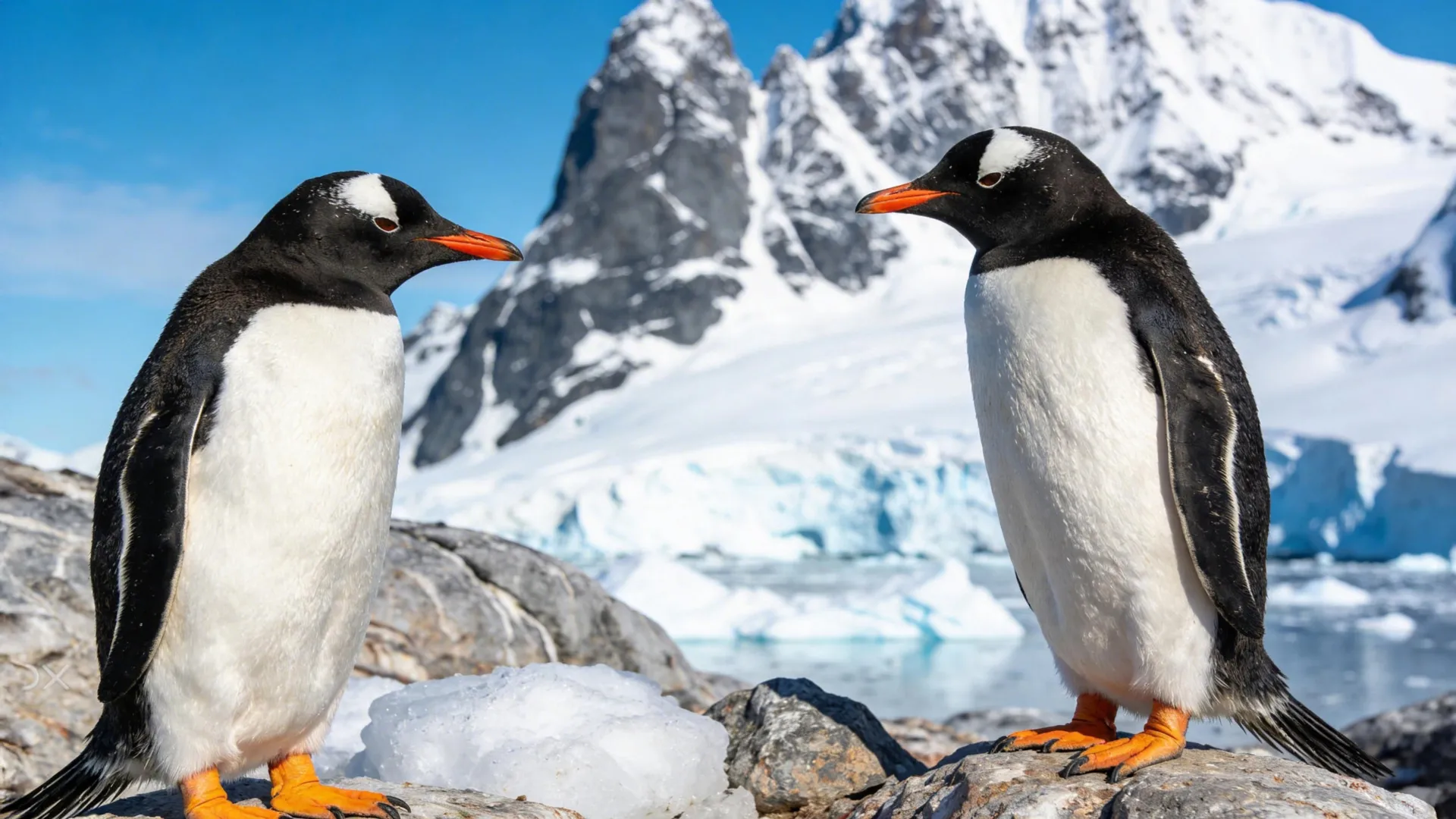
Genetic evidence has revealed a previously unknown gentoo penguin species on the remote Kerguelen Islands and shown that gentoos actually consist of four distinct species. The discovery also highlights a growing threat, as warming oceans could leave several island populations with little suitable habitat by 2050.

A study of more than 800 fast-food customers suggests that loyalty to a brand is shaped not only by satisfaction with the product or service but also by customers' emotional experiences. The study, published in the International Journal of Internet Marketing and Advertising, focused on fast-food consumers in Peru but could have implications for fast-food brands in other emerging markets.
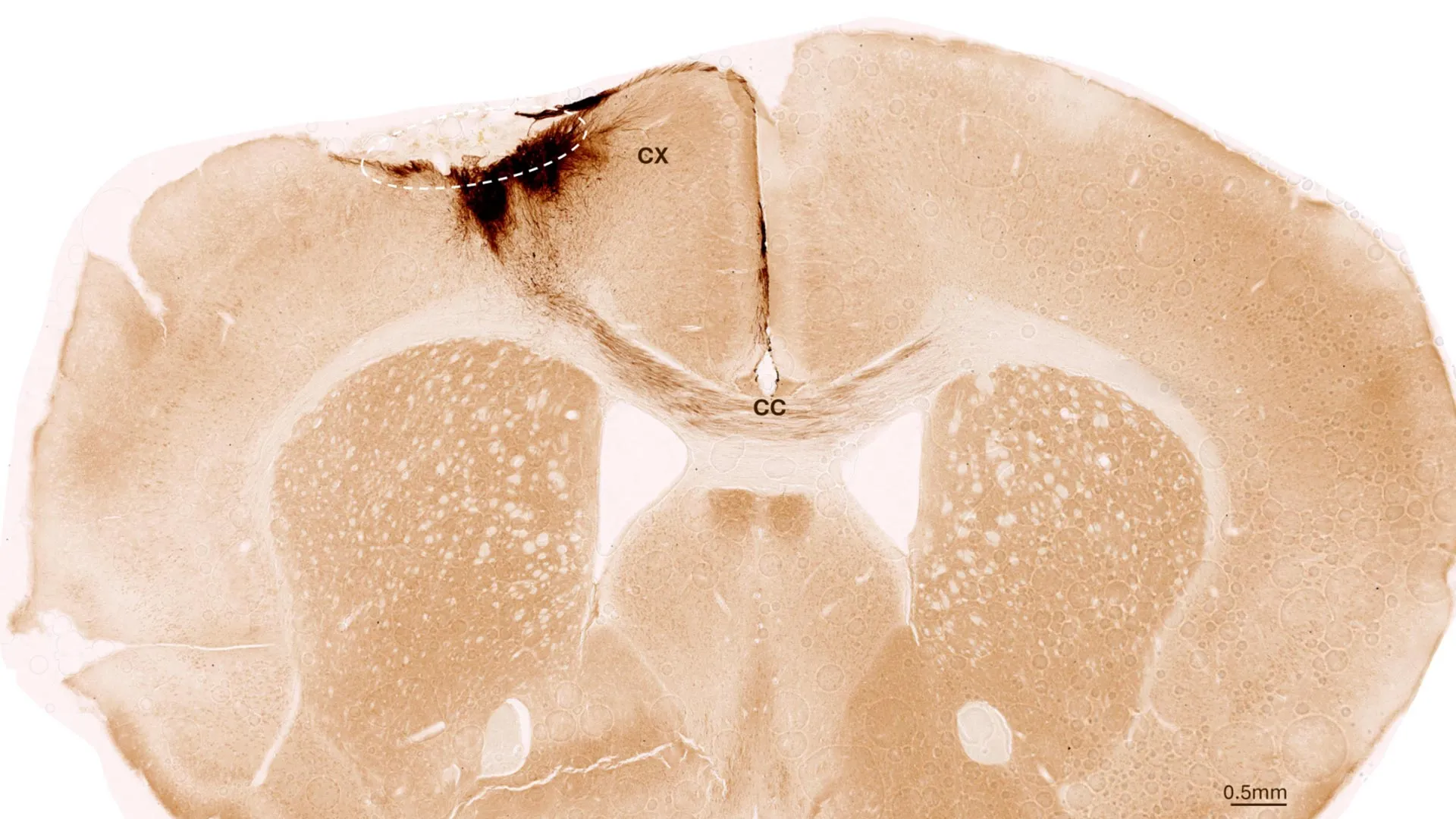
Stem cell transplants helped regenerate stroke-damaged brain tissue in mice, producing new neurons and restoring lost motor function. The treatment also improved blood vessels, inflammation, and the blood-brain barrier, raising hopes that a similar approach could eventually help repair the human brain after stroke.

Researchers have found that we know very little about how artificial intelligence use impacts younger school children's ability to learn and think.

Ph.D. candidate Natalia Seliutina has followed gemstones from the -30° temperatures of Siberia to the carving studios of Ōtepoti and the particle accelerators of Taiwan in her quest to discover why pounamu is one of the toughest natural materials on Earth. Fresh from the publication of Natalia's paper in the New Zealand Journal of Geology and Geophysics, Kathryn van Beek catches up with her to find out how understanding the properties of pounamu might one day help us explore space.

Who cuts emissions fastest, and who supports others in doing so, are central questions in global climate action. New IIASA-led research shows that building fairness into climate models from the start can inform deliberations without changing the overall climate goal.

Segregation is a multidimensional phenomenon deeply intertwined with historical, social and ecological contexts. Yet this more integrated perspective has received limited attention in the Global South. A recent study focusing on the city of Valdivia offers an exception, examining three key historical moments: colonization, the devastating 1960 earthquake and current struggles to protect urban wetlands.

A synthetic biology technology has been developed that converts easily degraded messenger RNA (mRNA) into a ring-shaped form inside microbial cells, increasing protein production.

Geopolitical rivalry, conflict, authoritarian nationalism and the systematic erosion of rules-based politics are reshaping the global order and putting cooperation under growing pressure. Yet the picture is more nuanced: While disruptive trends dominate the headlines, reforms are taking shape at the same time.

Gloeotrichia echinulata is a type of cyanobacterium that draws scrutiny because it tends to bloom in clear lakes, forming thick mats of visible green or white puffballs in otherwise clean water. Because of the slew of toxic compounds cyanobacteria can produce, blooms (historically called "blue-green algae") are of growing global concern. Yet, a new study by researchers at Bigelow Laboratory for Ocean Sciences and Oregon State University suggests this particular species might not deserve its maligned reputation.

Sulfur-crested cockatoos are surprisingly smart. In Australian cities such as Brisbane and Sydney, they've learned how to turn on drinking fountains by twisting the handle with their feet. In Sydney, they're even able to lift the lids of municipal garbage cans to get to the leftover food scraps inside.

More than 93,000 visible appearances of brands promoting unhealthy food and drink, alcohol, gambling and speculative products were recorded during coverage of the largest FIFA World Cup in history, new research has found. Unhealthy food and drink brands accounted for more than seven in 10, with 65,722 appearances.

While the Discovery Channel's annual Shark Week event has given the public greater familiarity with sharks, much about them—from their mysterious love lives to how their eating habits bring them into conflict with recreational anglers—remains a mystery to scientists. Now, two new studies led by researchers from the University of Massachusetts Amherst peer into these important aspects of shark biology to help guide real-world conservation strategies.

A University of Iowa-led research team has reported in a new study the most detailed observations to date of the bow shock at Jupiter, our solar system's gas giant. The findings from NASA's Juno mission reveal key differences between Jupiter's bow shock and Earth's. They also may lead to a better understanding of the physics of how shocks function in even more powerful energy releases, such as those from dying stars. The research is published in Nature Communications.

Marine scientists have been amazed to discover an endangered sea cucumber can live for decades, with some animals living more than 100 years, in a first-of-its-kind genetic mark-recapture study. Australian Institute of Marine Science (AIMS) Senior Principal Research Scientist Dr. Sven Uthicke said the findings suggested black teatfish sea cucumber populations recover much more slowly than previously thought and that this had implications for commercial fishery catch limits.
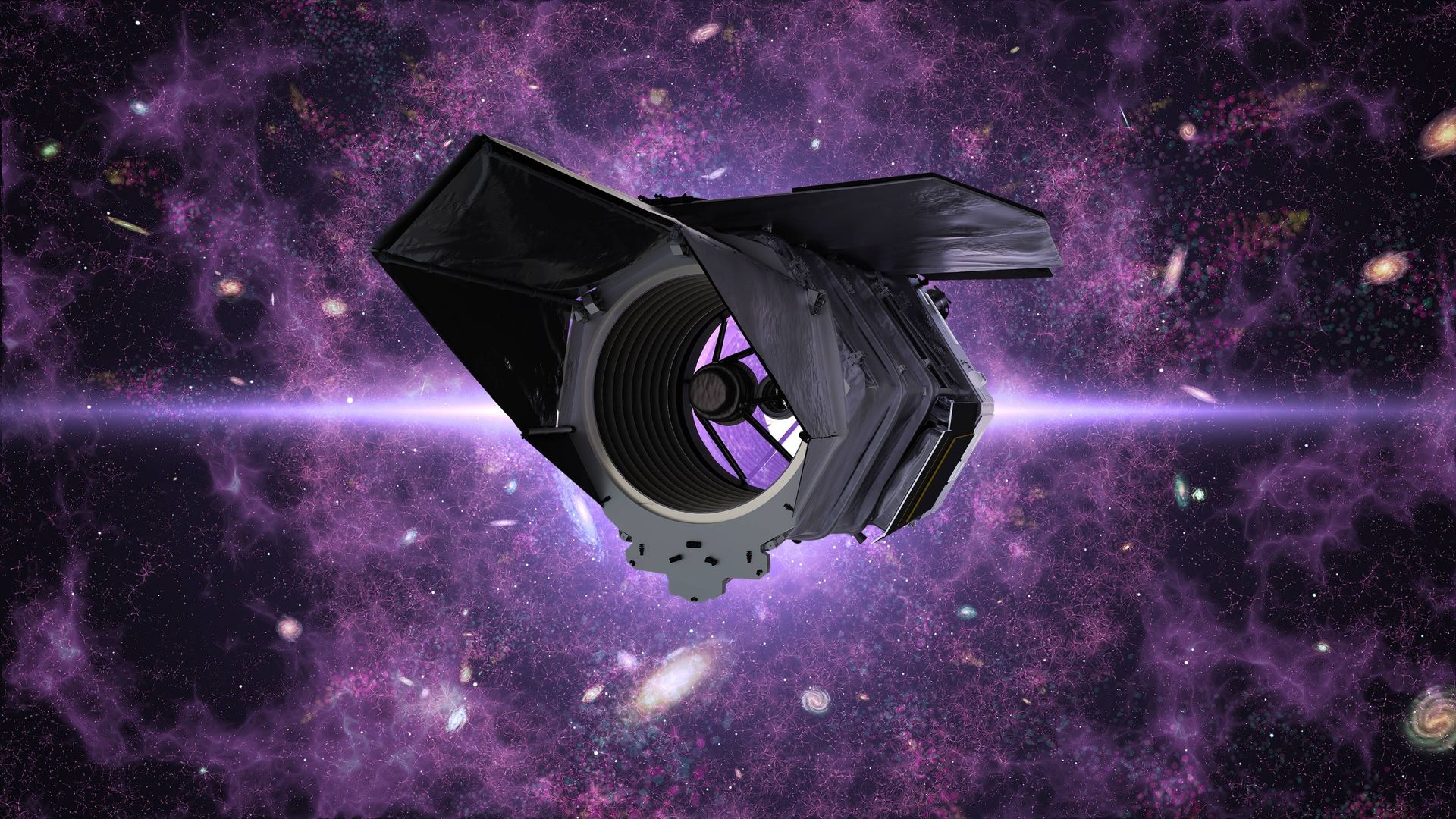
Related storiesNewly confirmed 'baby planet' is the youngest alien world scientists have ever discovered60 million stars: Euclid space telescope snaps the most detailed photo of the Milky Way ever takenAn 'impossible' black hole merger may finally be solved thanks to Einstein's relativity — but it raises an even bigger mysteryNASA's latest space telescope has officially taken its first photos of our universe. Launched on Aug. 30, the Nancy Grace Roman Telescope is on its way to Lagrange point L2, a "parking spot" in space about a million miles (1.6 million kilometers) from Earth where it will begin scanning deep space. Using its 300-megapixel camera, Roman captured hundreds of stars as green...

About 100 years ago, archaeologists unearthing pottery sherds in Tampa Bay found something unexpected. Some of the fragments they recovered had designs nearly identical to decorated pottery found hundreds of miles to the north. At least on the surface, the pottery appeared to be Mississippian, a culture that emerged more than 1,000 years ago and brought social, economic and political transformation across southeastern North America. For years, archaeologists excluded peninsular Florida from maps of its range, but the artifacts suggested a different story.