
Research Institutions
Stories from the steel mills: A model for sharing workers’ histories
MIT anthropologist Chris Walley developed a project for people in Southeast Chicago to tell their histories — an approach any community can adopt.
Latest research findings, studies and research developments.
MIT anthropologist Chris Walley developed a project for people in Southeast Chicago to tell their histories — an approach any community can adopt.
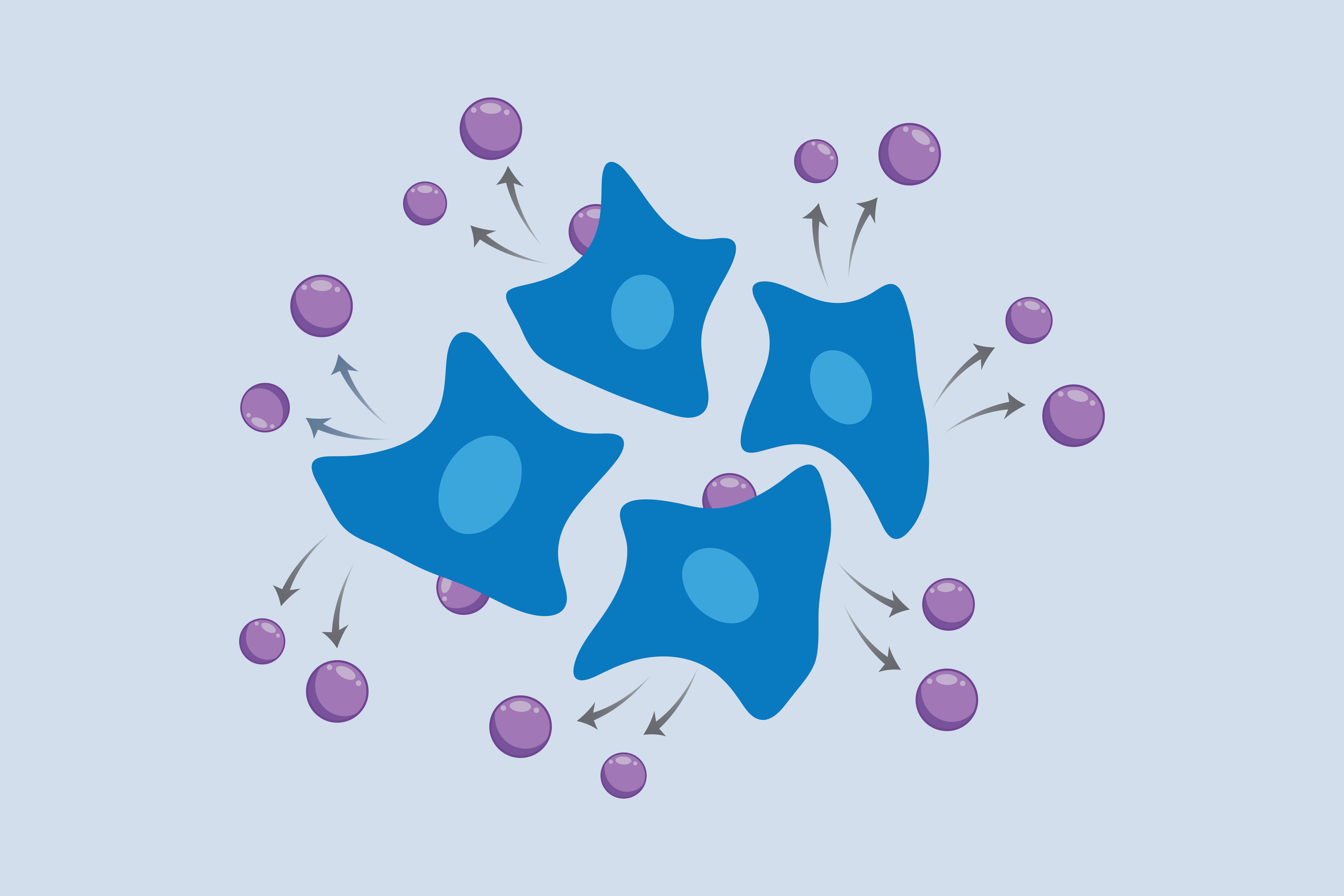
In the new method, cells package and export their RNA, enabling researchers to sequence and analyze the RNA without killing the cells.

The five-day festival will explore the future of science, technology, art and design from Wednesday, Sept. 30 to Sunday, Oct. 4
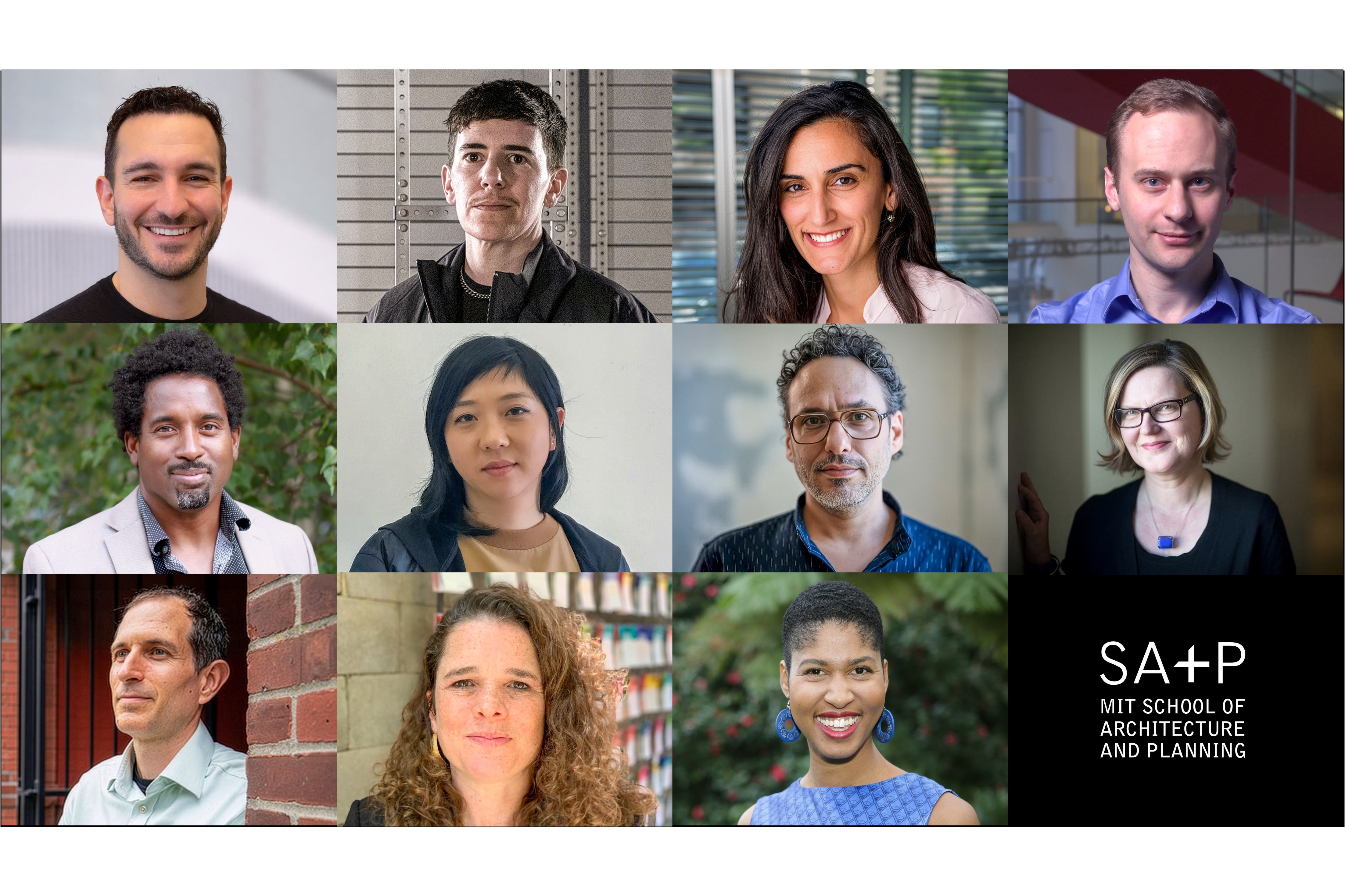
The range of faculty disciplines showcases the breadth of research and scholarship across the school.
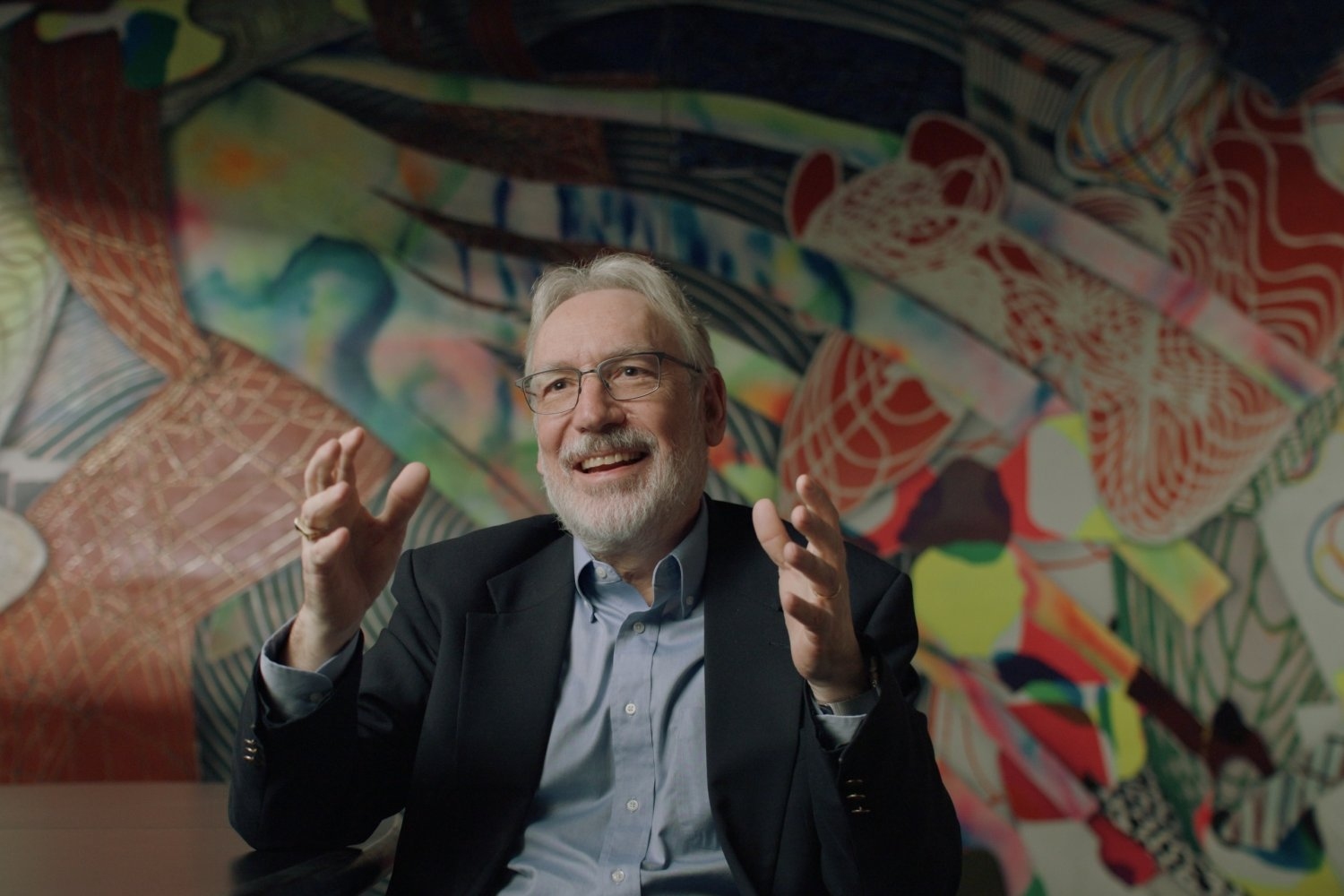
Duane Boning, MIT’s vice provost for international activities, discusses the Institute’s approach to global engagement.

Cancer cells release antioxidants to prevent immune cells from destroying them Craig Brierley Thu, 09/03/2026 - 19:00 Now, scientists have discovered that certain immune cells depend on these very molecules to activate and destroy cancer cells, and that tumours exploit this dependency by releasing natural antioxidants to shut down the immune attack.The findings, published today in Science, could help improve the effectiveness of cancer immunotherapies. Our immune system keeps us healthy by hunting down and destroying harmful material, including invading bacteria and viruses, but also cancer cells. It does so by deploying a number of different types of immune cells, including specialised cells known as T cells. These T cells hunt down and destroy tumour cells, but T cells need small amounts of reactive oxygen species to activate and switch on their killing ability.A team at the University of Cambridge, UK, and Oregon Health & Science University, USA, analysed the fluid surrounding cells within tumours grown in mice and found that cancers chemically ‘smother’ T cells, stopping their activation and preventing them from destroying cancer cells. Tumours do this by releasing large amounts of a protein that is a natural antioxidant, Peroxiredoxin 1 (PRDX1), which mops up reactive oxygen species and deprives T cells of the activating signals they need to perform cancer killing. Next, the team used CRISPR gene-editing technology to create mouse cancer cells that could no longer make the antioxidant protein. They found that removing the capacity for the cancer cells to produce the antioxidant promoted immune-cell activity and limited tumour growth.Finally, the team looked for the same mechanism in people. They analysed published data on the proteins released by human cancer cell lines, examined gene activity across thousands of human tumours, and isolated the fluid surrounding tumours removed from patients. All three approaches pointed the same way: human cancers also release PRDX1 into their surroundings, where it can strip away the reactive oxygen species that T cells depend on.Dr Xan Wesolowski from the Department of Pathology at the University of Cambridge, one of the lead authors, said: “We tend to think of reactive oxygen species purely as damaging byproducts of metabolism. But we are increasingly understanding they have important functions within cells, and T cells need them to activate. Our study develops this picture, revealing that tumours can exploit this very dependency to evade elimination.”The treatment of cancer is increasingly moving towards leveraging the immune system to eradicate the disease. However, while immunotherapies can be incredibly effective, they are only effective in some patients. Removing the ability of cancer cells to produce PRDX1 enhanced the cancer’s response to immunotherapy.Professor Rahul Roychoudhuri, also from Cambridge’s Department of Pathology, said: “We’ve found a new way by which cancers shut down the immune system. When we block this process, tumours that don’t respond to some immunotherapies start responding to treatment. That tells us this is a pathway worth targeting therapeutically, and there are several ways we might be able to achieve this.”Dr Robert Eil from the School of Medicine at Oregon Health & Science University said: “Our study suggests a possible way to boost T cell immunotherapies. Rather than using antioxidants, it could be that prooxidants can kickstart the T cells into action against tumour cells.”The findings also carry broader implications. Several large randomised clinical trials have found that antioxidant supplements fail to reduce cancer risk, and in some cases worsen outcomes. The discovery that T cells depend on reactive oxygen species to fight tumours may help to explain why: antioxidants could inadvertently blunt the immune system's ability to attack cancer. However, the team stresses that as its findings are in preclinical laboratory models, and people living with cancer should not change their treatment or diet without medical advice.The research was largely funded by the Medical Research Council, European Research Council, Wellcome and the National Institutes of Health/National Cancer Institute.ReferenceWesolowski, AJ, et al. Tumor-derived antioxidants suppress immunity by depriving T cells of reactive oxygen species. Science; 3 Sept 2026; DOI: 10.1126/science.adz8203 We’ve found a new way by which cancers shut down the immune system. When we block this process, tumours that don’t respond to some immunotherapies start responding to treatment Rahul Roychoudhuri National Institutes of Health Killer T cells surrounding a cancer cell Yes Licence type Public Domain
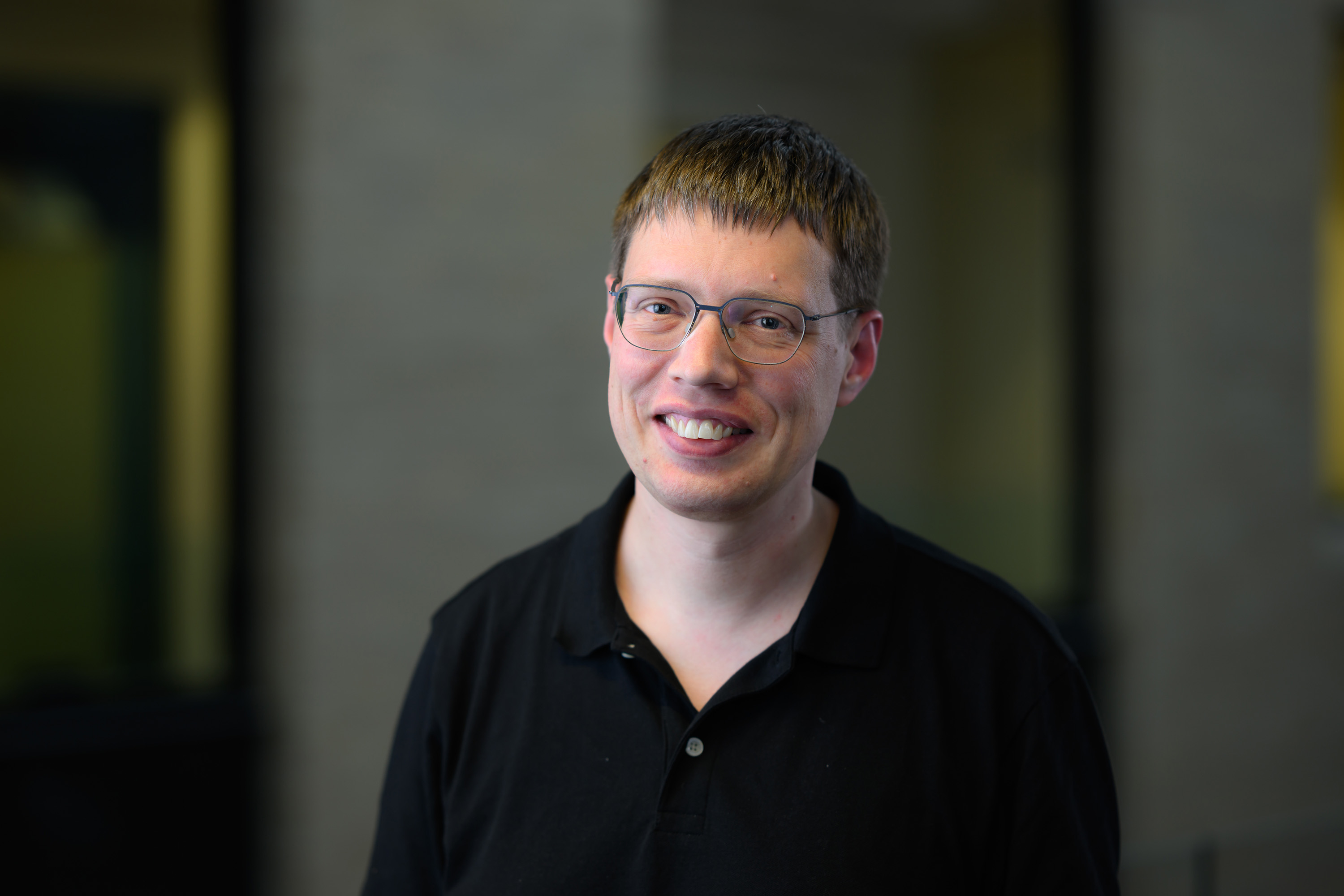
Colleagues remember Rose as an enthusiastic and gracious friend who had recently started a promising research track at MIT.
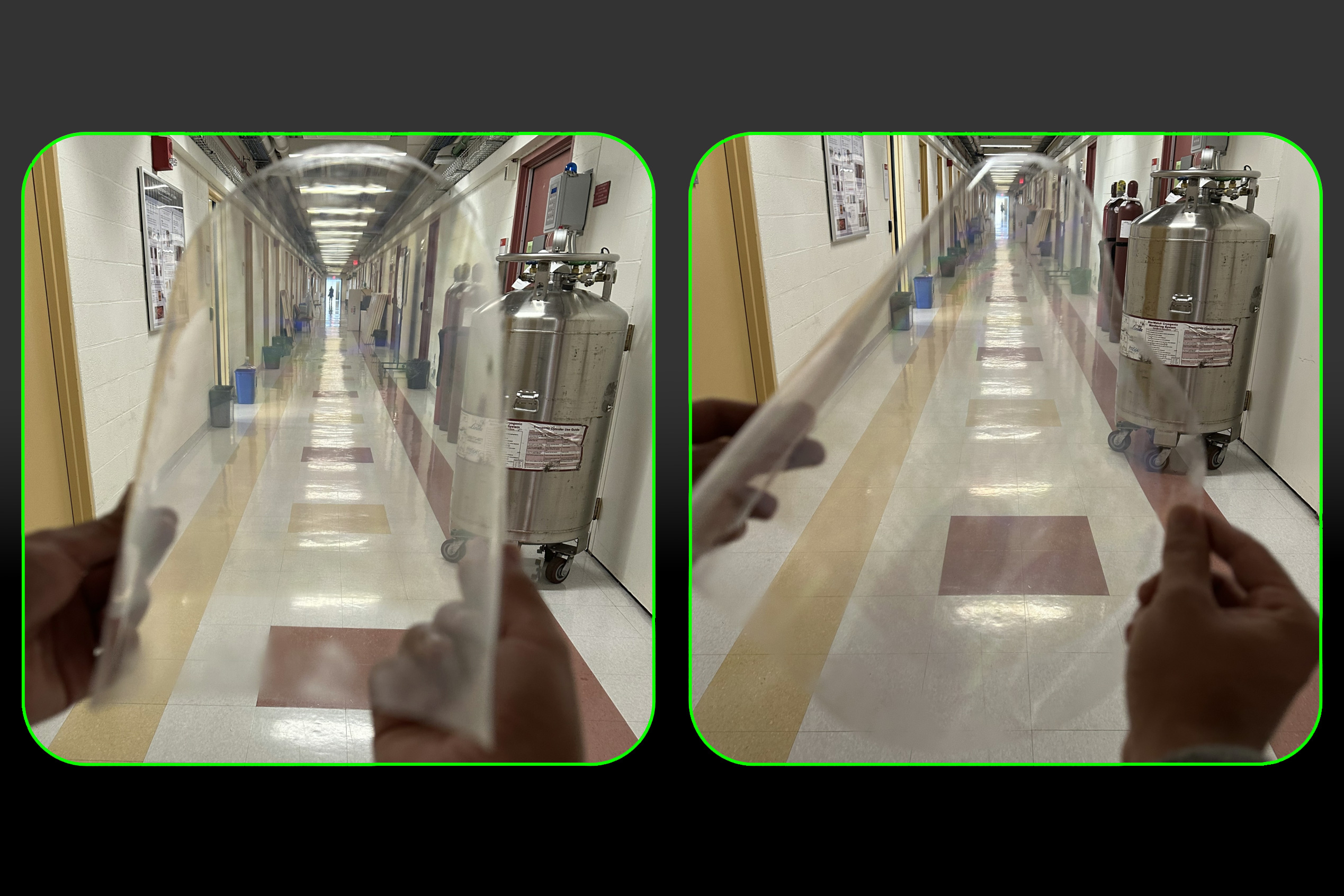
This scalable process produces high-performance chips for applications like discreet wearables or pliable augmented-reality displays.

New Harvard Kennedy School program to focus on emerging issues, building bench of professionals, scholarship on negotiation, building and managing ties
He will lead University efforts in pedagogical innovation, digital education, and ways tech can support teaching, lifelong learning, research

Cambridge researchers awarded European Research Council Starting Grants Anonymous (not verified) Thu, 09/03/2026 - 16:10 The selected projects will cover a broad spectrum of research fields from life sciences and engineering to social sciences and humanities. The funding, worth €705 million in total, will support 421 early-career researchers. A Starting Grant provides up to €1.5 million over a maximum period of five years. Researchers may also apply for additional funding to cover eligible costs, such as acquiring major research equipment, accessing large-scale research facilities, or carrying out costly experimental work or fieldwork.“The creativity and ambition of this new generation of grantees are inspiring,” said Professor Maria Leptin, President of the European Research Council. “Over 50 nationalities are represented amongst these researchers who will carry out their work across Europe. ERC Starting Grants will give them independence and support early on in their careers, needed for them to push scientific boundaries. This is the best investment we can make to further strengthen our research base and Europe’s future.”The Cambridge researchers recognised in this year’s call are:Dr Stefano Racioppi from the Department of Materials Science and Metallurgy, a computational and theoretical chemist who specialises in condensed matter chemistry and physics under extreme conditions.Dr Jon Roozenbeek, Director of the Influence and Technology Lab in the Department of Psychology, whose research focuses on (mis)belief formation, intergroup conflict (particularly in Russia and Ukraine), polarisation, underground manipulation markets, and the use and misuse of modern communication technologies. Dr Grégoire Vernaz from the Department of Genetics, who studies the molecular mechanisms enabling species diversification and adaptation, with a particular focus on the cichlid fishes of Lake Tanganika. A record 4807 proposals were submitted to this competition, up 22% from 3928 in last year’s call. Of these, only 8.8% were funded. The increased demand was also reflected in the number of applications from researchers based outside Europe. In particular, 169 US-based researchers applied for this funding, compared to 116 in the previous call.The new grantees will be based at universities and research centres in 25 EU Member States and associated countries, notably in Germany (89 grants), the UK (47), France (38), Switzerland (36), and the Netherlands (33). Among the winners are 84 Germans, 50 Italians, 30 French, and 24 Spanish, as well as researchers of 48 other nationalities. Estimates show that the grants are likely to create more than 2,700 jobs in the teams of the new grantees. Cancillería Ecuador via Wikimedia Commons European Commission Yes Licence type Attribution-ShareAlike

Comparison of male and female fly brains is unlocking the secret workings of the mind Jacqueline Garget Thu, 09/03/2026 - 16:00 An international team co-led by the University of Cambridge has mapped every neuron in the male Drosophila fly’s brain and nerve cord, to produce a wiring map of the 166,700 neurons and the millions of connections between them.Known in scientific terms as a ‘connectome’, this is allowing unprecedented insights into how the brain turns sensory input into sophisticated behaviour by allowing researchers to identify the chains of connected neurons deep into the brain.Since the female Drosophila fly brain has previously been mapped, involving the same group, this new work allowed the researchers to directly compare male and female connectomes and pinpoint differences between them.This revealed that neurons can reroute sensory information into sex-specific behavioural circuits to drive different male and female responses to the same stimuli. For example, male flies detect the smell of another male fly and respond with aggressive behaviour, whereas female flies respond to the same smell with courtship behaviour.Understanding how a healthy brain works will also help researchers to better understand what goes wrong in a diseased brain.This is the first full-scale connectome of an adult animal’s brain and nerve cord ever produced. The entire dataset now exists as a public resource, openly available as a reference and tool for other researchers.The study, co-led by Dr Greg Jefferis’s group at the University of Cambridge’s Department of Zoology and MRC Laboratory of Molecular Biology, is published today in the journal Cell.“This work is revealing how brains take the same sensory input and turn it into different behaviours depending on their sex. Seeing those differences is finally helping us to understand how sensory inputs drive behaviour – and to better understand the black box we call the brain,” said Dr Isabella Beckett, a researcher at the MRC Laboratory of Molecular Biology, one of the lead authors on the study.“This full wiring diagram has massive potential – we’ve produced data that will enable all sorts of new studies into how the brain works and controls behaviours,” said Dr Philipp Schlegel, a researcher at the University of Cambridge and MRC Laboratory of Molecular Biology who was also involved in the work.“This work has given us a blueprint that pinpoints the location of changes in male and female fly brains, and what types of cells are involved. It’s the first step in understanding the evolutionary processes that have led to these changes,” said Dr Marta Costa, a researcher at the University of Cambridge who was also involved in the work.To generate the new connectome, collaborators at Janelia Research Campus sliced the nervous system of a male Drosophila fly into incredibly thin slices, then scanned these using high-resolution electron microscopy to produce millions of images depicting individual nerve cells and their connections. AI was used to build these images into a 3D map – reconstructing each neuron and identifying the synapses where they communicate. Human checks on the results required the equivalent of 44 years of human labour.This work was carried out with collaborators at Janelia Research Campus, the MRC Laboratory of Molecular Biology and Google Research. It was funded primarily by UKRI MRC and the Wellcome Trust.ReferencesBerg, S et al: ‘Sexual dimorphism in the complete connectome of the Drosophila male central nervous system.’ Cell, Sept 2026.Three related papers are published concurrently by the team:Tastekin et al: ‘From Sensory Detection to Motor Action: The Comprehensive Drosophila Taste-Feeding Connectome.” Cell, Sept 2026.Hoeller et al. ‘The organization of visual pathways in the Drosophila brain.’ Cell, Sept 2026.Rubin et al. ‘Networks of sexually dimorphic neurons that regulate social behaviors in Drosophila.’ Current Biology, Sept 2026. This full wiring diagram has massive potential - we’ve produced data that will enable all sorts of new studies into how the brain works and controls behaviours. Philipp Schlegel Male fly brain connected to the ventral nerve cord, in what is now the largest whole-brain map to date. Yes

A thousand eyes on the Universe: new UK-led astronomy instrument takes first look into the heart of the Milky Way Sarah Collins Thu, 09/03/2026 - 14:30 The Multi-Object Optical and Near-infrared Spectrograph (MOONS) has achieved First Light at the European Southern Observatory's (ESO) Very Large Telescope (VLT) at the Paranal Observatory in Chile.This milestone marks the beginning of a new era in cosmic exploration, as MOONS prepares to survey millions of stars and galaxies and reveal how the Universe evolved over billions of years, from its perch high in the Chilean mountains.In astronomy, First Light marks the moment a new telescope or instrument successfully observes an astronomical target in the sky for the first time. This milestone for MOONS represents the culmination of more than a decade of international collaboration involving engineering and science partners across the UK, Italy, France, Portugal, Switzerland, Chile and ESO.For its first observation, MOONS captured the heart of the Milky Way in a new way: Being sensitive to near-infrared wavelengths, MOONS can peer through the dust that obscures our view toward the central regions of our Galaxy and beyond, providing an unprecedented spectroscopic view of this densely populated region.MOONS combines two unique capabilities: the ability to observe nearly 1,000 stars or galaxies simultaneously, while working over a wide range of wavelengths covering the visible and near-infrared light. These capabilities are enhanced by the 8-metre aperture of the ESO VLT, making it one of the most powerful spectroscopic facilities ever constructed.The instrument was built by an international consortium led by the UK Astronomy Technology Centre (UK ATC) in Edinburgh, part of the UK’s Science and Technology Facilities Council (STFC), and includes researchers from the University of Cambridge. “MOONS is an extraordinary new tool in our astronomers’ toolbox,” said MOONS Project Scientist Professor Roberto Maiolino, from Cambridge’s Cavendish Laboratory and Kavli Institute for Cosmology. “The ability to study 1000 objects simultaneously in the infrared is a whole new way for us to study how our universe, and the structures within it, formed and evolved over billions of years.”“For years our scientists, engineers and technicians have worked together to overcome remarkable technological challenges and create an instrument of exceptional capability,” said Dr Oscar Gonzalez, MOONS UK Principal Investigator and Head of Project Science and Strategy at UK ATC. “For me, First Light is a celebration of their expertise, dedication and perseverance. It marks the exact moment in which years of work are transformed into discovery.”MOONS is a spectrograph, so it doesn’t take pictures; instead, it splits the light from stars and galaxies into detailed spectra. By analysing these spectra, astronomers can determine properties such as an object's chemical composition, temperature, motion and distance. One observation can collect this information for nearly 1,000 objects simultaneously. This is the first time this amount of data has been captured in a single observation.By collecting and analysing light from millions of objects over its lifetime, astronomers will address some of astronomy's biggest questions, from uncovering how the Milky Way formed and evolved to tracing the growth of galaxies across billions of years of cosmic history.The new instrument operates at cryogenic temperatures, with its optics and mechanism cooled to around 130 Kelvin (-140°C) and its detectors operating at approximately 40 Kelvin (-230°C), to reach the stability and sensitivity needed to detect the faintest light from distant galaxies and stars. To achieve this, MOONS uses a giant cryostat believed to be the largest ever built for a ground-based astronomical telescope. In addition, its robotic fibre positioning system places 1,000 optical fibres onto their celestial targets with micrometre accuracy, allowing astronomers to survey the sky on a scale and efficiency never before possible.Professor Michele Dougherty, STFC Executive Chair and UK Astronomer Royal, travelled to Chile to join the UK ATC team to witness First Light. She said: “Seeing MOONS achieve First Light was tremendously exciting. A landmark moment, not only for the international team behind this remarkable instrument, but for astronomy as a whole. It demonstrates the transformational science that innovative instrumentation can deliver.“MOONS is also a powerful example of the UK's world-leading expertise in astronomical technology and of STFC's commitment to ground-based astronomy. Through investment in cutting-edge facilities and by enabling ambitious international collaborations, we are ensuring that UK scientists and engineers remain at the forefront of discovery, helping to answer some of the biggest questions about our Universe.”“MOONS opens a new window onto the Universe, allowing us to explore the physical, chemical, dynamical and environmental properties of millions of stars and galaxies across more than 13 billion years of cosmic history,” said Michele Cirasuolo, MOONS Principal Investigator and ESO Instrumentation Programme Manager. “It will take us to new frontiers in our understanding of how the Milky Way and galaxies have formed and evolved with time. I am incredibly proud of the team and hugely excited to see what new discoveries and new horizons in our understanding of the Universe lie ahead.”MOONS is expected to become a cornerstone instrument for the VLT, delivering vast spectroscopic datasets that will complement observations from facilities including ESA’s Gaia mission, the Vera C Rubin Observatory and future space missions.With First Light now achieved, the MOONS team will continue commissioning and calibration activities before beginning full scientific operations. These initial observations already demonstrate the potential of this next-generation instrument and mark the beginning of a new chapter in astronomical exploration.Adapted from an ATC media release. ESO/MOONS team/VVV survey/F. Char First Light Target on Sky above ESO's Paranal Observatory Yes

The Pre-read Assembly focused on Wolf's book, “Reader, Come Home: The Reading Brain in a Digital World,” which President Eisgruber selected for incoming students to read over the summer.
Official news regarding the CERN Safety Rules Written by: HSE Department — The CERN Safety Rules listed below have been published on the dedicated CERN website: Prompted by the introduction of a new risk-based inspection concept, the above Safety Rules have been updated to take account of changes in EU directives and evolutions in the […]

Led by Andee Wallace PhD ’20, Robigo uses cutting-edge biotechnology to engineer microbes to fight pests, reducing the need for harmful chemical pesticides.

This advance could be a big step toward developing a scalable, practical quantum computer.
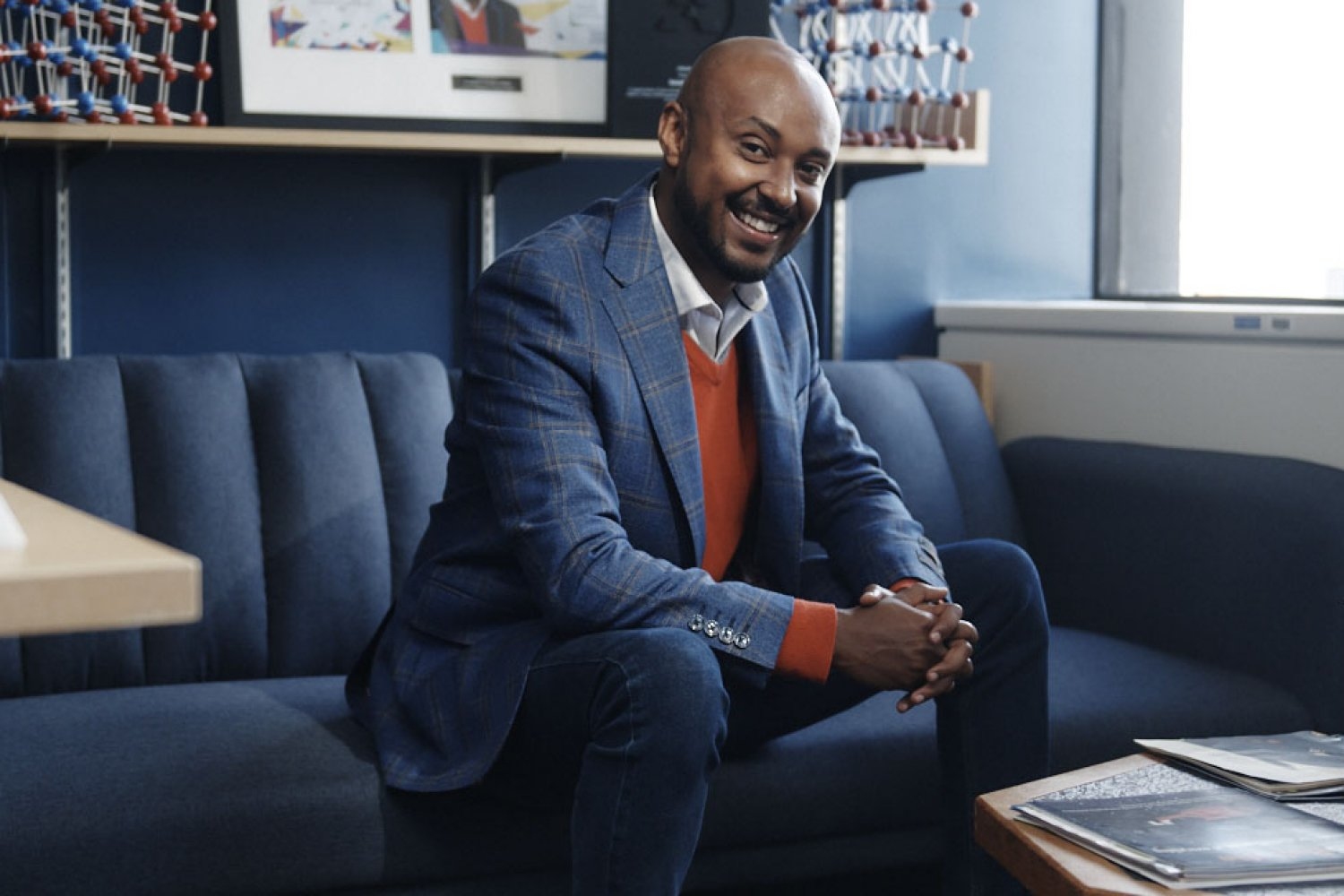
Assistant Professor Iwnetim Abate creates space for ambitious research and sustainable growth for his graduate students.
MIT affiliates engage with the MIT-IBM Computing Research Lab to bring rigorous theory to production systems.