Research Institutions

Latest research findings, studies and research developments.

Has pancreatic cancer met its match?
Research Institutions

Has pancreatic cancer met its match?

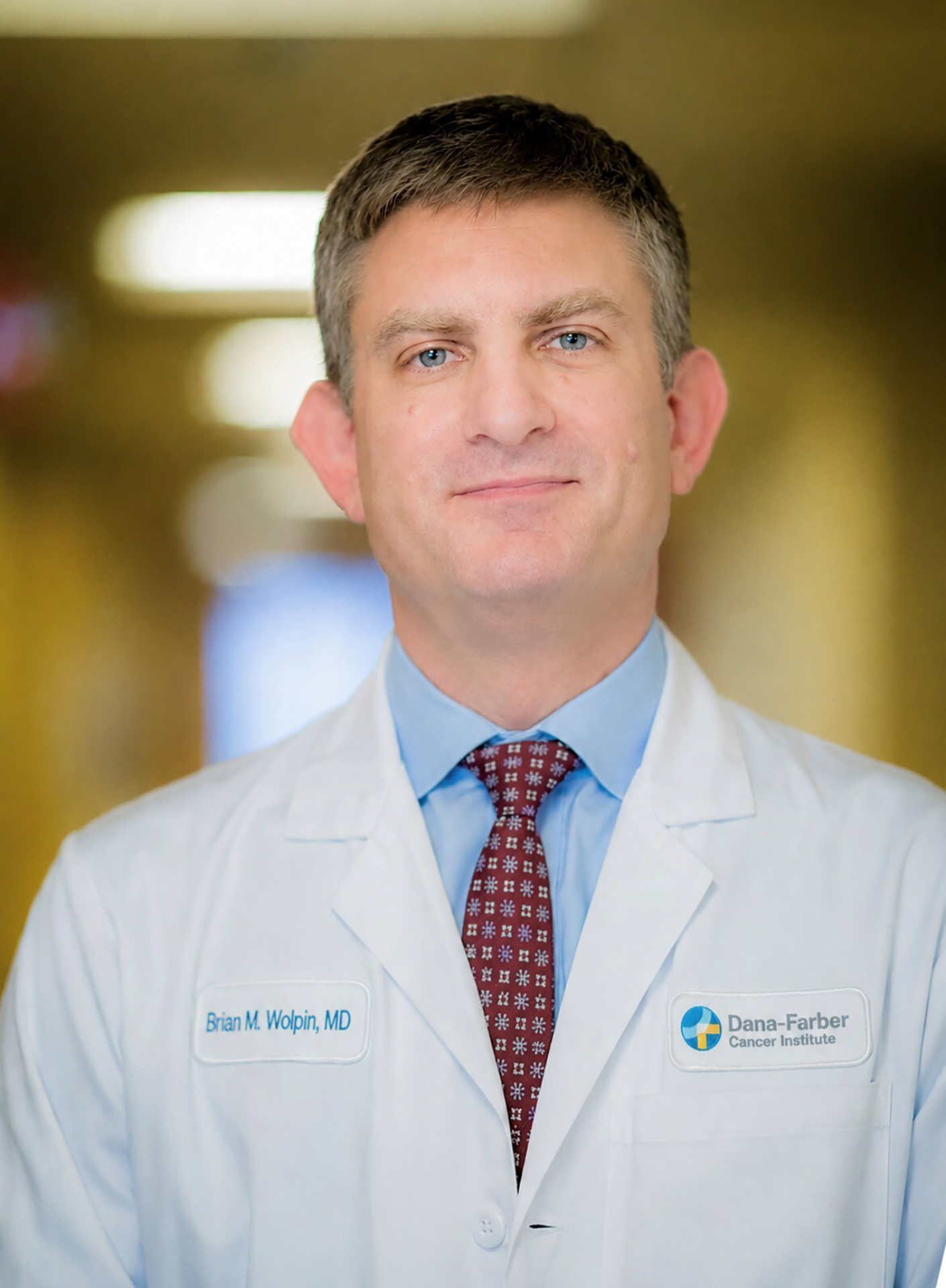
Health Has pancreatic cancer met its match? Frontline researcher sees newly approved medication as ‘critical first step’ toward transformation of care Alvin Powell Harvard Staff Writer September 9, 2026 7 min read Brian Wolpin. Last month, the Food and Drug Administration approved a new drug for one of the deadliest cancers, lending new hope to patients whose treatment options had been severely limited. The drug, daraxonrasib, doubled survival time for patients with previously treated metastatic pancreatic cancer to a median of 13.2 months from 6.7 months for those who received the chemotherapy standard of care. According to the National Cancer Institute, more than 67,000 people will be diag...

📅 2026-09-09 19:42:52    •    Harvard Gazette
A burst of “pink noise” may lead to more restorative sleep
Research Institutions

A burst of “pink noise” may lead to more restorative sleep

During the day, waste products such as lactic acid and worn-out proteins build up in the brain. When we sleep at night, waves of cerebrospinal fluid (CSF) help to wash away this waste, keeping the brain healthy.In a new study, MIT researchers have shown that they can strengthen these CSF waves through exposure to short bursts of a gentle, staticky sound known as “pink noise” during sleep. These bursts increase the amplitude of slow electrical waves in the brain, which then enlarges the CSF waves.The researchers now hope to explore whether this enhanced CSF flow could help to boost cognitive function, improve memory, or even slow the progression of neurodegenerative diseases caused by the bui...

📅 2026-09-09 18:00:00    •    MIT News
What it takes to solve math’s toughest problems
Research Institutions

What it takes to solve math’s toughest problems

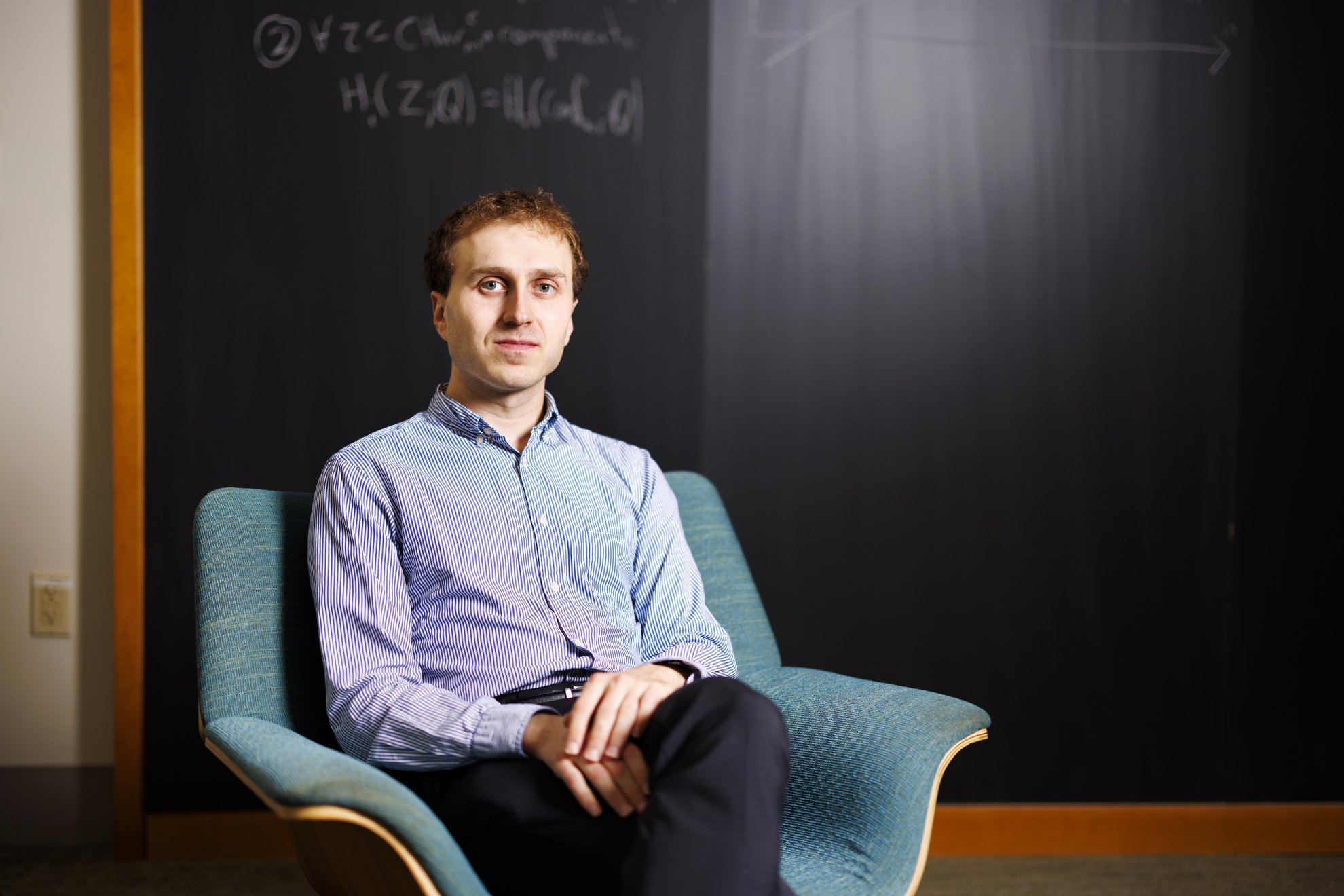
Aaron Landesman. Veasey Conway/Harvard Staff Photographer Science & Tech What it takes to solve math’s toughest problems Sy Boles Harvard Staff Writer September 9, 2026 6 min read Logic skills, yes, but also two seemingly incompatible traits: Confidence and humility This is a story about keeping the faith in a discipline not exactly known for its religiosity: mathematics. The field of arithmetic statistics — the study of statistical patterns in arithmetic objects such as number fields, class groups, and elliptic curves — rests on sets of conjectures whose predictions have been only partially proven. In 2001, mathematician Jordan Ellenberg ’93, Ph.D. ’98, and some colleagues set out on a humb...

📅 2026-09-09 16:20:52    •    Harvard Gazette
Has Homeland Security kept up with its mission?
Research Institutions

Has Homeland Security kept up with its mission?

Nation & World Has Homeland Security kept up with its mission? Former DHS secretary says U.S. safer now than before 9/11, agency has largely successfully evolved with emerging threats Christina Pazzanese Harvard Staff Writer September 9, 2026 7 min read AP Photo/Alex Brandon The attacks against the U.S. on Sept. 11, 2001, exposed critical gaps in information-sharing among key security agencies. In response, the government brought together 22 federal entities to form the Department of Homeland Security (DHS) to better anticipate and address the threat of terrorism from overseas and to strengthen coordination among various emergency-response agencies. Now the third-largest Cabinet-level depart...

📅 2026-09-09 15:26:52    •    Harvard Gazette
An electrochemical approach turns ammonia into pure hydrogen
Research Institutions

An electrochemical approach turns ammonia into pure hydrogen

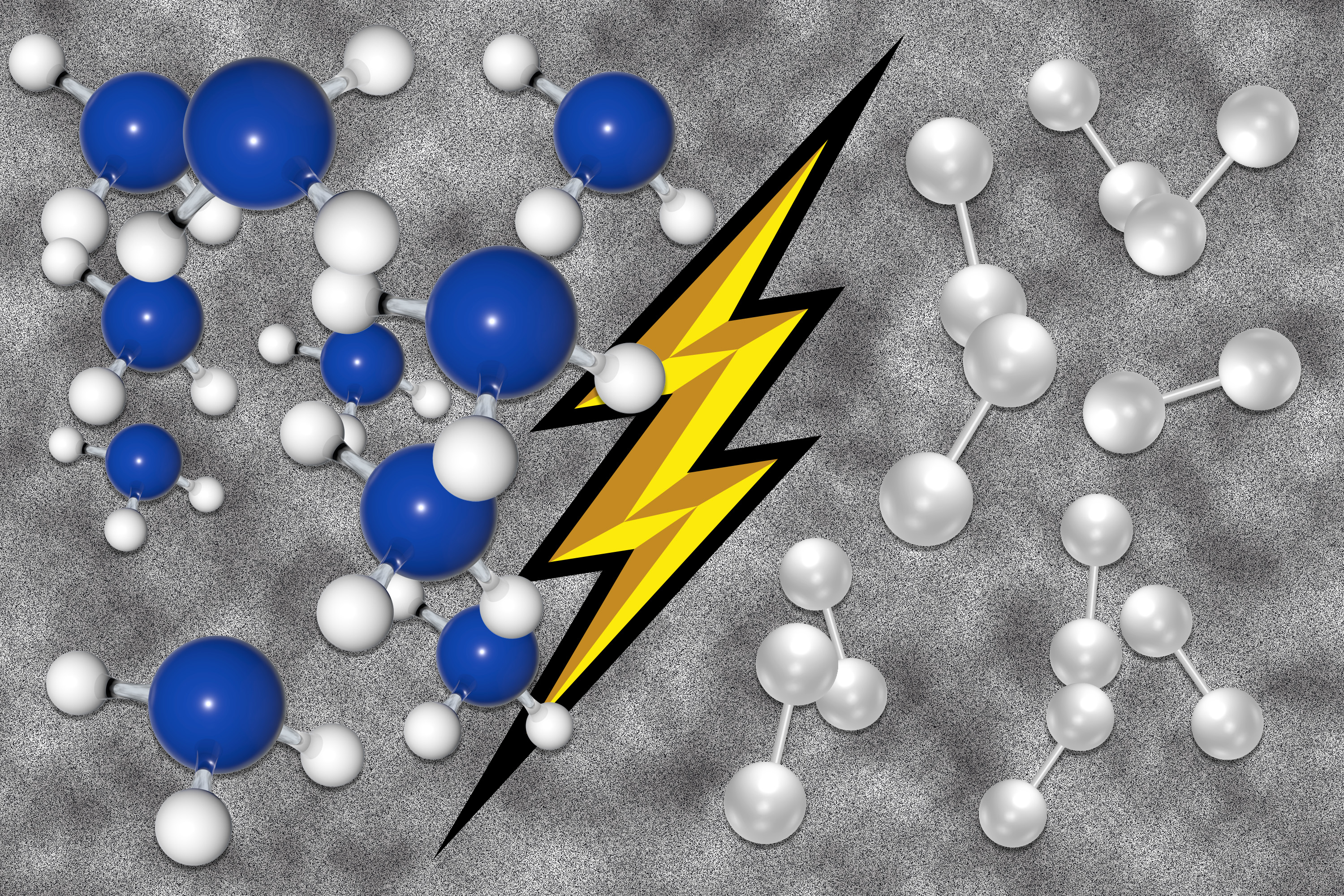
As a liquid that is easily stored and transported, ammonia (NH3) is an attractive carrier for hydrogen, which is used in fuel cells, semiconductor manufacturing, chemical processing, and other applications. However, breaking ammonia into hydrogen and nitrogen typically requires high temperatures, and the resulting gas mixture must undergo additional purification before the hydrogen can be used in many applications. MIT researchers have now developed an electrochemical approach to promote hydrogen release from ammonia while simultaneously separating and concentrating the hydrogen into a high-purity stream. Their strategy, which uses electricity to speed up the extraction, reduces the temperat...

📅 2026-09-09 15:00:00    •    MIT News
Robert Macfarlane to challenge humanity’s ‘superiority complex’ in BBC Reith Lectures
Research Institutions

Robert Macfarlane to challenge humanity’s ‘superiority complex’ in BBC Reith Lectures

Robert Macfarlane to challenge humanity’s ‘superiority complex’ in BBC Reith Lectures Tom Almeroth-W… Wed, 09/09/2026 - 14:30 Making the announcement on 9 September, the BBC said: “At a time of ecological crisis, extreme weather events and a rapidly heating climate, Robert Macfarlane’s Reith Lectures will examine what is in his view one of the most consequential stories humans tell themselves: that our species stands above and apart from the rest of nature."Throughout the series, titled The Human Superiority Complex, Professor Macfarlane will argue that this belief has become deeply rooted in Western thought, and has helped bring the planet to the brink of catastrophe.Macfarlane, a Fellow of...

📅 2026-09-09 13:30:51    •    Cambridge News
One of the oldest known 3D animal fossils found in Norwegian sheep field
Research Institutions

One of the oldest known 3D animal fossils found in Norwegian sheep field

One of the oldest known 3D animal fossils found in Norwegian sheep field Sarah Collins Wed, 09/09/2026 - 01:00 The fossil dates from around 560 million years ago, during the Ediacaran Period, when complex forms of life first appeared on Earth. The fossil, known as Charnia, looks more like a fern than anything we would recognise as an animal today.Charnia did not have a mouth, organs, or any visible means of movement, and was essentially a ‘goo-filled bag’ – like a sedentary jellyfish – however, it is thought to be one of the earliest animals to exist.Many fossils dating from this period in the Earth’s history are found as flat impressions, like a flower pressed between the pages of a book. H...

📅 2026-09-09 00:00:00    •    Cambridge News
When the sea steals homes and jobs
Research Institutions

When the sea steals homes and jobs

Science & Tech When the sea steals homes and jobs Makoko, a fishing community and informal settlement on a lagoon in Lagos, Nigeria, is built on stilts, allowing residents to live with the rising and falling water.Photos and video by David Trilling David Trilling Salata Institute Communications September 8, 2026 9 min read Along West Africa’s Gulf of Guinea, Salata Institute research is helping communities and governments weigh excruciating choices about what to protect, how to adapt, and when to retreat One night about two years ago, the sea came and swallowed Josephine Domevenu’s shop, a kiosk where she sold clothing and packaged snacks: “It happened so fast, I didn’t have time to get anyt...

📅 2026-09-08 18:42:48    •    Harvard Gazette
Fred James (1939 – 2026)
Research Institutions

Fred James (1939 – 2026)

Fred James (1939 – 2026) — Fred James, CERN’s renowned expert on data analysis and statistics, pioneer of numerical methods, and co-author of the popular book Statistical Methods in Experimental Physics, sadly passed away on 31 July. Fred was born in Detroit, USA, on 28 May 1939, and graduated in 1960 from Princeton University with a degree in physics. […]

📅 2026-09-07 11:01:48    •    CERN
NA64, a decade of hunting dark matter
Research Institutions

NA64, a decade of hunting dark matter

In particle physics, energy is never lost. When particles collide or decay, all the initial energy they carry must be conserved in the resulting products, and a shortfall signals that something has escaped unseen. It was the energy missing from radioactive decays that led Wolfgang Pauli to propose the neutrino in 1930, a particle so elusive that it evaded detection for […]

📅 2026-09-04 14:57:00    •    CERN
University of Cambridge launches independent review following the death of Professor Jason Arday
Research Institutions

University of Cambridge launches independent review following the death of Professor Jason Arday

University of Cambridge launches independent review following the death of Professor Jason Arday Anonymous (not verified) Fri, 09/04/2026 - 13:45 The review will comprise two parts: Part One, to be led by Nazir Afzal OBE, will examine the University’s support of Professor Arday; Part Two will comprise a broader review of institutional processes and practice related to his appointment and time at Cambridge. The reviews will not seek to investigate areas which are the subject of the inquest process.The findings of the review will inform actions to strengthen wellbeing and support across the University and, where necessary, lead to changes in policies, procedures and practice.Announcing the review, Vice-Chancellor Professor Deborah Prentice said: “The time since the tragic death of Professor Jason Arday has been a period of profound sadness and reflection for the University.“We worked very hard to support Professor Arday during an appalling period of external criticism and focus, but given the devastating outcome, we are all asking ourselves whether we could have and should have done more. This review will answer that question.“We are committed to ensuring that any recommendations arising from the review are addressed and adopted with clear accountability for delivering necessary changes.”Subject to legal and privacy considerations, a summary of the review's findings, recommendations and resulting actions will be shared with the University community and the wider public.Further details about the reviewPart OnePart One will examine the support, interventions and protections available to Professor Arday during the period prior to his death. This work will proceed on an expedited basis and will report within three months, enabling recommendations for urgent action to be considered and implemented without delay.Nazir Afzal OBE, former Chief Crown Prosecutor for North West England, has agreed to lead Part One. He brings extensive experience leading complex independent reviews, as well as a deep understanding of the higher education sector through his role as Chancellor of The University of Manchester.Mr Afzal said: “I am honoured to have been asked to lead Part One of this important independent review. At its heart is a person, a family and a community who have been profoundly affected by Professor Arday's death. It is important that we approach this work with both rigour and humanity.“My responsibility will be to listen carefully, examine the evidence thoroughly and understand what support, interventions and protections were available to Professor Arday in the period before his death. We must be willing to ask difficult questions, including whether more could and should have been done.“This work will be conducted independently and with urgency.” Professor Prentice added: “I am very grateful to Nazir for agreeing to lead this part of the review. He is a highly respected legal professional who will ask challenging questions about the support that was offered to Professor Arday during his time at Cambridge.”Part TwoPart Two will comprise a broader review of institutional processes and practice. The University is currently appointing an independent external chair to lead this work and will establish an expert panel, including individuals with lived experience, to advise the review.This part will consider the wider context of Professor Arday's time at the University, including the recruitment of senior academic staff, mentoring and support arrangements, the University's response to allegations of research misconduct, and the support available to academics who are subject to extraordinary public and media scrutiny.It is anticipated that it will conclude within six months of the establishment of the panel. University of Cambridge launches independent review following the death of Professor Jason Arday Senate House, University of Cambridge Yes

📅 2026-09-04 12:45:16    •    Cambridge News
Media Advisory: Governor Healey, MIT President Kornbluth to Kick Off Festivities at MIT Future Fest
Research Institutions

Media Advisory: Governor Healey, MIT President Kornbluth to Kick Off Festivities at MIT Future Fest

Massachusetts Governor Maura Healey and MIT President Sally Kornbluth will kick off MIT Future Fest, a new annual festival exploring the future of science, technology, art, and design, with “The Future Begins Here” panel, a celebration of Massachusetts innovation, talent and the bold questions shaping what comes next. The event will take place on Wednesday, September 30 at 3:30 PM at MIT’s Kresge Auditorium.Curated and produced by the MIT Museum, the inaugural MIT Future Fest will take place across MIT’s campus from September 30–October 4, 2026. Governor Healy and President Kornbluth will be joined on the opening panel by Moderna co-founder and Flagship Pioneering founder and CEO Noubar Afey...

📅 2026-09-04 04:00:00    •    MIT News