Research Institutions

Latest research findings, studies and research developments.

Curios and curiouser
Research Institutions

Curios and curiouser

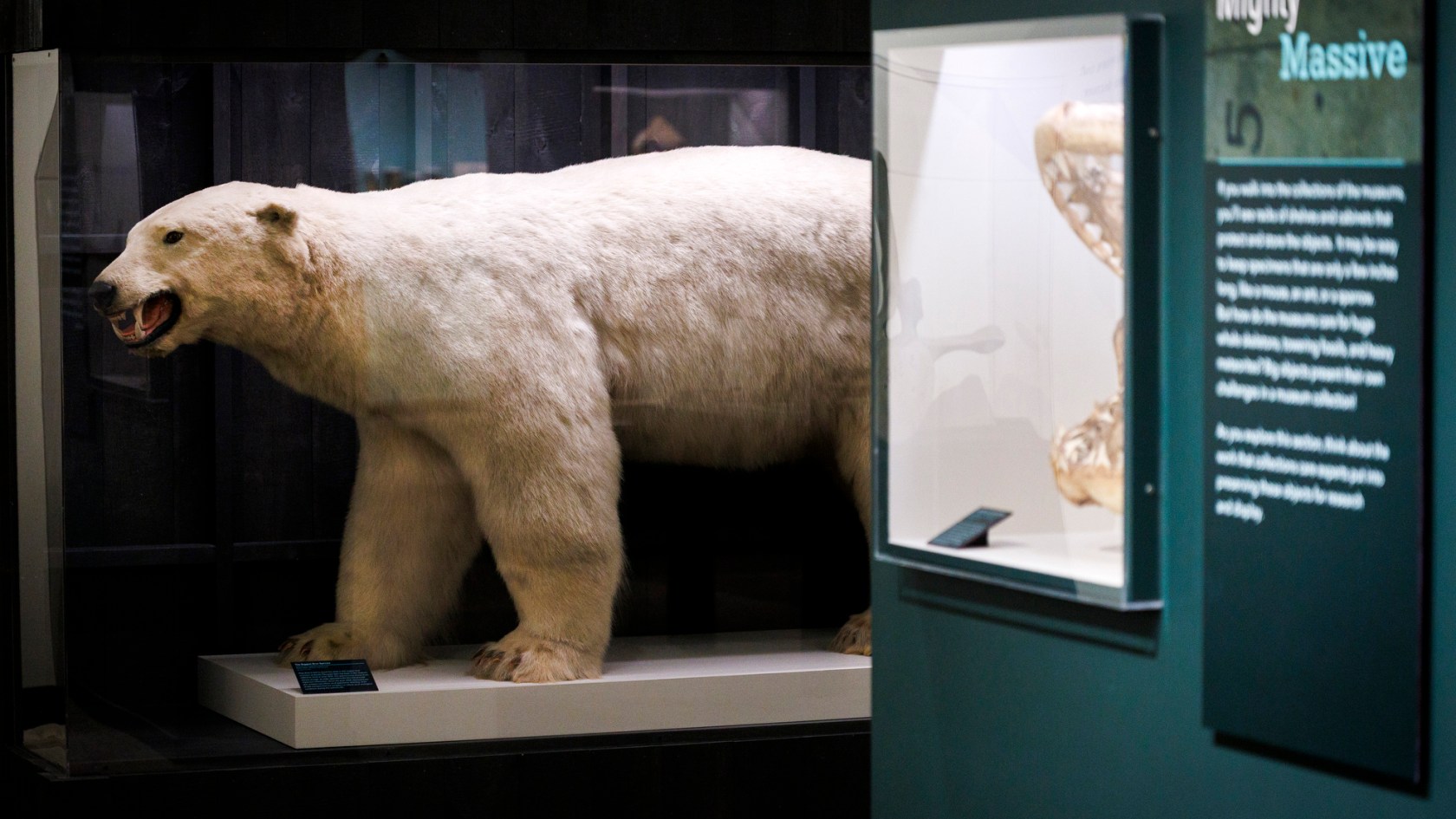
Science & Tech Curios and curiouser Polar bear from 1878. Stephanie Mitchell/Harvard Staff Photographer Anna Lamb Harvard Staff Writer September 23, 2026 5 min read With exhibits including a dodo, fish mummified in pearl, and a ‘King Kong’-connected Komodo, ‘discovering the stories is one of the best jobs’ You’ve probably already marveled at the astonishingly realistic glass flowers on display at the Harvard Museum of Natural History as well as the whale skeletons suspended from the rafters in its Great Mammal Hall. But have you seen its dodo bird specimen or the Komodo dragon skull? Both are showcased in the new exhibit “Collecting Wonders: Tomorrow’s Discoveries,” which has unearthed some ...

📅 2026-09-23 19:23:00    •    Harvard Gazette
The healing power of gene therapy
Research Institutions

The healing power of gene therapy

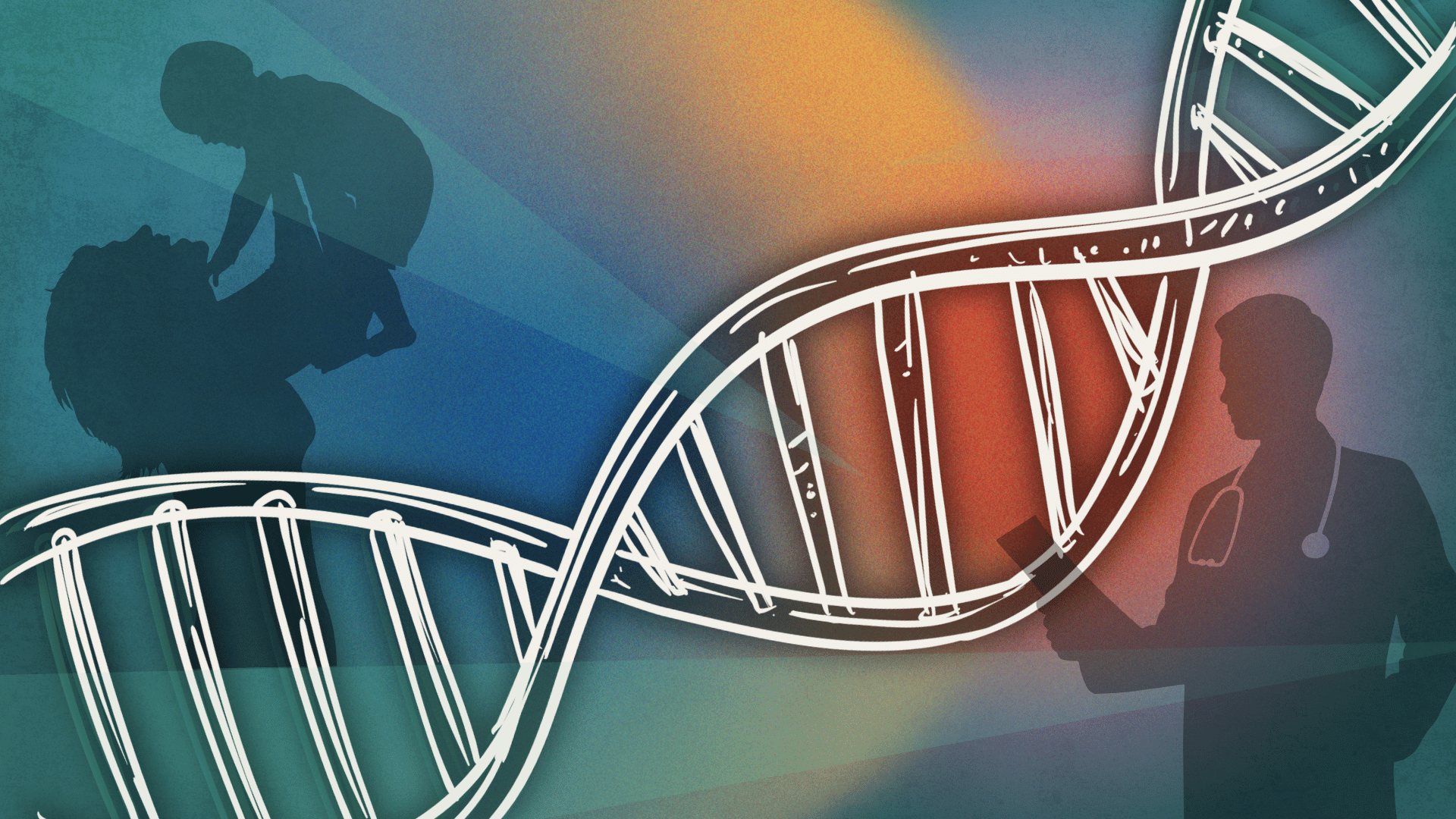
Health ‘Harvard Thinking’: The healing power of gene therapy Illustrations by Liz Zonarich/Harvard Staff Samantha Laine Perfas Harvard Staff Writer September 23, 2026 long read How researchers are seeing their work changing lives — from restoring children’s hearing to saving a baby born with a fatal disease Baby KJ made national headlines last year when at 6 months old he became the first person to receive a personalized CRISPR gene-editing treatment for his previously incurable genetic disorder. David Liu, the Thomas Dudley Cabot Professor of the Natural Sciences, says that the case — spearheaded by doctors at the University of Pennsylvania and at the Children’s Hospital of Philadelphia — h...

📅 2026-09-23 17:51:53    •    Harvard Gazette
MIT welcomes David Siegel SM ’86, PhD ’91 as its next Innovation Fellow
Research Institutions

MIT welcomes David Siegel SM ’86, PhD ’91 as its next Innovation Fellow

David Siegel SM ’86, PhD ’91, a computer scientist, entrepreneur, and philanthropist, will serve as the next MIT Innovation Fellow during the 2026-27 academic year. Working with the MIT Schwarzman College of Computing, Siegel will explore how artificial intelligence can accelerate scientific discovery at the Institute and beyond.“From the MIT Schwarzman College of Computing to the MIT Siegel Family Quest for Intelligence, David has been a superb thought partner for me and other Institute leaders on a range of very significant initiatives, so we're delighted to have him join us now as an MIT Innovation Fellow,” says MIT President Sally Kornbluth. “Our community has long benefited from David's...

📅 2026-09-23 15:30:00    •    MIT News
FUNdaMENTALs of precision design
Research Institutions

FUNdaMENTALs of precision design

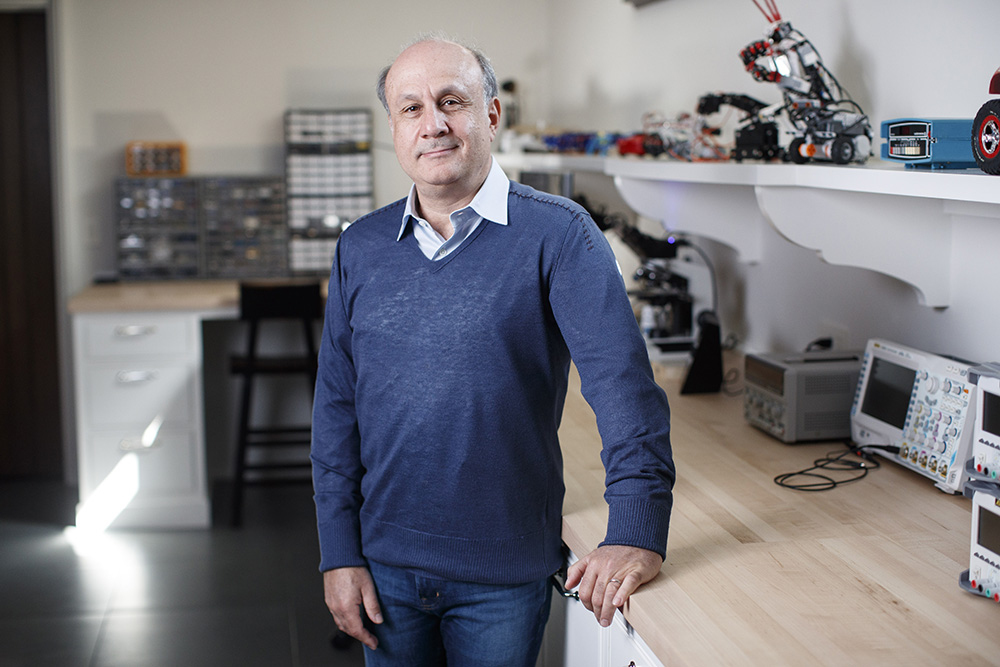
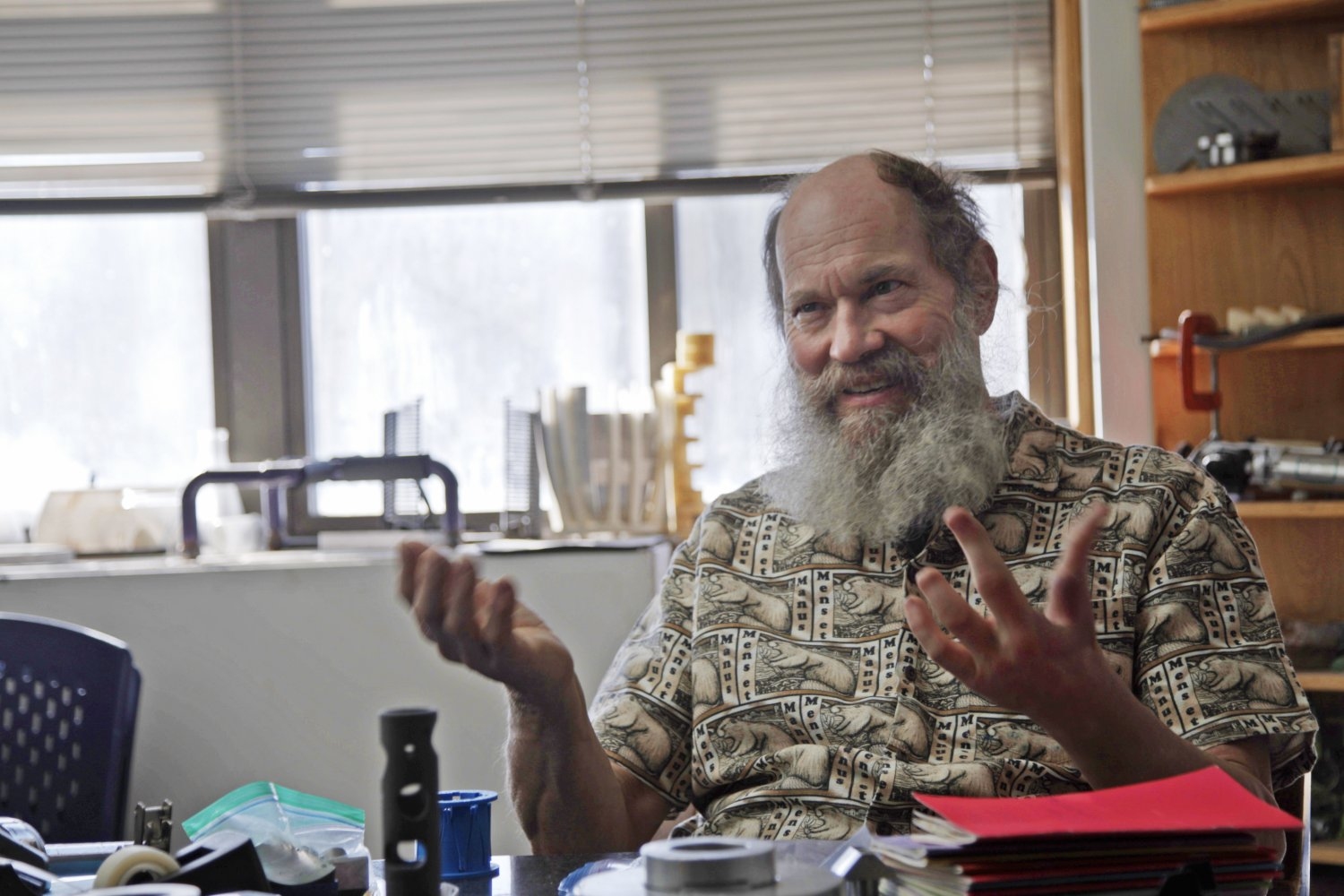
Repeatability in engineering product design ensures that a manufacturing process performs the same way every time and allows for a working prototype to be transformed into a reliable, safe, consistent, and cost-effective mass-market product. For students in class 2.70 (Fundamentals of Precision Product Design), precision and repeatability are the name of the game. “[As an engineer], you have an extra responsibility to overlook nothing,” says course instructor Alex Slocum, the Walter M. and A. Hazel May Professor of Mechanical Engineering. “If you miss something, someone could be hurt or die.”Slocum’s message is serious, but his approach to teaching the material is famously fun — in fact, he ...

📅 2026-09-23 04:00:00    •    MIT News
Is it time to start cutting red tape on government programs?
Research Institutions

Is it time to start cutting red tape on government programs?

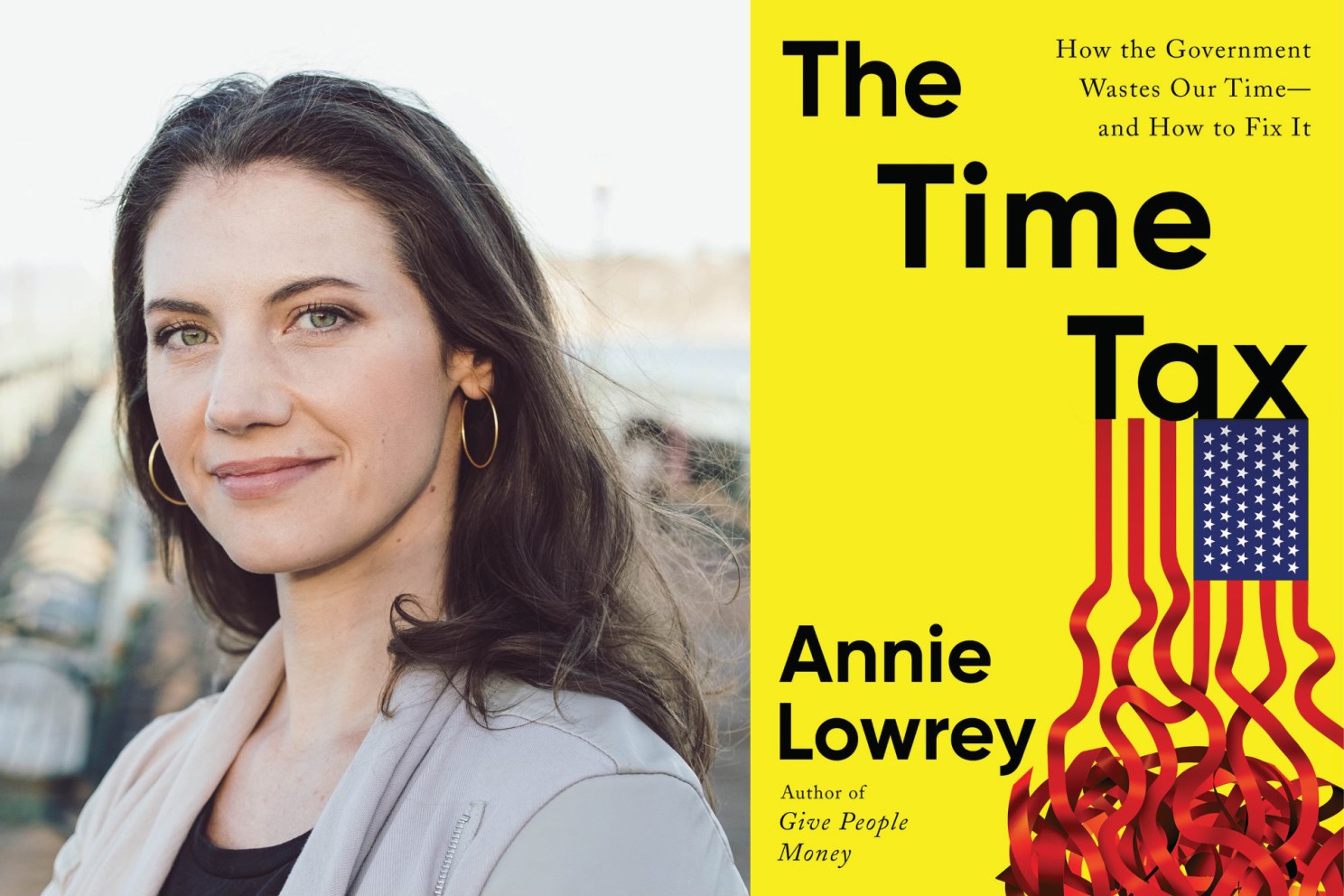
Nation & World Is it time to start cutting red tape on government programs? Journalist’s new book argues ‘administrative burden’ unfairly hits nation’s most vulnerable hardest, suggests solutions Christina Pazzanese Harvard Staff Writer September 22, 2026 9 min read Photo by Sharon Lehm Politicians are eager, especially at election time, to tout government programs intended to help their constituents, such as Medicare and Medicaid, veterans’ benefits, food assistance, or financial aid for low-income families with children. What they don’t talk about is how onerous it often is to obtain these benefits and services. There are complicated forms to fill out, lines to stand in, calls to make, and...

📅 2026-09-22 21:08:23    •    Harvard Gazette
How the brain keeps its options straight at decision time
Research Institutions

How the brain keeps its options straight at decision time

A new study by neuroscientists in The Picower Institute for Learning and Memory at MIT shows how the brain encodes information throughout the decision-making process to keep options clearly in mind and to ensure that chosen and unchosen options are remembered.The key, the researchers show in the journal iScience, is that the brain convenes ensembles to produce coordinated patterns of electrical activity that distinctly represent and sort options, both during consideration and after choice. “It keeps different neural ensembles, different thoughts, distinct from one another, preventing interference between them,” says senior author Earl K. Miller, Picower Professor in MIT’s Department of Brain...

📅 2026-09-22 20:00:00    •    MIT News
Poitras Center to fuel early careers of 50 young scientists dedicated to psychiatric disorders research
Research Institutions

Poitras Center to fuel early careers of 50 young scientists dedicated to psychiatric disorders research

Patricia and James Poitras ’63, longtime MIT supporters, have launched a fellowship program for graduate students and postdocs studying major mental illness, expanding their MIT philanthropy to directly support early-career scientists. The commitment establishes 50 two-year fellowships through the Poitras Center for Psychiatric Disorders Research at MIT’s McGovern Institute for Brain Research. Five fellowships will be awarded every year for the next decade, creating a long-term talent pipeline focused specifically on psychiatric disorders.The $10 million gift is the latest in a series of philanthropic investments from the Poitras family to strengthen MIT’s capacity to address the growing bur...

📅 2026-09-22 19:00:00    •    MIT News
Old global order has been ‘ruptured.’ What will new one look like?
Research Institutions

Old global order has been ‘ruptured.’ What will new one look like?

Kristen Eichensehr. Veasey Conway/Harvard Staff Photographer Nation & World Old global order has been ‘ruptured.’ What will new one look like? Law School initiative examines U.S. national security, role of Congress, emergence of AI in bid to prepare future leaders amid seismic shifts Liz Mineo Harvard Staff Writer September 22, 2026 7 min read Early this year, in remarks at the World Economic Forum in Davos, Switzerland, Prime Minister Mark Carney of Canada declared that there had been a “rupture” in the rules-based global system of military, economic, and diplomatic alliances by the West, an arrangement that has helped preserve peace for more than 80 years. Carney’s speech arrived in respon...

📅 2026-09-22 18:00:04    •    Harvard Gazette
MIT named the nation’s top university by U.S. News for 2026-27
Research Institutions

MIT named the nation’s top university by U.S. News for 2026-27

U.S. News and World Report has designated MIT as the top school in its annual rankings of the nation’s best universities, announced today. Among the academic specialties that U.S. News evaluates, MIT’s engineering program continues to lead the rankings of undergraduate engineering programs at a doctoral institution. The Institute’s undergraduate computer science and economics programs also ranked No. 1, and its undergraduate business program ranked No. 2.U.S. News ranked MIT highly in several other categories: The Institute is No. 1 for undergraduate research and creative projects, No. 2 on the list of most innovative schools, and No. 3 on the list of best value schools.MIT placed first in f...

📅 2026-09-22 04:01:00    •    MIT News
Podcast: SHASS’s special sauce
Research Institutions

Podcast: SHASS’s special sauce

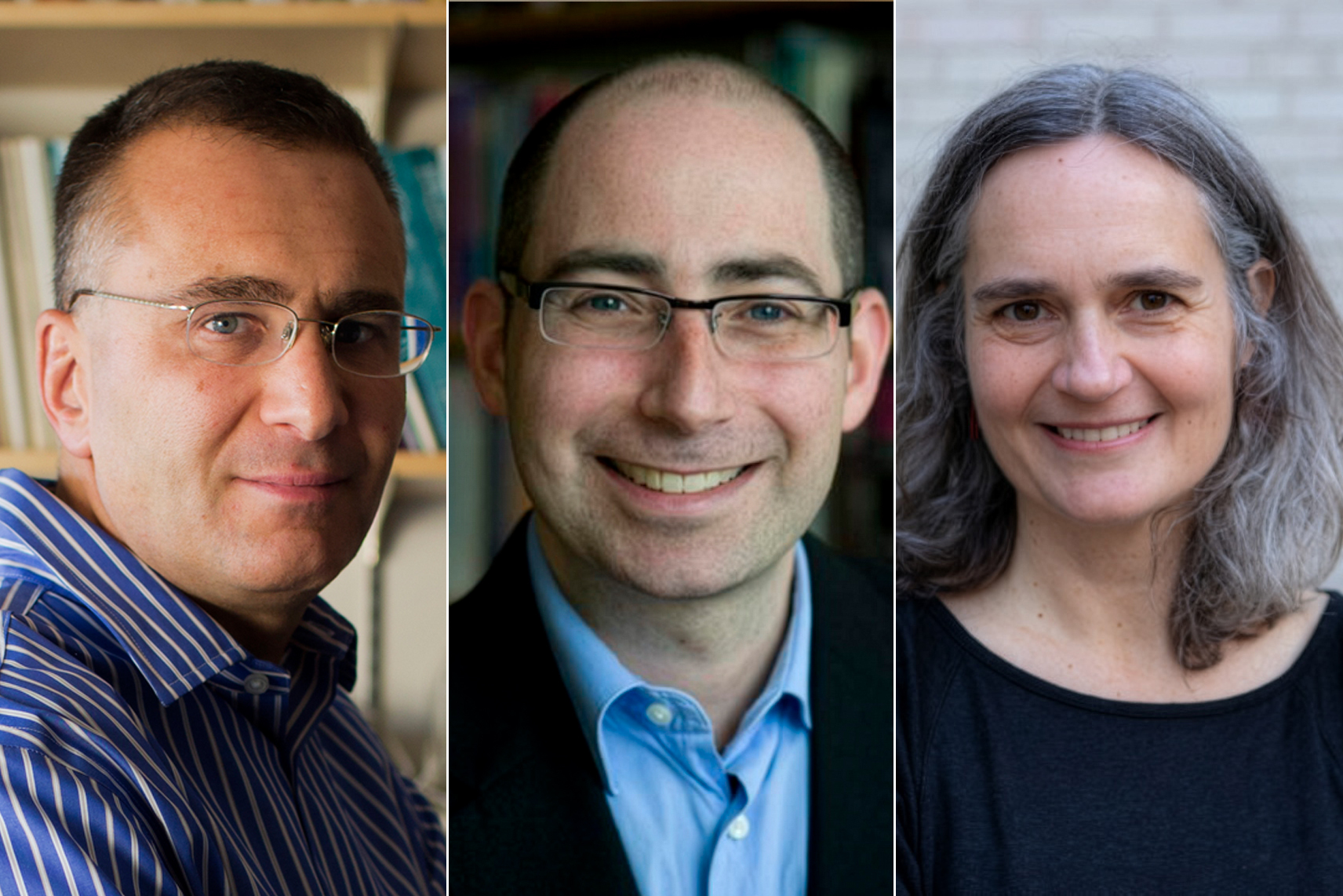
Following World War II, the MIT faculty convened a committee to assess the Institute’s principles of education and their relevance “in a new era emerging from social upheaval and the disasters of war.” One of the outcomes of this pivotal report was the establishment of the School of Humanities, Arts, and Social Sciences (SHASS). MIT News convened a discussion with three SHASS faculty — David Kaiser, Heather Paxson, and Jonathan Gruber — about what makes the school special and why it’s a core part of the MIT experience. Listen to the conversation or read the transcript below.Peter Dizikes: Welcome to MIT, everybody. My name is Peter Dizikes and I’m a writer for MIT News. Every year, over 1,00...

📅 2026-09-22 04:00:00    •    MIT News
One effort to safeguard humanity: AI ‘constitutions’
Research Institutions

One effort to safeguard humanity: AI ‘constitutions’

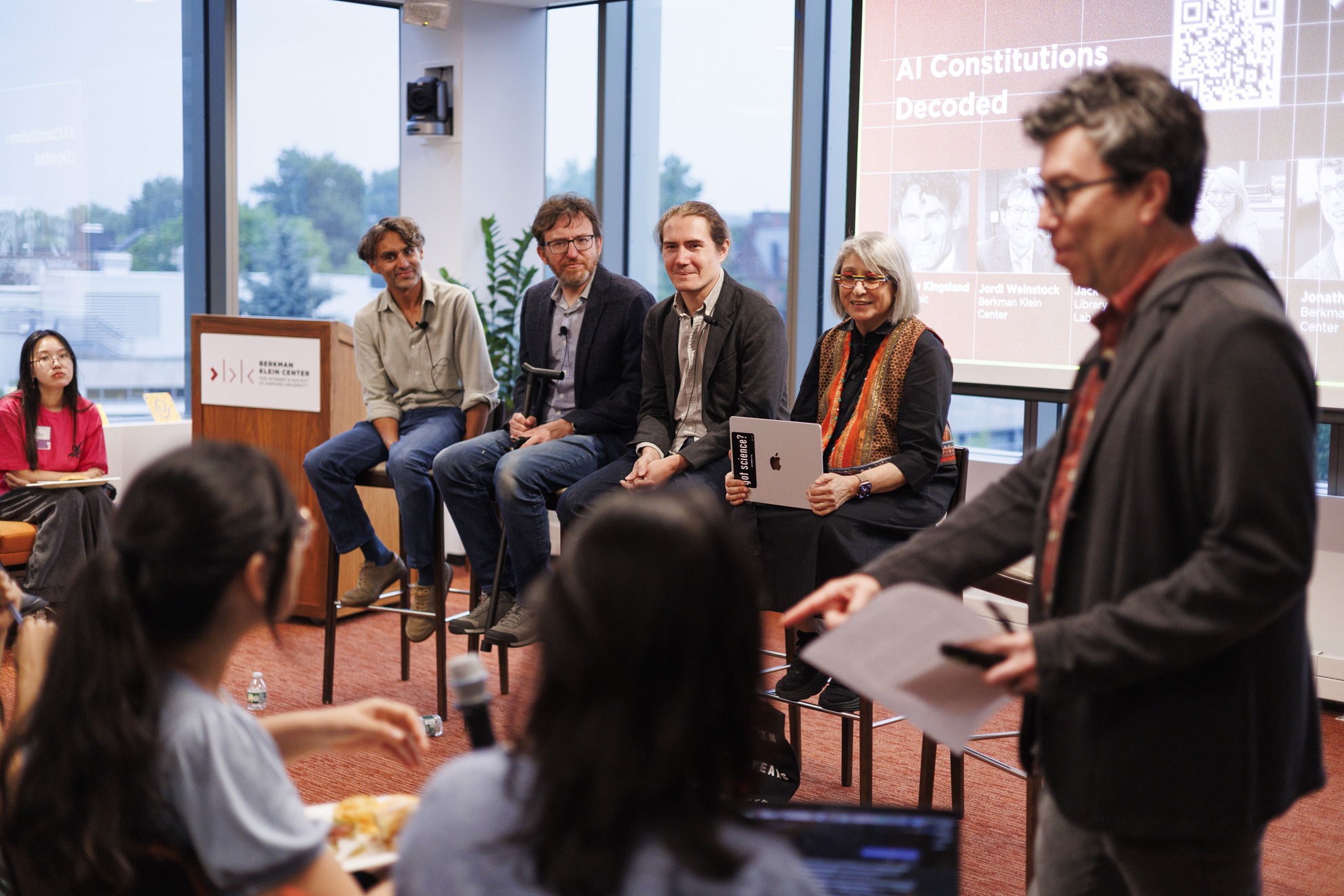
Science & Tech One effort to safeguard humanity: AI ‘constitutions’ Neerav Kingsland (left), Jordi Weinstock, Jack Cushman, and Mahzarin Banaji. Photo by Grace DuVal Max Larkin Harvard Staff Writer September 21, 2026 8 min read Berkman Klein Center heard calls to keep models ‘honest, helpful, harmless.’ It’s a work in progress. In one formulation, any human constitution is just a set of guardrails to prevent the misuse of power. As Thomas Jefferson put it in 1798, “Let no more be heard of confidence in man, but bind him down from mischief by the chains of the constitution.” The intervening 228 years have shown the chains of the U.S. Constitution to leave room for various kinds of human misch...

📅 2026-09-21 21:01:56    •    Harvard Gazette
Dumbest question is the one you never ask, says Amazon CEO
Research Institutions

Dumbest question is the one you never ask, says Amazon CEO

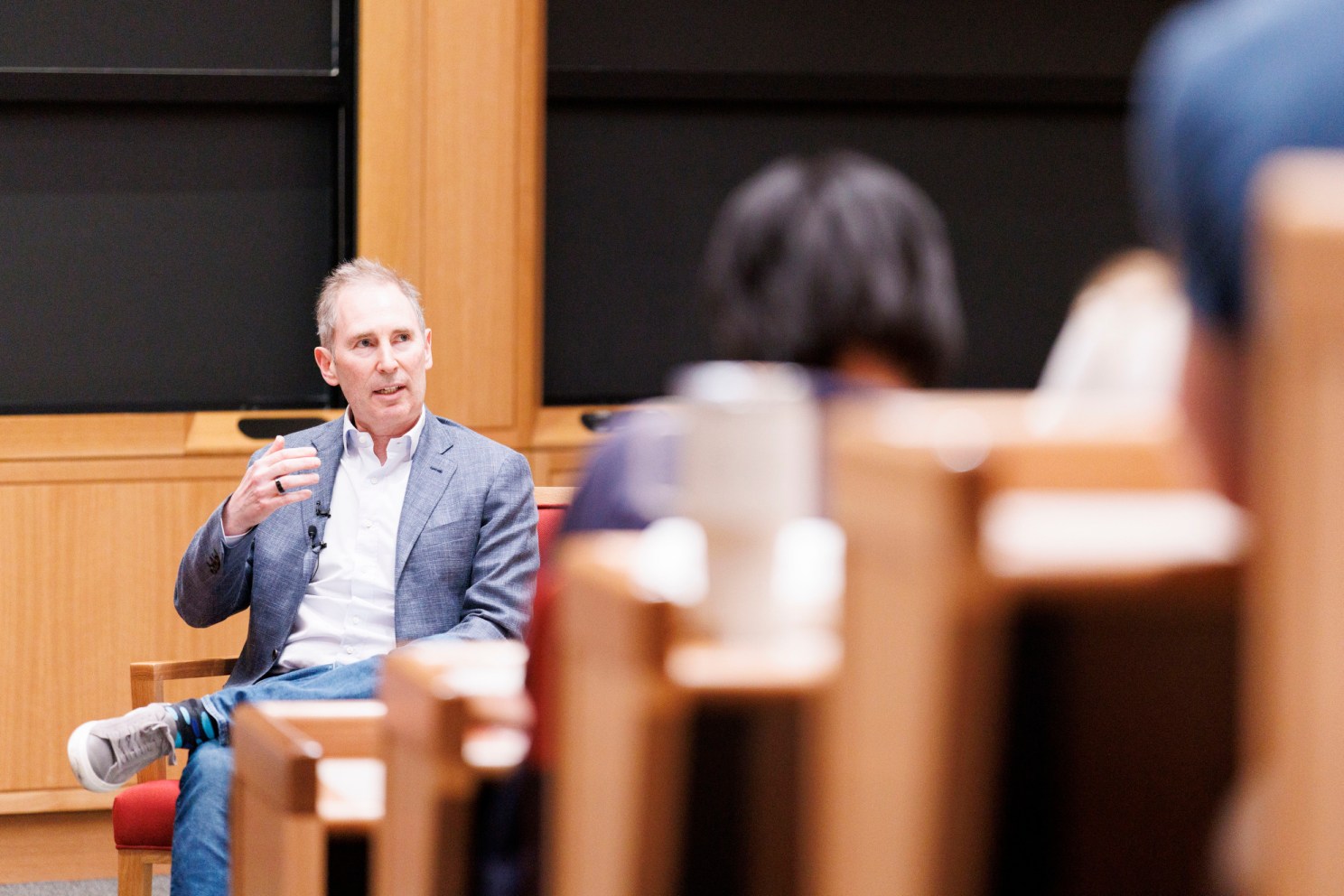
Andy Jassy. Veasey Conway/Harvard Staff Photographer Work & Economy Dumbest question is the one you never ask, says Amazon CEO AI competition – among companies and in the labor market – also on Jassy’s mind in HBS talk Christina Pazzanese Harvard Staff Writer September 21, 2026 4 min read Though it’s best known as an online retail and streaming giant, Amazon has also played a central role in the AI revolution. In August, the company’s valuation hit $3 trillion. Much of that was driven by Amazon Web Services (AWS), the cloud computing operation that serves as a primary platform for both large-scale frontier model AI builders like Anthropic and OpenAI and for smaller firms developing simpler, ...

📅 2026-09-21 18:23:56    •    Harvard Gazette
Democracy? Some founders were skeptical.
Research Institutions

Democracy? Some founders were skeptical.

Illustration by Liz Zonarich/Harvard Staff Nation & World Democracy? Some founders were skeptical. Historians detail how, why Constitution became (and remains) work in progress Liz Mineo Harvard Staff Writer September 21, 2026 5 min read Part of a series of occasional features marking the nation’s semiquincentennial. Creating a democracy was not really at the forefront of the founders’ minds when the American colonies first declared independence from Britain in 1776. The independence movement began as a struggle between the colonies and the crown to gain more rights within the empire, not to break away from it, said Alex Keyssar, Matthew W. Stirling Jr. Professor of History and Social Policy...

📅 2026-09-21 18:23:05    •    Harvard Gazette
Carter Stubbs named Institute auditor
Research Institutions

Carter Stubbs named Institute auditor

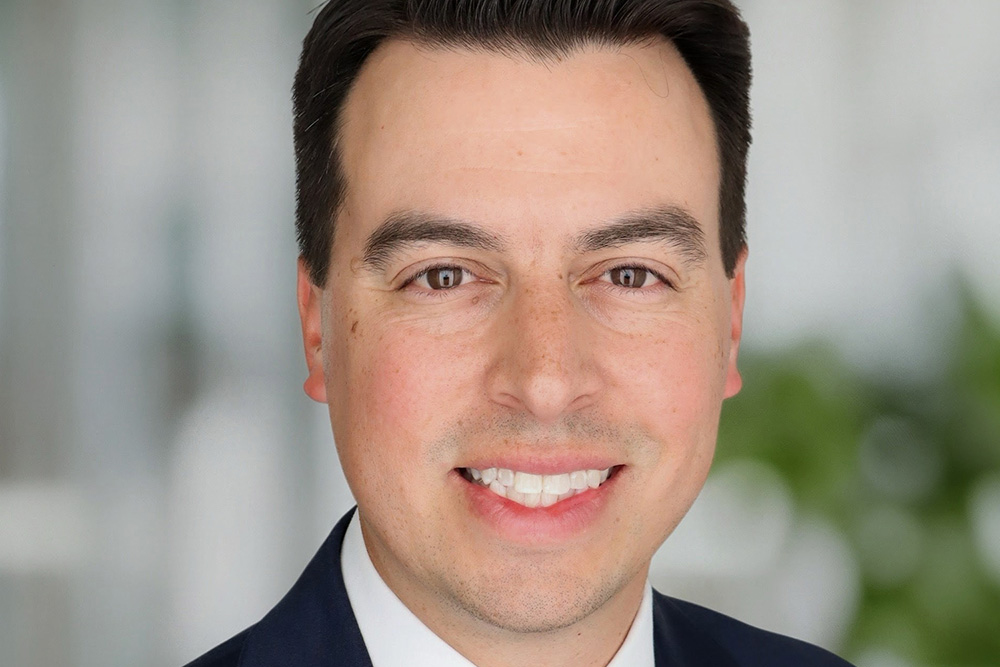
Carter Stubbs has been appointed MIT’s Institute auditor, effective Nov. 2. Stubbs, who currently serves as audit assistant director for IT Audit and Advisory Services, has been a member of the MIT community for more than 11 years and brings deep institutional knowledge, highly salient management experience, and a forward-looking vision to the role. Stubbs will succeed Michael Moody, who has served as Institute auditor for 12 years and will retire from MIT in October. Executive Vice President and Treasurer Glen Shor announced the news today in a letter to MIT’s Academic Council.“Carter stood out in a competitive field of candidates thanks to his impressive audit and IT expertise, collaborati...

📅 2026-09-21 17:00:00    •    MIT News
Batteries that safely break down in the GI tract could improve ingestible devices
Research Institutions

Batteries that safely break down in the GI tract could improve ingestible devices

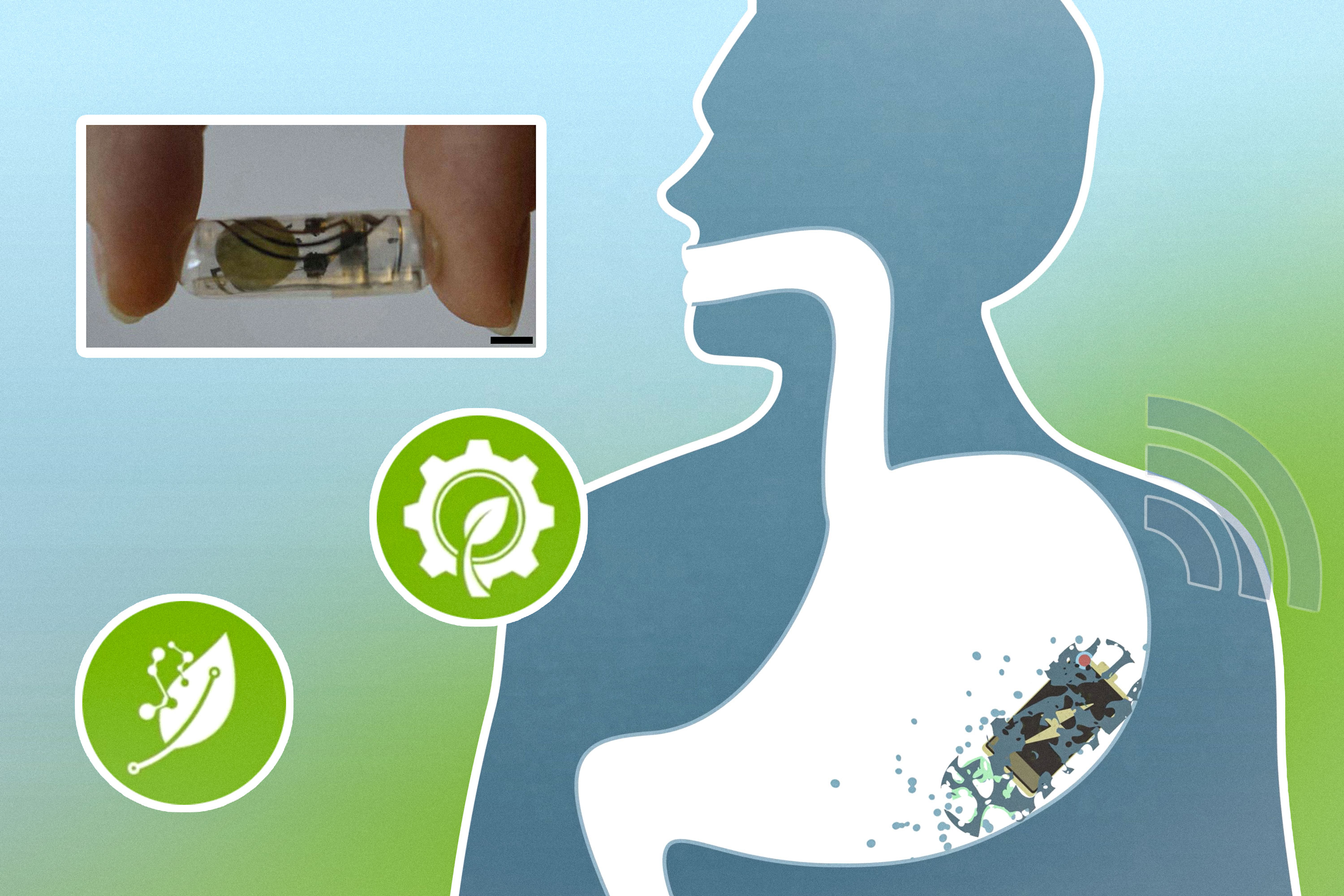
Using materials safe for human consumption, MIT researchers have created tiny batteries that could be used to power ingestible electronic devices. Such batteries could make the devices safer for patients and minimize the environmental impact of the batteries after they are excreted.In a new study, the researchers showed that the batteries, which generate 1.84 volts, could power two different types of devices: an RFID tag that can transmit from the stomach, and a capsule that produces a small electrical current that stimulates production of ghrelin, the hunger hormone.This type of battery, which contains electrodes made from magnesium and molybdenum trioxide, could also be deployed in other i...

📅 2026-09-21 15:00:00    •    MIT News
Sex differences in attention are present at birth, study finds
Research Institutions

Sex differences in attention are present at birth, study finds

Sex differences in attention are present at birth, study finds Anonymous (not verified) Mon, 09/21/2026 - 10:00 The findings suggest that some psychological differences between males and females (such the development of social skills) may be influenced by both prenatal biology as well as later experience.The study, published today in Biology of Sex Differences, involved testing 130 newborn infants only hours after birth. It builds on previous research by the same lab and uses robust methods to demonstrate the differences.For years, research has shown that girls, on average, learn to talk earlier and develop social skills faster than boys. Scientists have long debated whether these difference...

📅 2026-09-21 09:00:00    •    Cambridge News
Unmasking “zombie cells” in aging tissue with an AI-powered barcode
Research Institutions

Unmasking “zombie cells” in aging tissue with an AI-powered barcode

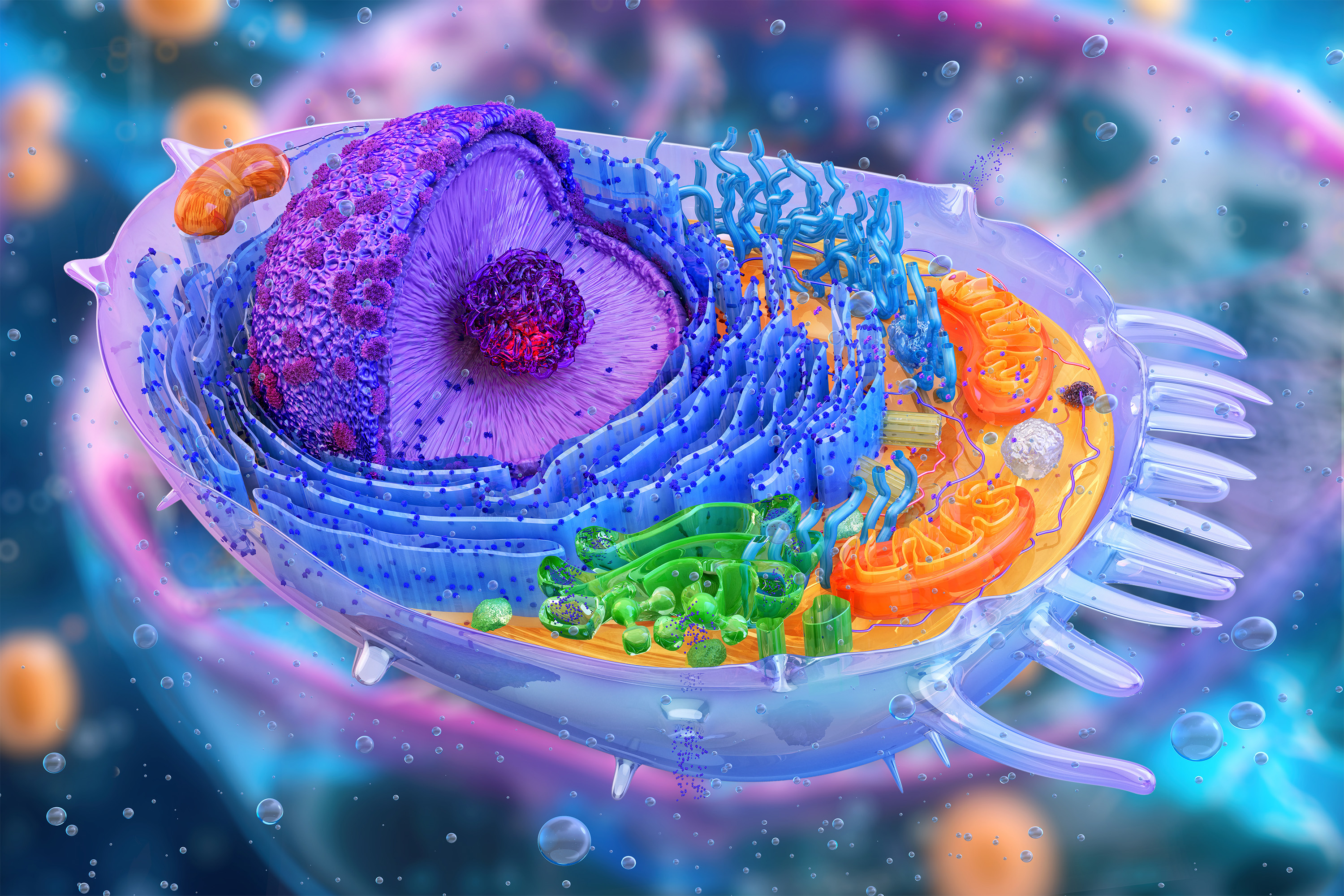
As we age, some of the cells in our body enter a state of senescence, in which they stop dividing but do not die. Those senescent cells can contribute to age-related disorders such as cancer, tissue degeneration, and inflammatory diseases.In an advance that could lead to better ways to diagnose and treat those diseases, MIT researchers have developed a noninvasive way to detect biomarkers of senescence. Their method is based on Raman microscopy, which can reveal the biochemical composition of cells without harming them.By combining Raman microscopy with gene expression data at single-cell resolution from the same cells, the researchers were able to identify unique “barcodes” that can be used...

📅 2026-09-21 09:00:00    •    MIT News
MIT researchers are mapping extreme weather risks — and building tools to act on them
Research Institutions

MIT researchers are mapping extreme weather risks — and building tools to act on them

Warming temperatures are fueling more extreme weather-related events — catastrophic floods, severe hurricanes and cyclones, and wildfires exacerbated by drought. But the tools used by local communities, emergency and public safety agencies, and insurance and risk markets have not kept pace with the up-to-date data and modeling for accurately predicting how these events will evolve.Addressing that shortcoming was one of five research areas selected for MIT’s 2022 Climate Grand Challenges, an ambitious effort to accelerate science-based solutions to climate problems. The area, titled “Preparing for a New World of Weather and Climate Extremes,” focuses on tools to help evaluate a location’s vul...

📅 2026-09-18 16:55:00    •    MIT News