
Research Institutions
Hope, joy, heavy lifting
Bittersweet goodbyes and jitters make way for excitement as Class of 2030 settles in on move-in day
Latest research findings, studies and research developments.
Bittersweet goodbyes and jitters make way for excitement as Class of 2030 settles in on move-in day
Quiz based on Daniel Lieberman’s new book looks at food fads through evolutionary lens
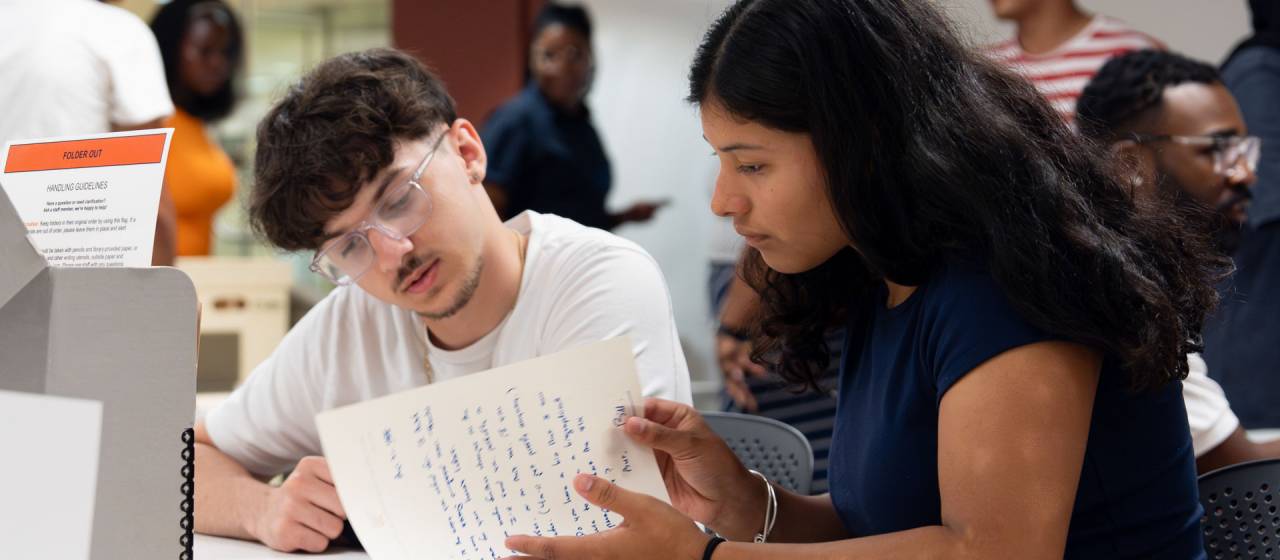
More than 400 students participated in programs led by the Emma Bloomberg Center for Access and Opportunity.
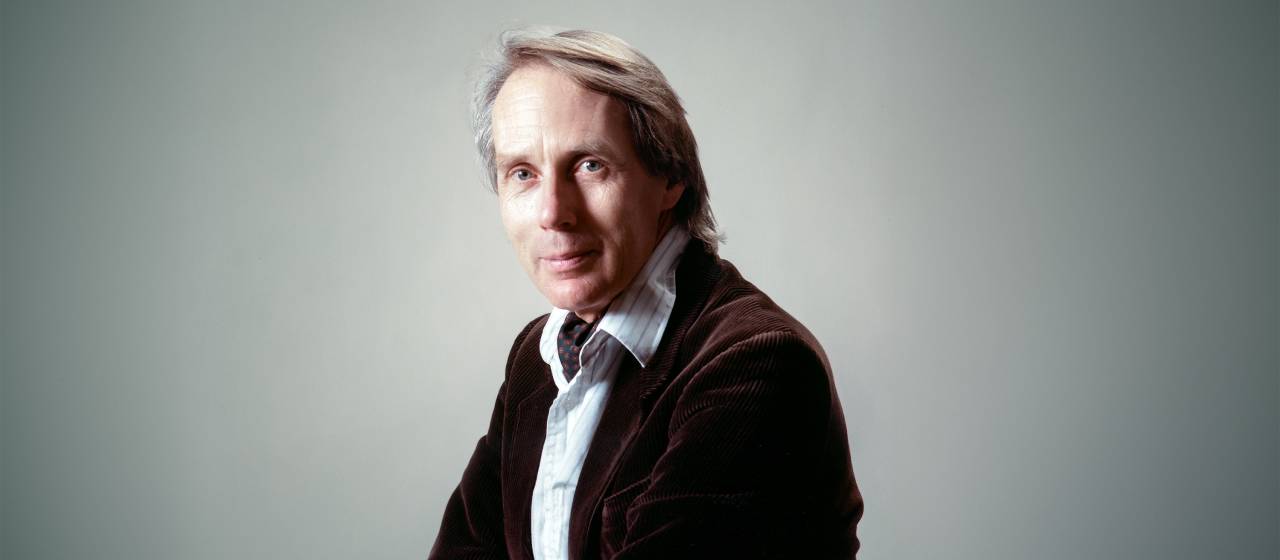
Throughout his 60-year career, he pursued a single question: How does air move around an airplane, and how can that knowledge improve design?

The “CrysVCD” tool developed at MIT could cut the huge amounts of time and money spent on screening out chemically unstable designs.
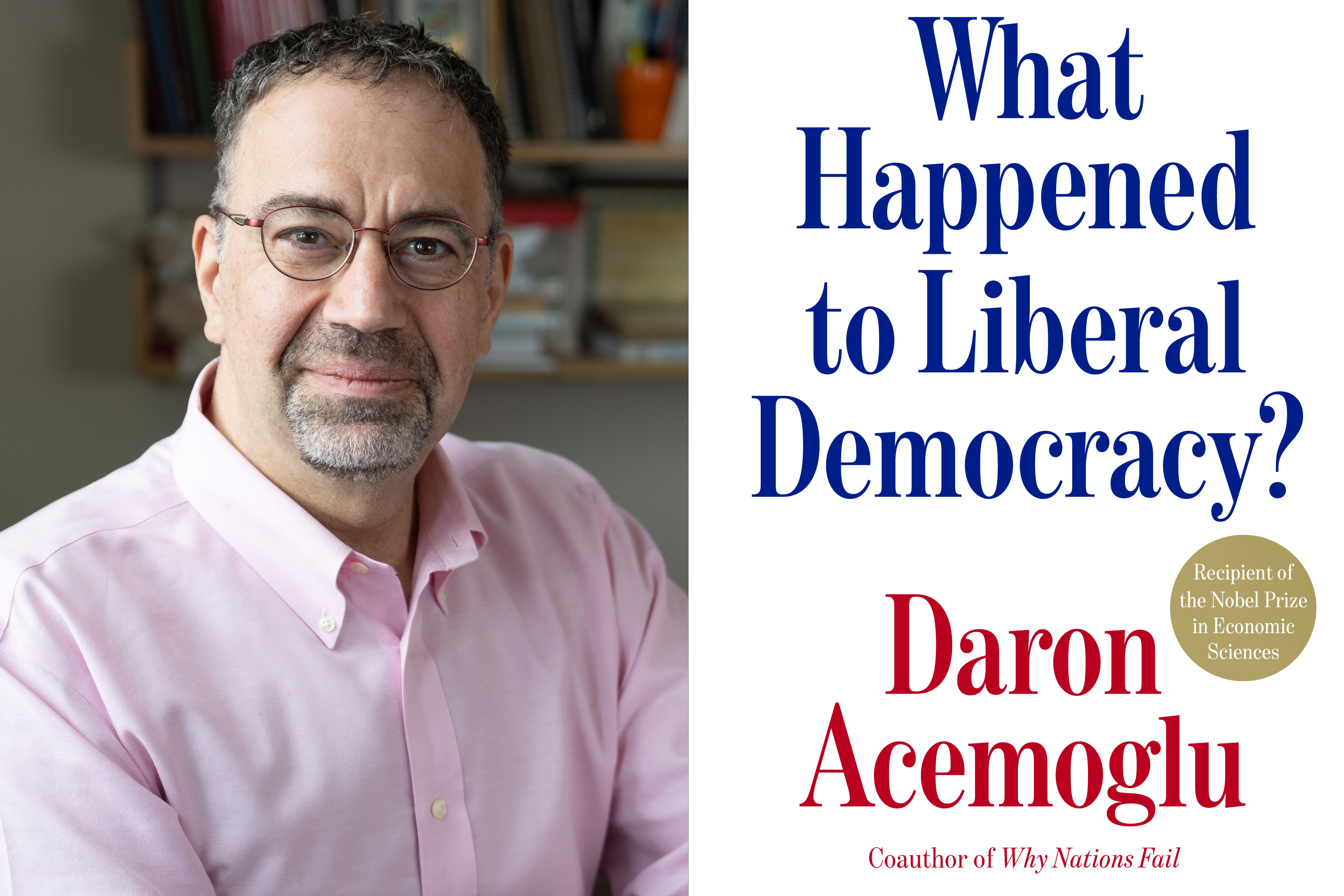
Deindustrialization didn’t only hurt some workers, Daron Acemoglu says in a new book; it shrank the coalition supporting democracy, which needs expanding.

Electra’s hybrid, fixed-wing aircraft, which grew out of a class project, could make travel easier for passengers taking shorter trips.
Policy expert says new California law highlights need for national standards on safety labels to cut high levels of U.S. food waste

Nathalie de Leon will direct the new institute, which is one of eight announced as part of the National Science Foundation’s Quantum Leap Challenge Institutes program.

Physicists solve 40-year-old magnetic mystery Sarah Collins Tue, 08/25/2026 - 11:05 A quantum particle that crosses a ‘duality defect’ – a boundary between order and disorder – is never reflected. It always passes through, but it comes out changed: not a particle, but a spread-out, thread-like excitation that researchers compare to a wisp of fog. The findings, published in the journal Nature Physics, may help solve a 40-year-old puzzle in physics known as the magnetic monopole paradox. The researchers, from the University of Cambridge, Ghent University and the University of Oxford, borrowed the wisp of fog image from Goethe’s poem Erlkönig, made famous by the composer Franz Schubert in his 1815 setting. In the poem, a father tells his frightened son that the ghostly figure he sees is only ‘ein Nebelstreif’ – a wisp of fog. But the father turns out to be tragically wrong.Since the 1980s, physicists have theorised what happens when a charged particle scatters off a magnetic monopole: an isolated magnetic charge. Some scientists showed that the particle’s outgoing state seemed to disappear, while later work suggested the missing states were hidden in ‘twisted’ sections of the monopole. Now, the team behind the current work say they have shown where these particles go. Using a model called a spin chain, they fired quantum wave packets – localised bundles of quantum waves that help pinpoint a particle’s probable location and motion – at a duality defect. The particle always crossed the boundary, and re-emerged transformed: faint, spread out, and trailing a thread back to the boundary, like Goethe’s Nebelstreif. “The particle goes through every time – it has no choice, because the defect can be moved around freely, so there’s nothing for the particle to bounce off,” said co-author Professor Frank Verstraete from Cambridge’s Department of Applied Mathematics and Theoretical Physics (DAMTP), and Ghent University. “But what comes out on the other side is no longer an ordinary particle. It’s what we call a nonlocal object – a particle attached to an invisible string that stretches back to the defect.” The research builds on years of work describing quantum matter through entanglement – a feature of quantum theory that causes two particles to be intrinsically linked – rather than particles, using mathematical tools called tensor networks. In this framework, the duality defect is represented by an object that includes a virtual space usually treated as mathematical bookkeeping. In the current study, the researchers found that the virtual space is actually physical: it is the defect’s own internal quantum state, and its size sets how many internal degrees of freedom the defect has. “The defect carries a hidden quantum space, and that space dictates both the perfect transmission and the particle’s new identity,” said first author Dr Atsushi Ueda from Ghent University. “Dualities are strange symmetries: you can’t apply them particle by particle, only to the whole system at once,” said co-author Dr Laurens Lootens, also from DAMTP, who helped establish the mathematical framework behind the result. “For years, non-invertible symmetries and duality defects have been studied as beautiful but abstract structures,” said co-author Professor Paul Fendley from the University of Oxford. “This work gives them an operational meaning: throw something at one, and see what comes out.” Because the underlying model is a simple spin chain, the effect could be tested on existing quantum simulation platforms, such as cold atoms, trapped ions and superconducting processors. The researchers say this could lead to the first direct observation of a particle changing identity as it crosses a topological interface. Goethe’s poem ends tragically: the father reaches the courtyard of his home, and the child in his arms is dead, taken by the Erlkönig. But the researchers reached the opposite verdict: it really was ein Nebelstreif. Reference:Atsushi Ueda et al. ‘Perfect particle transmission through duality defects.’ Nature Physics (2026). DOI: 10.1038/s41567-026-03390-5 PASIEKA via Getty Images Abstract lines Yes
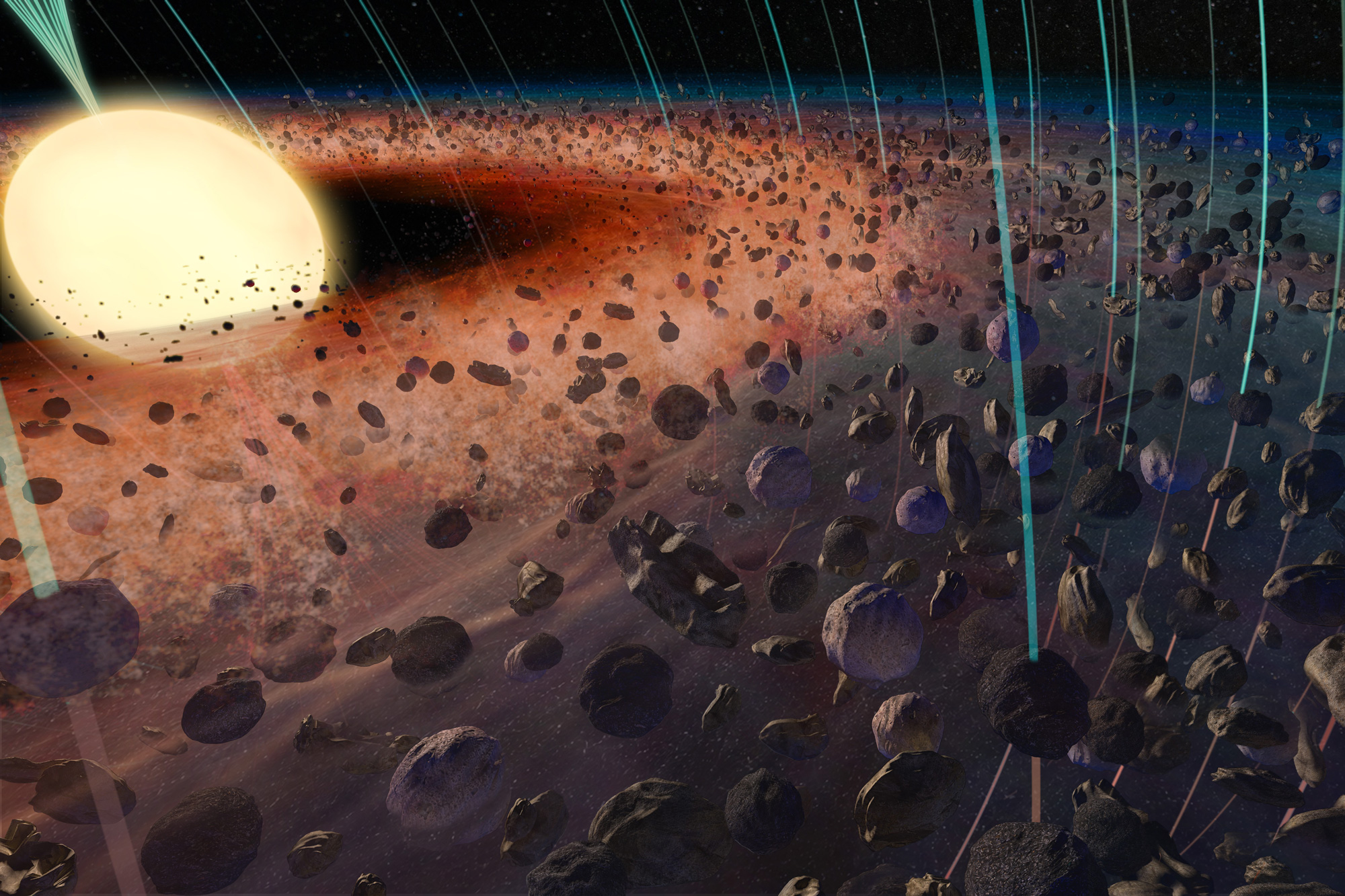
The discovery likely represents the earliest known evidence of a magnetic field in the infant solar system.

A new algorithm learns to anticipate the unprecedented scenarios that critical infrastructure and global supply chains are least prepared for.
2,500-year-old marble sculpture of young man hid face-down for centuries, broken and recycled as paving stones
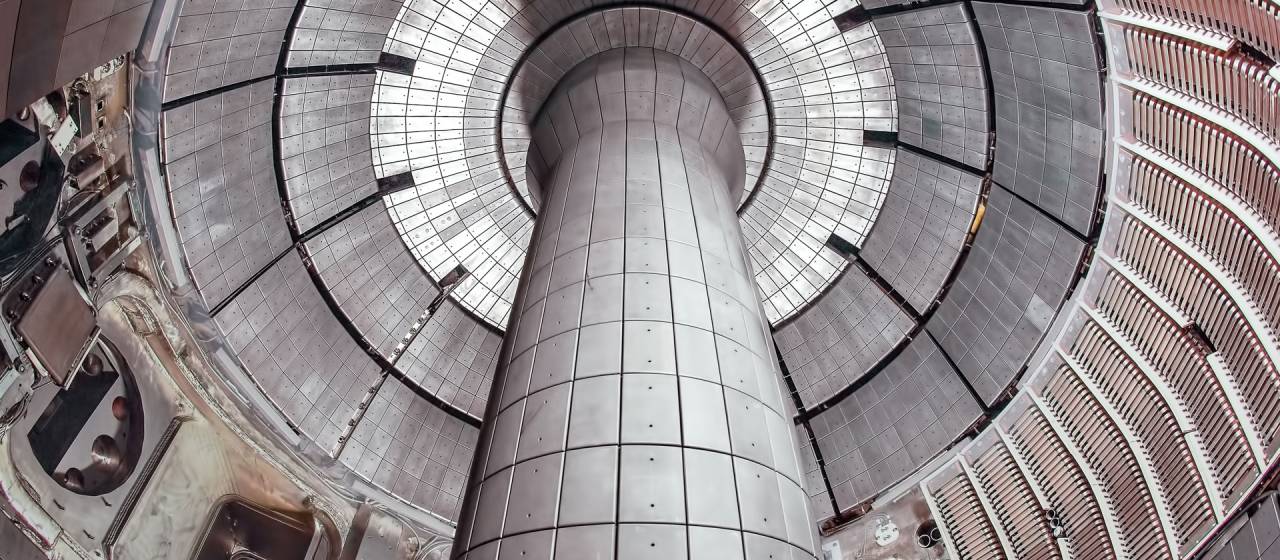
The U.S. Department of Energy and Princeton University have signed a five-year extension of the contract for Princeton’s management and operation of the Princeton Plasma Physics Laboratory.
MIT researchers find that activity in the brain’s language network is nearly identical in young and old people.
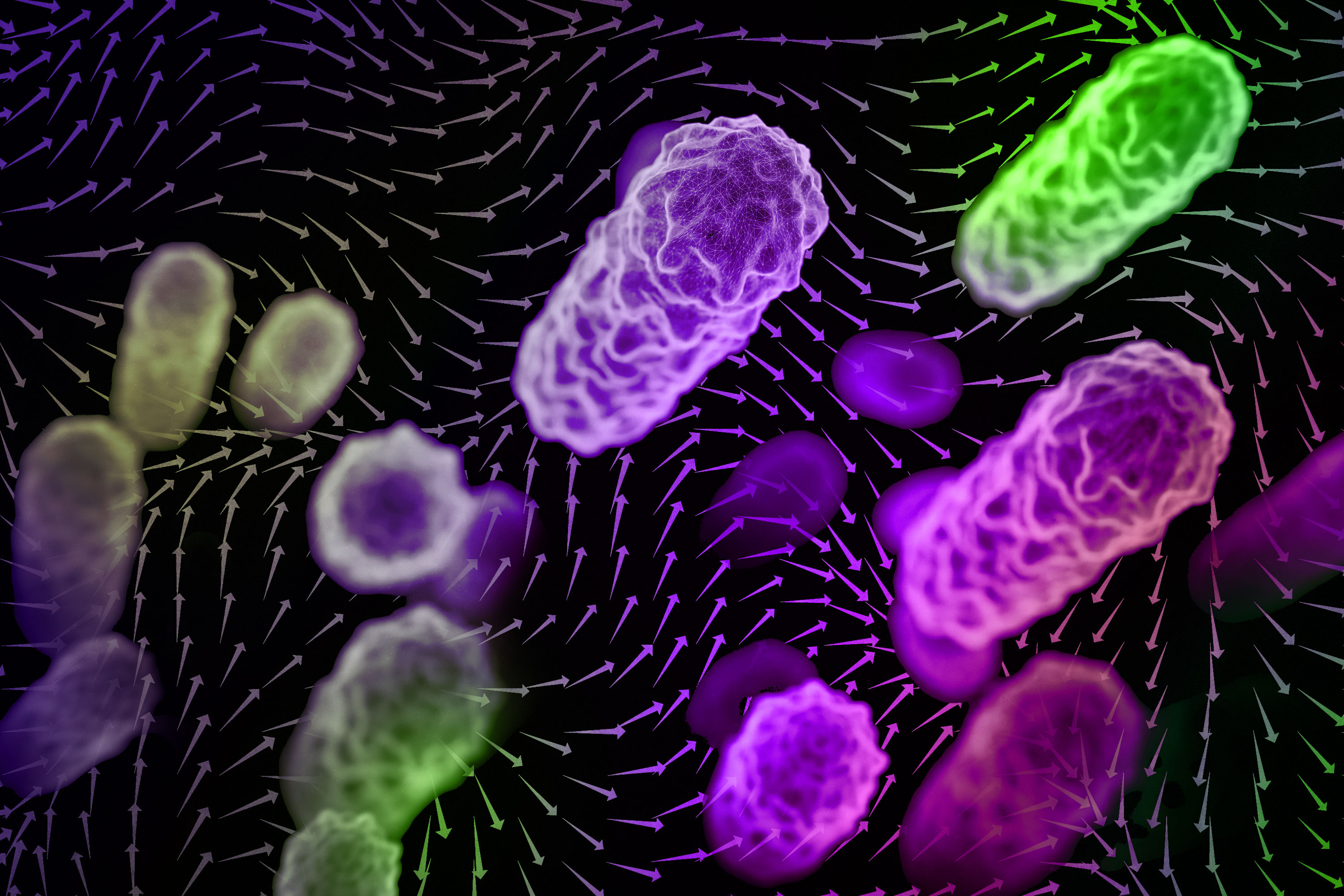
Researchers explore how a key factor can mitigate or promote tuberculosis transmission.
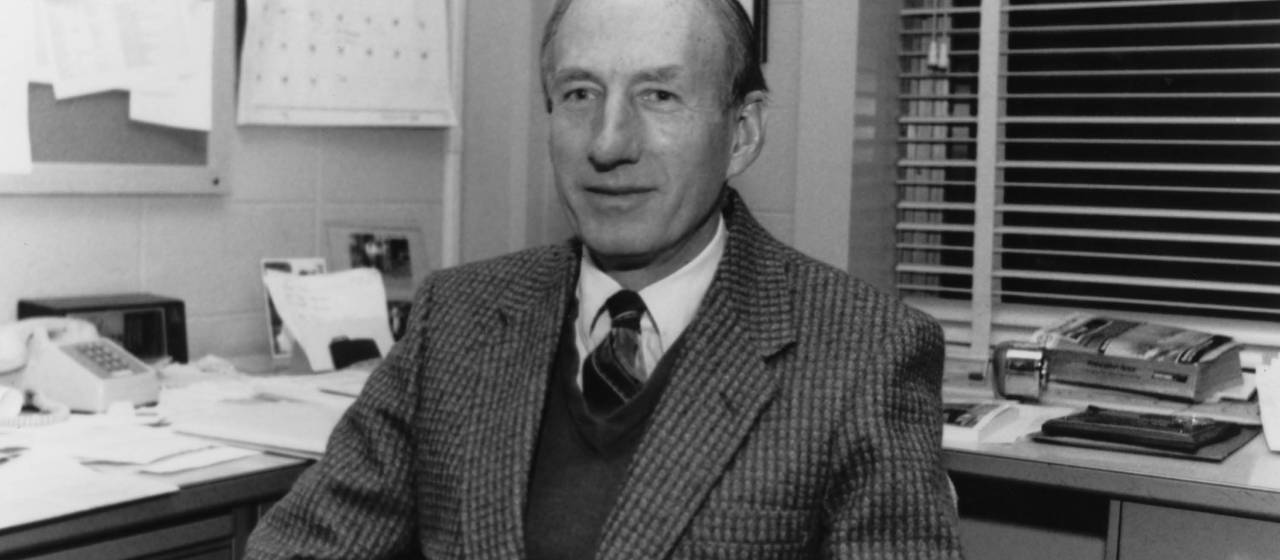
Jackson applied mathematical rigor to the study of flowing mixtures to shape a new era of chemical engineering.
Med School lecturer nods to wider implications in blueprint for Hungary
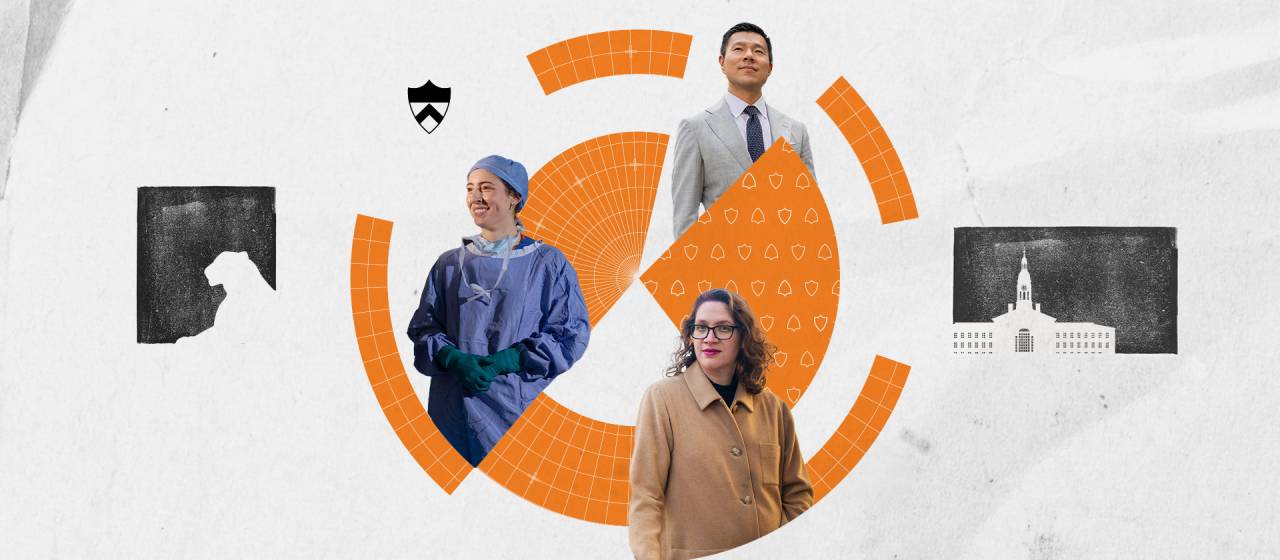
Recent Princeton alumni from the University’s 50-plus humanities departments and programs have gone on to a breathtaking array of careers.
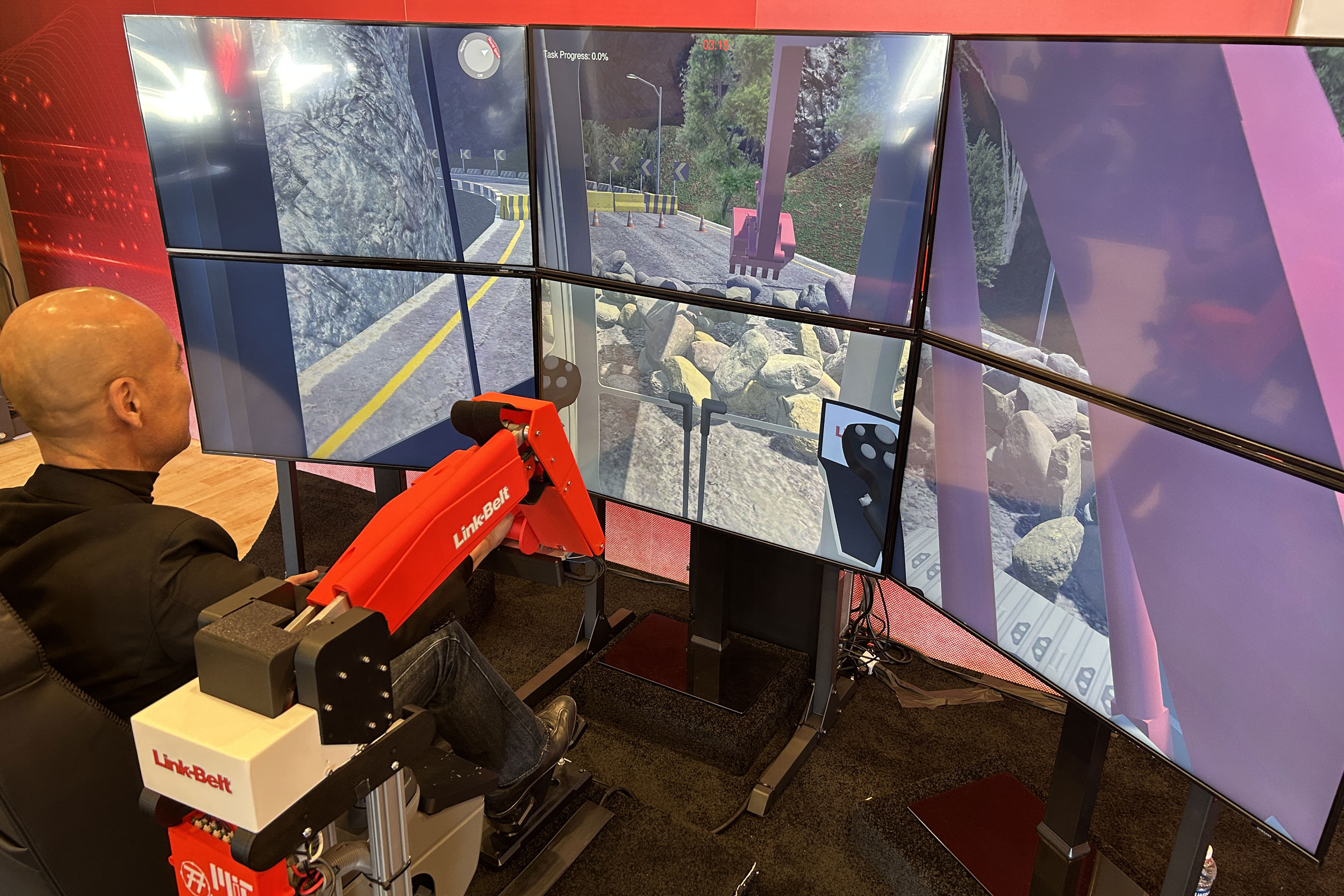
The new, more intuitive system could speed up the training process for excavator operators.