
Research Institutions
‘Our University is, at its heart, an affirmation of humanity’
Garber reminds faculty, students at Morning Prayers that AI is powerful technology but human intelligence, values remain in charge
Latest research findings, studies and research developments.
Garber reminds faculty, students at Morning Prayers that AI is powerful technology but human intelligence, values remain in charge
Genghis Khan supposedly fed it to his troops for strength and bravery. He might have been onto something.

A new method, called CW-Net, translates the reasoning process of an autonomous vehicle’s AI system into understandable concepts that explain its behavior.

Due to physical and fundamental limitations, an earlier proposal for producing laserlike beams of neutrinos cannot be achieved, scientists report.
Official news regarding the CERN Safety Rules: Storage of hazardous chemical agents (HCA) Written by: HSE Department — The CERN Safety Rules listed below have been published on the dedicated CERN website: The Safety Guidelines (SG) provide detailed instructions for the implementation of CERN Safety Rules. Compliance with a Safety Guideline provides a presumption of […]
We often hear about the remarkable components of the accelerators, but transporting this equipment sometimes requires measures that are just as impressive. Over the course of the third long shutdown (LS3), which started this summer, entire sections of the Large Hadron Collider and its detectors will be dismantled in order to make room for the […]
Media and social media content creators (influencers) can offer a great opportunity to tell CERN’s story to a wider audience, but unauthorised visits or sponsored content can be potential risks for CERN’s reputation. For this reason, we would like to remind the CERN community (staff, graduates, apprentices, associates, users, students and contractors) that the Press […]
To be better adapted to the operational needs of CERN’s activities, and to reflect modern learning practices, the radiation protection training programme has been revised by the Safety Training Service in collaboration with HSE and specialists from other CERN departments. What’s new? The revised programme is available in the Safety / Radiation Protection (RP) catalogue […]
Niels Doble (1938–2026) — Niels Doble, born on 2 May 1938, passed away on 8 August 2026 after a short illness. Niels was best known for his pivotal contributions to the initial design and subsequent operation of the North Area at the Super Proton Synchrotron (SPS) complex. Niels studied physics at the University of Bristol. […]
As mentioned in our June and July articles, CERN has put in place a structure to meet the need to manage and oversee concurrent activities during Long Shutdown 3 (LS3). One of the key measures is systematically declaring interventions. Why declare your activities? This is a key step in obtaining formal authorisation to carry out […]
The senior lecturer, already director of the degree program, will now oversee all aspects of the center’s activities and operations.
The brain's ability to generate quick, nimble volitional thought — and a unified awareness of thought and experience — arises from analog computations, MIT neuroscientists argue in a new review.
For photography scholar, albums are a poignant reminder of the details a picture leaves out
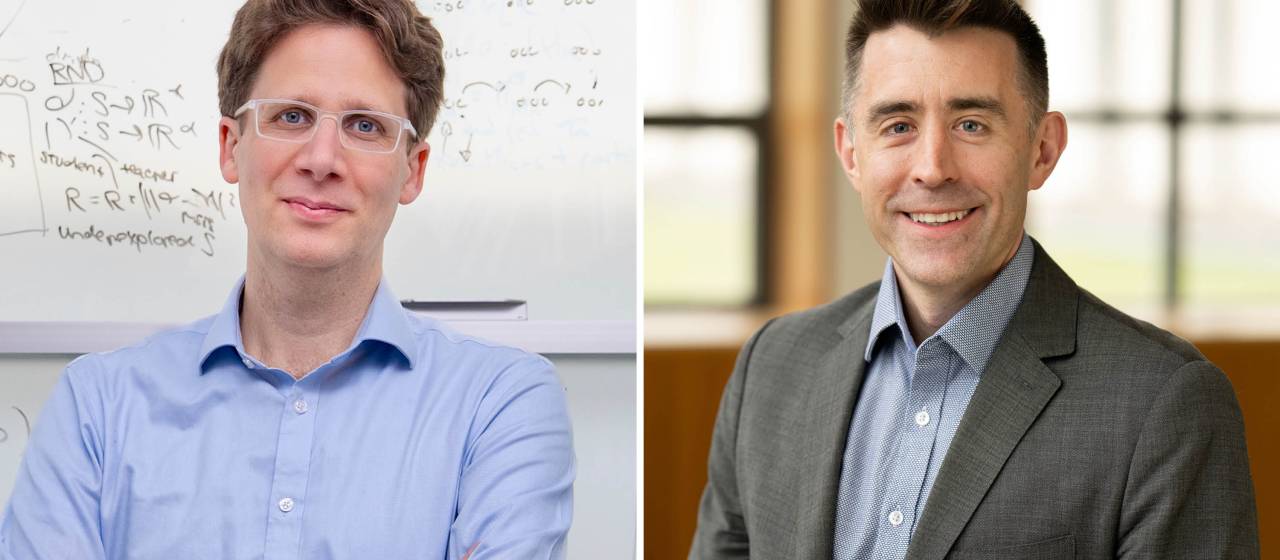
Tom Griffiths and Arthur Spirling are co-directors of the DaIS initiative, which builds on the deep links between AI and data science at Princeton while creating space for continued rapid progress in each of the fields.
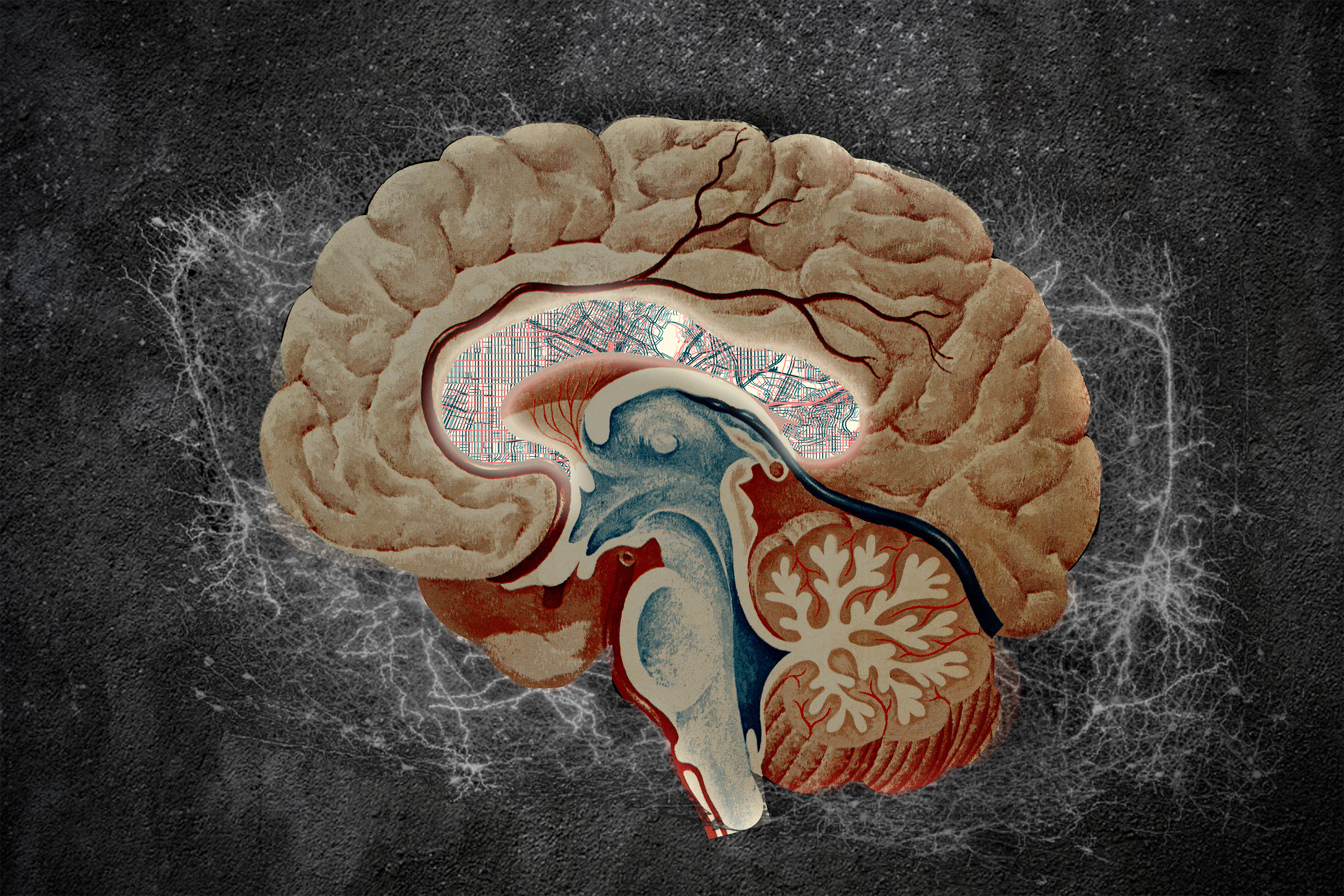
A new study reveals insights into populations of neurons affected by Huntington’s disease, schizophrenia, addiction, and other disorders.

Pre-eclampsia discovery could lead to new test and treatments for at-risk pregnancies Craig Brierley Tue, 09/01/2026 - 10:00 The discovery helps explain why placental cells fail to properly ‘invade’ the uterus in these two related conditions and could lead to the development of tests to help identify those at greatest risk and new treatments for the conditions.Pre-eclampsia affects around one in 20 pregnancies worldwide and is a leading cause of maternal and fetal health complications, contributing significantly to mortality rates of mothers and babies worldwide. Fetal growth restriction, where a baby does not reach its biological growth potential in the womb, affects roughly 3% to 10% of pregnancies in high-income countries and up to one in five pregnancies globally. It is a leading cause of complications in the womb and in newborns, including stillbirth.Both of these conditions are known to be linked to problems with the placenta not developing properly early in pregnancy, in particular a failure of specialised placental cells known as the extravillous trophoblast (EVT) to invade the mother’s womb and establish a healthy blood supply.Professor Gordon Smith, Head of the Department of Obstetrics and Gynaecology, University of Cambridge, said: “As part of normal development, the placenta invades into the tissues of the mother’s womb. Of all mammals, humans have the deepest placental invasion, which reflects the massive demands of oxygen and nutrients required to manufacture the most complex machine ever known, the human brain.“When this process goes wrong and specialist placental cells fail to adequately invade the uterus, it results in a placenta and fetus that are deprived of nutrients and oxygen, leading to pre-eclampsia and fetal growth restriction. But until now, the reason for this failed invasion has been obscure.”To better understand this process, Professor Smith and colleagues from the Department of Obstetrics and Gynaecology and The Loke Centre for Trophoblast Research at the University of Cambridge analysed serum samples taken from pregnant women at around week 12 of their pregnancies who had been recruited to the Pregnancy Outcome Prediction Study (POPS) at the Rosie Hospital, part of Cambridge University Hospitals NHS Foundation Trust.The researchers looked retrospectively for ‘red flags’ present in those women whose pregnancies went on to be affected by pre-eclampsia or fetal growth restriction. Their findings are published today in Nature Medicine.The researchers found that low circulating levels of a protein known as isthmin-2 (ISM2) around three months into the pregnancy was the strongest indicator that the pregnancy would go on to face problems with pre-eclampsia or fetal growth restriction.ISM2 and its associated mRNA – a molecule that carries instructions from DNA to the part of the cell that makes proteins – are produced almost exclusively in the placenta and, within the placenta, ISM2 mRNA is found in greatest abundance in EVTs. To test whether this association was likely to be a cause of the problems, the team used a laboratory technique to switch off or greatly reduce production of ISM2 in human trophoblast stem cells. The trophoblast is the outer layer to the early-stage embryo, and these stem cells can normally develop into the outer layer of the placenta. However, although the cells still survived and grew normally in the absence of ISM2, they failed to turn into invasive EVT cells.In 3D cellular models known as placental organoids – essentially, ‘mini-placentas’ – the cells stopped spreading into surrounding material, which was mimicking the uterus. In other words, without ISM2, the cells lose their ability to become the type of cells that burrow into the womb and establish blood flow.Remarkably, when human kidney cells – which do not normally make the protein – were forced to make ISM2, they became more invasive in cell culture.Professor Smith, who is also a consultant in maternal and fetal medicine at The Rosie, added: “This has major implications for care in pregnancy. Early pregnancy maternal levels of isthmin-2 are much better at predicting complications than existing tests, so it could enable us to develop better ways of identifying those pregnancies at greatest risk. “It also gives us a potential way to prevent these conditions from happening, if we can find a way to stimulate production of IMS2 in the placenta. Not only that, but blocking it might prevent the need for surgery for complications where the placenta has implanted in the wrong place, such as ectopic and caesarean scar pregnancies.”Professor Steve Charnock-Jones, from the Department of Obstetrics and Gynaecology, said: “Every pregnancy carries with it a risk of pre-eclampsia and fetal restricted growth, and this is even more so the case in low- and middle-income countries. Now that we know what goes wrong, we may be in a better position to make a major difference to pregnancy outcomes, protecting the health and lives of millions of mothers and their babies every year.”The researchers identified the protein by studying a sample of more than 200 women who subsequently experienced pre-eclampsia and/or fetal growth restriction and more than 200 women with normal pregnancies. The findings were validated by studying samples from Swedish pregnant women, including more than 100 cases and 200 controls.The research was largely funded by Wellcome Leap, with additional support by the National Institute for Health and Care Research (NIHR) Biomedical Research Centre: Cambridge and the Medical Research Council.ReferenceMiao, R, Gong, S, Sovio, U & Aye, ILMH et al. Isthmin-2 is essential for extravillous trophoblast invasion and is a first trimester predictor of preeclampsia and fetal growth restriction. Nat Med; 1 Sept 2026; DOI: 10.1038/s41591-026-04573-6 Now that we know what goes wrong, we may be in a better position to make a major difference to pregnancy outcomes, protecting the health and lives of millions of mothers and their babies every year Steve Charnock-Jones ManuelTheLensman Pregnant woman holding her stomach Yes Licence type Public Domain

President Sally Kornbluth took to GBH’s “Boston Public Radio” (BPR) to discuss the value of scientific research amid cuts to federal funding and the new endowment tax impacting MIT and other universities. In her wide-ranging conversation with hosts Jim Braude and Margery Eagan, Kornbluth highlighted ‘Curiosity on a mission,’ MIT’s support for quantum technology, artificial intelligence and research—and where to get soft serve ice cream. “The best science is scientists just following their instincts, trying to find the answers to fundamental questions,” said Kornbluth.Scientific discovery is born from a long sequence of experiments, funded largely by federal grants, “but it's not just scienti...
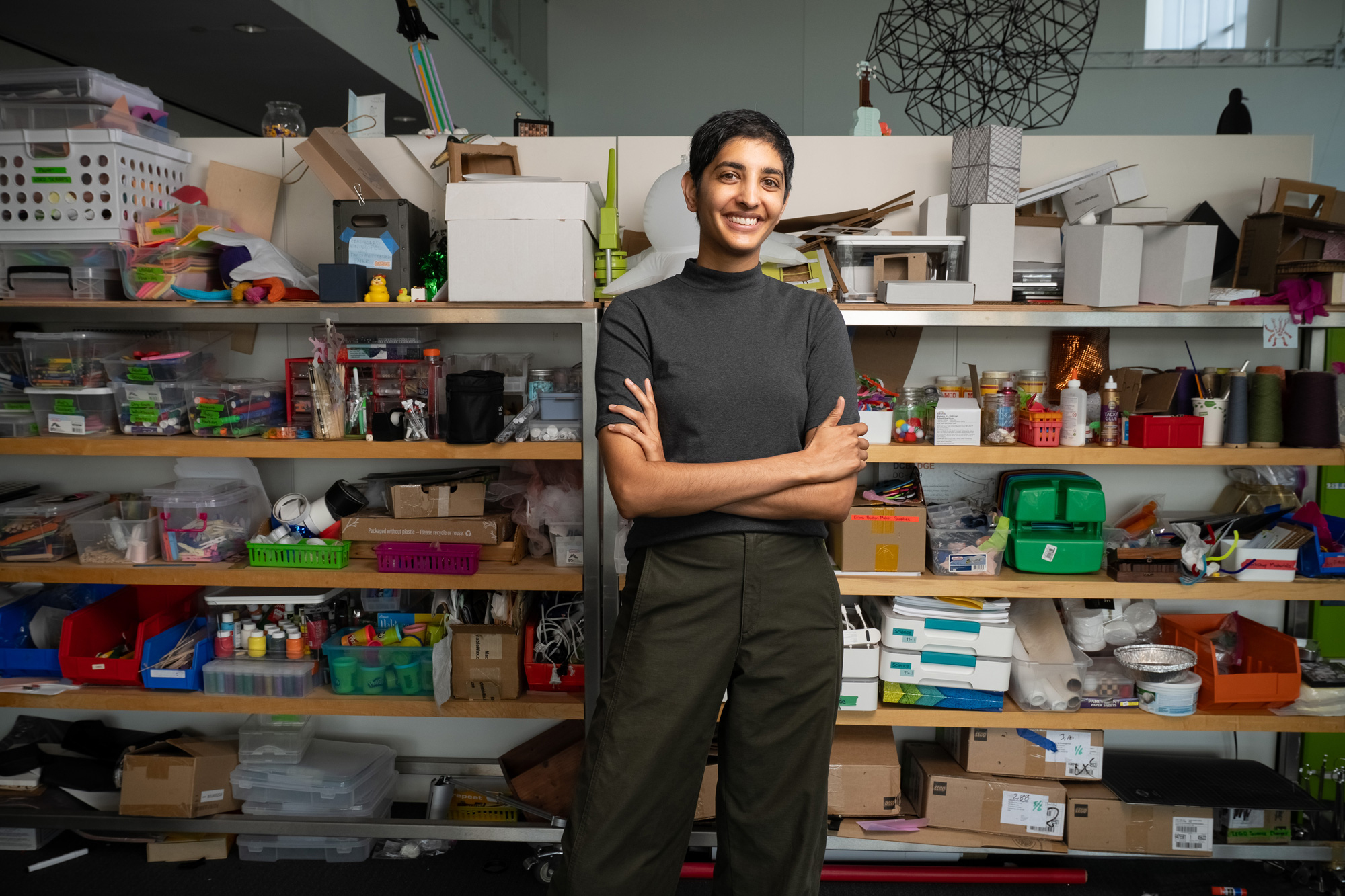
The PhD student works to give young people an active role in shaping digital technologies that can support their own well-being.
‘This is not a time that we should be pulling back,’ says Catherine Wu. ‘It’s a very, very exciting time in the field.’

Graduate student Lyonel Tanganco investigates how to improve public policy interventions and address challenges in nutrition, climate, and development.