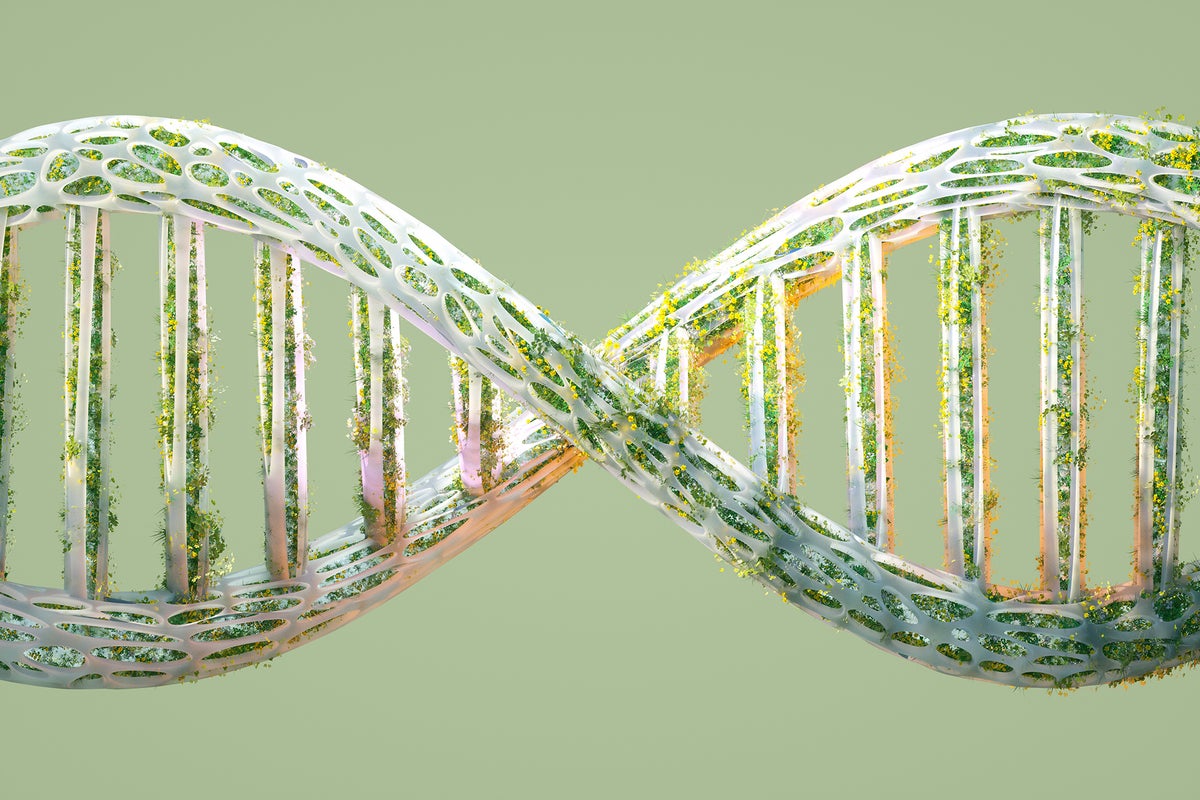
Claude just found a CRISPR-like DNA pattern, but even Anthropic's scientists aren't sure what it does
The large language model took less than a day to identify the curious stretch of DNA
Explore the latest scientific discoveries, science news, breakthroughs and developments from around the world.
The large language model took less than a day to identify the curious stretch of DNA
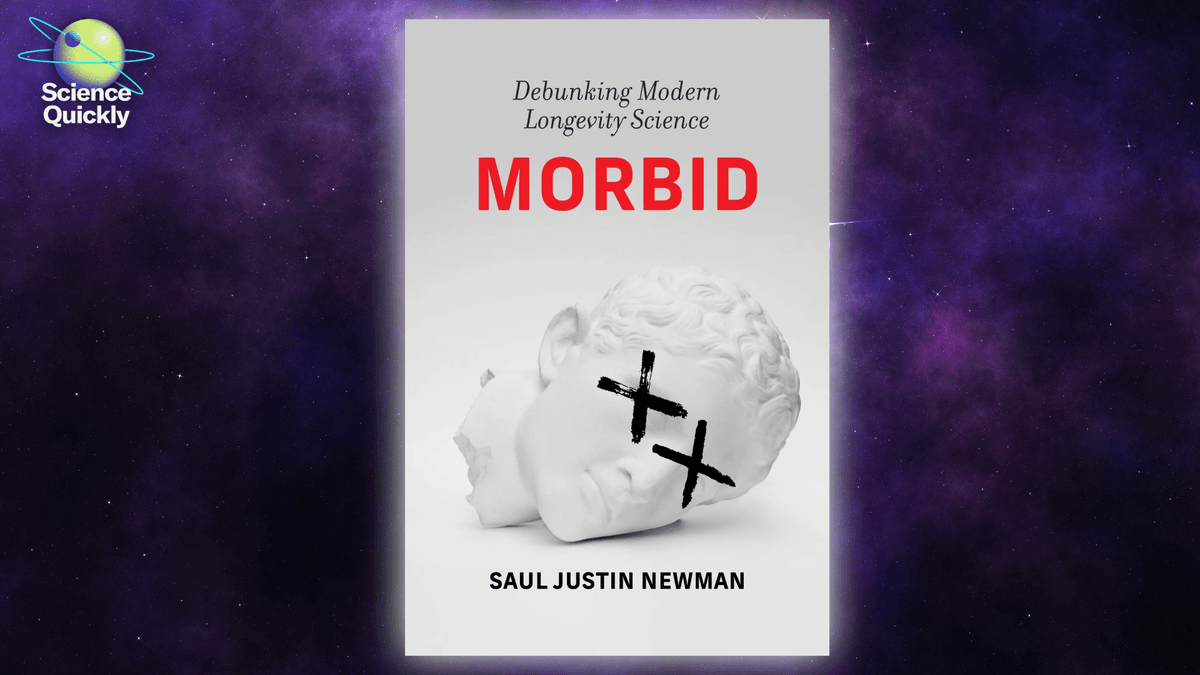
The data behind Blue Zones might not be that strong
Deforestation slowed worldwide last year, but the improvement is unlikely to last as the situation deteriorates in Central Africa and an exceptionally strong El Niรฑo weather pattern intensifies, a new study said on Wednesday.
Until now, the alien white-hot worlds of exoplanets have been depicted as circular, but new research has revealed the true shape of their atmospheres to be a deformed sphere rather than a perfect circle.
The two warmest time periods on Earth in the past 140 million years drove both mass extinctions and explosions in plant diversity, according to researchers in Australia and Austria who say this could explain how flowering plants became dominant among land plants. The study, published in Nature Plants, examined fossilized pollen and spores to show that the mid-Cretaceous and early Cenozoic periods of extreme global warmth were central to plant evolution. This applies not only to flowering plants, but also to the other main land plant groups.
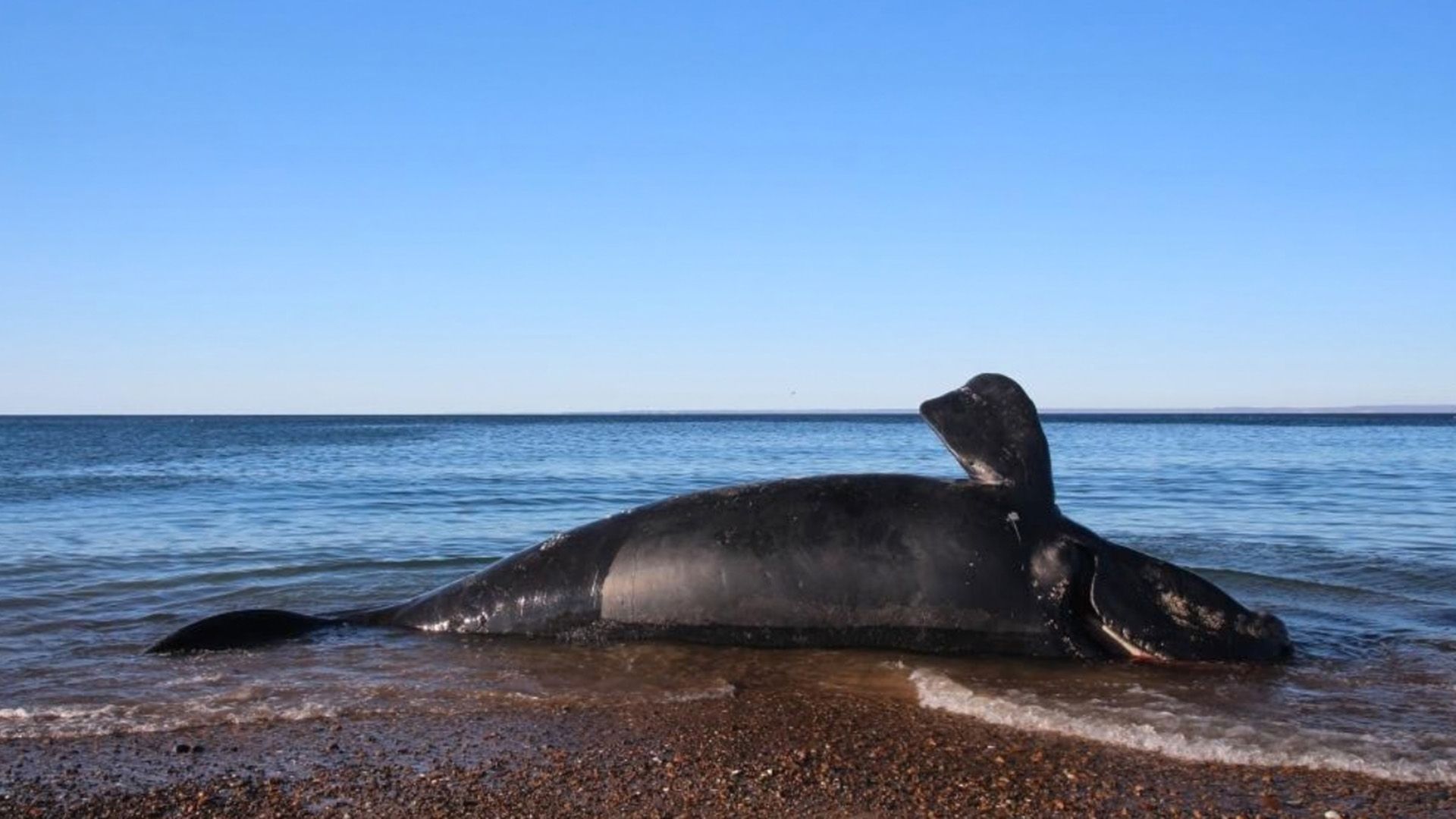
Since June, more than 300 southern right whale (Eubalaena australis) calves have died in Argentine Patagonia, in what scientists describe as an "exceptional" die-off. The preliminary figure already far exceeds the previous annual record set in 2012, when 113 southern right whale calves died โ the highest number ever documented for the species, both locally and globally.Now, scientists are racing to figure out exactly what's causing the record-breaking die-off. Laboratory analyses of specimens that died this year tested positive for the pathogenic bacterium Erysipelothrix rhusiopathiae, environmental authorities in Chubut province told Live Science. E. rhusiopathiae was first identified in so...
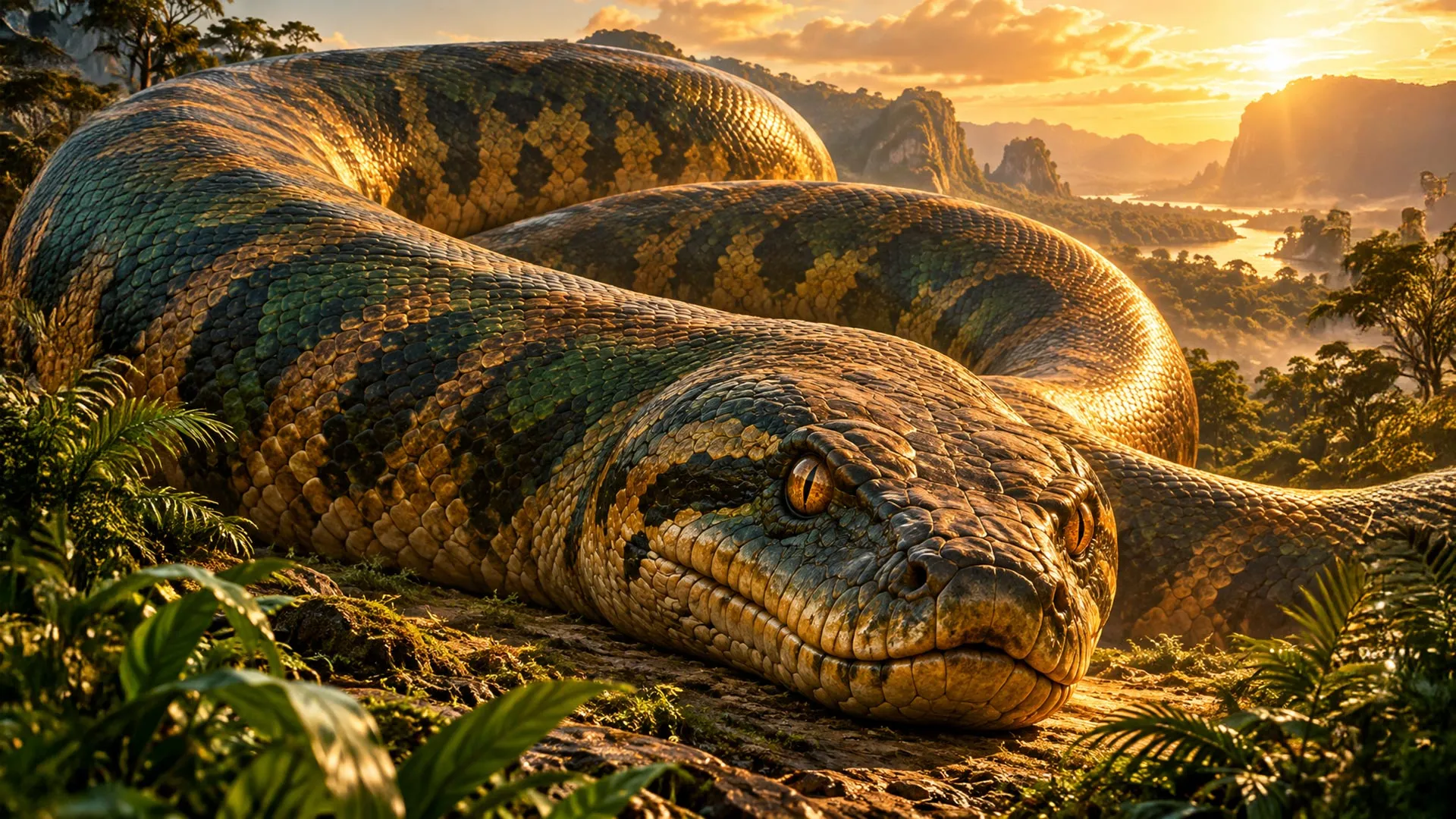
A massive prehistoric snake discovered in India may have rivaled the largest snake ever known. Called Vasuki indicus, the 47-million-year-old giant could have reached up to 50 feet long, making it comparable to the legendary Titanoboa. Scientists believe its enormous body made it a slow-moving ambush predator, similar to a modern anaconda.
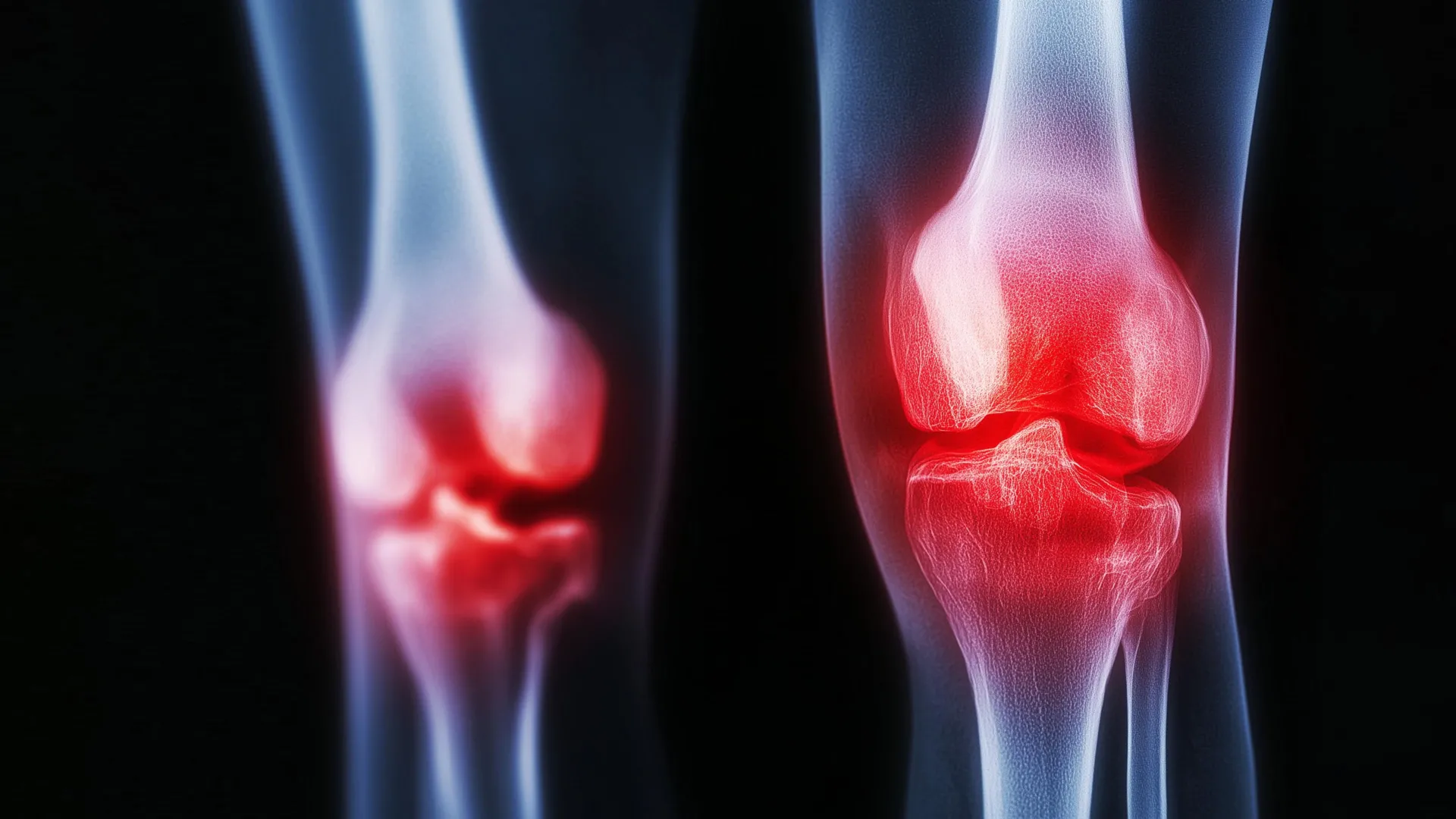
A promising new treatment for knee arthritis uses tiny, dissolvable particles to block abnormal blood vessels, easing inflammation and pain without joint replacement surgery. In a study of 194 patients, 80% experienced clinically meaningful pain relief lasting at least 12 months.
Multiple coveys of wild bobwhite quail were recently sighted at the University of Tennessee's Ames AgResearch and Education Center, marking an encouraging milestone in an ongoing effort to restore habitat for the species at this historic bird dog field trial destination.
A new study reveals that people draw a surprisingly sharp line between human consciousness and artificial intelligence, even when both behave identically. Researchers found that participants considered even the most responsive AI less conscious than the least responsive human. Yet when asked about "awareness" instead, people judged humans and AI much more similarly.
Lilly Jan was perplexed and a little annoyed. Last year, Jan, an assistant teaching professor in the Cornell Nolan School of Hotel Administration in the Cornell SC Johnson College of Business, was trying to collect information on food industry businesses owned by Black women.
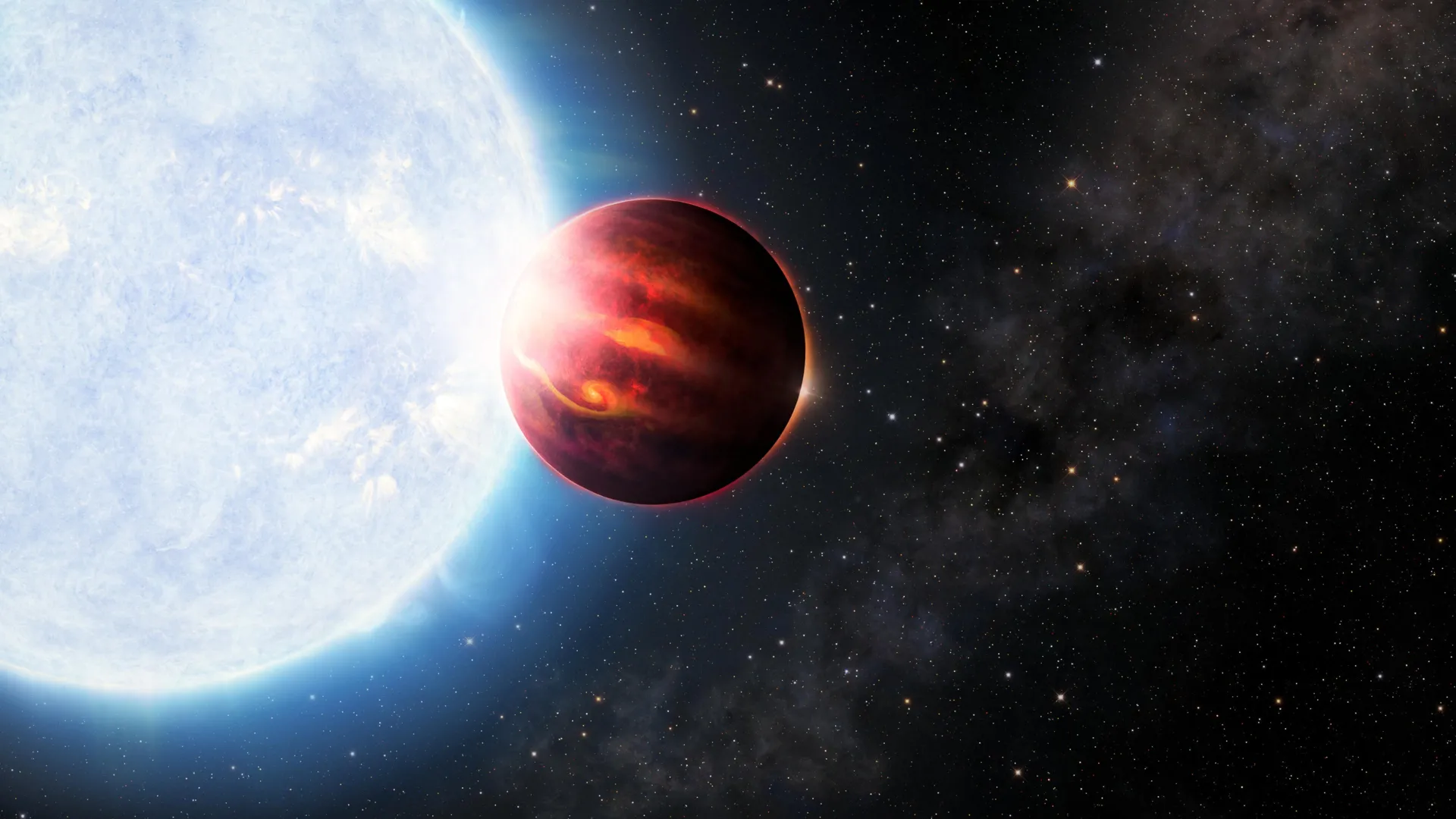
Astronomers have discovered that a scorching-hot planet 320 light-years away shares a striking chemical similarity with its host star, providing the first direct evidence for a fundamental assumption about planet formation. The breakthrough could help scientists predict what distant rocky planets are made of and identify worlds with conditions favorable for life.