Latest Scientific Discoveries

All News →
One of America's biggest meteor craters is 100 million years younger than we thought — and coincided with a global extinction event
Science News

One of America's biggest meteor craters is 100 million years younger than we thought — and coincided with a global extinction event

One of America's largest meteor craters is around 100 million years younger than scientists thought, which means the ancient impact coincided with — and potentially contributed to — one of the biggest global extinction events in Earth's history, according to a new study.The underground impact structure, known as Ames crater, is located in northern Oklahoma and is named after a small town that sits above the submerged crater. At around 10 miles (16 kilometers) wide, it is the fourth-largest impact structure in the U.S.Ames crater was created when an Eiffel Tower-size space rock slammed into our planet at more than 70,000 mph (110,000 km/h). At the time, the region was covered in a shallow oce...

📅 2026-10-14 13:08:09    •    Live Science
Scientists reveal why some workout recovery tricks can backfire
Science News

Scientists reveal why some workout recovery tricks can backfire

Ice baths, massages, compression garments, and recovery supplements promise faster muscle recovery, but research suggests their benefits are often overstated, and some techniques may even undermine long-term gains. Scientists say the most effective recovery methods are far simpler and cheaper: getting enough sleep, eating well, and giving muscles time to rebuild.

📅 2026-10-14 12:04:20    •    ScienceDaily
Cornell scientists identify rare human genetic disorder in two unusually long-legged cats
Science News

Cornell scientists identify rare human genetic disorder in two unusually long-legged cats

Two unusually long-legged cats have helped scientists uncover the first genetically confirmed cases of Marfan syndrome in domestic felines. Researchers at Cornell University discovered that the brothers carried two altered copies of a gene linked to the rare connective tissue disorder, which can affect the eyes, heart, and blood vessels. Surprisingly, the cats survived into adulthood because their genetic mutation still allowed some normal function.

📅 2026-10-14 11:56:22    •    ScienceDaily
Why the AI shopping revolution could backfire on retailers
Science News

Why the AI shopping revolution could backfire on retailers

Retailers have every reason to be interested in AI. A shopping assistant that answers questions at any hour, compares products instantly and offers personalized recommendations sounds like a win for customers and businesses alike.

📅 2026-10-14 11:40:06    •    Phys.org
The secret to easier exercise as an adult may start in childhood
Science News

The secret to easier exercise as an adult may start in childhood

Exercise during childhood could have a surprising lifelong benefit, potentially making physical activity less exhausting in adulthood. In a study involving guinea fowl, researchers discovered that birds accustomed to carrying weights while growing up could carry those weights as adults without using extra energy, while untrained birds burned 23% more.

📅 2026-10-14 11:36:23    •    ScienceDaily
Children's mental health struggles may expose parents to stigma tied to parenting ideals
Science News

Children's mental health struggles may expose parents to stigma tied to parenting ideals

Parents of children with mental health problems may experience stigma when the ideals that matter most to being considered a "good parent" are perceived as not being met, according to preliminary research led by Weill Cornell Medicine, Columbia University Vagelos College of Physicians and Surgeons and NewYork-Presbyterian investigators.

📅 2026-10-14 11:20:13    •    Phys.org
Scientists may have overlooked a hidden Alzheimer's culprit for decades
Science News

Scientists may have overlooked a hidden Alzheimer's culprit for decades

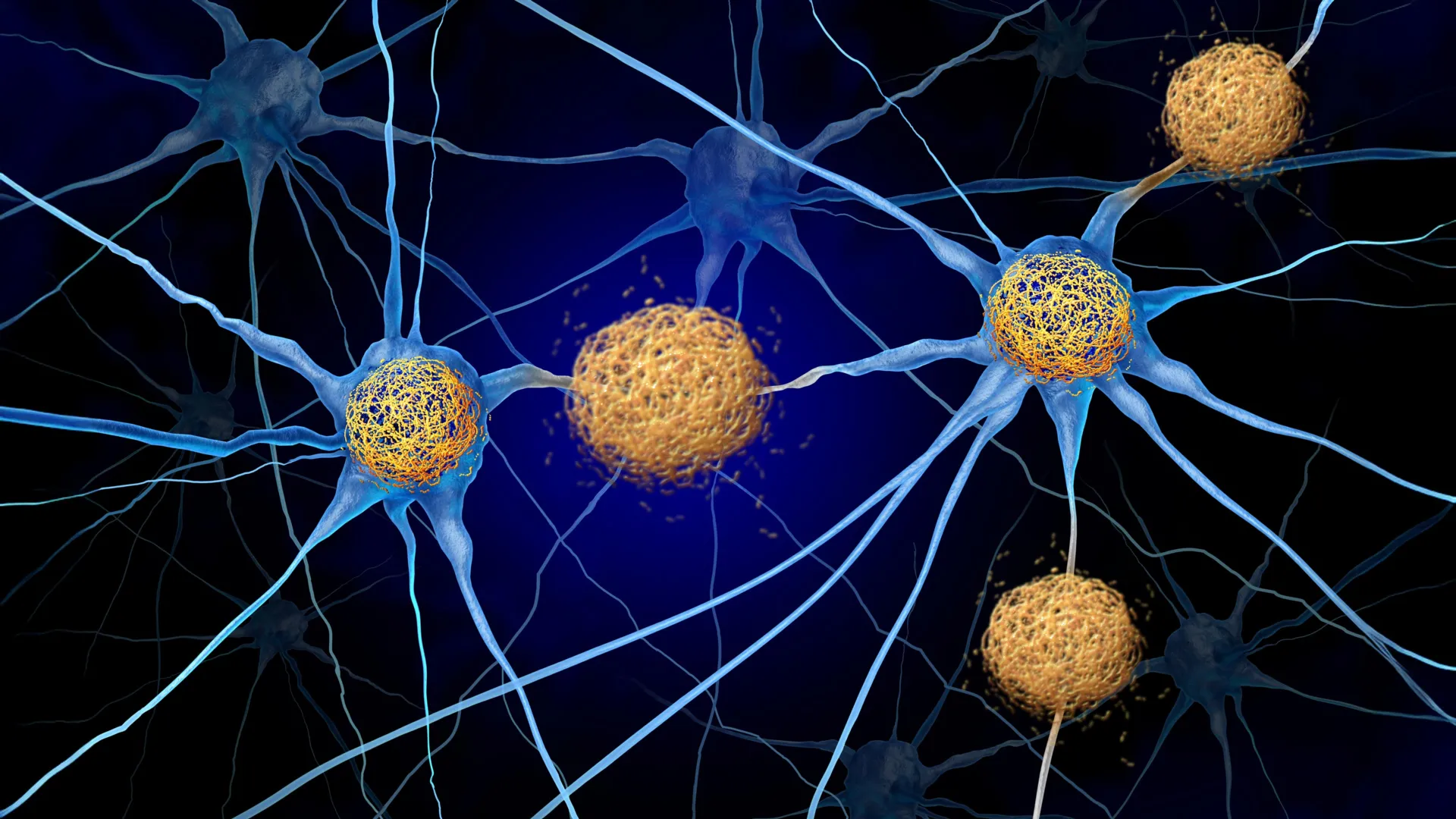
For decades, scientists have focused on amyloid beta as a major culprit behind Alzheimer’s disease, spending billions of dollars developing treatments that have often delivered disappointing results. Now, researchers at UC Santa Cruz are drawing attention to a largely overlooked peptide called P3 that could also play a role in the disease. Previously believed to be harmless, P3 can form harmful-looking protein clumps even faster than amyloid beta and may also damage brain cells.

📅 2026-10-14 11:06:19    •    ScienceDaily
Study finds overlooked 'forever chemicals' widespread in New Jersey tap water and bottled beverages
Science News

Study finds overlooked 'forever chemicals' widespread in New Jersey tap water and bottled beverages

Researchers at New Jersey Institute of Technology (NJIT) have found that a largely overlooked class of "forever chemicals" is widespread in New Jersey drinking water and commercially available bottled beverages, raising new questions about how these persistent contaminants are monitored and potentially introduced into everyday products.

📅 2026-10-14 11:00:06    •    Phys.org
Scientists may have finally solved the mystery of the Moon’s two faces
Science News

Scientists may have finally solved the mystery of the Moon’s two faces

Scientists may have solved a long-standing mystery about why the Moon’s two sides are so different, using samples collected from its farside for the first time. Their findings suggest that uneven heating from Earth's gravitational pull drove enormous flows of ancient magma, creating the dramatically different lunar landscapes we see today.

📅 2026-10-14 10:38:46    •    ScienceDaily