
Science News
Why this Canadian island appeared to disappear
A floating island in a Canadian reservoir moved more than 30 kilometers across the water—here’s why
📅
2026-09-02 14:00:00
•
Scientific American
Explore the latest scientific discoveries, science news, breakthroughs and developments from around the world.
A floating island in a Canadian reservoir moved more than 30 kilometers across the water—here’s why
Brain changes associated with Alzheimer’s may begin at least seven years before amyloid plaques become detectable with current PET scans. Researchers uncovered the signal by tracking healthy older adults with repeated brain imaging over nearly 20 years. The discovery could help scientists identify Alzheimer’s earlier and suggests that important disease processes may start before visible plaque buildup.
A meter-long scorpion with massive pincers stalked ancient Britain 415 million years ago, long before forests and the better-known age of giant insects. Its surprising size and possible semi-aquatic lifestyle could reshape ideas about how early arthropods became giants.
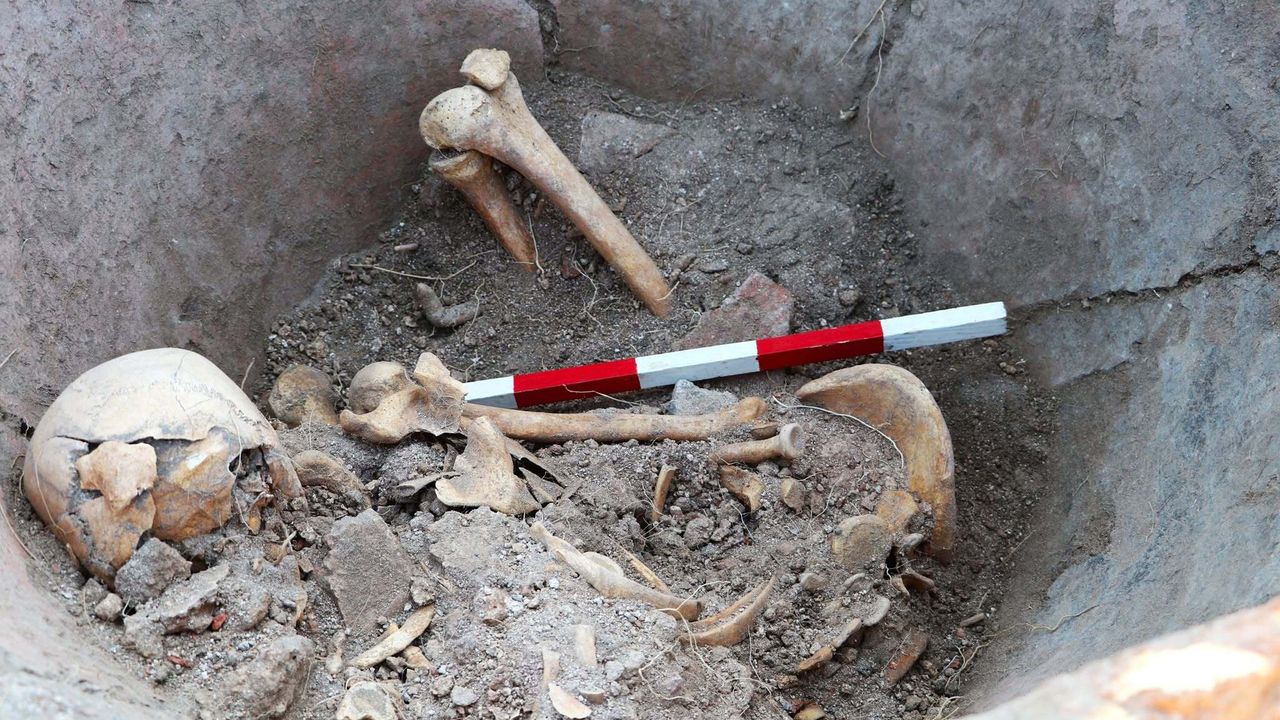
Human remains found in a giant Roman jar in Bulgaria may belong to a young Roman who armed himself with two knives during an enemy attack.
Scientists named this oddball creature after the Demogorgon from Stranger Things

After an organ transplant, a woman developed a new food allergy.
Cybersecurity experts are volunteering to keep America’s utilities safe from attacks
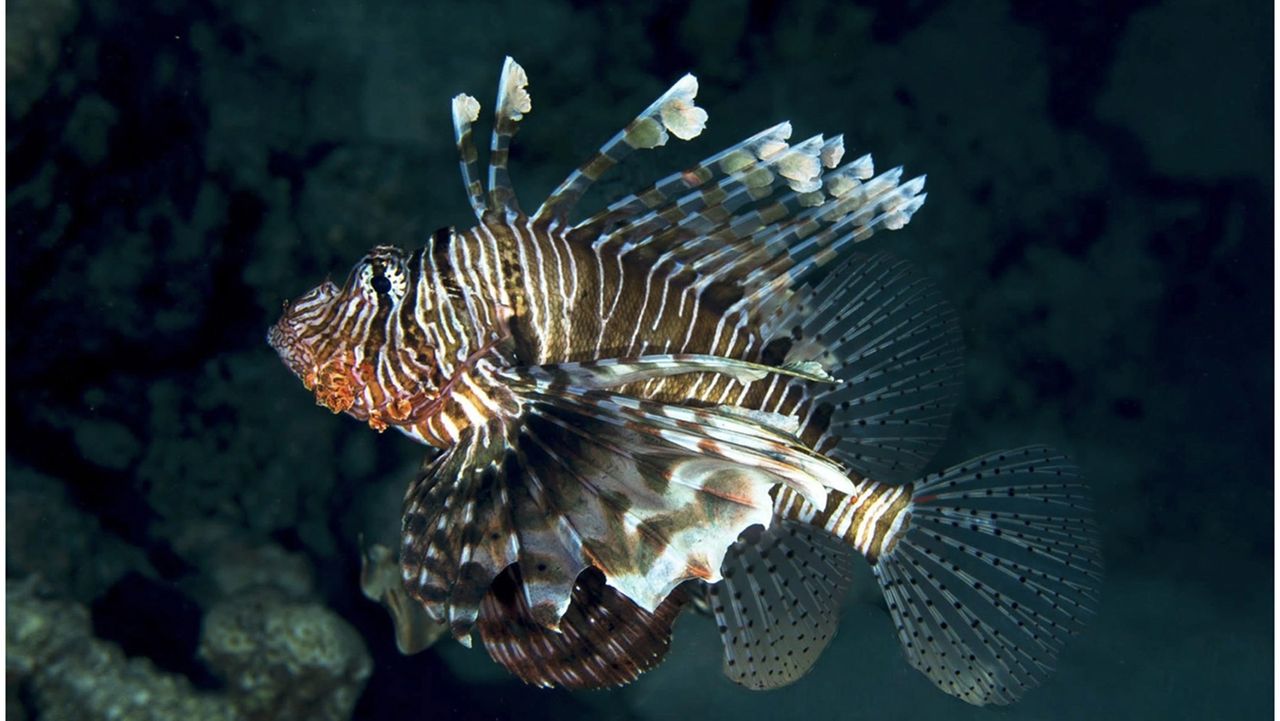
A shipwreck off the coast of Albania has attracted both invasive species and provided a home for endangered ones, leading researchers to weigh the risks and benefits of these wrecks for local ecosystems.

Governments must start preparing for Black Swan events, says researcher Florian Ulrich Jehn.
Following nearly 10,000 older women for 10 years, researchers found that tea drinking was associated with slightly higher hip bone density. Moderate coffee consumption did not appear harmful, but drinking more than five cups a day was linked to lower bone density. The findings suggest tea may offer a small bone-health boost, while excessive coffee could carry some drawbacks.
A search for one mysterious particle unexpectedly revealed evidence for two different structures that may belong to the bizarre family of exotic subatomic particles known as XYZ states. The findings could help physicists uncover new ways that quarks and gluons combine to create matter.
NASA-funded studies suggest Earth’s climate has been influenced by both the Sun’s travels through dense regions of the Milky Way and the violent superflares of its youth. Those events may help explain ancient ice ages as well as how early Earth stayed warm enough for liquid water when the Sun was much dimmer.