Latest Scientific Discoveries

All News →
AI D-Day weather forecast falters under pressure
Science News

AI D-Day weather forecast falters under pressure

Today's best weather computers would still have struggled to accurately predict the weather for the D-Day landings, University of Reading research shows. The new research, published in the journal Weather ahead of the release of the D-Day film "Pressure," used AI models to produce 50 different forecasts of the storm that famously pushed back the Allies' invasion of Normandy in June 1944.

📅 2026-09-09 08:24:58    •    Phys.org
Calculative mindsets linked to greater willingness to bend moral rules
Science News

Calculative mindsets linked to greater willingness to bend moral rules

In new research in the PsyCh Journal, people who tended to analyze experiences as mathematical cost-benefit problems were more likely to ignore moral rules. This tendency was associated with a greater willingness to make ethical compromises for money or status, as well as to accept immoral help when it benefited them.

📅 2026-09-09 07:10:04    •    Phys.org
“Parachute science” is failing the tropics, home to more than 80% of insect species
Science News

“Parachute science” is failing the tropics, home to more than 80% of insect species

Insects quietly hold much of the natural world together, yet conservation efforts are overlooking the tropical regions where more than 80 percent of insect species live. Monash University researchers have developed a global framework to close this gap by combining scientific studies with museum collections, local expertise, citizen science, social media records, and new technologies.

📅 2026-09-09 06:30:55    •    ScienceDaily
Chinese scientists find a hidden atomic structure that unlocks methane
Science News

Chinese scientists find a hidden atomic structure that unlocks methane

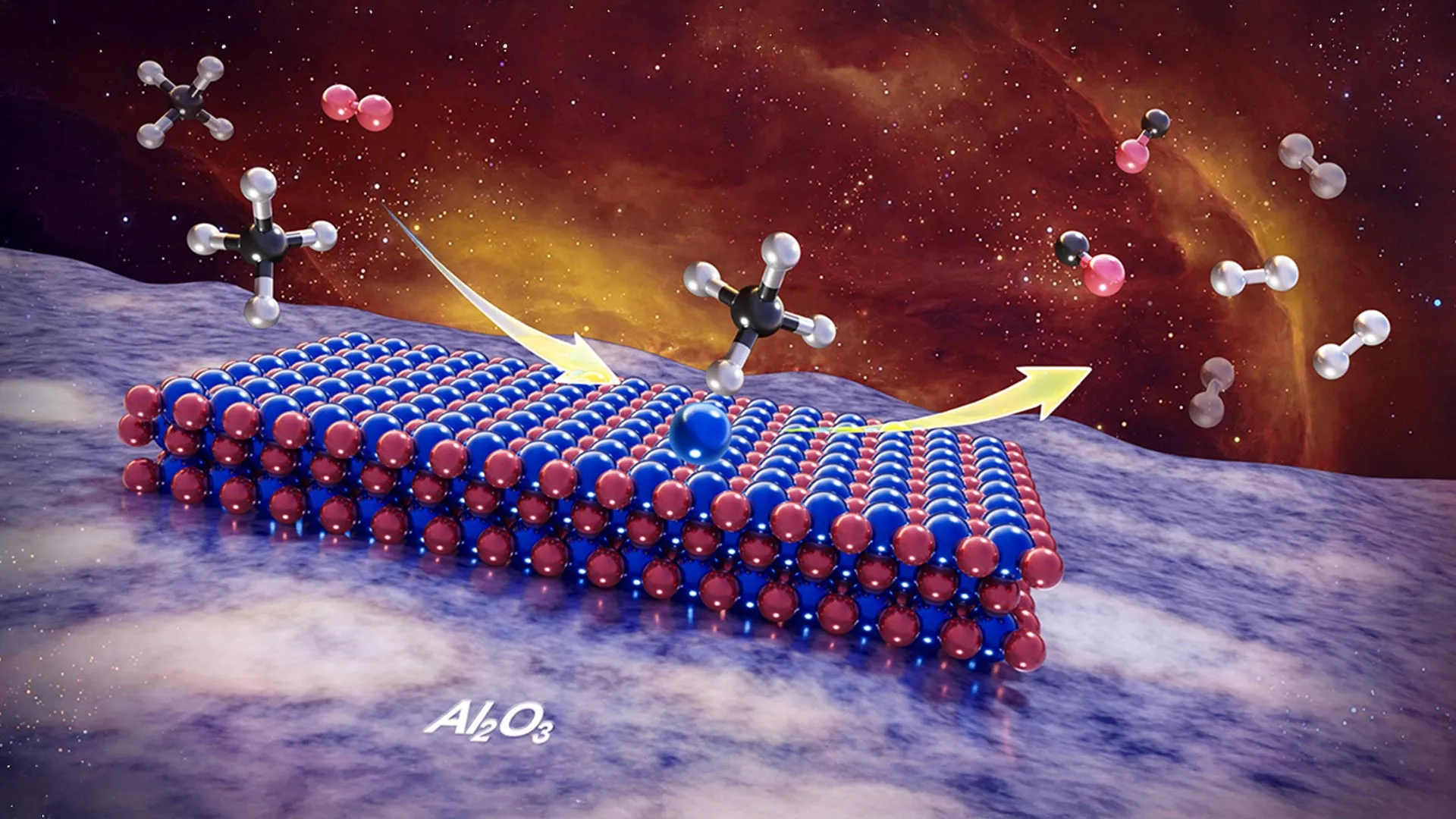
Scientists found that a tiny atomic structure that forms on nickel oxide during methane conversion is more effective than the metallic nickel long believed to drive the reaction. The discovery allowed a low-nickel catalyst to rival one containing 10 times more metal, potentially opening the door to cheaper and more efficient industrial catalysts.

📅 2026-09-09 05:33:42    •    ScienceDaily
Geologists reveal the Americas collided millions of years earlier than thought
Science News

Geologists reveal the Americas collided millions of years earlier than thought

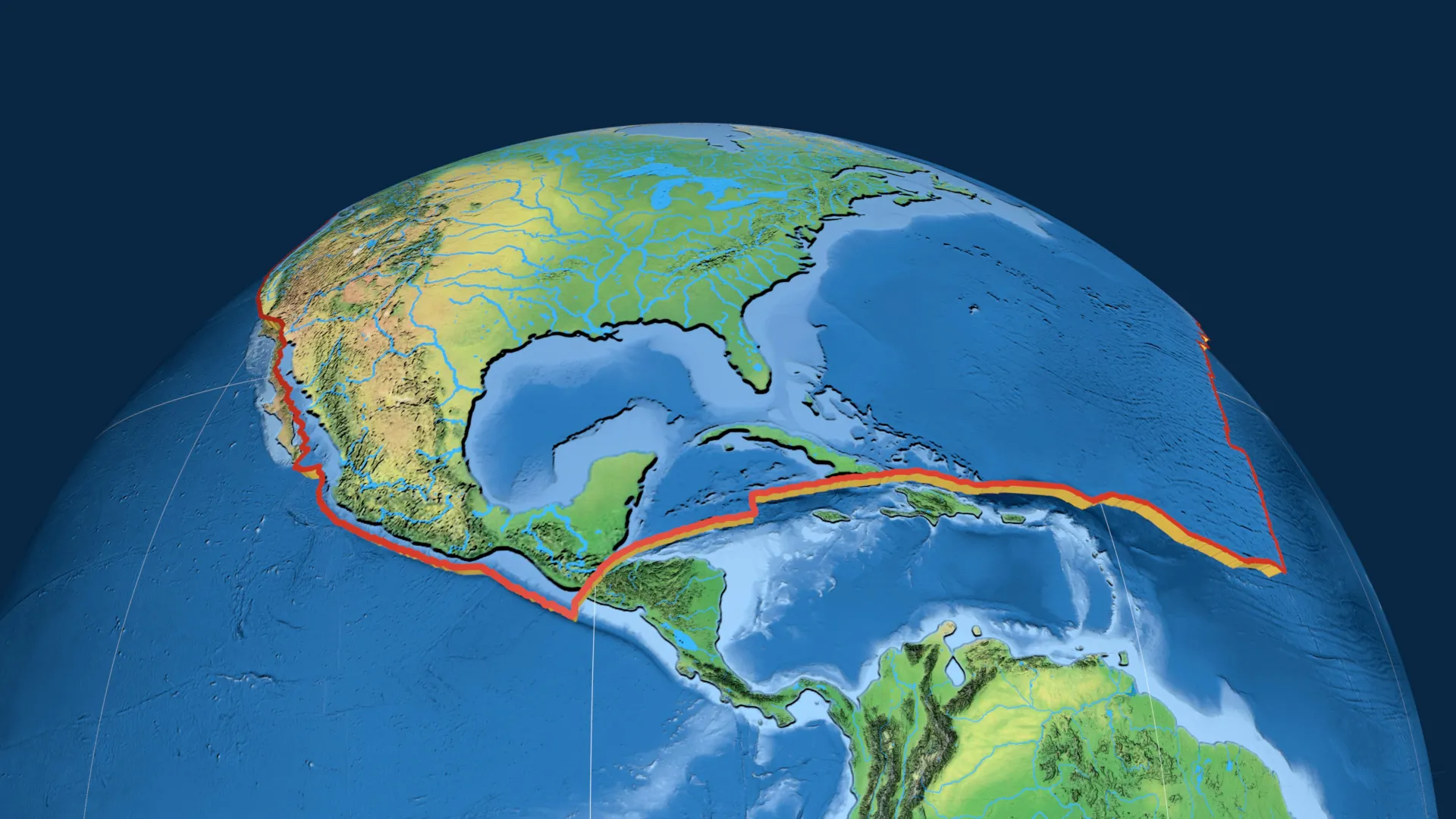
Volcanic rocks in Colombia are rewriting the timeline of the collision between Central and South America. Their magnetic signatures show that major tectonic deformation had already weakened by the late Miocene, suggesting the most intense collision occurred earlier than previously believed.

📅 2026-09-09 04:35:01    •    ScienceDaily
GPS collars reveal secrets of the power struggle between lions and hyenas in the wild
Science News

GPS collars reveal secrets of the power struggle between lions and hyenas in the wild

Hidden deep in the bush, ranging over huge territories at speeds humans can't match and through terrain not even the most rugged vehicle can handle, hyenas and lions are hard to study. Now, new research using GPS collars to map the movements of individual animals has revealed crucial information about the relationship between these competing carnivore species. We've long assumed that hyenas simply shadow lions for scraps, but these findings show that when they encounter each other, it's the lions, especially males, that approach hyenas, and the hyenas that give way.

📅 2026-09-09 04:00:01    •    Phys.org
Dark energy debunked? Cosmic acceleration may be an illusion
Science News

Dark energy debunked? Cosmic acceleration may be an illusion

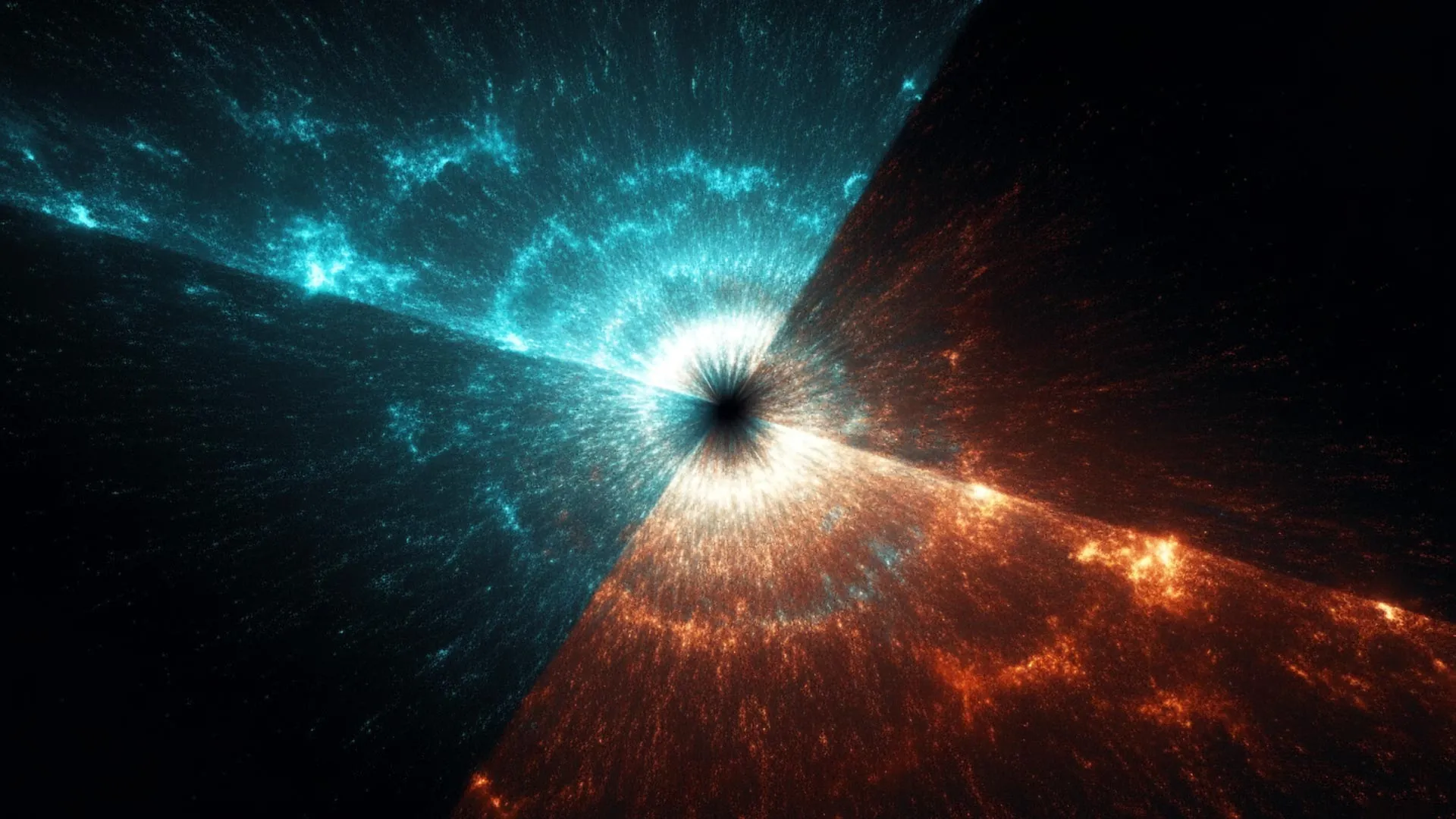
A new analysis of more than 1,700 supernovae is questioning whether the universe is really accelerating at all. After accounting for the ages of the stars that produce these explosions, researchers found signs that cosmic expansion may actually be slowing. They also argue that the apparent acceleration changes with direction, which would be difficult to explain with dark energy. Other cosmologists dispute the conclusion, setting up a major test for upcoming observatories.

📅 2026-09-09 03:59:08    •    ScienceDaily
Astronomers detect ancient hydrogen signal that could help map the Universe
Science News

Astronomers detect ancient hydrogen signal that could help map the Universe

Astronomers have detected an exceptionally faint hydrogen radio signal from billions of light-years away using South Africa’s MeerKAT telescope. Instead of finding galaxies one at a time, the technique measures their combined hydrogen glow across enormous stretches of space. The successful detection shows that astronomers may soon be able to create much larger 3D maps of the Universe.

📅 2026-09-09 03:06:55    •    ScienceDaily