Latest Scientific Discoveries

All News →
Ancient teeth reveal humans were getting high 25,000 years ago
Science News

Ancient teeth reveal humans were getting high 25,000 years ago

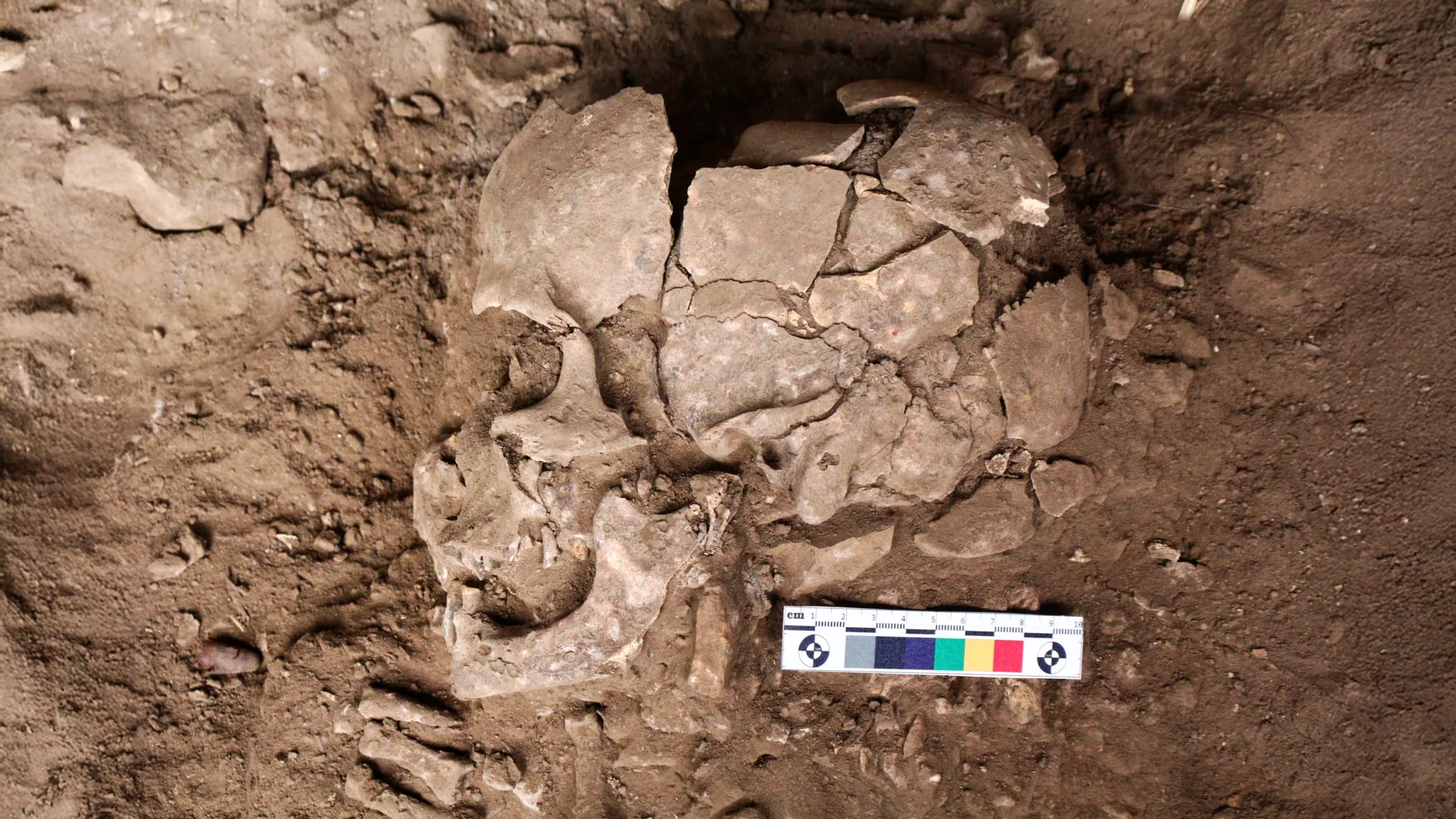
Ancient human remains from Sulawesi suggest people were habitually using the psychoactive betel nut as far back as 25,000 years ago. Researchers found both unusual tooth wear and traces of arecoline, the nut’s mind-altering compound, in the teeth of prehistoric hunter-gatherers. The practice may have started partly as pain relief for toothaches, but prolonged use severely damaged their teeth. The discovery could represent the earliest known evidence of habitual drug use anywhere in the world.

📅 2026-09-10 07:58:25    •    ScienceDaily

UNESCO warns there’s close to a 100% chance of a Mediterranean tsunami
Science News

UNESCO warns there’s close to a 100% chance of a Mediterranean tsunami

The Mediterranean may seem far removed from the world’s major tsunami zones, but history and modern modeling show that destructive waves can strike the French Riviera with surprisingly little warning. Some tsunamis could reach shore in under 10 minutes, while past events have produced waves around two meters high, powerful currents, damage, and deaths.

📅 2026-09-10 06:35:49    •    ScienceDaily
DNA treatment cuts bad cholesterol by nearly 50% without statins
Science News

DNA treatment cuts bad cholesterol by nearly 50% without statins

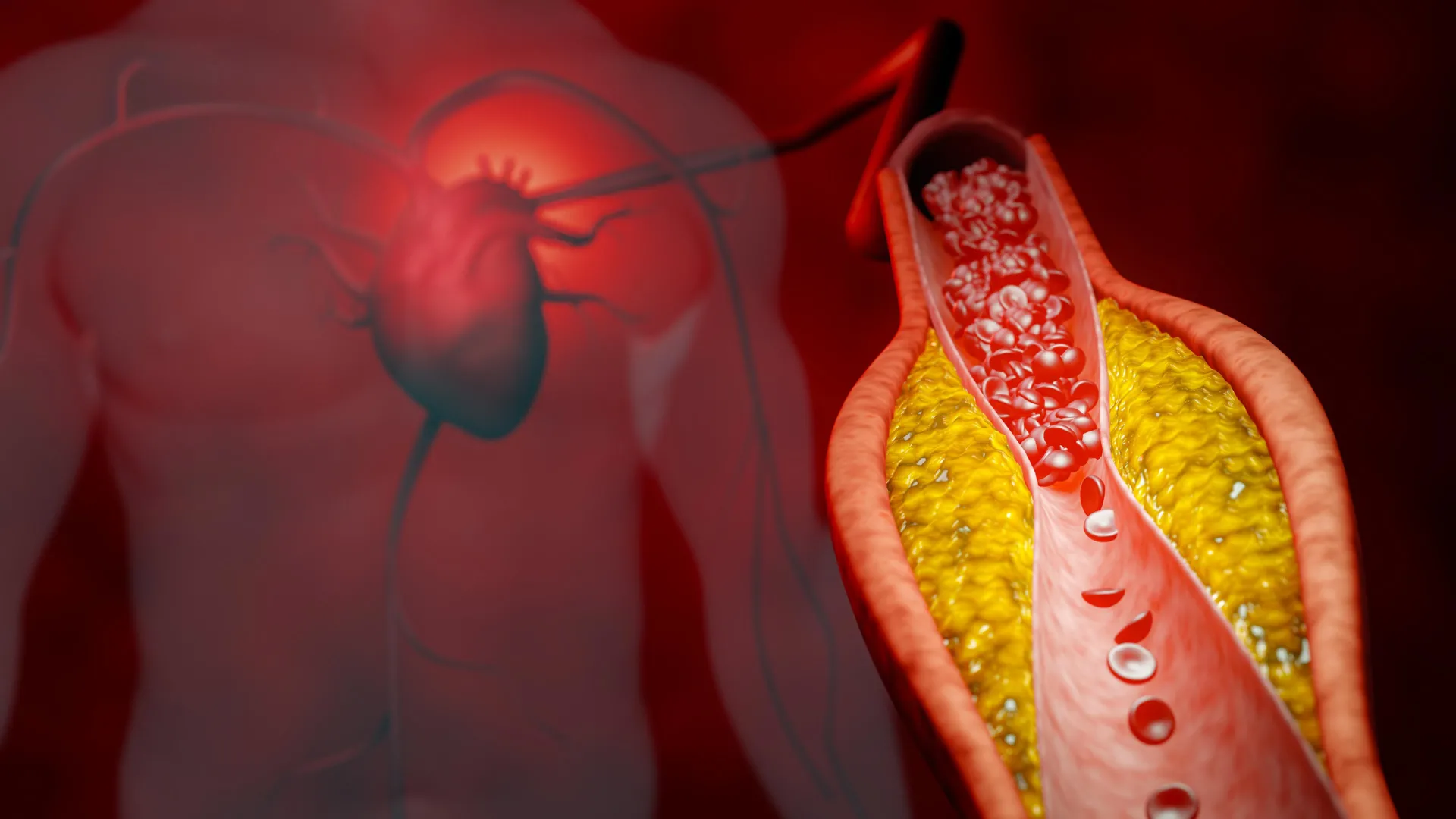
Researchers have designed a new DNA-based treatment that targets PCSK9, a protein closely tied to high LDL cholesterol and atherosclerosis. Their most effective molecule reduced PCSK9 protein by 87% in human liver cells and lowered cholesterol by 47% in genetically modified mice after a single injection.

📅 2026-09-10 03:44:05    •    ScienceDaily
One sugary drink a day linked to more than double the risk of stomach cancer
Science News

One sugary drink a day linked to more than double the risk of stomach cancer

People who drank at least one sugar-sweetened beverage a day had roughly 2.45 times the risk of gastric cancer compared with those who rarely consumed them, according to a decades-long study of more than 112,000 U.S. adults. Artificially sweetened drinks showed no similar association, though researchers stress that the findings do not prove sugary beverages cause cancer.

📅 2026-09-10 02:56:17    •    ScienceDaily
400,000-year-old teeth reveal a hidden link in human evolution
Science News

400,000-year-old teeth reveal a hidden link in human evolution

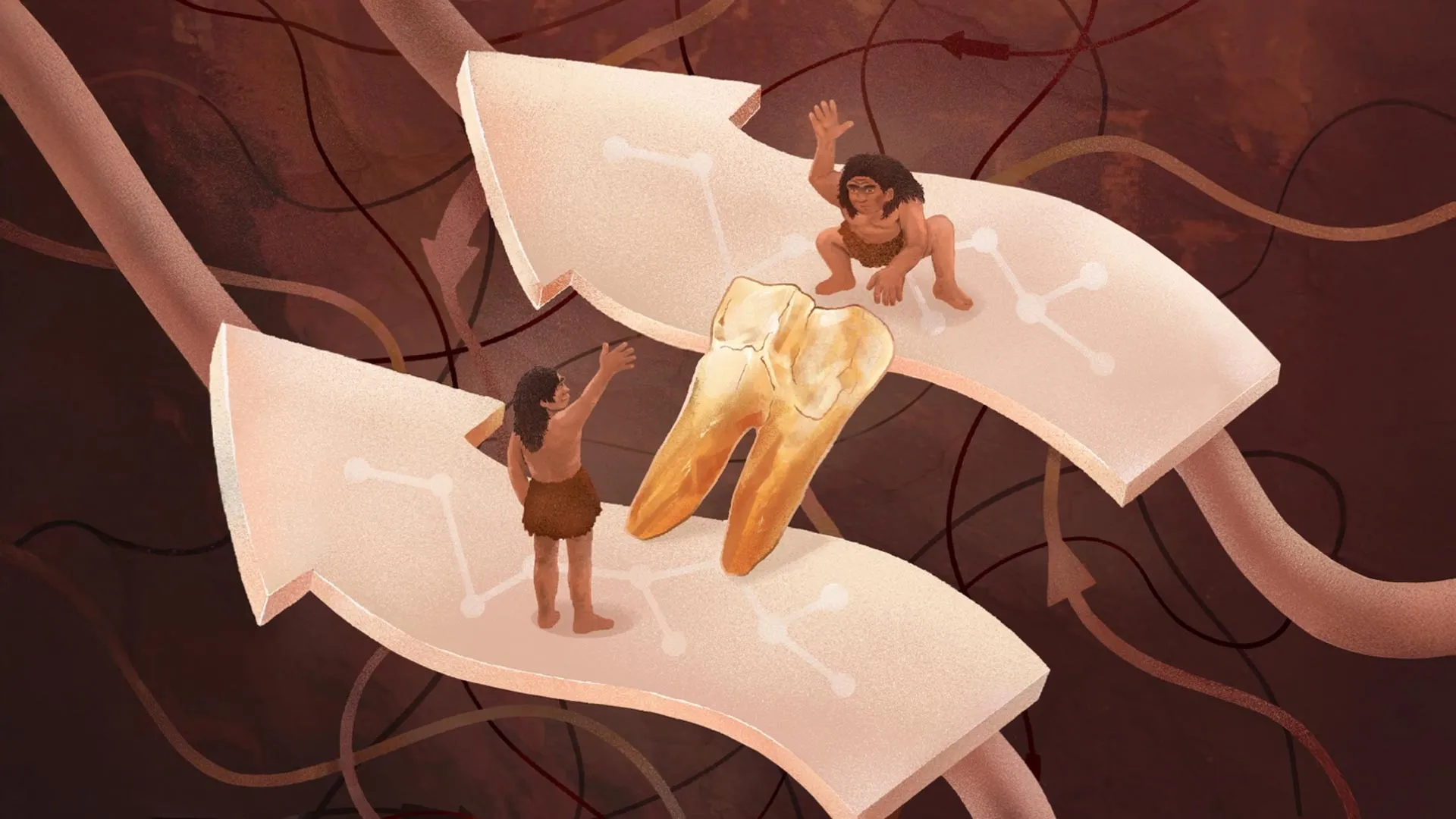
More than 400,000-year-old Homo erectus teeth from China may reveal a surprising link between this ancient human species, Denisovans, and some modern people. Scientists found protein mutations suggesting several East Asian Homo erectus populations belonged to the same evolutionary group, including one mutation previously associated with Denisovans. That variant may have passed from Homo erectus into Denisovans and eventually reached modern populations in Southeast Asia and Oceania.

📅 2026-09-10 02:18:08    •    ScienceDaily
Raindrops can damage paint with microscopic “lightning”
Science News

Raindrops can damage paint with microscopic “lightning”

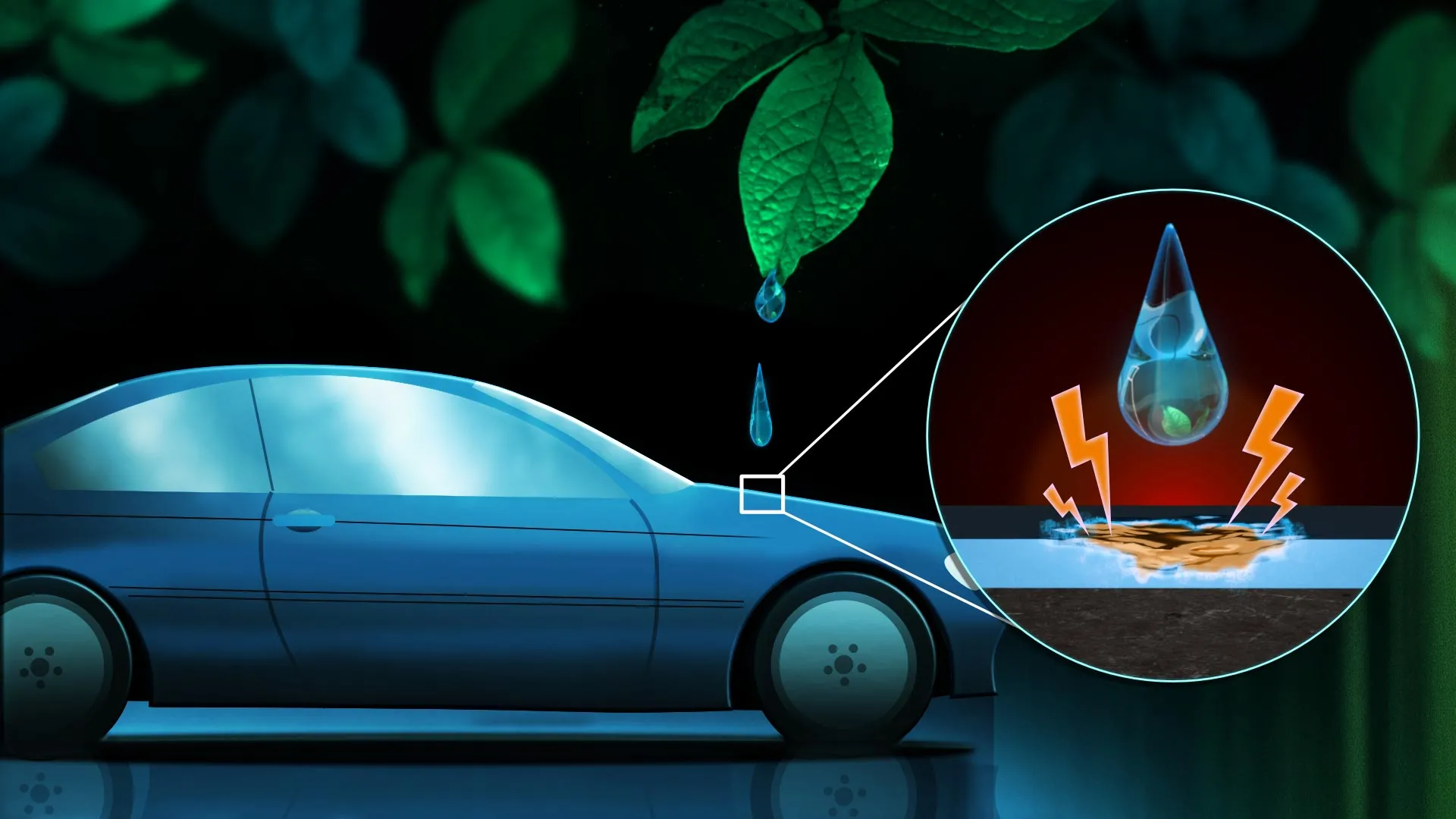
Scientists discovered that charged water droplets can damage protective coatings by releasing tiny electrical discharges when they hit a surface. The hidden effect could help explain weathering and lead to tougher coatings for cars, bridges, buildings, and more.

📅 2026-09-10 00:44:47    •    ScienceDaily
Unconventional quantum materials could dramatically boost the search for dark matter
Science News

Unconventional quantum materials could dramatically boost the search for dark matter

For decades, physicists have searched for dark matter, the invisible substance thought to make up roughly 85% of all matter in the universe. Although its gravitational influence shapes galaxies and the large-scale structure of the cosmos, dark matter has never been directly detected. Now, an international team has identified a new class of quantum materials that could dramatically improve the search for some of the lightest and most elusive forms of dark matter.

📅 2026-09-09 23:20:04    •    Phys.org