Latest Scientific Discoveries

All News →
Too much light at night may quietly reshape your heart
Science News

Too much light at night may quietly reshape your heart

Nighttime light exposure was linked to thicker, stiffer heart chambers and early signs of reduced heart function in a study of more than 11,000 people. The findings suggest that keeping bedrooms darker could be an overlooked strategy for protecting the heart.

📅 2026-09-11 12:33:38    •    ScienceDaily
Your next prescription could be treating a side effect from the last one
Science News

Your next prescription could be treating a side effect from the last one

A major Ontario study found 24 common medication chains in which one drug’s side effects can be mistaken for a new medical problem, leading to another prescription. Researchers say closer medication reviews, pharmacist involvement, and automated alerts could help prevent these potentially harmful prescribing cascades.

📅 2026-09-11 12:17:18    •    ScienceDaily
Tiny nanolaser could cut computer energy use in half
Science News

Tiny nanolaser could cut computer energy use in half

Scientists have created an ultra-small nanolaser that could eventually allow microchips to transmit information with light instead of electricity, potentially making computers faster while cutting energy use roughly in half. Thousands of the lasers could fit on a single chip, opening possibilities for more efficient data centers, smartphones, and advanced medical sensors.

📅 2026-09-11 12:03:26    •    ScienceDaily
New analysis reconstructs the dawn of dinosaurs and other reptiles
Science News

New analysis reconstructs the dawn of dinosaurs and other reptiles

About 252 million years ago, at the end of the Permian Period, a large proportion of species on Earth rapidly became extinct. After this mass extinction, many groups of organisms began to recover, while reptiles known as archosauromorphs—the group that includes dinosaurs and crocodiles—proliferated.

📅 2026-09-11 12:00:04    •    Phys.org
Scientists just made quantum computer operations 1,000 times faster
Science News

Scientists just made quantum computer operations 1,000 times faster

Researchers have found a way to perform certain quantum operations more than 1,000 times faster, cutting thousands of repeated control cycles down to just one. The advance could reduce errors and bring reliable, fault-tolerant quantum computers closer to reality.

📅 2026-09-11 11:52:30    •    ScienceDaily
Wasps are disappearing this summer, and scientists are worried
Science News

Wasps are disappearing this summer, and scientists are worried

Britain’s wasps have become mysteriously scarce this summer, and scientists suspect an unusual combination of temperature swings, heatwaves, and food shortages may be responsible. Even the wasps that remain appear unusually small, potentially offering a glimpse of how extreme heat could reshape insect populations.

📅 2026-09-11 11:38:35    •    ScienceDaily
Study of 1.9 million people finds a striking link between ADHD and gut problems
Science News

Study of 1.9 million people finds a striking link between ADHD and gut problems

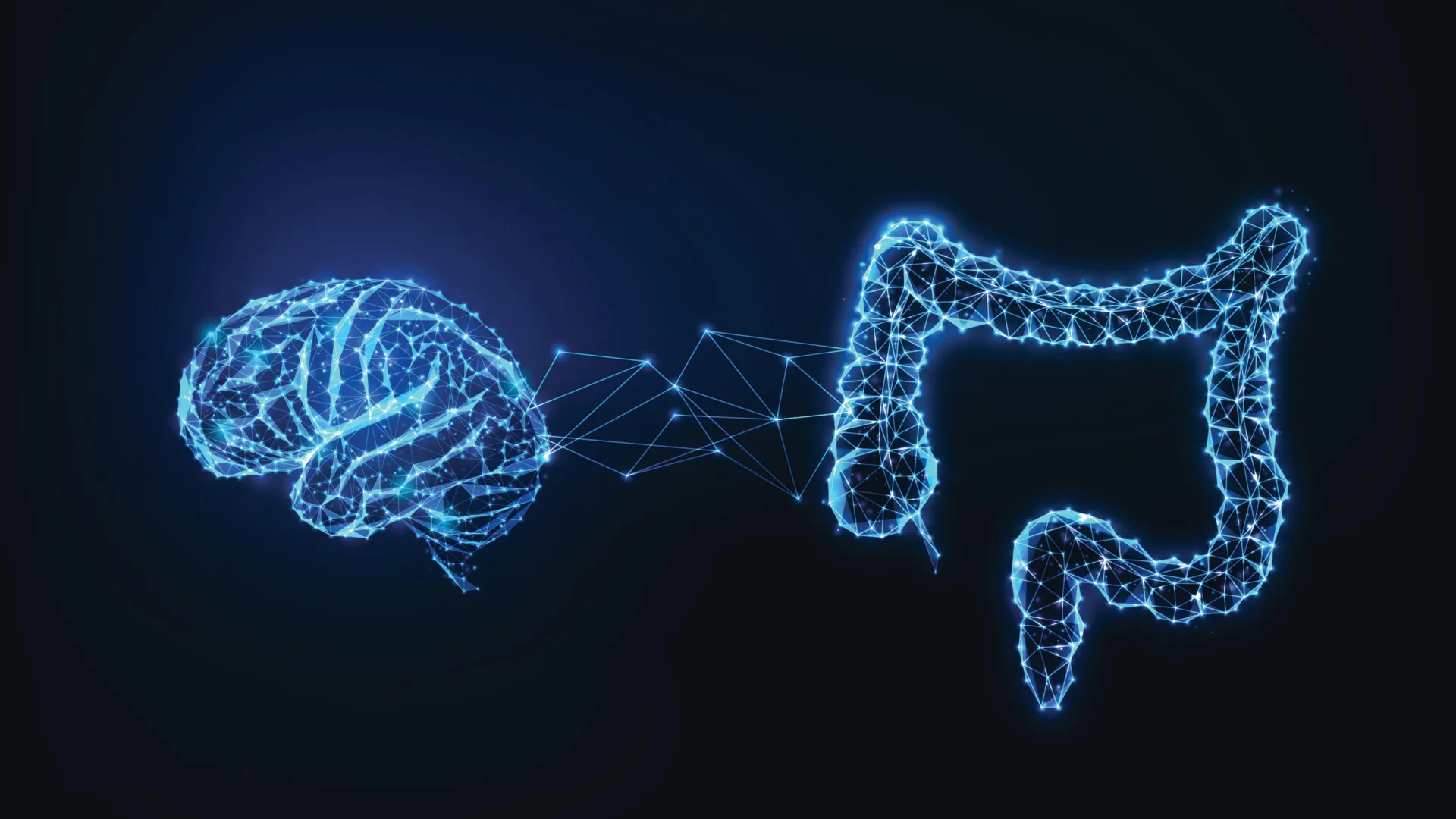
Researchers analyzing data from more than 1.9 million people found that ADHD is associated with substantially higher rates of digestive problems. People with ADHD had nearly double the odds of constipation, 58% higher odds of irritable bowel syndrome, and more than four times the odds of encopresis.

📅 2026-09-11 11:26:08    •    ScienceDaily
Maine's sugar kelp reveals four distinct populations vital for restoration
Science News

Maine's sugar kelp reveals four distinct populations vital for restoration

Saccharina latissima, or sugar kelp, is one of the dominant species in Maine's kelp forests, providing food, habitat and clean water to support a rich marine ecosystem. It is also the bedrock of the state's burgeoning kelp aquaculture industry, which relies on the annual harvest of reproductive tissue from the wild.

📅 2026-09-11 11:00:07    •    Phys.org