
Science News
‘Happy Snacking, Don’t Die!’ is a joyous guide to eating wild plants
The joy that author Alexis Nikole Nelson injects into this cookbook makes foraging approachable.
📅
2026-09-22 13:00:00
•
Science News
Explore the latest scientific discoveries, science news, breakthroughs and developments from around the world.
The joy that author Alexis Nikole Nelson injects into this cookbook makes foraging approachable.

A new AI control system lets MIT’s tiny flying robot move with insect-like agility, boosting its speed by about 450 percent and allowing it to pull off 10 somersaults in 11 seconds. The technology could eventually enable miniature robots to search earthquake rubble and navigate dangerous spaces that conventional drones cannot reach.
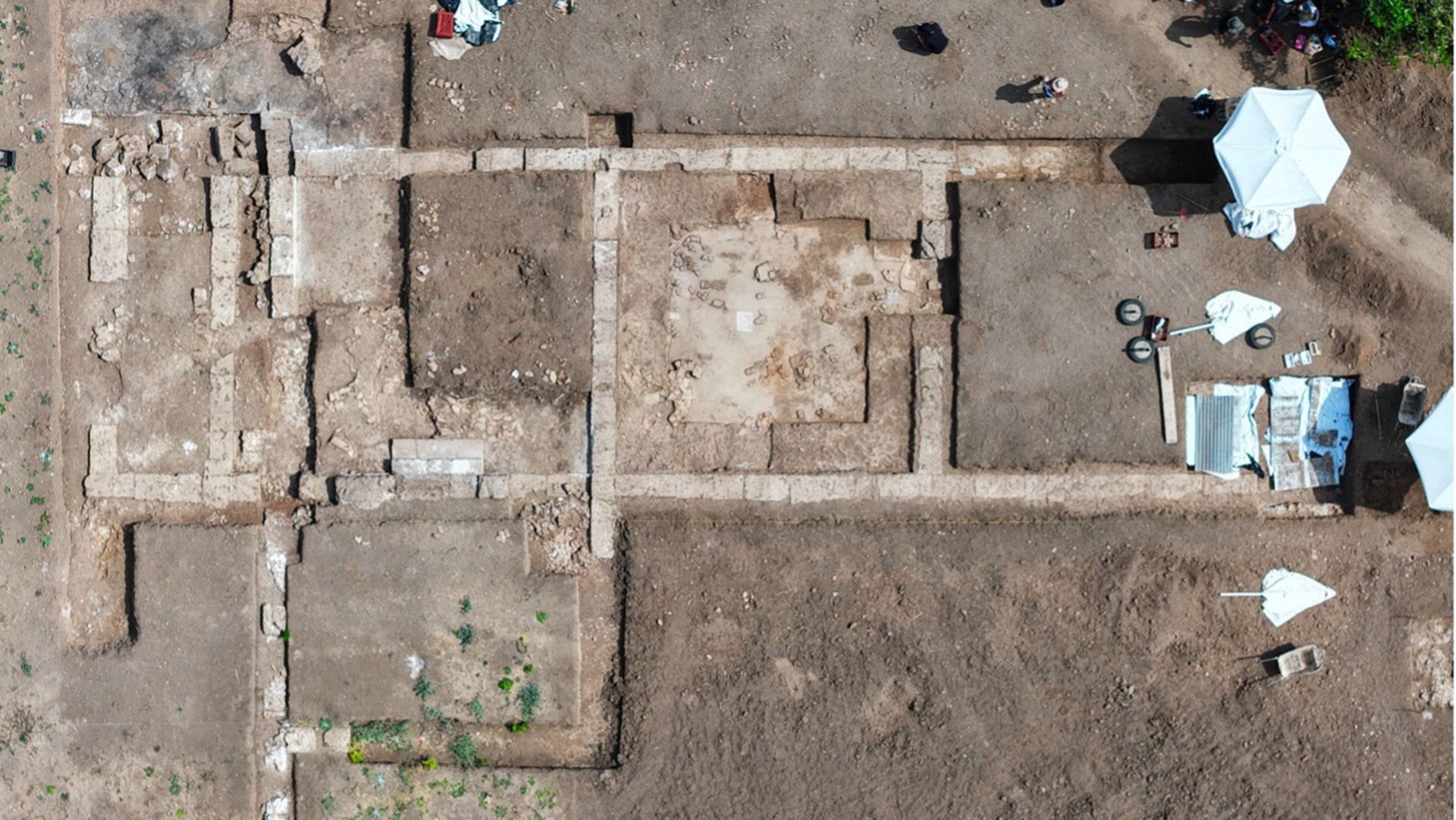
The school where Alexander the Great was educated by Aristotle more than 2,300 years ago has been uncovered in the ancient Macedonian city of Mieza, now in northern Greece, the Hellenic Ministry of Culture said in a translated statement. Archaeologists unearthed a building complex containing two banquet halls, a sporting arena, a stadium, a roofed porch and a lecture hall with stone desks, according to the statement. Mosaic floors and columns decorated the complex. The banquet halls had raised pedestals where nearly a dozen couches would originally have been placed. The decoration and architecture of the school is similar to that of the Macedonian royal palace at Aigai (modern Vergina in nor...
Researchers have created a concrete mixture that is both stronger and capable of absorbing carbon dioxide. The best formula, combining zeolite with bamboo biochar, boosted compressive strength by 7.48% and tensile strength by 15% compared with conventional concrete. It also captured about 1.2 grams of CO₂ per day in laboratory testing.
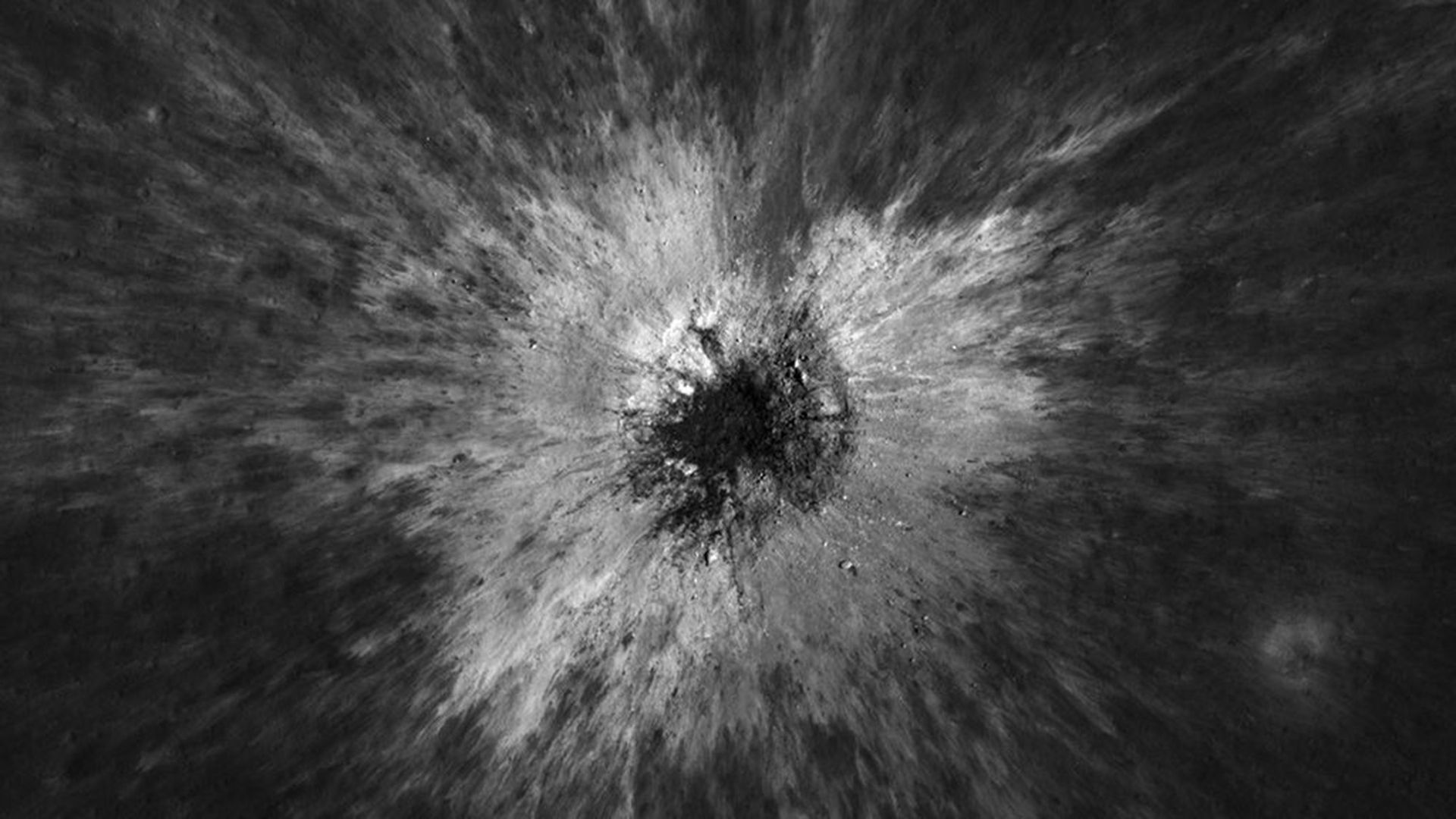
Since launching in 2009, NASA's Lunar Reconnaissance Orbiter (LRO) — a robotic satellite about the size of a minivan — has taken more than 3 million photos of the lunar surface. This week, scientists studying a few hundred of those photos announced what they're calling a "once-in-a-century" discovery: the biggest, freshest impact crater ever seen in the solar system. It's the result of a building-size meteorite that slammed into the moon just two years ago.The new lunar pockmark, named McGetchin crater after the late geologist and lunar scientist Tom McGetchin, is about 728 feet (222 meters) wide, on average, and 141 feet (43 m) deep — imagine a hole as long as two American football field...
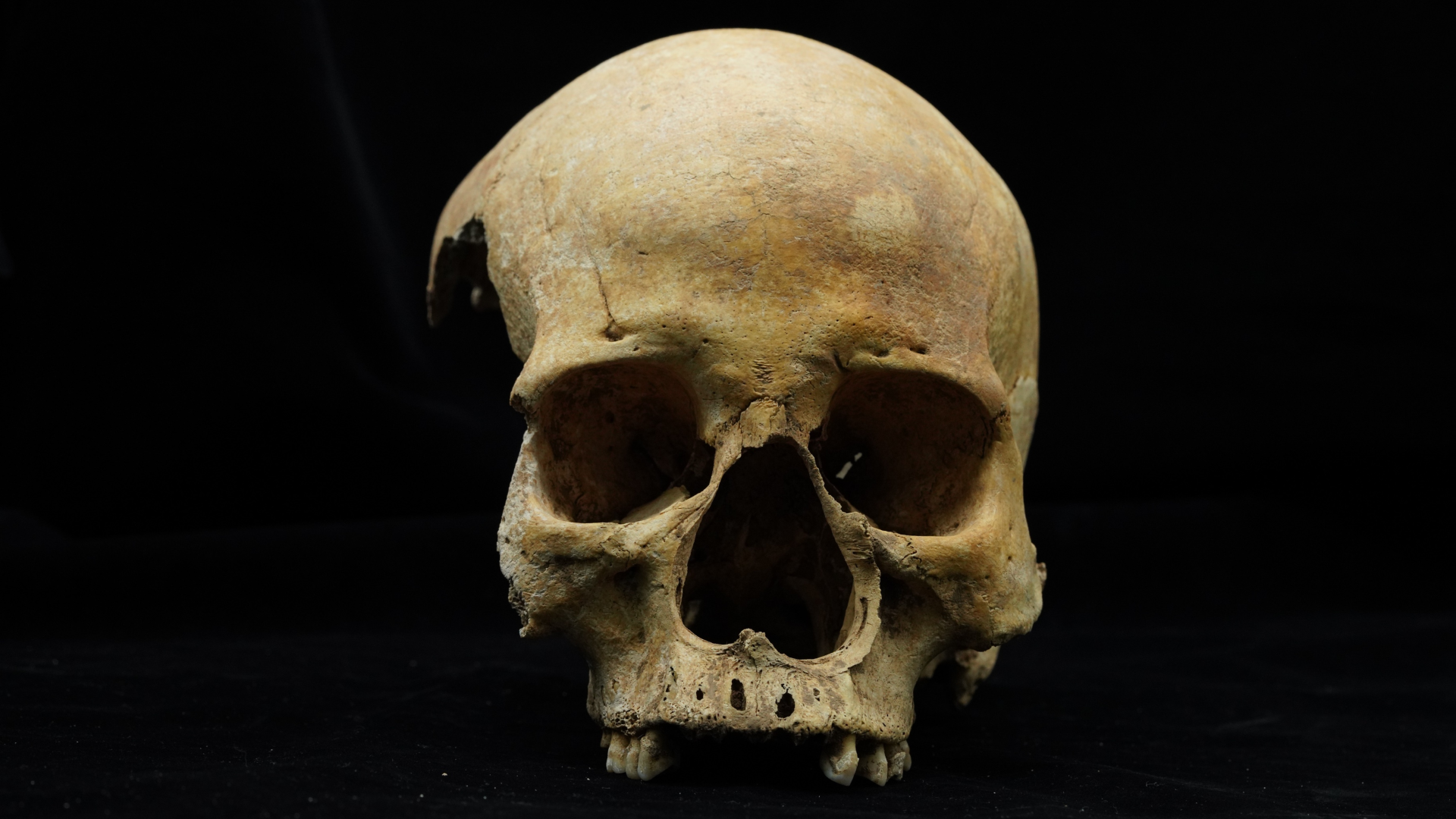
A 700-year-old female skull found in a Chinese cemetery is the world's first archaeological example of punitive nose amputation, according to a new study. The middle-aged woman survived the ruthless punishment, which may have been administered for stealing or for adultery."We believe this woman was a kind of cast-off after death. She was buried face-down, suggesting a discriminatory attitude," study co-author Qian Wang, a biological anthropologist at Texas A&M University, told Live Science in an email. "Her burial, alone, in a place without her family or community, could be a decision of disapproval."The woman's skeleton was discovered among 300 others in 2019 during an excavation of the San...
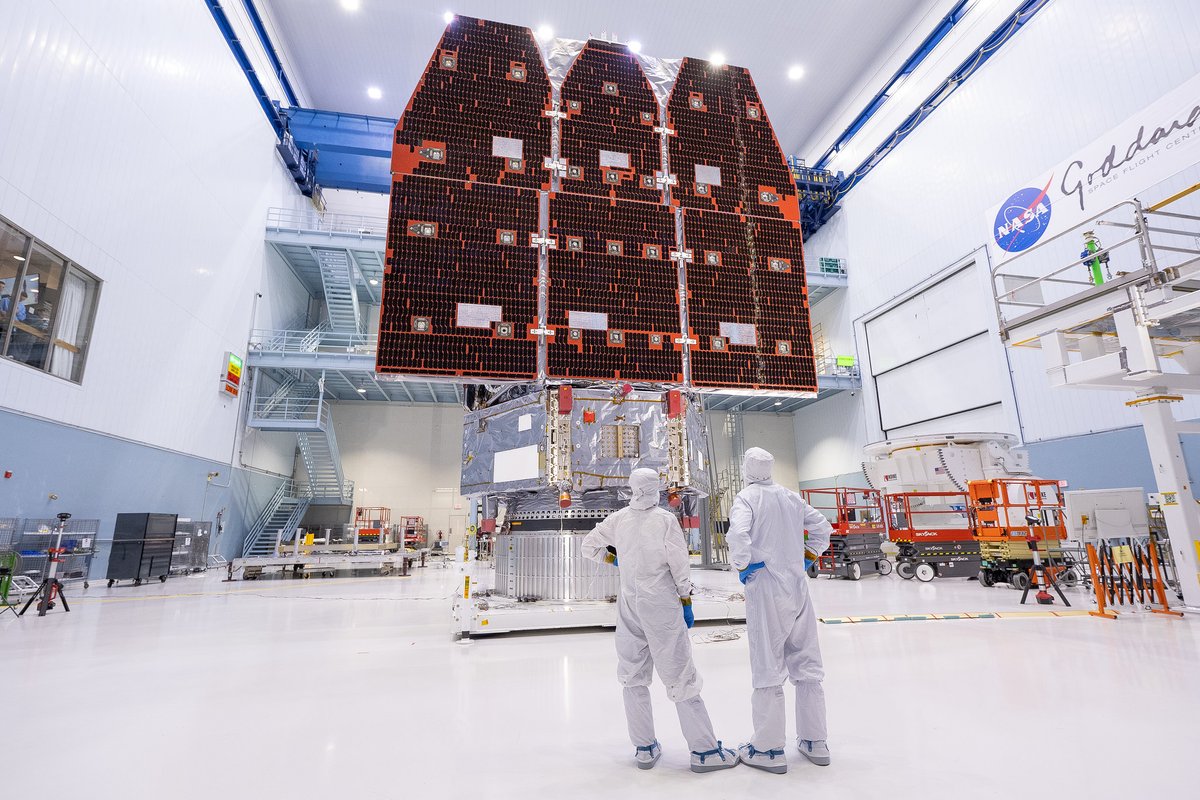
2025 was a brutal year of budget cuts and workforce attrition at NASA’s Goddard Space Flight Center, the home base for the Nancy Grace Roman Space Telescope. Experts worry Goddard—and NASA’s space science—may never recover

In parallel, a race by amateurs and mathematicians has found all 25,000 cases of one “inverse Galois problem”
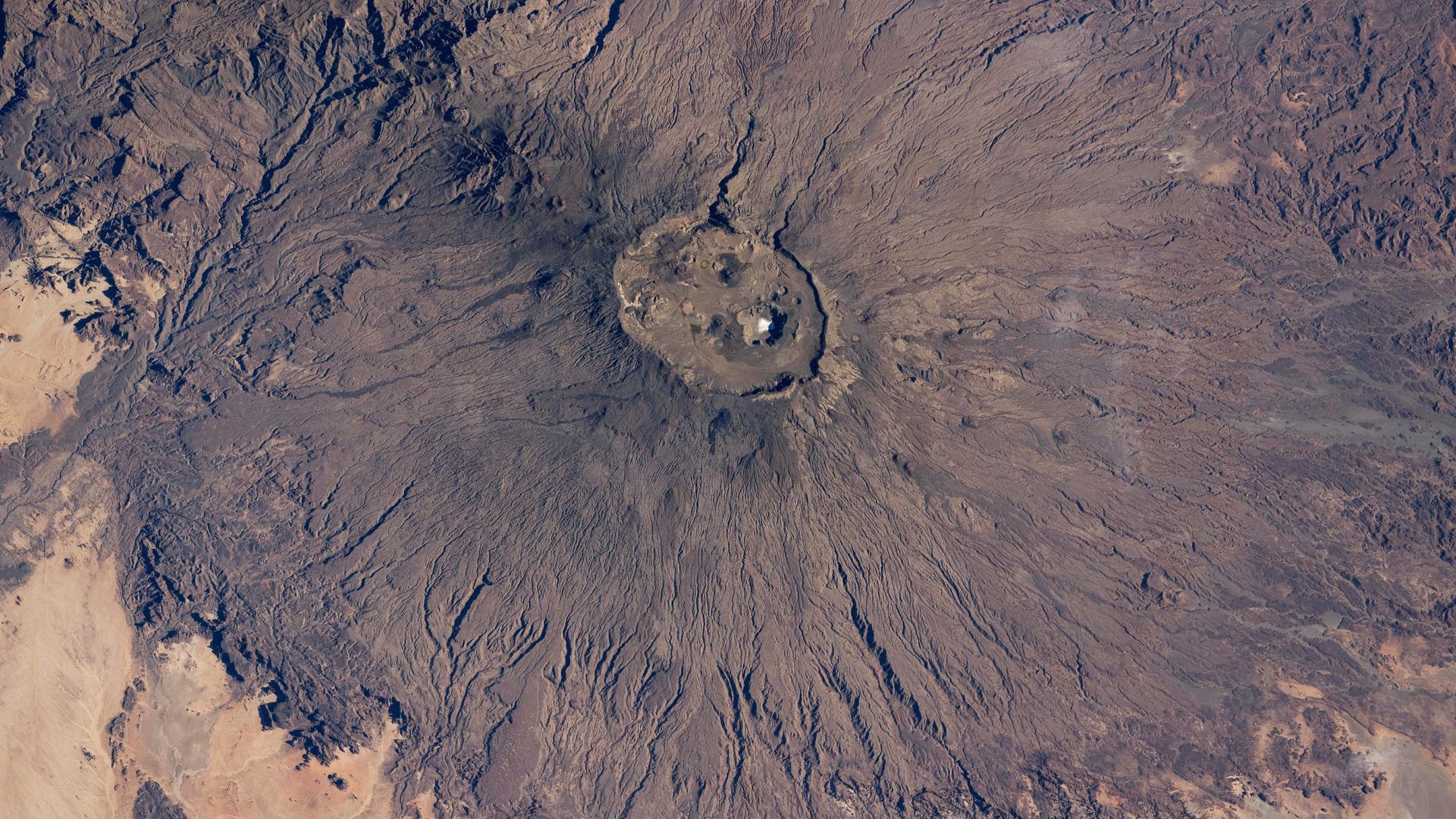
QUICK FACTSWhere is it? Emi Koussi, Chad [19.825520656, 18.551560720]What's in the photo? A patch of bright-white salt at the summit of the Sahara's tallest volcanoWho took the photo? An unnamed astronaut on board the International Space StationWhen was it taken? Dec. 29, 2024This intriguing astronaut photo shows a bright-white, salty surprise lurking at the summit of a giant volcano in the Sahara. The ancient, lava-covered peak also holds hidden, shadowy waterways, despite its extremely arid environment.Emi Koussi (also known as Emi Koussou) is a pyroclastic shield volcano in northern Chad. It's located within the Tibesti Massif, a volcanic mountain range that straddles the border between C...
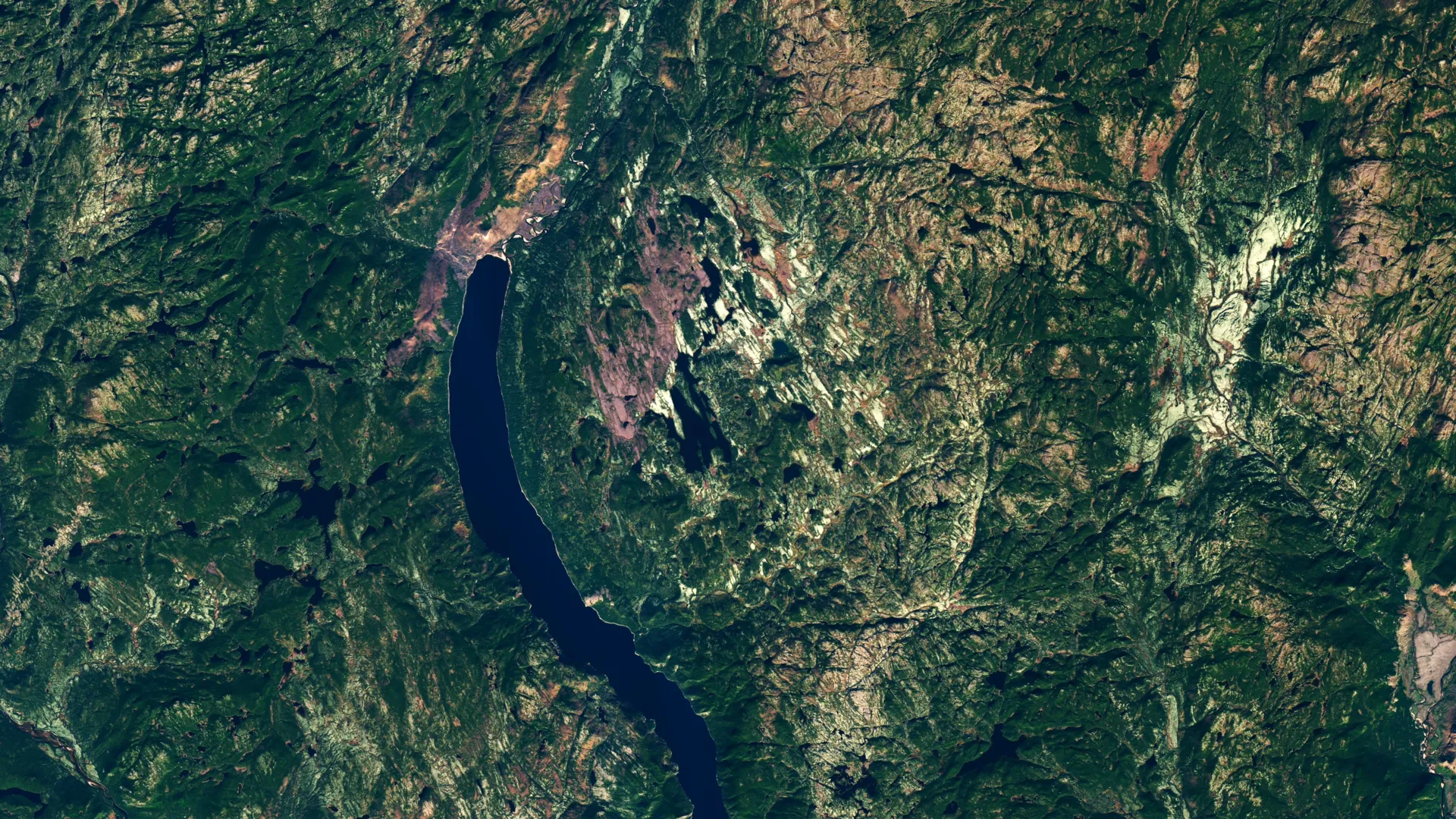
An amateur astronomer searching satellite maps for a Quebec camping spot accidentally discovered a massive ancient impact crater. Scientists later found shatter cones that confirmed the 25-kilometer-wide structure was blasted into Earth roughly 390 million years ago.
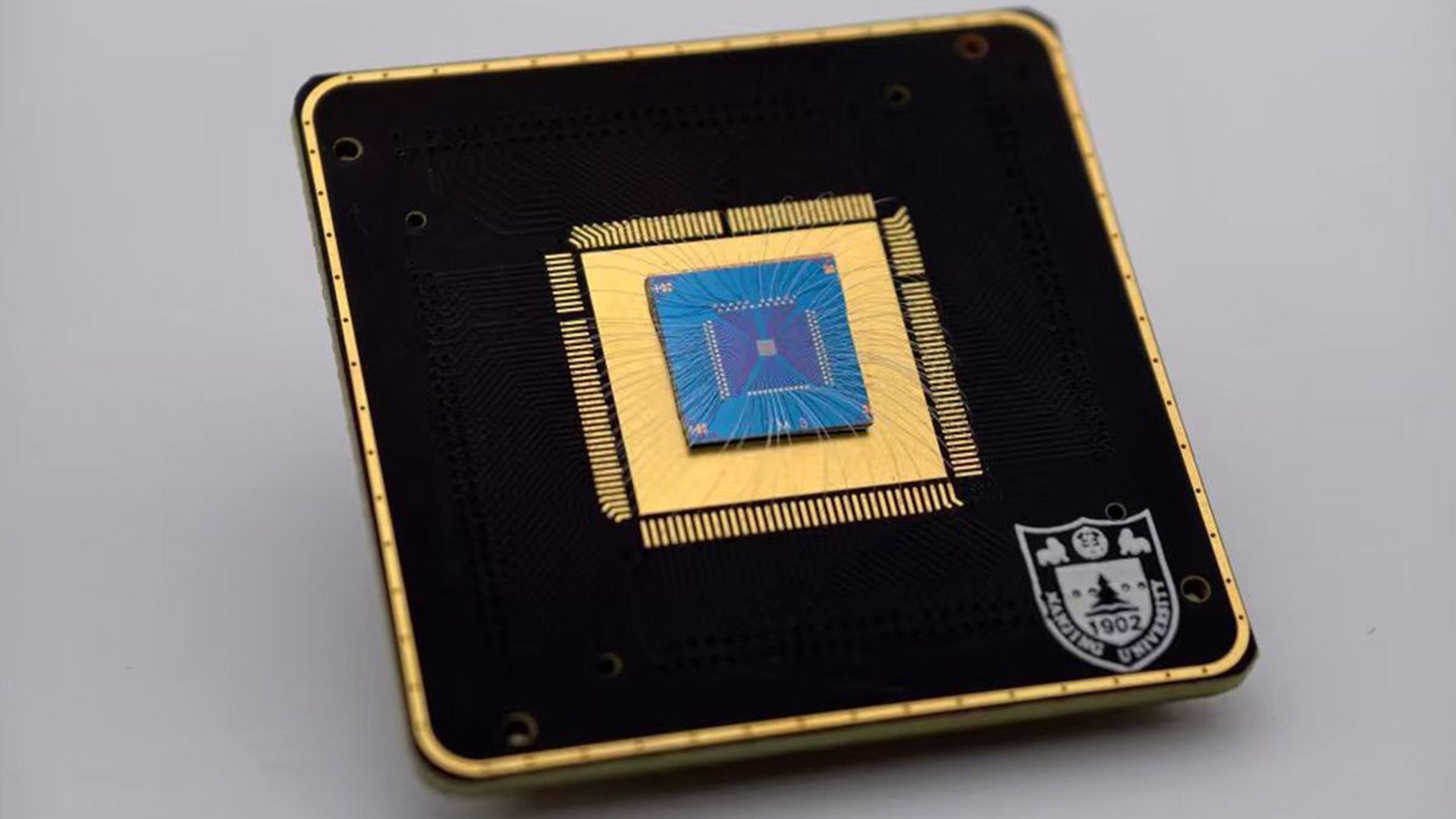
Researchers in China have developed a sensor that could reduce the amount of energy that drones and other autonomous hardware use to process visual data.In a study published Aug. 19 in the journal Nature Sensors, scientists detailed the architecture of a new 2D chip dubbed "LightTok," which can convert raw light into tokens used by artificial intelligence (AI) models on the chip itself. The device skips several energy-intensive steps that conventional sensor systems depend on, the scientists said. "Our design idea was to move token generation onto the sensor itself, allowing the chip to directly produce tokens that AI models can process once light reaches the sensor," Miao Feng, director of ...
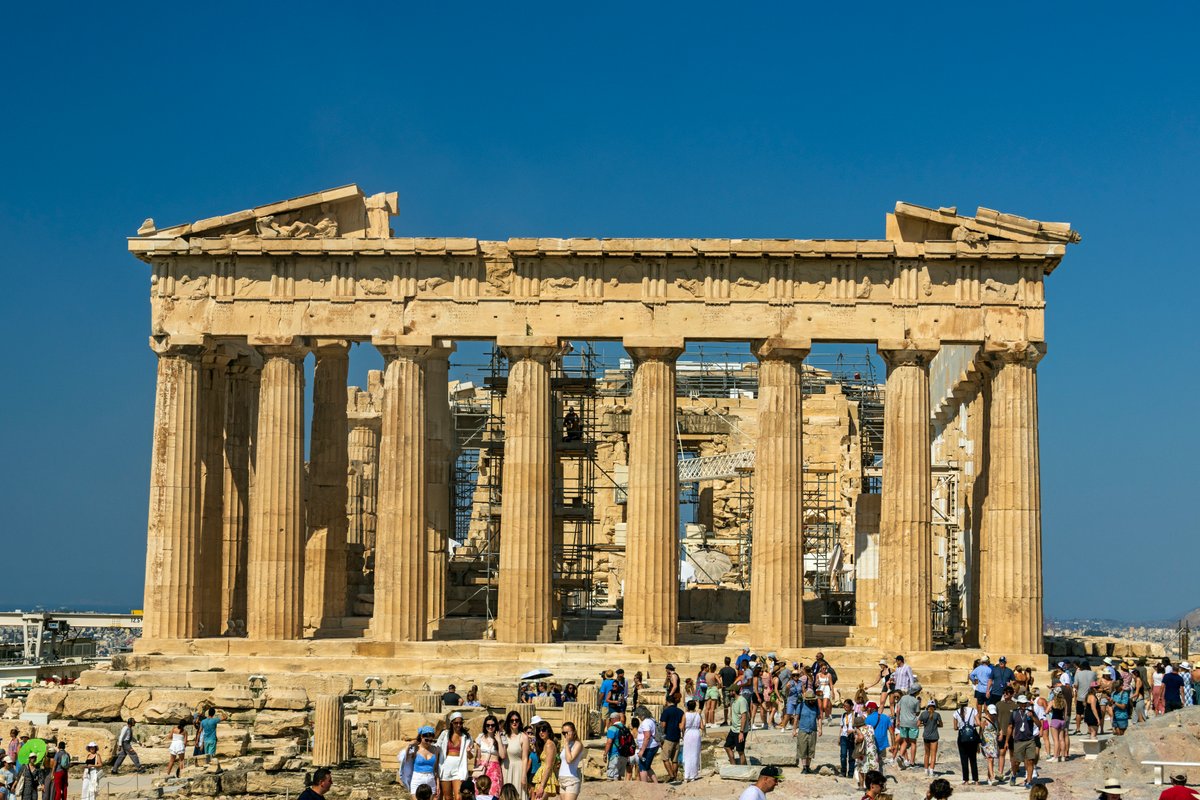
The Parthenon sits atop a platform that is curved into a subtle hill shape that some say makes the structure appear straighter—but is that true?