Latest Scientific Discoveries

All News →
The vanishing of aurochs: Genetic evidence reveals multiple stressors at the same time
Science News

The vanishing of aurochs: Genetic evidence reveals multiple stressors at the same time

Aurochs, the ancient ancestors of modern cattle, once roamed large parts of Europe, Asia and northern Africa. New research by an international team led by Lund University indicates that multiple factors contributed to their demise in northern Europe—one of the first areas where they became extinct.

📅 2026-10-02 13:01:24    •    Phys.org
Nepal disaster highlights risks for NZ mountains
Science News

Nepal disaster highlights risks for NZ mountains

Te Whare Wānanga o Waitaha | University of Canterbury (UC) School of Earth and Environment senior lecturer Dr. Robinson was part of an international research team investigating the Aug. 26 disaster, when a massive rock and ice avalanche in the Himalaya rapidly transformed into a devastating debris flood.

📅 2026-10-02 12:40:05    •    Phys.org
NASA’s Roman telescope just opened its planet-hunting eye
Science News

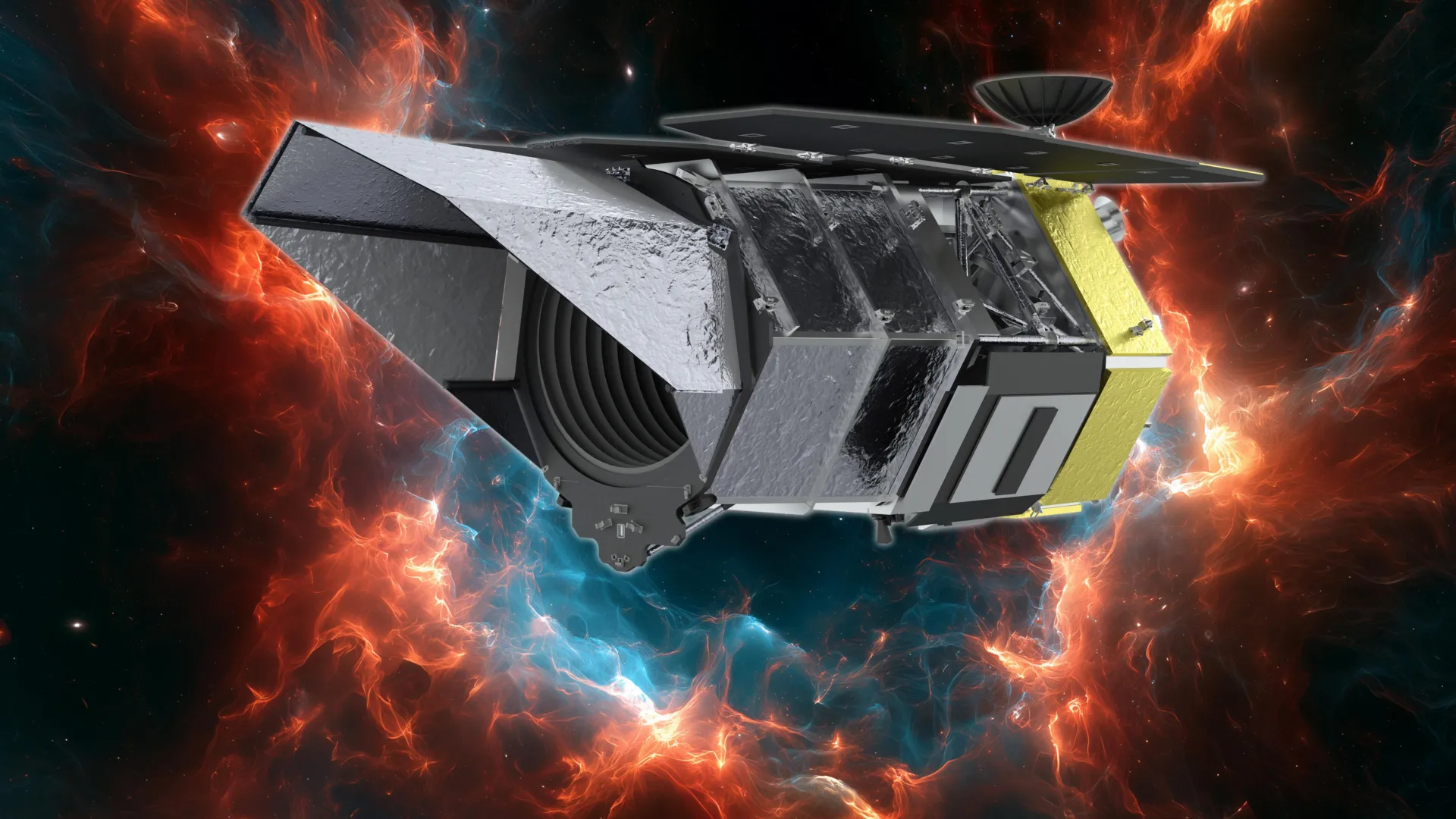
NASA’s Roman telescope just opened its planet-hunting eye

NASA’s Roman Space Telescope has demonstrated remarkable pointing stability and given its powerful planet-imaging coronagraph its first look at the cosmos. The telescope can already stay locked on a target with precision comparable to aiming a laser at a dime from about 150 miles away. Its coronagraph also captured stars in the Large Magellanic Cloud, confirming that the instrument can produce focused images.

📅 2026-10-02 12:21:30    •    ScienceDaily
Astronomers discover the lowest-mass double neutron star system to date
Science News

Astronomers discover the lowest-mass double neutron star system to date

Neutron stars, the extremely dense remains of massive stars that exploded at the end of their lives, are widely studied astrophysical objects. Some of these stars, known as pulsars, spin and send out beams of radio waves, making them appear to pulse as the beams sweep past Earth.

📅 2026-10-02 12:20:08    •    Phys.org
How deep do AI relationships really go? Attachment theory expert explains
Science News

How deep do AI relationships really go? Attachment theory expert explains

Attachment is the term psychologists use for the most significant relationships that hold people's lives together. But what makes an attachment relationship different from all others? According to the pioneering American–Canadian developmental psychologist Mary Ainsworth, it must meet the following six conditions.

📅 2026-10-02 12:20:02    •    Phys.org
Nearly 6 in 10 people with high blood pressure don’t know they have it
Science News

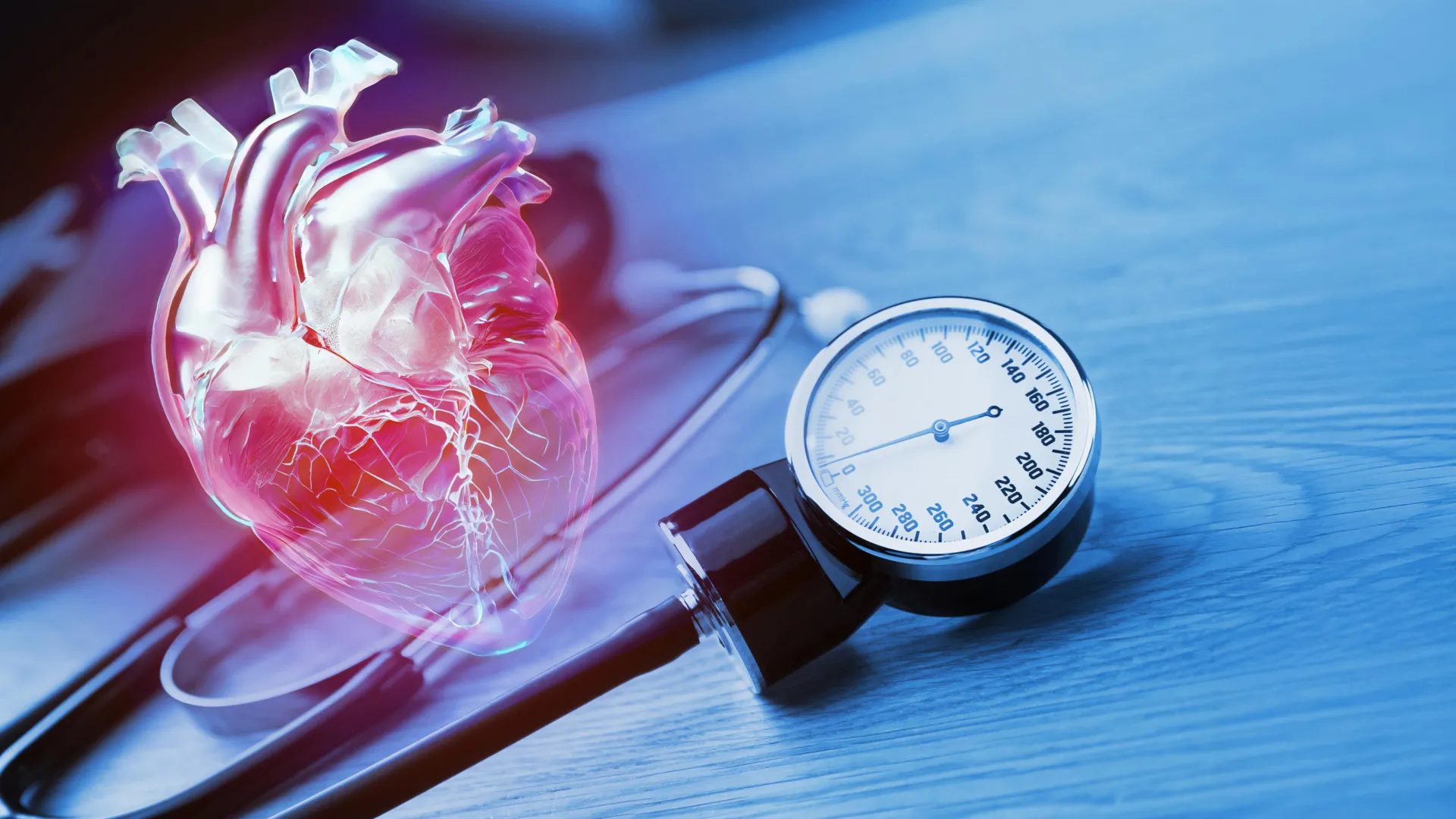
Nearly 6 in 10 people with high blood pressure don’t know they have it

Nearly 6 in 10 people with high blood pressure in a large England study had never been diagnosed or treated, and half of those already taking medication still had elevated readings. Researchers say a more proactive approach to finding and controlling hypertension could prevent thousands of heart attacks and strokes.

📅 2026-10-02 12:03:31    •    ScienceDaily
97-million-year-old fossils reveal the earliest known animal “GPS”
Science News

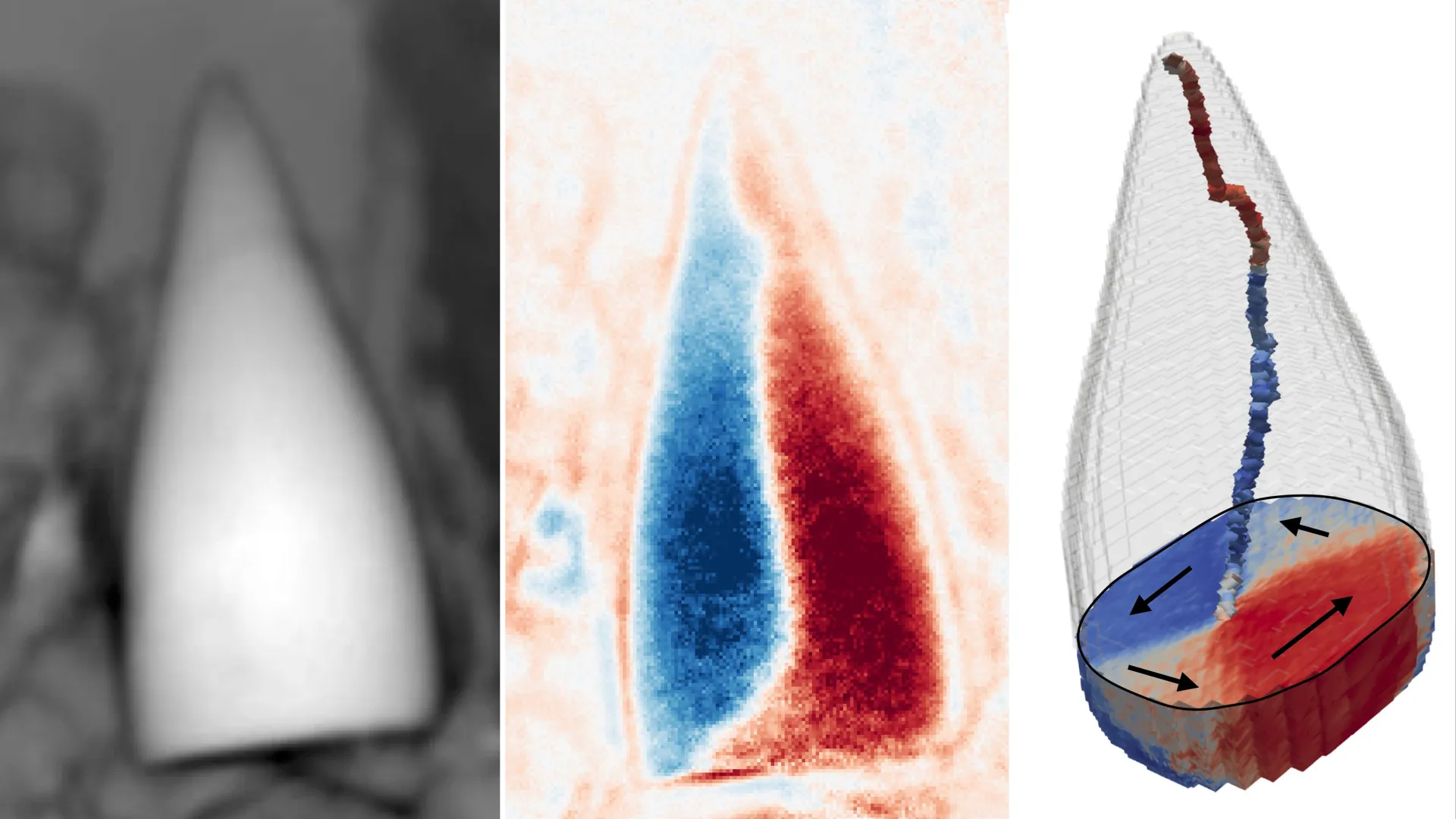
97-million-year-old fossils reveal the earliest known animal “GPS”

Mysterious 97-million-year-old magnetic fossils may be the oldest evidence of an animal using Earth’s magnetic field like a built-in GPS. Their sophisticated magnetic structure could have helped an unknown ocean creature navigate thousands of kilometers with surprising precision.

📅 2026-10-02 11:54:34    •    ScienceDaily
The early universe wasn’t nearly as pristine as scientists thought
Science News

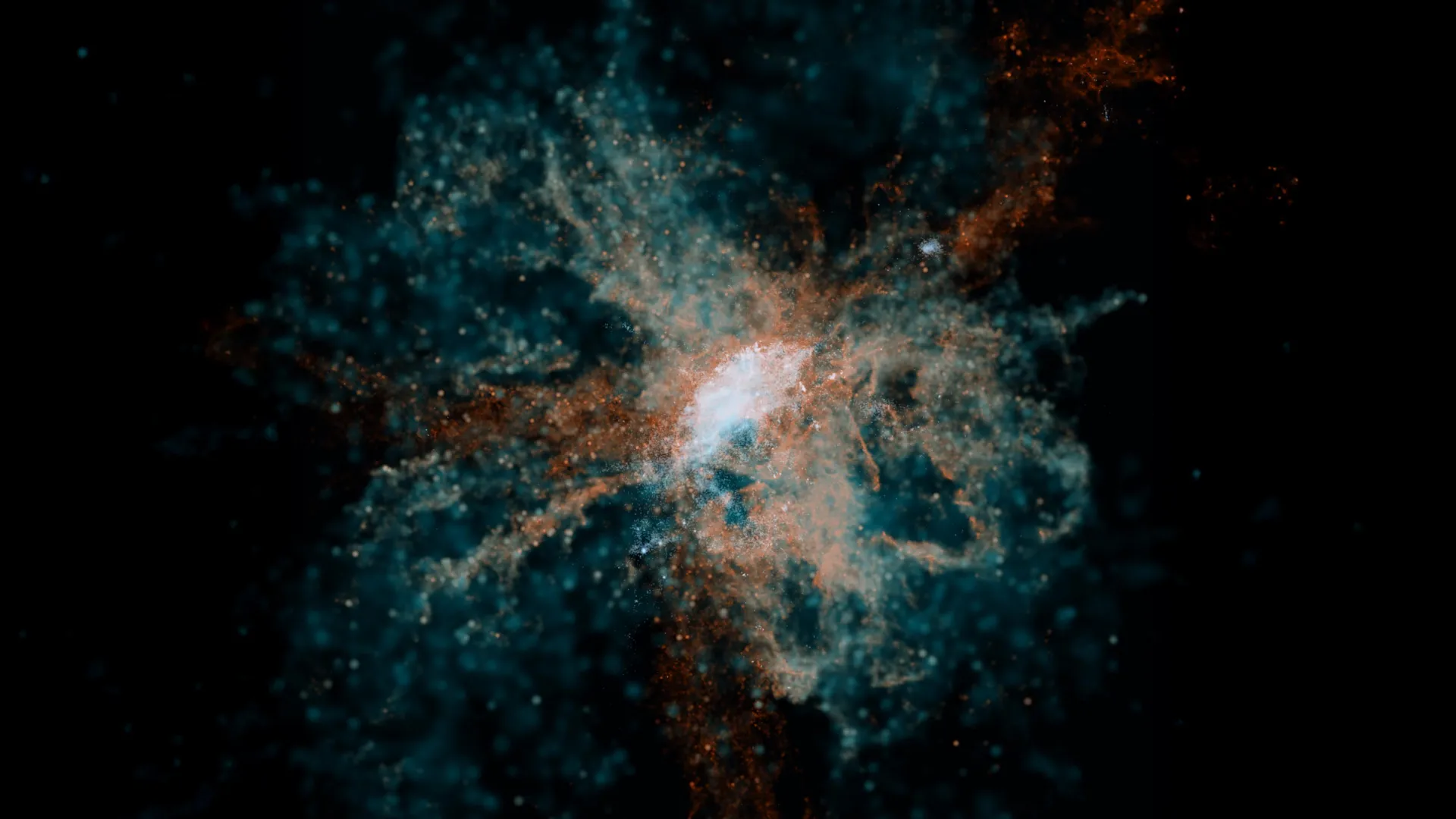
The early universe wasn’t nearly as pristine as scientists thought

JWST has revealed that galaxies were spreading carbon, oxygen, and other heavy elements through space just 500 million years after the Big Bang. The surprising discovery suggests the young universe became chemically enriched much earlier than expected, potentially erasing traces of its very first stars.

📅 2026-10-02 11:24:07    •    ScienceDaily