Latest Scientific Discoveries

All News →
A short breath extends the mating calls of male tokay geckos
Science News

A short breath extends the mating calls of male tokay geckos

Tokay geckos (Gekko gecko), large and mostly nocturnal geckos native to parts of Asia, are among the few nonbird reptiles that make sounds to attract potential mates, defend their territory and signal distress. Male tokay geckos' calls typically begin with quieter rattles, followed by louder two-part sounds that can sound like "ge-ko" or "to-kay."

📅 2026-10-03 14:00:06    •    Phys.org
This protective enzyme could help stop fatty liver disease from getting worse
Science News

This protective enzyme could help stop fatty liver disease from getting worse

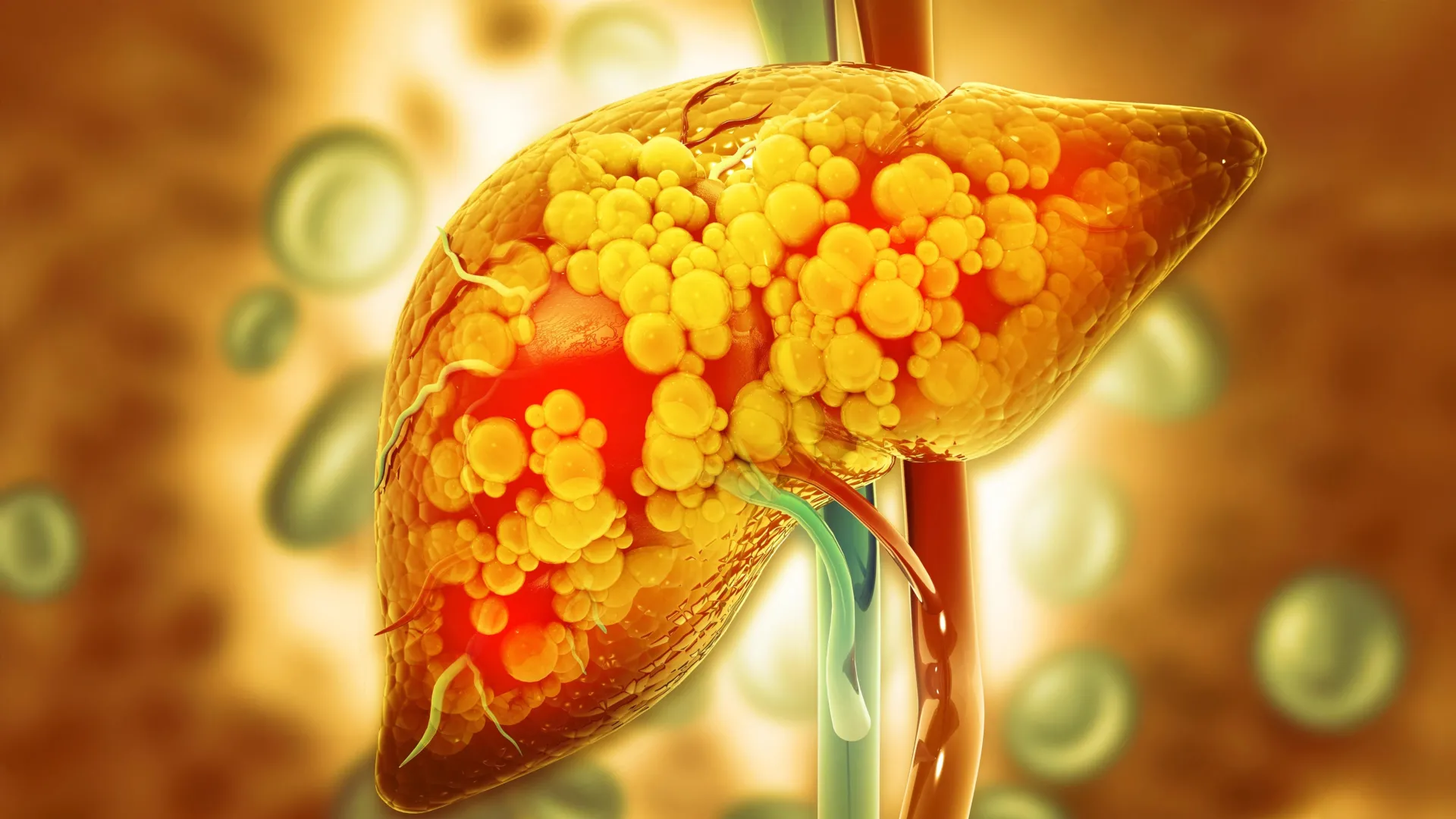
Scientists have identified an enzyme that may act as a natural defense against the worsening of fatty liver disease, which affects an estimated 100 million Americans. The enzyme, called UBE2N, helps liver cells clear away damaged mitochondria and break down fat, potentially preventing the inflammation, scarring, and cell damage associated with the more dangerous condition MASH.

📅 2026-10-03 13:46:11    •    ScienceDaily
ESA’s Juice just used Earth as a slingshot to Jupiter
Science News

ESA’s Juice just used Earth as a slingshot to Jupiter

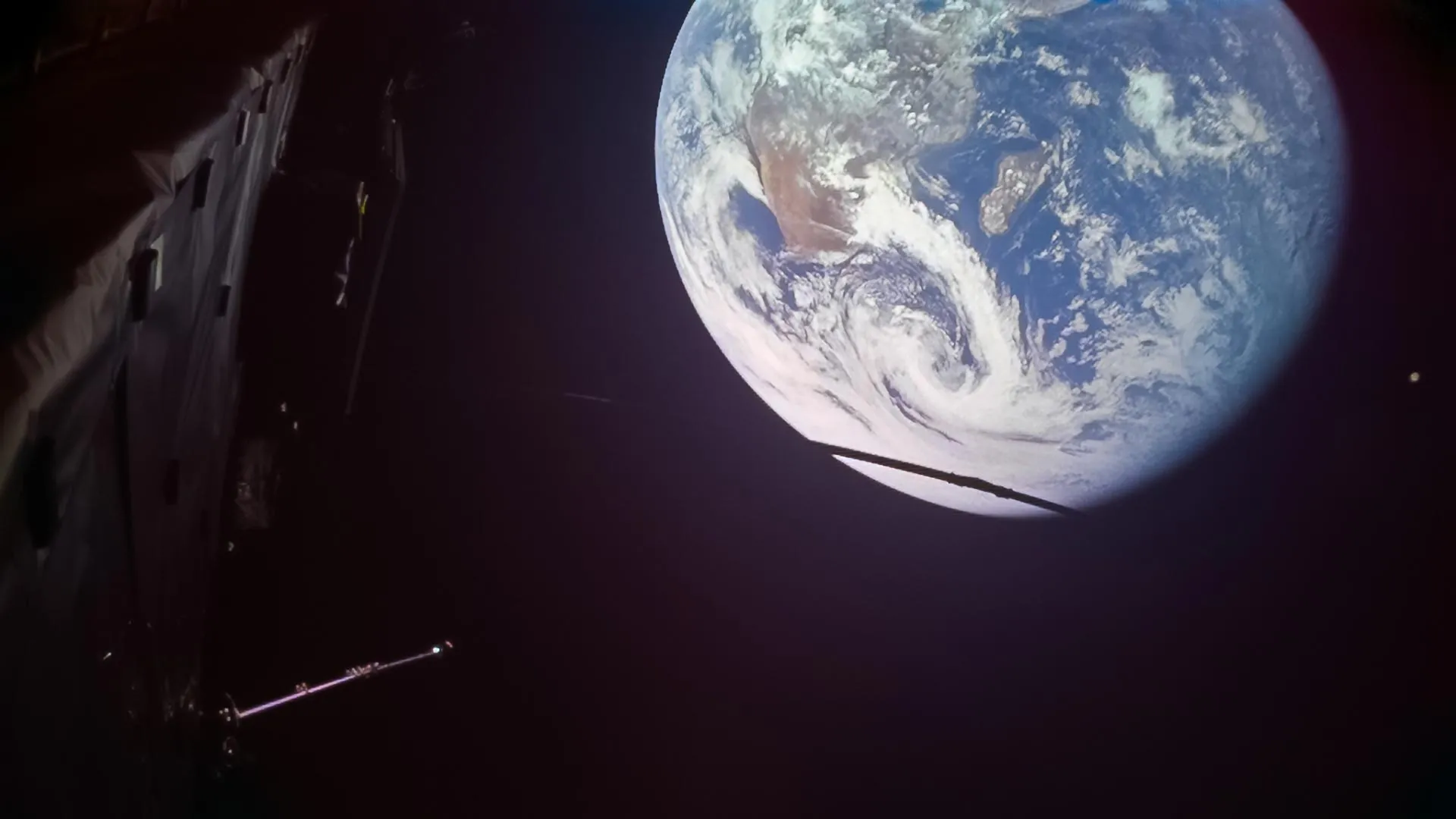
ESA’s Juice spacecraft raced past Earth on September 28, using our planet’s gravity to dramatically reshape its path toward Jupiter without burning much fuel. The flyby changed its direction by 20 degrees and increased its speed by 3.5 km/s, while also giving scientists a rare chance to test its instruments on Earth and the Moon.

📅 2026-10-03 13:34:11    •    ScienceDaily
Chang’e-6 lunar soil contains a surprising magnetic time capsule
Science News

Chang’e-6 lunar soil contains a surprising magnetic time capsule

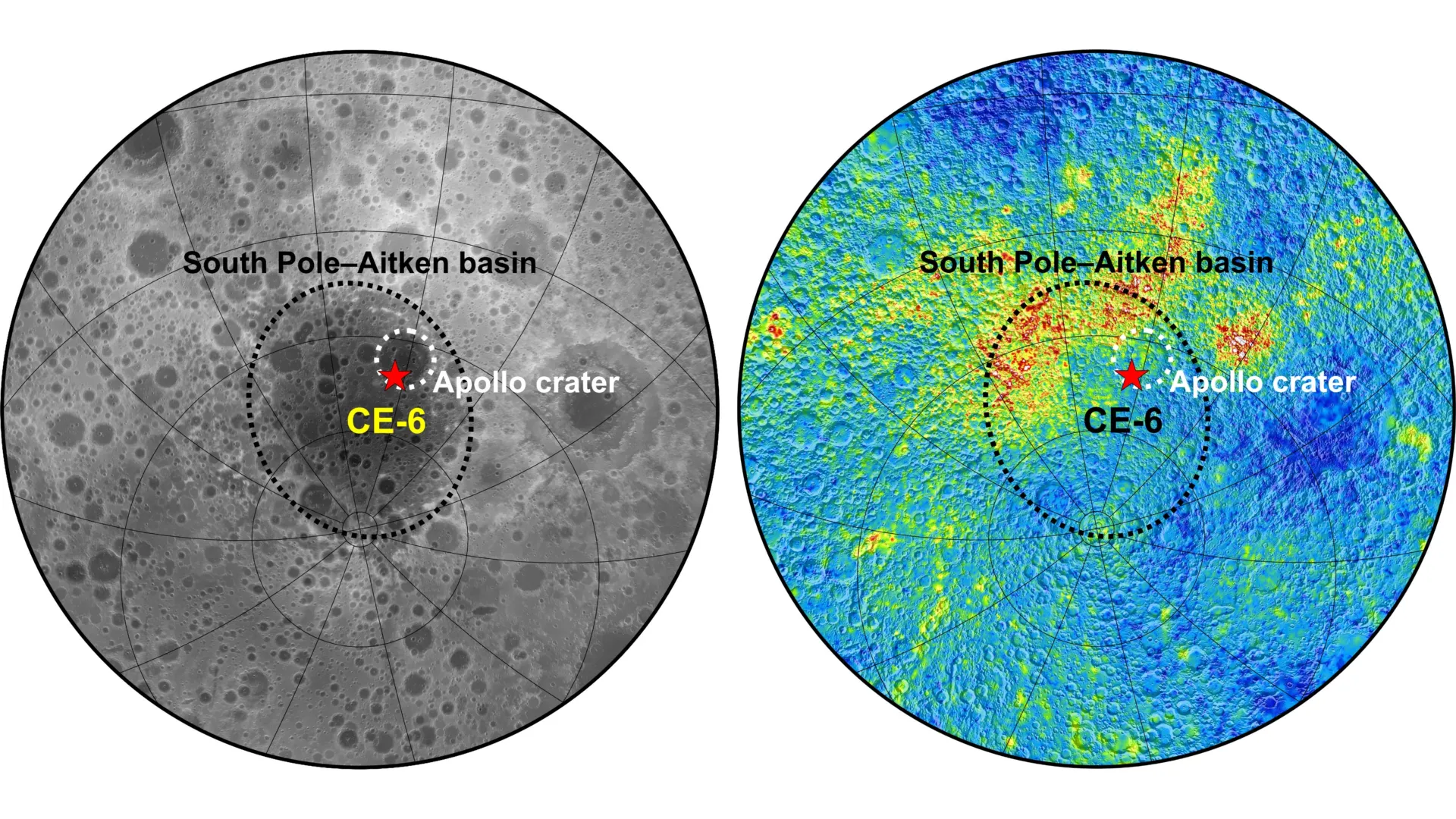
Scientists studying Chang’e-6 lunar soil have discovered a previously unknown magnetic mineral in natural Moon samples: a form of metallic iron called γ-Fe. Found inside tiny impact-glass particles, the nanoscale iron can preserve a stable magnetic signal, potentially acting like a microscopic fossil of the Moon’s long-lost magnetic field.

📅 2026-10-03 13:12:14    •    ScienceDaily
Milky Way may have begun as thousands of galaxies, new simulations suggest
Science News

Milky Way may have begun as thousands of galaxies, new simulations suggest

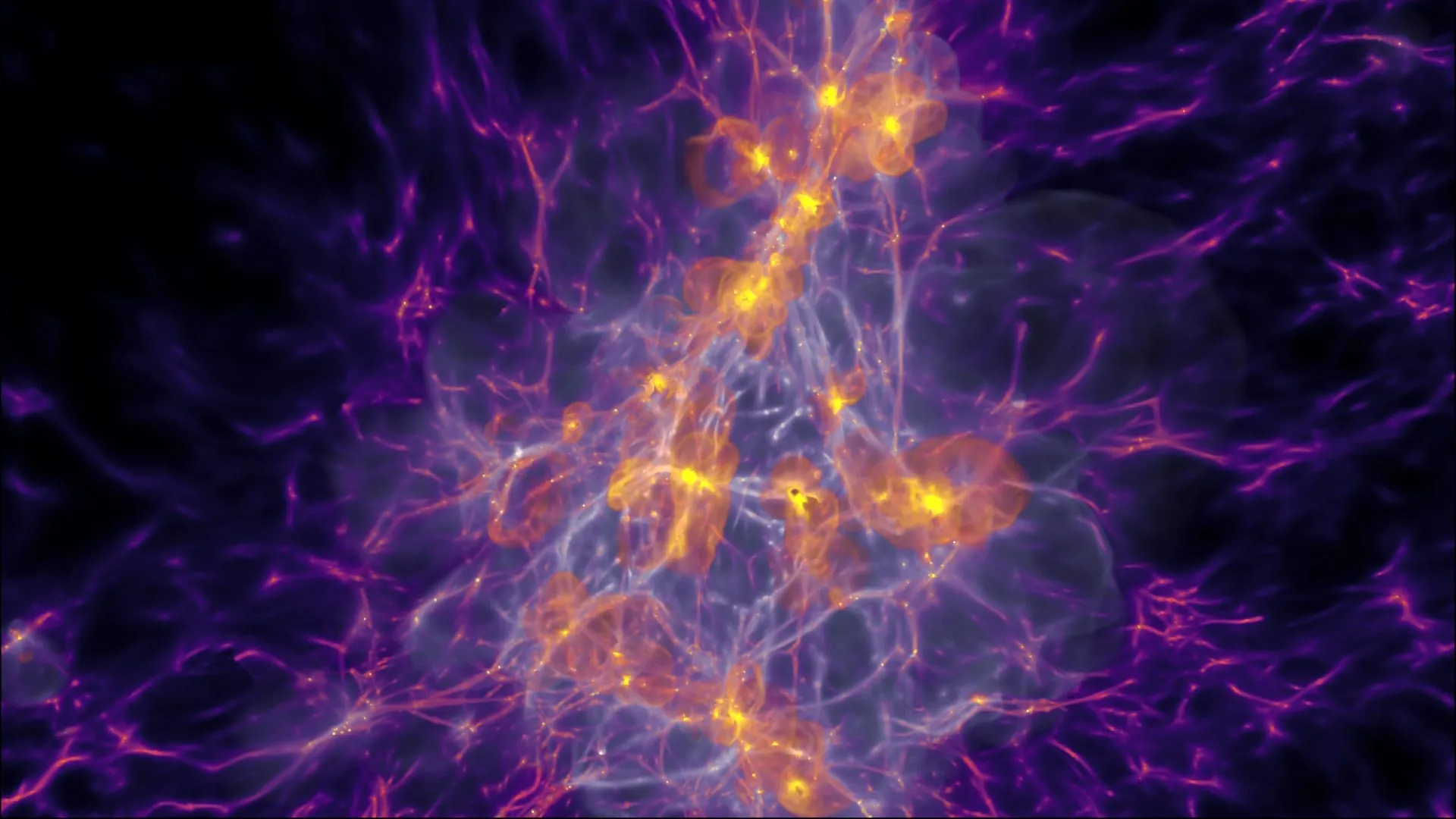
In the early days of the universe, our home looked very different from how it does today. Back then, the region in our universe that would eventually become our Milky Way neighborhood was a collection of thousands of smaller galaxies—some pumping out tons of new stars, others filled only with gas or littered with dead stars and black holes.

📅 2026-10-03 13:00:07    •    Phys.org
Powerful simulations reveal how the first stars changed the universe
Science News

Powerful simulations reveal how the first stars changed the universe

Ultra-detailed simulations are showing how the first stars lit up the dark Universe and seeded space with elements such as carbon, oxygen, and iron. The MEGATRON project could bridge JWST observations of the earliest galaxies with chemical clues preserved in ancient stars today.

📅 2026-10-03 12:50:57    •    ScienceDaily
Leucine does more than build muscle. It powers up your cells
Science News

Leucine does more than build muscle. It powers up your cells

The essential amino acid leucine can boost cellular energy production by protecting key proteins on mitochondria from being destroyed. The discovery reveals a new connection between nutrition and metabolism that could eventually lead to new approaches for metabolic disorders and cancer.

📅 2026-10-03 12:33:15    •    ScienceDaily
Your gut may be making a molecule that raises Alzheimer’s risk
Science News

Your gut may be making a molecule that raises Alzheimer’s risk

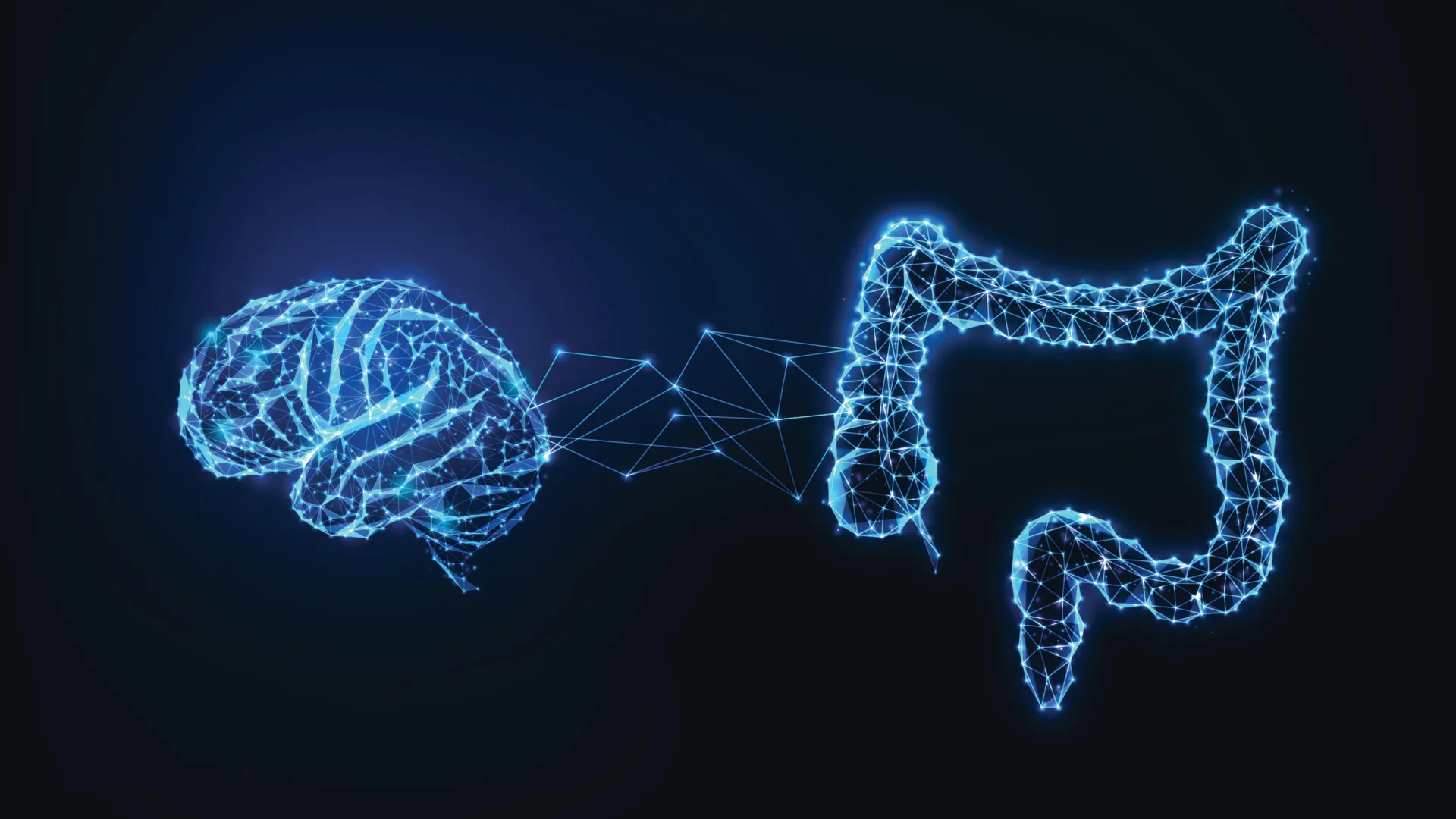
Scientists have linked a gut bacterial compound called ImP to greater Alzheimer’s risk, harmful brain protein buildup, and faster cognitive decline. The finding raises the possibility that reducing ImP in the blood could one day help slow or prevent dementia.

📅 2026-10-03 12:13:21    •    ScienceDaily
Scientists just made a superconductor stronger using “empty space”
Science News

Scientists just made a superconductor stronger using “empty space”

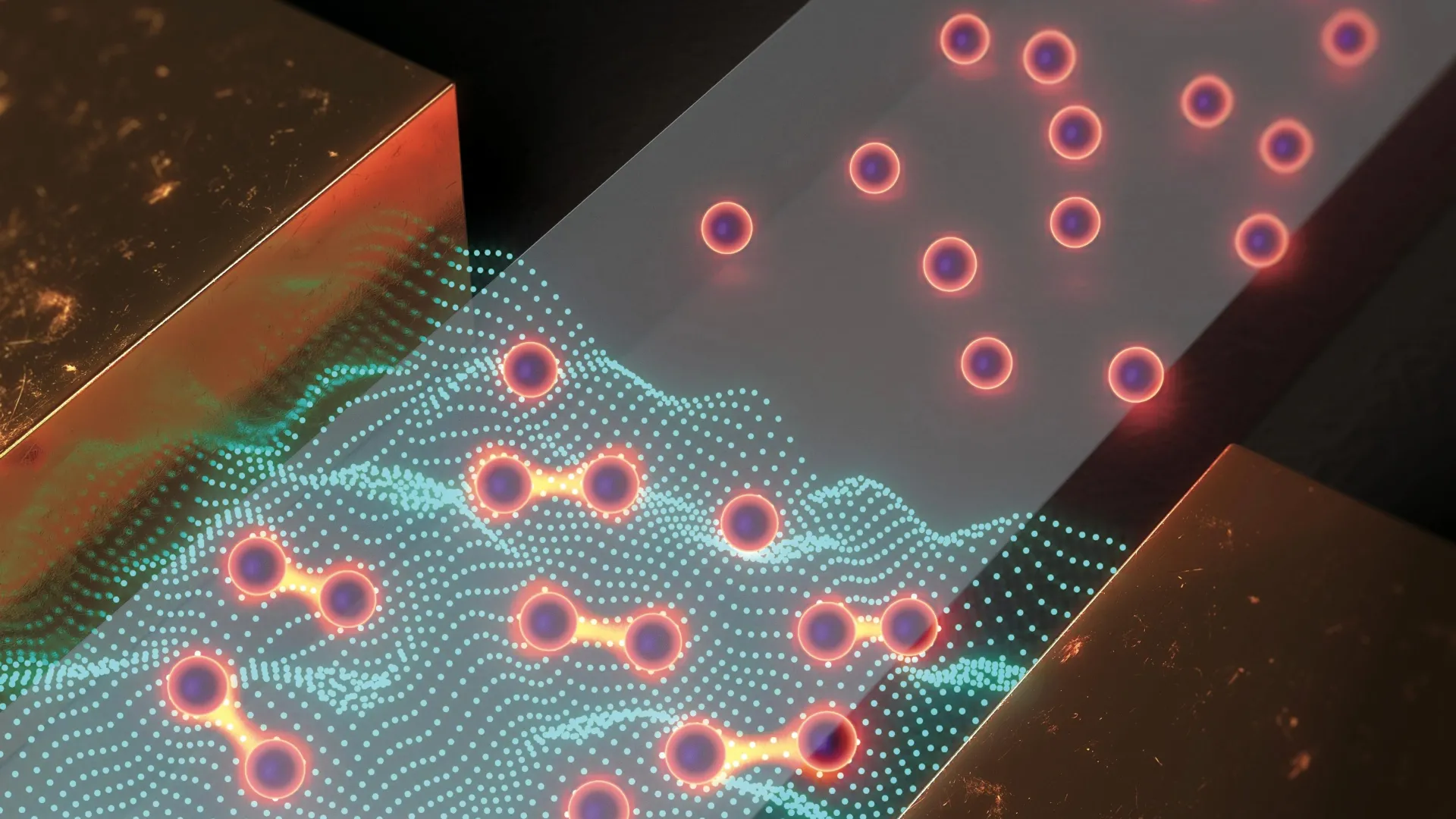
Researchers have demonstrated that quantum fluctuations in supposedly empty space can strengthen superconductivity, raising the transition temperature of an ultrathin material by as much as 5.4%. The discovery opens the possibility of using specially engineered vacuum environments to control quantum materials without direct contact or external driving.

📅 2026-10-03 12:03:23    •    ScienceDaily
Energy production, virus defenses and toxin loading emerge as vulnerabilities in resistant bacteria
Science News

Energy production, virus defenses and toxin loading emerge as vulnerabilities in resistant bacteria

Antimicrobial resistance is one of the world's top public health threats. Often termed a silent pandemic, antimicrobial-resistant bacteria have caused millions of deaths annually. If left unchecked, the number of deaths attributed to antimicrobial-resistant bacteria is expected to increase to 10 million a year by 2050, according to estimates by the World Health Organization.

📅 2026-10-03 12:00:18    •    Phys.org
French deportation rulings show how judges navigate conflicting rules on forced removal
Science News

French deportation rulings show how judges navigate conflicting rules on forced removal

European deportation practices are governed by a complex web of European, national and human rights law, says the author of a paper published in the International Journal of Migration and Border Studies. Based on 100,000 French court cases, the study shows that national courts play a central role in determining whether individuals can be removed.

📅 2026-10-03 12:00:13    •    Phys.org