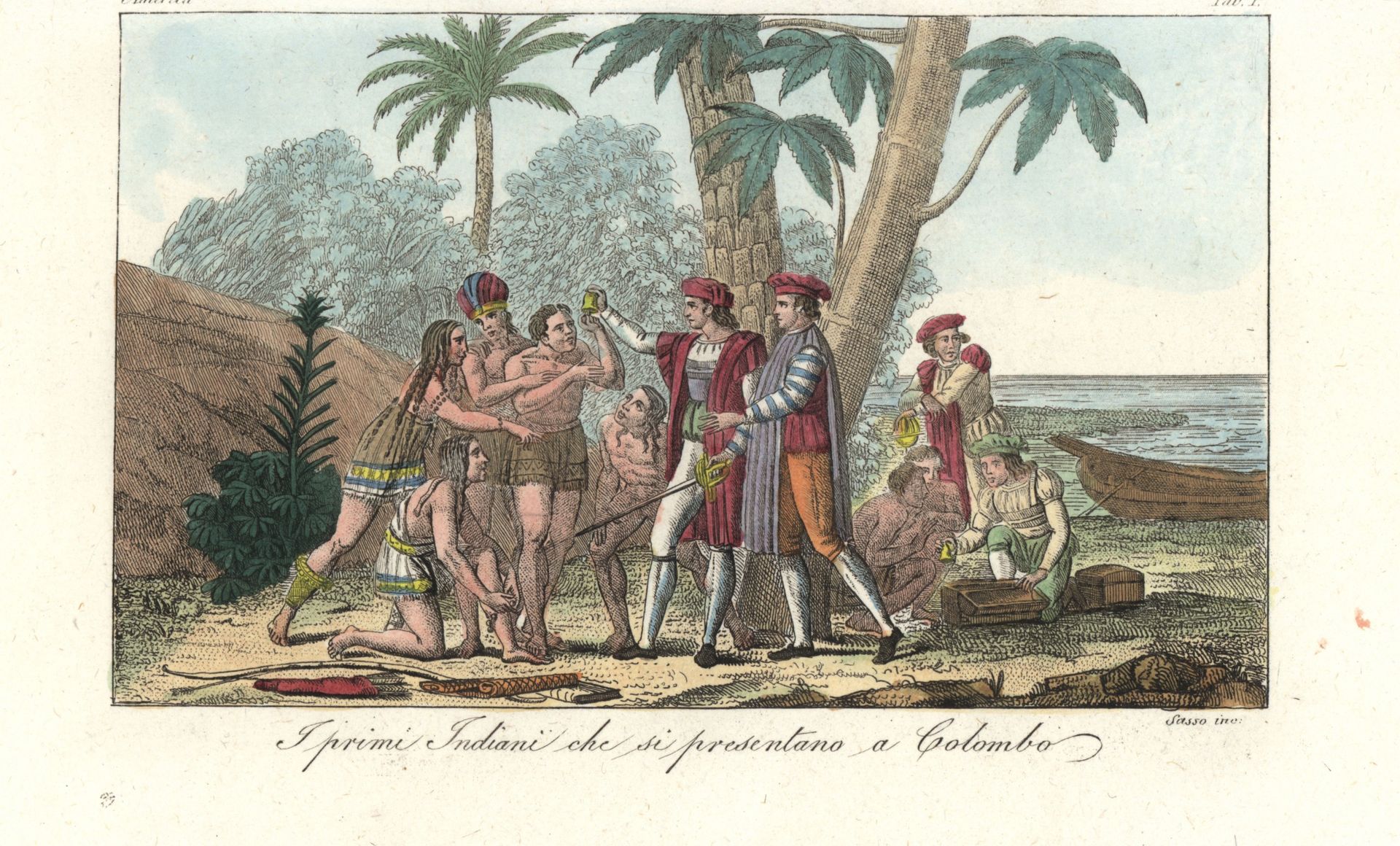
When Christopher Columbus made landfall in the Americas on Oct. 12, 1492, he encountered Indigenous Lucayans living on the Bahamian island now called San Salvador. Columbus wrote in his diary about "great multitudes of men" who greeted him that day, bartered with him and told him about other groups who lived on nearby islands. But within a few decades after Columbus' arrival, the Indigenous people of the Americas were decimated by what anthropologist Eric Wolf called the "Great Dying" — a combination of epidemic disease, warfare and enslavement that led to a rapid decline in the Native population. For centuries, researchers have been trying to figure out how many Indigenous people lived in t...
'It could have been a very different history': Researchers are finally starting to pin down how many Indigenous people were living in the Americas when Columbus arrived
Original Source
This article was collected from: Live Science
Gabeshana News automatically collects article information
from external RSS/Atom sources. The original article remains
available at the source website. Please visit the original
source for the complete article and the latest information.